Quick Guide
- Why Are Peanut Butter Energy Balls So Popular?
- The Heart of the Matter: Choosing Your Peanut Butter
- The Basic Blueprint: Your First Batch of Energy Balls
- Beyond the Basic: Flavor Variations & Dietary Tweaks
- Nutrition & Storage: Making Them Last
- Your Peanut Butter Energy Balls Questions, Answered
- Putting It All Together: Your Action Plan
Let's be honest, we've all been there. It's 3 PM, your energy is crashing, and you're staring into the abyss of your pantry looking for something that won't derail your day. You want a snack that's actually satisfying, not just a handful of crackers that leaves you hungry again in twenty minutes. That's where the humble peanut butter energy ball comes in. It's not a new trend, really. People have been mixing oats, nut butter, and honey for ages. But there's a reason this simple concept has stuck around. It works.
I remember the first time I made a batch. It was mostly out of desperation. I had a jar of peanut butter that needed using, some oats, and a little honey. I mixed it all up, rolled them into little balls, and stuck them in the fridge. Frankly, I wasn't expecting much. But the next day, after a long run, I grabbed one. It was chewy, sweet, salty, and incredibly filling. It felt like a real treat, but without the sugar crash that follows a candy bar. I was hooked. Now, I almost always have a container of these energy bites in my fridge. They're my secret weapon against afternoon slumps, pre-workout hunger, and those "I need something sweet" moments.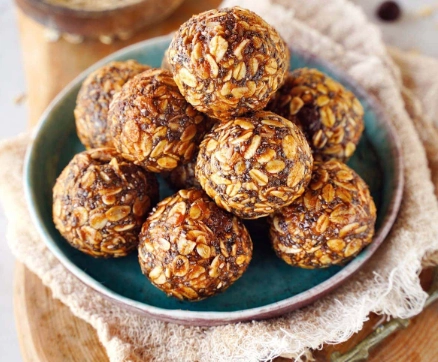
Why Are Peanut Butter Energy Balls So Popular?
It's not just hype. There are some solid, practical reasons these little balls have become a staple in lunchboxes, gym bags, and office drawers everywhere.
First off, they require zero cooking. No oven, no blender (most of the time), no fancy equipment. A bowl and a spoon will do it. This makes them accessible to anyone, even if you swear you can't cook. They're also a fantastic way to control what goes into your snack. When you make your own peanut butter energy bites, you decide the ingredients. No hidden sugars, no weird preservatives, no palm oil. Just real food.
They're also incredibly portable and have a decent shelf life. A batch made on Sunday can see you through the week. Toss a couple in a small container, and you have a reliable snack ready wherever you are. Compare that to trying to transport a yogurt cup or a banana that's likely to get smashed.
And let's talk nutrition. A well-made energy ball is a balanced mix of complex carbs (from the oats), healthy fats and protein (from the peanut butter), and natural sugars for a quick energy lift. This combo is key. The fat and protein slow down the absorption of the carbs, giving you sustained energy rather than a spike and crash. It's a smarter way to snack.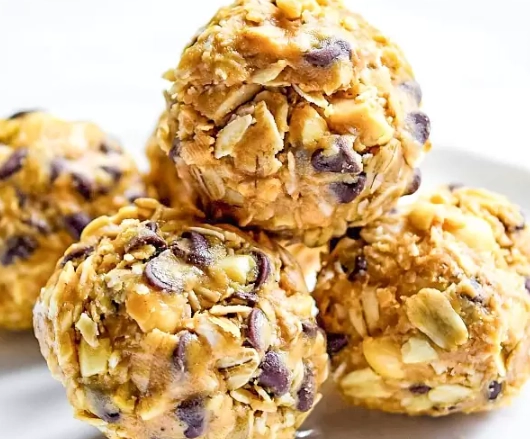
The Heart of the Matter: Choosing Your Peanut Butter
This is where your peanut butter energy balls live or die. The peanut butter is the main event—it provides the flavor, the binding power, and much of the nutrition. Walk down the grocery aisle, and you're bombarded with choices. Let's break it down so you can pick the best one for your goals.
The single most important thing to look for? The ingredient list. You want it to be short. Ideally, it should say: peanuts, salt. That's it. Maybe some oil, if it's the natural kind that separates. This is what you'll often find labeled as "natural" peanut butter. It has a more authentic peanut taste and doesn't contain added sugars or hydrogenated oils (trans fats).
Then you have the classic, shelf-stable kind. The ingredient list here is longer: peanuts, sugar, hydrogenated vegetable oils, salt, molasses. This is the creamy, sweet, never-separates peanut butter many of us grew up with. It works perfectly fine in recipes for peanut butter balls, and some people prefer the sweeter, smoother texture. Personally, I find it can make the final product a bit too sweet for my taste, especially if you're also adding honey or maple syrup. But it's a matter of preference.
What about crunchy vs. creamy? Creamy gives you a smoother, more uniform texture for your energy balls. Crunchy adds little bits of peanut throughout, which I love for the extra texture. It's a totally personal call. You can't go wrong.
And for a deeper dive into the nutritional profiles of different foods, resources like the USDA's FoodData Central are invaluable. It’s a trusted source to understand the fat, protein, and micronutrient content of the ingredients you're using.
My Go-To Peanut Butter for Energy Balls
After years of testing (a tough job, but someone had to do it), I've landed on a preference. I almost always use a natural, creamy peanut butter with just peanuts and salt. Why? The flavor is richer and more peanut-forward, which I prefer. It also allows me to control the sweetness level of my final product completely. If I want it sweeter, I add more honey or dates. With the pre-sweetened kind, you're locked into their sugar level.
That said, I keep a jar of the classic sweetened kind in my pantry for when nostalgia strikes. The peanut butter balls made with it taste exactly like the inside of a certain famous peanut butter cup, which is never a bad thing.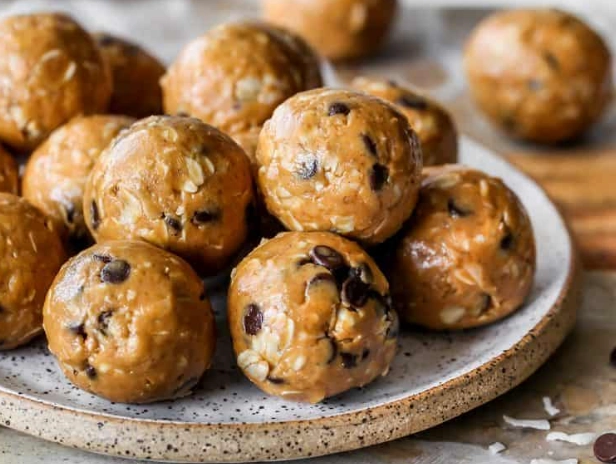
The Basic Blueprint: Your First Batch of Energy Balls
Ready to make your own? Let's start with a classic, foolproof recipe. This is your foundation. Once you master this, the world of variations is yours to explore.
You'll need:
- 1 cup old-fashioned rolled oats (not instant or quick-cook)
- 1/2 cup natural peanut butter (well-stirred)
- 1/3 cup honey or pure maple syrup
- 1/4 cup ground flaxseed (or chia seeds)
- 1/2 cup mini dark chocolate chips (optional, but highly recommended)
- 1 teaspoon vanilla extract
- A tiny pinch of salt (if your peanut butter is unsalted)
See? Nothing crazy. Now, the method is even simpler.
- Dump everything into a medium-sized mixing bowl.
- Stir. Really stir. You want everything to be evenly distributed and the mixture to come together. It will be thick and sticky. That's good.
- Pop the bowl in the refrigerator for 20-30 minutes. This chills the fats and makes the mixture much easier to handle. Skipping this step is the number one reason people end up with sticky, messy hands and misshapen blobs instead of nice balls. Don't skip it.
- Once chilled, use a tablespoon or a small cookie scoop to portion out the mixture. Roll each portion between your palms to form a ball. If it's still sticky, dampen your hands slightly with water.
- Place the rolled peanut butter energy balls on a plate or baking sheet lined with parchment paper.
- Store them in an airtight container in the refrigerator for up to 2 weeks, or in the freezer for up to 3 months.
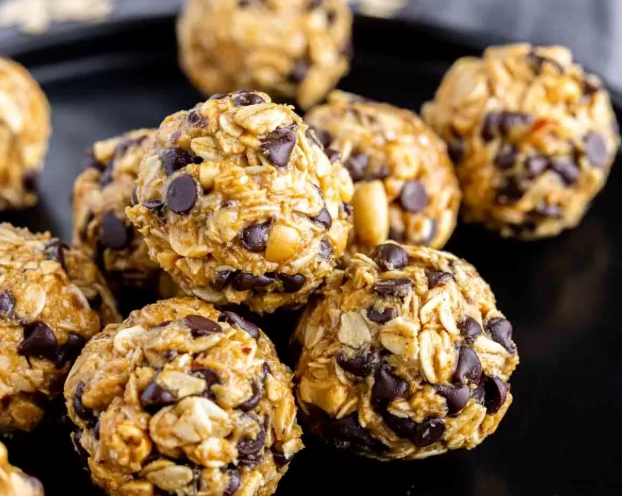
Why does this recipe work? The oats and ground flaxseed soak up the moisture from the peanut butter and honey, creating a firm texture. The honey acts as both a sweetener and a natural binder, helping everything stick together once chilled. It's culinary magic at its simplest.
Beyond the Basic: Flavor Variations & Dietary Tweaks
The beauty of this snack is its adaptability. Once you have the basic formula down—dry ingredient + nut butter + sticky sweetener—you can play. Here are some of my favorite spins on the classic peanut butter energy ball.
Top 3 Flavor Twists
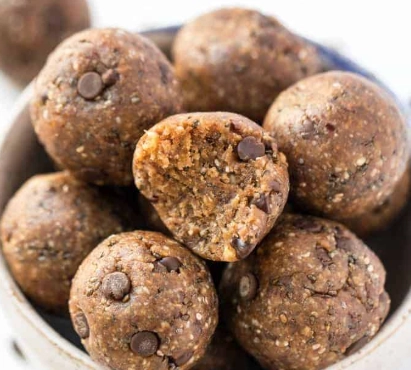
- Chocolate Sea Salt: Add 2 tablespoons of unsweetened cocoa powder to the dry ingredients. Use maple syrup as your sweetener. After rolling, sprinkle each ball with a tiny flake of sea salt. It's decadent.
- Apple Pie: Replace 1/4 cup of the oats with oat flour or almond flour. Add 1/3 cup of very finely chopped dried apples and 1 teaspoon of cinnamon. The apple bits add a wonderful chewy texture.
- Tropical: Use coconut peanut butter if you can find it, or add 2 tablespoons of coconut oil to regular peanut butter. Mix in 1/4 cup of unsweetened shredded coconut and 1/4 cup of chopped dried pineapple or mango.
Making Them for Specific Diets
Got dietary restrictions? No problem. You can easily adjust your peanut butter ball recipe.
Gluten-Free: This one's easy. Just ensure your oats are certified gluten-free. Oats are naturally gluten-free, but are often processed in facilities with wheat. Bob's Red Mill and other brands offer certified GF oats.
Vegan: Swap the honey for maple syrup, agave nectar, or date paste. Check that your chocolate chips are vegan (many dark chocolate ones are).
Lower Sugar: This is trickier, as the sweetener is a key binder. You can reduce the honey/maple syrup by a tablespoon or two and add a bit more peanut butter. Using unsweetened peanut butter is crucial here. You can also lean on the natural sweetness of add-ins like raisins or chopped dates.
Higher Protein: Add a scoop or two of your favorite protein powder. Be aware that this will dry out the mixture. You'll likely need to add a splash of milk (dairy or plant-based) or a bit more peanut butter to compensate for the dryness. It might take a little trial and error to get the consistency right.
For more detailed guidance on healthy fats and plant-based proteins, which are central to this snack, the Harvard T.H. Chan School of Public Health Nutrition Source is an excellent, science-backed resource.
Nutrition & Storage: Making Them Last
Okay, you've made a beautiful batch. Now what? Let's talk about keeping them fresh and understanding what you're actually eating.
Breaking Down the Nutrition
It's hard to give an exact number because every recipe is different. But for a ball made from the basic recipe above (with chocolate chips), you're looking at roughly:
- Calories: 120-150 per ball
- Fat: 7-9g (mostly the healthy, unsaturated kind from peanuts)
- Carbohydrates: 12-15g (with fiber from oats and flax)
- Protein: 4-5g
It's a satiating combo. The fiber and fat are what make these so filling. They're not a low-calorie food, but they're a nutrient-dense one. One or two can genuinely hold you over for a couple of hours.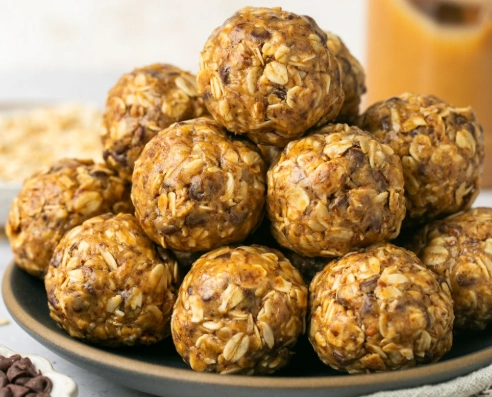
Storage Showdown: Fridge vs. Freezer
| Storage Method | How Long? | Texture & Notes | Best For... |
|---|---|---|---|
| Refrigerator | 10-14 days | Firm, chewy, perfect ready-to-eat texture. Store in an airtight container. | Weekly meal prep. Grabbing a quick snack. |
| Freezer | 2-3 months | Very firm, almost like a frozen candy. Thaws in 5-10 minutes at room temp. | Making large batches. Having a long-term stash for busy weeks. |
| Room Temperature | 2-3 days (max) | Softer, can become oily or sticky if very warm. Not recommended. | Short-term travel, like a day trip. Always err on the side of chilling them. |
I'm a freezer evangelist. I make a double or triple batch, roll all the balls, and place them on a baking sheet to "flash freeze" for an hour. Then, I toss them all into a large freezer bag. I can pull out exactly how many I need for the week ahead. They thaw quickly, and this method prevents me from ever being without my favorite peanut butter energy bites.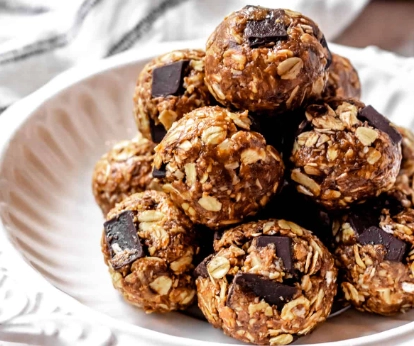
Your Peanut Butter Energy Balls Questions, Answered
Can I use something other than oats?
Absolutely. Oats are standard because they're cheap, healthy, and mild in flavor. But you can experiment. Try using almond flour or oat flour for a finer texture. Crushed rice cereal (like brown rice crisps) can add a nice crunch. Just keep the total volume of "dry binder" roughly the same.
My mixture is too dry and crumbly. Help!
This happens. Your peanut butter might have been too thick, or you measured your dry ingredients a little heavy. The fix is easy: add more moisture. Start with a teaspoon of your chosen liquid sweetener (honey, maple syrup) or even a teaspoon of milk or water. Mix and check. Repeat until it just starts to hold together when you pinch it.
My mixture is too wet and sticky.
The opposite problem. You might have used a very oily natural peanut butter or added a touch too much honey. Add more dry ingredients a tablespoon at a time. More oats, ground flax, or even a bit of protein powder can soak up the excess moisture.
Are these good for kids?
In my experience, they're a huge hit. They're like healthy cookie dough bites. They're perfect for lunchboxes (just keep them cool with an ice pack). Be mindful of choking hazards for very young children—you might want to flatten them into discs instead of balls. And always check for nut allergies in group settings, of course.
Can I make these without a sweetener?
You can try, but the results will be very different. The liquid sweetener is a primary binder. Without it, your balls will likely be dry and fall apart. If you want to minimize added sugar, use date paste as your sole sweetener/binder. Soak pitted dates in hot water, blend them into a paste, and use that to hold everything together. It works surprisingly well.
Putting It All Together: Your Action Plan
So where do you start? Don't feel overwhelmed by all the options.
My advice? Make the basic recipe this weekend. Just once. Follow it exactly. Taste the result. See how your body feels after eating one. Do you find it too sweet? Not sweet enough? Do you wish it had more texture?
Use that first batch as your baseline. Then, the next time, change one thing. Swap the honey for maple syrup. Try adding cinnamon. Use crunchy peanut butter instead of creamy. This iterative process is how you'll land on your personal perfect peanut butter energy ball recipe.
They're more than just a snack. They're a tool. A tool for better energy, for avoiding the vending machine, for having something wholesome you made yourself ready when hunger strikes. In a world of overly processed convenience foods, taking 20 minutes to make a batch of these is a small act of delicious self-care.
Go grab that jar of peanut butter. You've got this.
Reader Comments