Your Pie Journey Starts Here
- Why Peanut Butter Pie is a Crowd-Pleaser (And How to Make It Even Better)
- The Heart of the Matter: Your Peanut Butter Pie Ingredients
- The Master Recipe: A Foolproof No-Bake Peanut Butter Pie
- The Baked Peanut Butter Pie Recipe: A Deeper, Richer Alternative
- Peanut Butter Pie Recipe Variations: Let's Get Creative
- The Troubleshooting Guide: Saving Your Peanut Butter Pie
- Frequently Asked Questions About Peanut Butter Pie
- Final Thoughts: Your Pie, Your Rules
Let's talk about peanut butter pie. You know the one. That dreamy, creamy, sometimes fluffy dessert that feels like a hug in pie form. It's the thing you bring to a potluck when you want to be a hero, or the treat you make on a Sunday because, well, you deserve it. But here's the thing – not all peanut butter pie recipes are created equal. Some are too dense. Some are too sweet. Some just taste like you're eating a spoonful of straight peanut butter with a crust attached (which, okay, isn't the worst thing).
I've made my fair share of them over the years. Some were triumphs, devoured in minutes. Others were… learning experiences. Like the time I used the wrong kind of peanut butter and ended up with a greasy, separated mess. Not pretty. So I've done the work, the tasting, the tweaking, to figure out what makes a truly great peanut butter pie recipe.
This isn't just one recipe. It's your complete guide. We'll cover the classic no-bake version that's perfect for hot days, a richer baked option for when you want something more substantial, and all the twists and substitutions you could dream of. By the end, you'll know exactly how to make the pie that's right for you.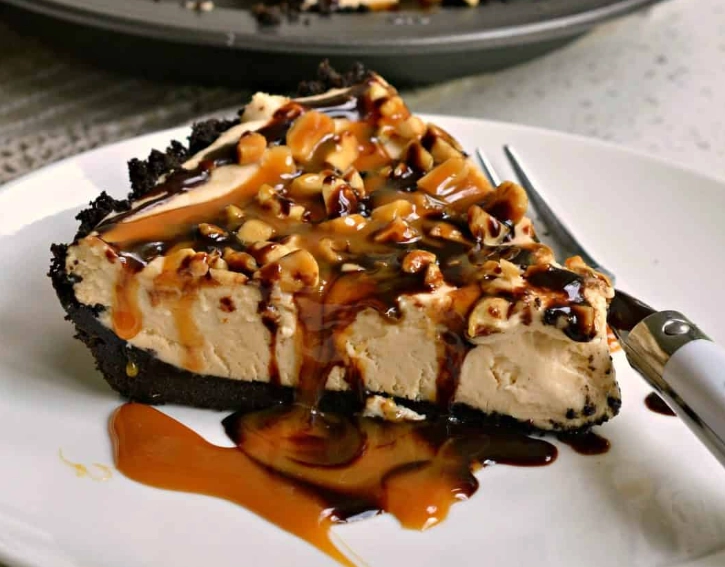
Why Peanut Butter Pie is a Crowd-Pleaser (And How to Make It Even Better)
It's obvious, right? Peanut butter. Sugar. Creamy filling. Crunchy crust. It hits all the right notes. The beauty of a good peanut butter pie recipe is its balance. The saltiness of the peanut butter cuts through the sweetness, the cream cheese or whipped cream adds lightness, and the chocolate – because there's almost always chocolate – brings it all together. It's a dessert that feels indulgent but isn't overly complicated.
Pro Insight: The magic often lies in the texture. A great pie should be smooth and creamy, almost mousse-like, but still hold its shape when you cut a slice. Getting that right is easier than you think, but there are a few key pitfalls to avoid.
But what really elevates a standard peanut butter pie recipe? Attention to detail. It's toasting your cookie crust for a deeper flavor. It's using a high-quality, natural peanut butter with just peanuts and salt for a cleaner taste (though I'll get into the great peanut butter debate below). It's knowing when to add a pinch of flaky sea salt on top. Small moves, big impact.
The Heart of the Matter: Your Peanut Butter Pie Ingredients
You can't build a great house without good bricks. Let's break down what goes into this pie and why each component matters.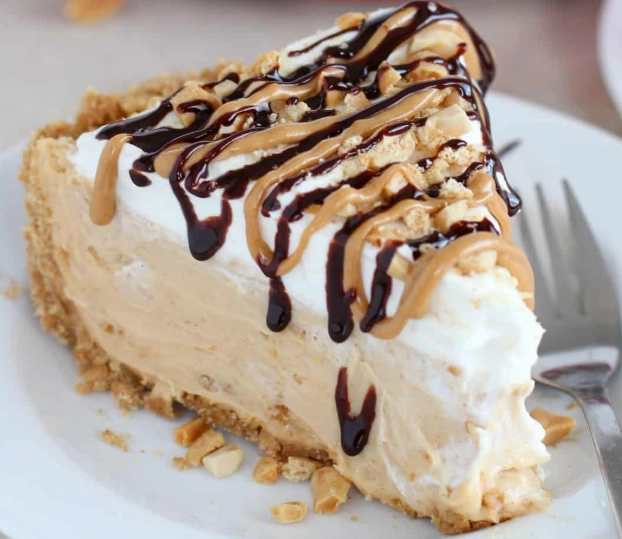
The Peanut Butter: Creamy vs. Crunchy, Natural vs. Conventional
This is your star player. Your choice here defines the entire character of your peanut butter pie recipe.
Creamy Peanut Butter: The standard choice. It gives you that perfectly smooth, velvety filling everyone expects. Most commercial brands like Jif or Skippy have added sugar and stabilizers (like hydrogenated oils). This actually makes them more predictable for baking – they're less likely to separate and often give a sweeter, more consistent result. For a no-bake pie, they're a safe, reliable bet.
Natural Peanut Butter: The kind that's just ground peanuts and maybe salt. The oil separates on top, and you have to stir it. I love the pure, roasted peanut flavor it brings. But here's a warning from my own kitchen fails: If you're making a no-bake filling that relies on chilling to set, natural peanut butter can sometimes lead to a slightly grainier texture or even cause the filling to weep oil if it's not perfectly emulsified. If you go natural, make sure you stir that jar until it's completely homogenous. For a baked peanut butter pie recipe, it's less of an issue.
Crunchy Peanut Butter: Want some texture right in the filling? Go for it. It adds little bursts of peanut crunch. I'd recommend using it in combination with creamy, maybe half and half, so you still get that smooth base.
My personal take? For a foolproof, silky no-bake pie, I often reach for a conventional creamy brand. When I'm feeling fancy and want a deeper peanut flavor for a baked version, I'll use a well-stirred natural one. Try both and see what you prefer.
The Cream Base: Cream Cheese, Whipped Cream, or Both?
This is what gives the pie body and lightness.
Cream Cheese: (The Philadelphia-style block, not the spreadable kind in a tub). It provides tanginess, richness, and incredible stability. A peanut butter pie recipe with cream cheese will be denser, cheesecake-like, and slice cleanly. It's my go-to for structure.
Whipped Heavy Cream: This makes the filling airy and light, almost like a peanut butter mousse. The downside? It's less stable. It can deflate if you're not gentle, and it doesn't hold its shape for as many days in the fridge. Best eaten within 24-48 hours.
The Hybrid Hero: Many of the best recipes use both. The cream cheese gives it a sturdy foundation and tangy flavor, while folded-in whipped cream lightens the whole thing up. This is the perfect balance, in my opinion. You get the best of both worlds: structure and cloud-like texture.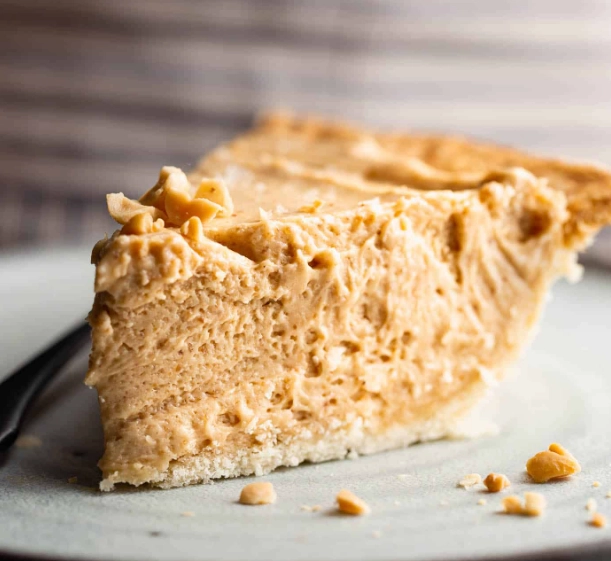
The Sweeteners & Flavor Enhancers
Confectioners' sugar (powdered sugar) is the most common. It dissolves instantly and doesn't add graininess. Granulated sugar can work in cooked fillings. Some recipes use sweetened condensed milk for a distinct, fudgy richness.
Vanilla extract is non-negotiable. It rounds out the flavors. A tiny pinch of salt (even if your peanut butter is salted) amplifies everything. And then there's the chocolate.
The Chocolate Factor
Chocolate and peanut butter are a legendary duo. In a peanut butter pie recipe, chocolate usually shows up in three places:
- The Crust: A chocolate cookie crust (Oreo or graham cracker with cocoa) is classic.
- The Topping: A smooth ganache drizzle or a blanket of whipped cream with chocolate shavings.
- Swirled In: Melted chocolate swirled into the filling itself for a marbled effect.
You don't need all three, but you need at least one. It's the law. (My law, anyway.)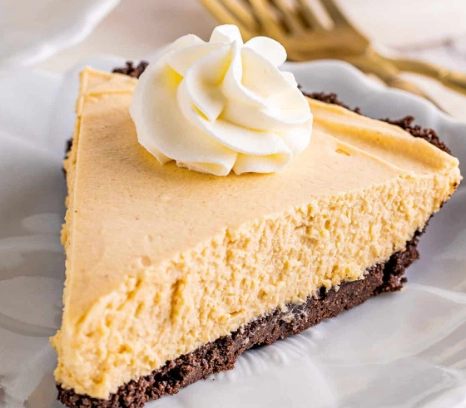
The Crust: More Than Just a Holder
The crust is the first thing you taste. Don't phone it in.
| Crust Type | Flavor Profile | Best For | Pro Tip |
|---|---|---|---|
| Graham Cracker | Sweet, honey-like, classic | A lighter, more traditional pie. Lets the peanut butter shine. | Add 1 tbsp of brown sugar to the crumbs for extra caramel notes. |
| Chocolate Cookie (Oreo) | Rich, chocolatey, decadent | The ultimate PB&Chocolate experience. Holds up well to heavy fillings. | Use the whole cookie with filling for a sweeter crust, or scrape it out for a darker chocolate taste. |
| Pretzel | Salty, crunchy, savory-sweet | Balancing an ultra-sweet filling. A fantastic gourmet twist. | Use finely crushed pretzels and mix with a bit more butter to combat dryness. |
| Nilla Wafer or Shortbread | Buttery, vanilla, delicate | A subtler, more elegant base. | Pre-bake for 8 minutes at 350°F (175°C) for extra crispness, even for a no-bake pie. |
No matter which you choose, press it firmly and evenly up the sides of the pie plate. A thin, patchy crust is a sad crust. I like to use the bottom of a measuring cup to really pack it in.
The Master Recipe: A Foolproof No-Bake Peanut Butter Pie
This is the workhorse, the recipe you'll come back to again and again. It requires no oven, sets in the fridge, and is virtually impossible to mess up.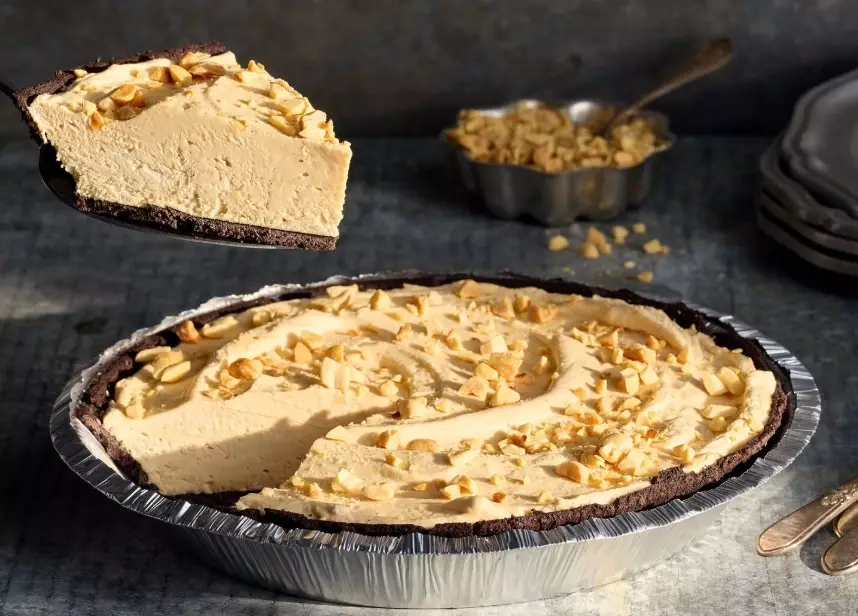
The Core Formula: This recipe uses the hybrid method for the perfect texture. Plan for at least 4-6 hours of chilling time, but overnight is best.
For the Crust:
1.5 cups (150g) finely crushed chocolate sandwich cookie crumbs (about 18-20 cookies, filling included)
6 tablespoons (85g) unsalted butter, melted
A pinch of salt
For the Filling:
8 ounces (225g) full-fat brick cream cheese, softened to room temperature
1 cup (250g) creamy peanut butter (see note above on type)
1 cup (120g) confectioners' sugar, sifted
1 teaspoon pure vanilla extract
A generous pinch of fine sea salt
1.25 cups (300ml) heavy whipping cream, cold
2-3 tablespoons granulated sugar (for the cream)
For the Topping (Optional but Recommended):
1/2 cup (120ml) heavy cream, heated until just steaming
4 ounces (115g) semi-sweet or bittersweet chocolate, finely chopped
Flaky sea salt for garnish
Step-by-Step Walkthrough (Where Most Recipes Leave You Hanging)
1. Make the Crust: Mix the cookie crumbs, melted butter, and salt until it looks like wet sand. Dump it into a 9-inch pie plate. Press, press, press. Get it even on the bottom and up the sides. I chill this in the freezer for 15 minutes while I make the filling. It firms up the butter, making a sturdier base.
2. Make the Filling Base: In a large bowl, beat the softened cream cheese with a hand mixer or stand mixer until it's completely smooth and no lumps remain. This is crucial. Lumpy cream cheese = lumpy pie. Scrape down the bowl. Add the peanut butter, confectioners' sugar, vanilla, and salt. Beat on medium until it's all combined and smooth. It will be very thick.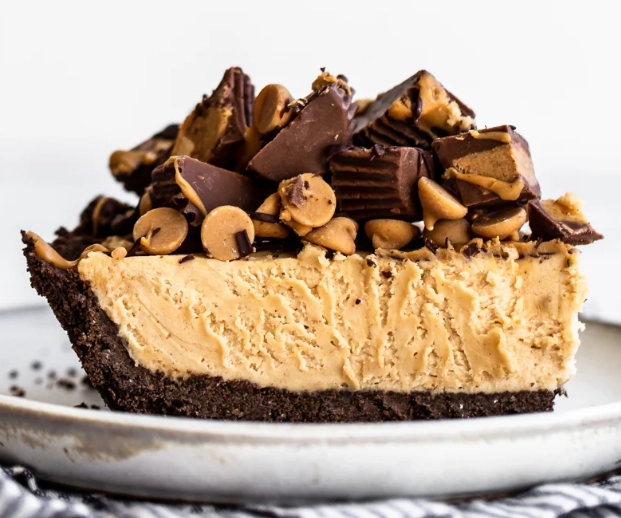
Watch Out: Don't overbeat after adding the sugar, or you can incorporate too much air and make the filling puffy and weird. Just mix until uniform.
3. Whip the Cream: In a separate, clean, cold bowl (chilling the bowl and beaters helps), whip the cold heavy cream with the 2-3 tbsp of granulated sugar until you get stiff peaks. What's a stiff peak? When you lift the beater, the cream stands straight up and doesn't droop over.
4. Combine Gently: This is the most important step. Take about one-third of the whipped cream and fold it into the peanut butter mixture. Use a rubber spatula and cut through the center, fold over, turn the bowl. This lightens the very dense peanut butter base. Now, gently fold in the remaining whipped cream. Keep folding just until no white streaks remain. Overmixing deflates the cream.
5. Assemble and Chill: Scoop the filling into your chilled crust. Smooth the top. Cover loosely with plastic wrap (press it directly on the surface if you're not adding a topping to prevent a skin). Refrigerate for at least 6 hours, preferably overnight. This patience is key for clean slices.
6. The Topping (If using): Right before serving, make a quick ganache. Pour the hot cream over the chopped chocolate in a bowl. Let it sit for 2 minutes, then whisk until smooth. Let it cool for 5 minutes so it's not piping hot, then drizzle over the chilled pie. Sprinkle with a tiny bit of flaky sea salt. It's a game-changer.
That's it. The blueprint for a perfect no-bake peanut butter pie recipe.
The Baked Peanut Butter Pie Recipe: A Deeper, Richer Alternative
Sometimes you want something warmer, more custard-like. A baked peanut butter pie feels more like a traditional custard pie or a cheesecake's cousin. It's fantastic in the fall or winter.
The formula changes here. You'll typically see eggs, maybe some flour or cornstarch as a thickener, and often a sour cream or milk component. It bakes until just set, then chills. The texture is uniform, dense, and incredibly rich. It's less fluffy than the no-bake but has its own profound satisfaction. If you're curious about the science of egg-based pie setting, resources from institutions like the USDA on food safety for eggs are worth a glance, especially for ensuring your pie is cooked to a safe temperature (typically 160°F/71°C in the center).
I find a baked peanut butter pie recipe can handle natural peanut butter even better, as the baking process fully integrates everything.
Peanut Butter Pie Recipe Variations: Let's Get Creative
Sticking to the classic is always a win. But once you've mastered it, why not play?
The Flavor Infusions
- Banana: Add a layer of sliced bananas on the crust before adding the filling (brush with a little lemon juice to prevent browning). Or fold 1/2 cup of mashed ripe banana into the filling.
- Espresso/Mocha: Dissolve 1-2 teaspoons of instant espresso powder in the vanilla before adding. For the topping, use a dark chocolate ganache.
- Salted Caramel: Drizzle store-bought or homemade salted caramel sauce over the crust, then add filling. More caramel on top.
- Cookie Butter: Replace half the peanut butter with speculoos cookie butter for a spicy, warm twist.
The Dietary Tweaks
Want a gluten-free peanut butter pie recipe? Easy. Use a certified gluten-free cookie for the crust (like gluten-free Oreos or graham crackers). The filling is naturally gluten-free.
For a vegan version, it gets trickier but is doable. Use a vegan butter and cookie for the crust. For the filling, use a vegan cream cheese alternative, a natural peanut butter (check for no honey), and whip full-fat coconut cream (chilled) instead of dairy cream. Sweeten with powdered sugar (check for bone char-free if strict). The texture will be different, but it can still be delicious.
The Troubleshooting Guide: Saving Your Peanut Butter Pie
Even with a great recipe, things can go sideways. Here's how to fix common issues.
Problem: The filling is too soft/won't set.
Likely Cause: Not enough chilling time (be patient!), under-whipped cream, or a very high-fat natural peanut butter that's loosening the structure.
Fix: Put it back in the fridge for several more hours. If it's truly soupy, you can scoop it out, re-whip it with a bit more powdered sugar (a tablespoon at a time), and pour it back in. Next time, ensure your cream is very cold and whipped to stiff peaks.
Problem: The filling is grainy.
Likely Cause: Confectioners' sugar wasn't sifted, cream cheese wasn't fully softened and beaten smooth, or natural peanut butter wasn't fully stirred.
Fix: Not much you can do now, but it will still taste good. For next time, prep your ingredients properly.
Problem: The crust is soggy.
Likely Cause: Filling was added to a warm crust, or the pie wasn't eaten within a few days.
Fix: Always chill your crust first. And honestly, a slightly soggy bottom is the fate of most cream pies after day 2. It's still delicious. Consider it “well-hydrated.”
See? Most problems have a solution. Don't panic.
Frequently Asked Questions About Peanut Butter Pie
Frequently Asked Questions About Peanut Butter Pie
These are the things people really want to know, the questions that pop up after they've found a basic peanut butter pie recipe.
For more on peanut nutrition and sourcing, the National Peanut Board is a great resource for growers and consumers alike, though remember they are an industry group.
Final Thoughts: Your Pie, Your Rules
At the end of the day, a peanut butter pie recipe is a starting point, not a rigid law. Like yours truly, maybe you prefer it extra peanut-buttery, so you add another half-cup. Maybe you're a chocolate fiend and want a ganache layer under the filling too. Go for it.
The goal is to end up with a dessert that makes you happy. Whether it's the simple, creamy no-bake pie that saves you on a hot summer day or a decadent baked version for a special dinner, it's all good. It's peanut butter and sugar and joy in a pie plate.
So grab your mixer, choose your peanut butter, and make a pie. The worst that can happen is you have to eat your “mistakes.” And that sounds pretty good to me.
Reader Comments