Let's be honest. Chocolate and peanut butter isn't just a flavor combination; it's a cultural institution. That salty-sweet, rich, and slightly crunchy (or perfectly smooth) experience hits a note that few other pairings can. But between the store-bought jars and the homemade attempts, there's a wide gap between good and mind-blowing. I've spent more time than I'd care to admit perfecting this duo, from gritty baking fails to discovering the one brand that actually gets it right. This isn't just a list of ideas. It's a roadmap to mastering chocolate peanut butter in your kitchen.
What's Inside This Guide
How to Make Chocolate Peanut Butter at Home (The Right Way)
Making your own seems simple: blend peanuts and chocolate. The reality is trickier. The wrong technique gives you a separated, oily mess or a chalky paste.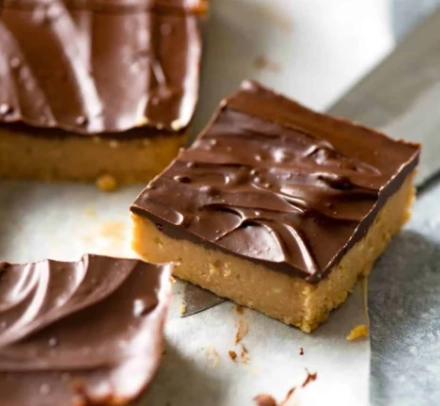
The biggest mistake I see? Using the wrong chocolate form. Chocolate chips are designed to hold their shape, not melt smoothly into a spread. They contain stabilizers. For a silky, professional texture, you need pure chocolate bars (baking chocolate) chopped fine. I prefer a 70% dark chocolate for depth, but milk chocolate works if you want sweeter.
Here's my no-fail process:
- Start with the nuts. Use 2 cups of roasted, unsalted peanuts. Unsalted lets you control the final salt level. Toss them in a food processor. Process for 4-5 minutes until they go from crumbs to a ball to a smooth, runny butter. Scrape down the sides often.
- Melt the chocolate separately. While the peanuts are processing, chop 4 ounces of dark chocolate bar. Melt it gently in a double boiler or in 20-second bursts in the microwave, stirring each time. Let it cool slightly so it's warm, not scalding.
- The crucial merge. With the food processor running on low, slowly drizzle the warm melted chocolate into the peanut butter. Add a pinch of salt and a tablespoon of honey or maple syrup if you like. Process for another full minute. This ensures emulsification.
- Patience. Pour it into a jar. It will be runny. Let it set at room temperature for 2 hours, then refrigerate. It will thicken perfectly.
3 Can't-Miss Chocolate Peanut Butter Recipes
Once you have your spread (homemade or store-bought), here's where the magic happens. These recipes are chosen because they each showcase a different strength of the pairing.
1. The Ultimate No-Bake Energy Bites
This is my weekday lifesaver. They come together in 10 minutes. The key is using old-fashioned oats, not quick oats, for better texture.
Mix 1 cup oats, 1/2 cup chocolate peanut butter, 1/3 cup honey, 1/2 cup ground flaxseed, and a handful of mini chocolate chips. Roll into balls. That's it. No baking. They firm up in the fridge. I keep a container in my bag.
2. Fudgy Chocolate Peanut Butter Swirl Brownies
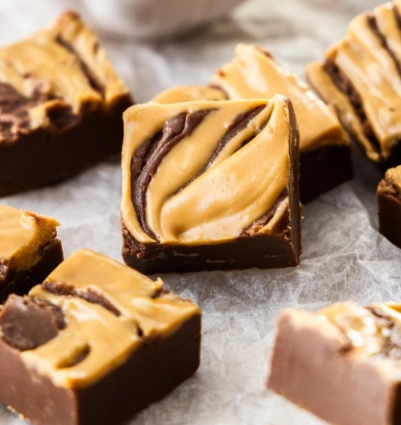
This recipe solves the "swirl sinking" problem. Make your favorite brownie batter (boxed is fine, I won't judge). Pour it into the pan. Drop dollops of chocolate peanut butter on top. Now, take a knife and drag it through the batter and dollops just once in a wide zigzag. Don't over-swirl. Over-swirling mixes it in completely, and you lose the beautiful marbled effect. Bake as directed. You get defined, photogenic swirls every time.
3. The 5-Minute "Blender" Smoothie
For a breakfast that tastes like dessert, this is it. Blend 1 frozen banana, 1 cup milk (dairy or almond), 2 tablespoons chocolate peanut butter, a big handful of spinach (you won't taste it, promise), and a scoop of vanilla protein powder if you have it. The frozen banana makes it creamy and icy. It's shockingly good.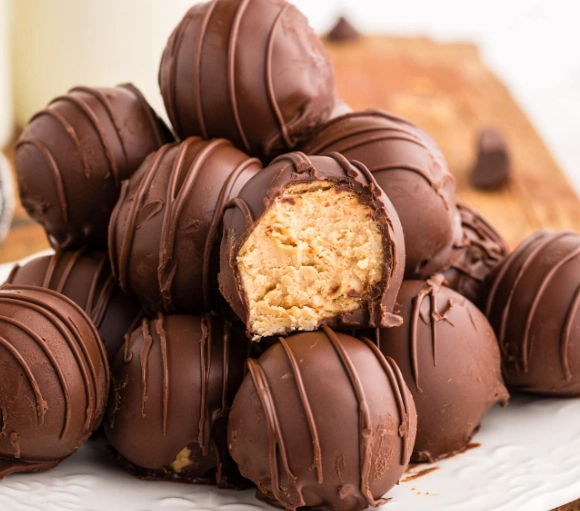
Choosing the Best Chocolate Peanut Butter Brand
The grocery store aisle can be overwhelming. They're not all created equal. Some are cloyingly sweet, some have a weird waxy texture. Based on sheer taste-testing (a tough job), here's a breakdown.
| Brand | Best For | Texture & Taste Notes | Price Point |
|---|---|---|---|
| Reese's | Baking, Nostalgic Flavor | Very smooth, sweet, classic candy-like taste. Consistent for recipes. | $ |
| Justin's | Spreading on Toast, Health-Conscious | Drier, more natural texture. Less sweet, more roasted peanut flavor. Needs stirring. | $$ |
| Jif Chocolate Flavored | Kids, Sweet Spreads | Incredibly smooth and spreadable. Tastes more like frosting—very sweet. | $ |
| Trader Joe's | Value, Everyday Use | Good balance of sweet/salty. Creamy. A solid, no-fuss all-rounder. | $ |
My personal pantry staple is Justin's for everyday spreading. For baking where I want a pronounced, sweet flavor that won't alter the recipe's fat content, I go with Reese's. I find Jif's version too much like cake frosting for my taste, but my niece would disagree violently.
Expert Tips & Common Problems Solved
Here are the subtle things that make a difference, the kind of stuff you learn after a few failed batches.
Problem: Your homemade version is too hard from the fridge.
Solution: This is often due to the type of chocolate. More cocoa butter means a harder set. If you want a spreadable-from-the-fridge product, use a chocolate with a lower cocoa percentage (like milk chocolate) or add an extra tablespoon of a neutral oil (peanut or vegetable) during blending.
Problem: The oil separates in the jar.
Solution: This is natural, especially with natural peanut butters. Just stir it back in. To minimize it, ensure your mixture is fully emulsified by processing long enough after adding the chocolate. A tiny bit of powdered lecithin (a natural emulsifier) can work wonders but isn't necessary.
Flavor Boosters: Don't just stop at chocolate and peanuts. A pinch of flaky sea salt on top of any preparation is transformative. A dash of cinnamon or a drop of almond extract can add a fascinating layer. For adults, a tablespoon of bourbon mixed into a batch of brownie batter with chocolate peanut butter swirls is a game-changer.
Your Chocolate Peanut Butter Questions, Answered
Over the years, I've gotten the same questions from friends and readers. Here are the real, detailed answers you won't find on the back of a jar.
The journey with chocolate and peanut butter never really ends. There's always a new recipe to tweak, a different brand to try, or a personal twist to add. It's a forgiving, rewarding flavor playground. Start with the homemade method I outlined—it demystifies the whole process. Then, go bake those swirl brownies. You won't regret it.
Reader Comments