Let's cut to the chase: unopened peanut butter doesn't go bad in the way milk does, but it can degrade in quality over time. I've seen jars last for years in the back of a pantry, still perfectly safe to eat. But there's a catch—it all depends on storage and the type of peanut butter. If you're like me, you've probably stared at an old jar wondering if it's still good. Here's everything you need to know, backed by food safety guidelines and my own kitchen experiments.
What You'll Learn in This Guide
How Long Does Unopened Peanut Butter Last? The Real Timeline
Most commercial peanut butter comes with a "best by" date, usually 1-2 years from production. But that's not an expiration date. According to the U.S. Department of Agriculture (USDA), shelf-stable foods like peanut butter can remain safe indefinitely if stored properly. I once opened a jar that was three years past its date—it tasted fine, just a bit dry.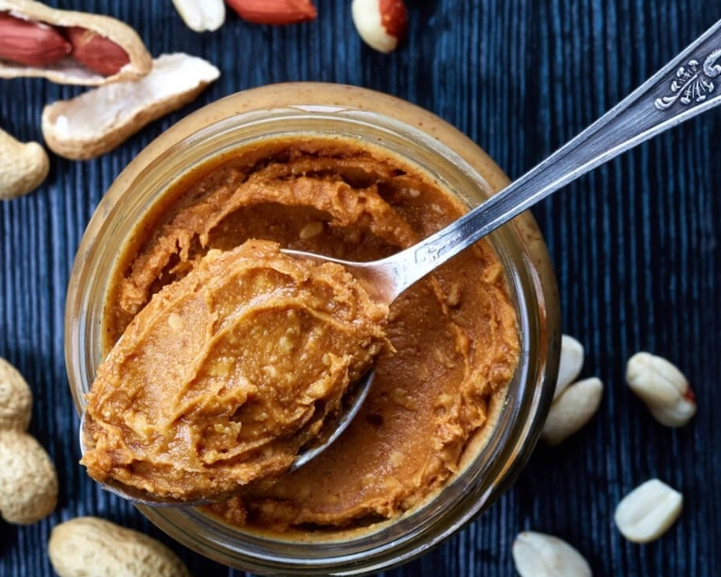
Here's a breakdown based on type:
- Conventional peanut butter (with added preservatives like hydrogenated oils): Can last 2-3 years unopened in a pantry. Brands like Jif or Skippy are designed for longevity.
- Natural peanut butter (just peanuts and salt): Tends to have a shorter shelf life, around 1-2 years unopened, because the oils can separate and oxidize faster.
- Organic or no-stir varieties: Check the label; some use stabilizers to extend life, while others might spoil quicker.
A study by the Food Marketing Institute notes that peanut butter's high oil content acts as a natural preservative, but it's not foolproof. Storage conditions matter more than the printed date.
What Makes Unopened Peanut Butter Spoil? Key Factors Explained
Even unopened, peanut butter isn't immune to degradation. The main culprits are oxidation, moisture, and temperature fluctuations. Let's break it down.
Oxidation: Peanut butter contains oils that can go rancid when exposed to air—yes, even through microscopic gaps in the seal. This process speeds up in warm environments. I learned this the hard way when I stored a jar near a sunny window; it developed a weird, crayon-like smell after a year.
Moisture: If the jar is stored in a humid place, like under a sink, moisture can seep in and promote mold growth. While rare in unopened jars, it's possible if the seal is compromised.
Temperature: Heat accelerates spoilage. The FDA recommends storing peanut butter at room temperature, ideally below 75°F (24°C). Freezing can extend life, but it's unnecessary for unopened jars and might affect texture.
Here's a quick table comparing factors:
| Factor | Effect on Unopened Peanut Butter | Ideal Condition |
|---|---|---|
| Light Exposure | Can cause oils to oxidize faster, leading to off-flavors | Store in a dark pantry or cupboard |
| Humidity | May encourage mold if seal is weak | Keep in a dry area, away from sinks |
| Temperature | High heat speeds up rancidity; cold can harden oils | Room temperature (60-75°F / 15-24°C) |
I've seen people toss jars just because they're old, but that's often wasteful. Check the seal—if it's intact and the jar looks normal, it's probably still good.
How to Spot Bad Peanut Butter: Signs Beyond Obvious Mold
Mold is a clear sign of spoilage, but it's rare in unopened peanut butter due to low moisture. More common are subtle changes that indicate quality loss. Here's what to look for.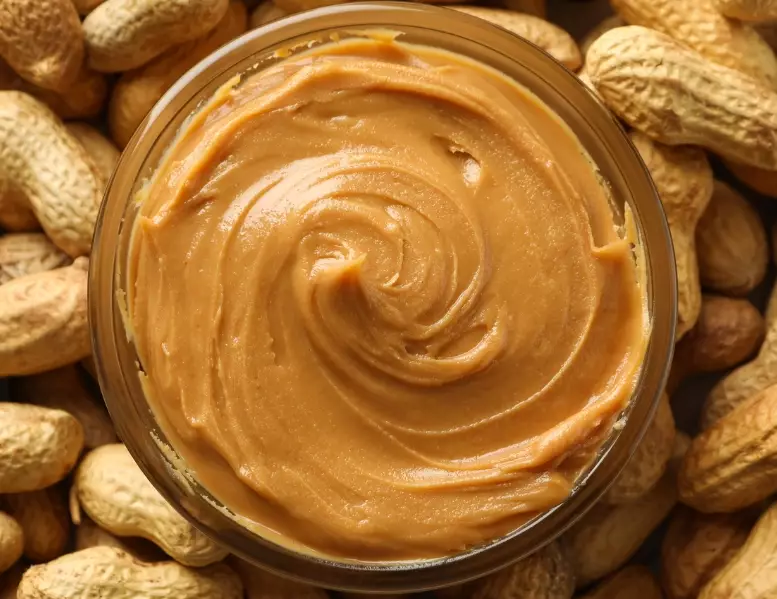
Smell: Fresh peanut butter has a nutty, slightly sweet aroma. If it smells rancid—like old paint, chemicals, or stale oil—it's gone bad. I once sniffed a jar that seemed fine visually, but the odor was off; turns out, the oils had oxidized.
Texture: Natural separation is normal, but if the oil has solidified into a hard layer or the peanut butter feels overly greasy and slimy, it might be spoiled. Conventional peanut butter should remain creamy; if it's rock-hard or has unusual lumps, discard it.
Color: Peanut butter darkens with age due to oxidation. A slight change is okay, but if it turns very dark or has strange spots, it's a red flag.
Jar Integrity: Check for bulging lids or leakage. This could indicate bacterial growth or fermentation, even if unopened. It's uncommon, but I've heard stories from friends who found swollen jars in hot garages.
If in doubt, do a taste test—just a tiny bit. Spoiled peanut butter will taste bitter or sour. But honestly, if it smells bad, don't risk it.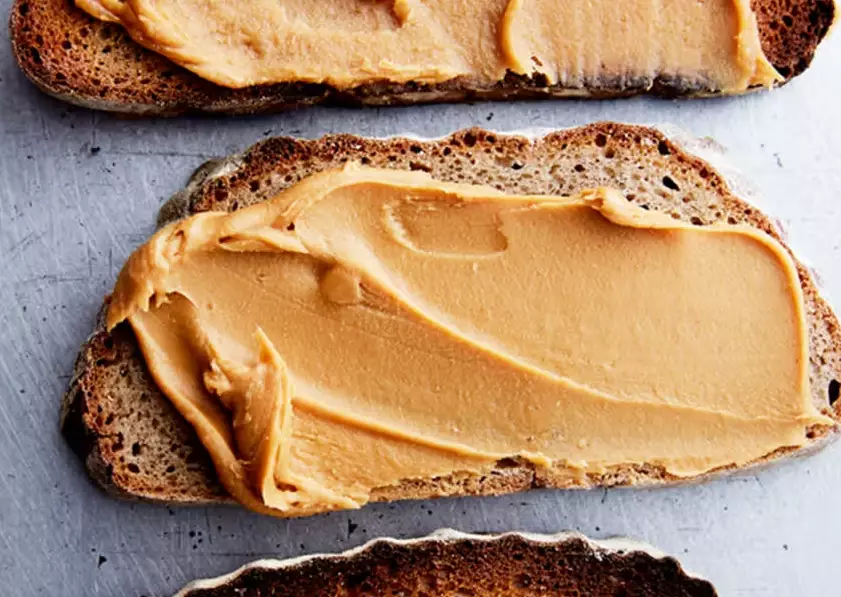
Pro Storage Tips to Keep Unopened Peanut Butter Fresh for Years
Proper storage can make unopened peanut butter last way beyond its best-by date. Here are my tried-and-true methods, honed from years of kitchen mishaps and successes.
Pantry Placement: Store jars in a cool, dark cupboard away from heat sources like ovens or stoves. I keep mine in a basement pantry where temperatures stay consistent. Avoid places with direct sunlight—it's a silent killer for oils.
Seal Check: Before buying, inspect the jar for any cracks or loose lids. Once home, don't stack heavy items on top, as pressure can compromise the seal. I learned this after a can of tomatoes dented a peanut butter jar, letting air in over time.
Temperature Control: If you live in a hot climate, consider a climate-controlled pantry. The USDA suggests that temperatures above 90°F (32°C) can accelerate spoilage. In my Arizona home, I use a pantry cooler to keep things stable.
Rotation: Practice first-in, first-out. When you buy new jars, place them behind older ones. This simple habit prevents forgotten jars from languishing for decades.
Some folks swear by refrigeration, but for unopened jars, it's overkill. Refrigeration can cause the oils to harden, making the peanut butter difficult to spread later. Save the fridge for after opening, especially if you prefer a firmer texture.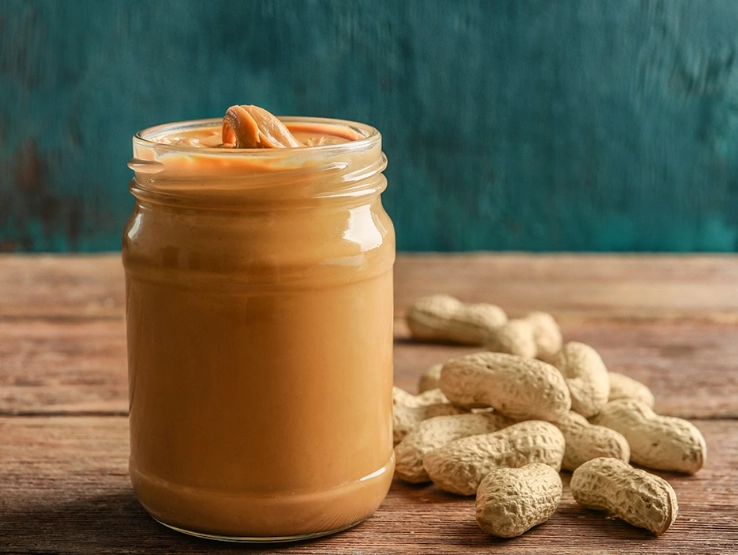
Natural vs. Regular Peanut Butter: A Shelf Life Showdown
Not all peanut butter is created equal when it comes to longevity. Let's compare natural and regular types—this is where most people get confused.
Regular Peanut Butter: This includes brands like Peter Pan or Reese's. They contain added sugars, salt, and stabilizers (like hydrogenated oils) to prevent oil separation. These additives extend shelf life significantly. Unopened, they can last 2-3 years easily. The downside? Some argue the taste is less authentic, but for storage, they're winners.
Natural Peanut Butter: Made with just peanuts and sometimes salt, these jars tend to separate, with oil rising to the top. This separation isn't spoilage—it's natural—but it can lead to faster oxidation if not stored properly. Unopened, they typically last 1-2 years. Brands like Smucker's Natural or Trader Joe's require more attention.
I did a side-by-side test with two jars stored in the same pantry for two years. The regular peanut butter looked and tasted almost new, while the natural one had a slightly off aroma and darker color. The moral? If you're stocking up for emergencies, go with conventional; for daily use, natural is fine if you rotate stock.
Here's a quick tip: For natural peanut butter, if you see excessive oil separation after long storage, give it a stir after opening. If the oil smells rancid, though, toss it.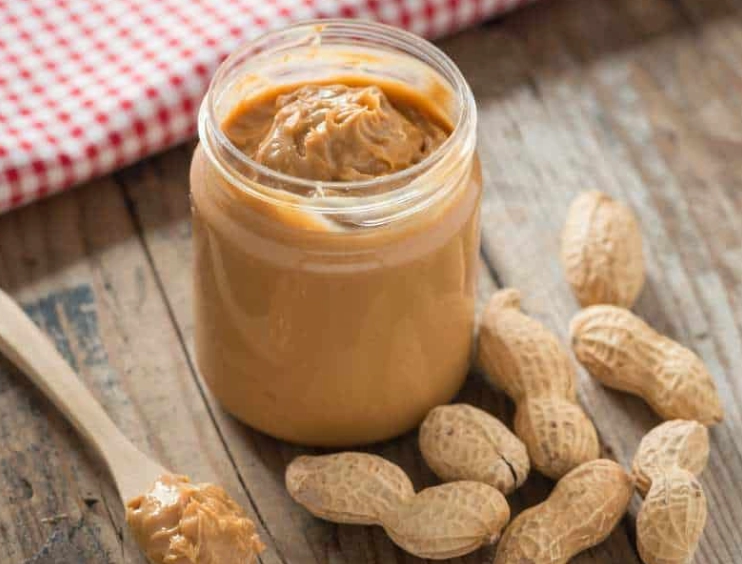
Common Myths About Peanut Butter Expiration Debunked
There's a lot of misinformation out there. Let's clear up some myths I've encountered over the years.
Myth 1: "Best by" means "expires on." False. That date is about peak quality, not safety. The USDA confirms that many shelf-stable foods remain safe long after this date. I've eaten peanut butter months past it with no issues.
Myth 2: Unopened peanut butter never spoils. Not quite. While it's very stable, extreme conditions can cause spoilage. I recall a friend who stored jars in a garage that hit 100°F; they turned rancid within a year.
Myth 3: Refrigeration is necessary for all peanut butter. Nope. For unopened jars, room temperature is best. Refrigeration can lead to texture issues without adding much benefit. Only refrigerate after opening if you go through it slowly.
Myth 4: Oil separation means it's bad. Wrong—it's normal, especially for natural varieties. Just stir it back in. Spoilage is about smell and taste, not separation.
These myths lead to unnecessary waste. Trust your senses and storage practices over hearsay.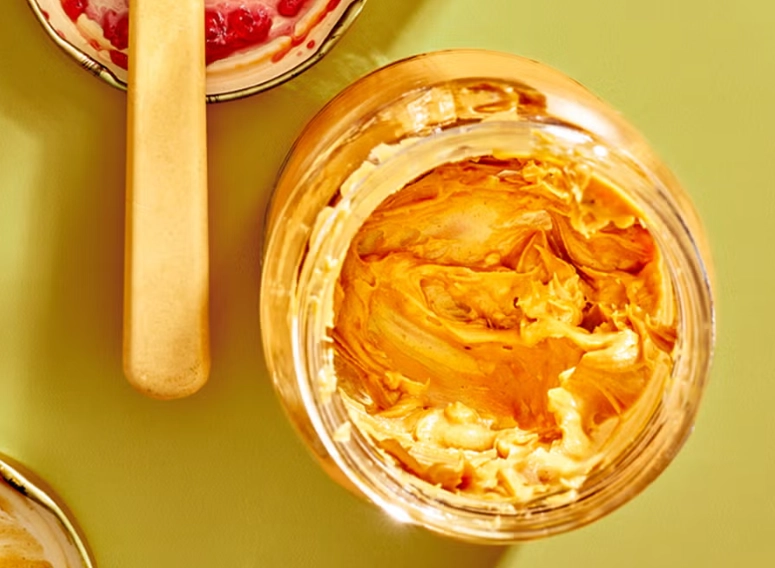
FAQ: Your Top Questions Answered
Remember, peanut butter is a resilient food, but it's not invincible. Use these tips to make informed decisions and reduce waste. If you have more questions, drop a comment—I've been through this with everything from almond butter to tahini!
Reader Comments