Let's be honest. You're here because you love peanut butter, but you're tired of the sugar crash, watching your carbs, or just want to eat cleaner. I get it. I spent years as a fitness coach, and the number one snack question I got was about finding a peanut butter that didn't taste like cardboard but also didn't pack a sugary punch. The "lowest sugar peanut butter" search is more than just a label hunt; it's a mission to find something that fits your health goals without sacrificing flavor. The good news? The options are better than ever, but the marketing is sneakier too. This isn't just a list. It's a deep dive from someone who's tasted the gritty, the oily, and the surprisingly perfect jars out there.
What's Inside This Jar?
Why the Sugar in Your PB Actually Matters
Think about it. You spread two tablespoons on your toast. If your jar has 3g of added sugar per serving, that's nearly a teaspoon of straight sugar you didn't even taste as "sweet." Do that daily, and it adds up, especially if you're managing insulin sensitivity, following a keto or low-carb diet, or just trying to reduce empty calories.
The biggest mistake I see? People swap to "natural" peanut butter thinking it's sugar-free. Many "natural" brands still add sugar, palm oil, and molasses. The term "natural" isn't regulated by the FDA the way you think it is.
A truly low-sugar option gives you control. You decide if you want to add a touch of honey or fruit for sweetness. It lets the roasted, savory flavor of the peanuts shine.
How to Read a Label (Beyond Just the Sugar Number)
Don't just grab the jar with the biggest "LOW SUGAR!" banner. Turn it around. Here's what to scan for, in order:
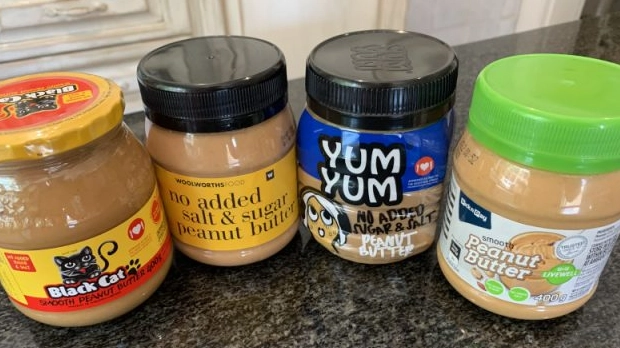
- Ingredients: It should say: "Peanuts, Salt." Maybe "Peanuts." That's the gold standard. If you see "sugar," "cane sugar," "molasses," "dried cane syrup," or "monk fruit extract" (a natural sweetener, but still an addition), you know sugar was added.
- Total Sugars & Added Sugars: The new-ish FDA label is your friend. Look at "Added Sugars." Aim for 0g. The "Total Sugars" will show the 1-2g from the peanuts themselves, which is fine.
- Oil Separation: This is a good sign! If the oil is pooled at the top, it usually means no stabilizers (like hydrogenated oils) were added to keep it perfectly creamy. Just stir it in. No-stir peanut butters almost always contain palm oil or other hard fats.
- Net Carbs: For keto folks, calculate: Total Carbs - Fiber - Sugar Alcohols (if any). Pure peanut butter (just peanuts) has about 3-4g net carbs per serving.
Top 5 Lowest Sugar Peanut Butters, Reviewed & Compared
I've bought, stirred, tasted, and spread these. Here's the real-world breakdown, factoring in taste, texture, price, and availability. Prices are approximate for a 16oz jar.
| Brand & Product | Key Specs (per 2 tbsp) | Taste & Texture Notes | Where to Find / Price | Best For |
|---|---|---|---|---|
| Crazy Richard's 100% Peanuts | Calories: 180, Total Fat: 16g, Total Carbs: 6g, Fiber: 2g, Total Sugars: 1g, Added Sugars: 0g. Ingredients: Peanuts. | This is the purist's choice. Intense, dry-roasted peanut flavor. It's thick, almost paste-like, and requires serious stirring. Not overly creamy. The flavor is robust and savory, not sweet at all. | Walmart, Amazon, some grocery stores. ~$5.50 | Keto/very low-carb dieters, purists who want zero additives. |
| Santa Cruz Organic Dark Roast | Calories: 200, Total Fat: 17g, Total Carbs: 7g, Fiber: 3g, Total Sugars: 1g, Added Sugars: 0g. Ingredients: Organic Dark Roasted Peanuts, Salt. | The dark roast gives it a deeper, almost coffee-like nuttiness that's fantastic. Creamier than Crazy Richard's straight out of the jar. Oil separation is present but manageable. My personal favorite for flavor complexity. | Whole Foods, health food stores, Target. ~$7.00 | Foodies who appreciate a roasted flavor, anyone wanting organic. |
| Smucker's Natural No Sugar Added | Calories: 200, Total Fat: 16g, Total Carbs: 7g, Fiber: 2g, Total Sugars: 2g, Added Sugars: 0g. Ingredients: Peanuts, Salt. | The most "classic" peanut butter taste and texture of the no-sugar-added bunch. Widely available and consistently good. It's smoother and easier to spread than the ultra-purist brands. A safe, reliable bet. | Virtually every supermarket in the US. ~$4.50 | Beginners to low-sugar PB, families, and anyone wanting easy availability. |
| Teddie All Natural Unsalted | Calories: 190, Total Fat: 16g, Total Carbs: 7g, Fiber: 2g, Total Sugars: 2g, Added Sugars: 0g. Ingredients: Peanuts. | A Northeast staple. Gritty, old-school texture that some love and some hate. The unsalted version lets the pure peanut flavor come through. You must stir it vigorously. Has a very honest, unprocessed feel. | Primarily in Northeastern US grocery stores, online. ~$5.00 | People who prefer texture in their PB, those limiting sodium. |
| Justin's Classic Peanut Butter (No Sugar Added) | Calories: 190, Total Fat: 16g, Total Carbs: 7g, Fiber: 2g, Total Sugars: 1g, Added Sugars: 0g. Ingredients: Dry Roasted Peanuts, Palm Oil, Salt. | Controversial pick here. It contains palm oil for no-stir convenience. This makes it incredibly smooth and spreadable straight from the fridge. The flavor is mild and clean. The palm oil is a turn-off for ingredient purists, but the convenience is unmatched. | Costco, Target, most major retailers. ~$6.50 (often cheaper at Costco). | Convenience seekers, those who hate stirring, on-the-go snacks. |
Notice a pattern? The top performers have one or two ingredients. The trade-off is usually between purity (oil separation, stirring) and convenience (added palm oil, smoother texture). There's no single "best," only what's best for your priorities.
How to Use Low-Sugar Peanut Butter Without Getting Bored
Okay, you've got your jar. Now what? If you're used to sweet peanut butter, the savory kick can be an adjustment. Here are ways to make it work:
Savory Applications (Where It Really Shines)
This is the secret most people miss. Low-sugar peanut butter is amazing in savory sauces.
- Thai-style Peanut Sauce: Whisk 1/4 cup low-sugar PB with 2 tbsp soy sauce (or coconut aminos), 1 tbsp lime juice, 1 clove minced garlic, a pinch of ginger, and hot water until pourable. Perfect for salads, noodles, or chicken satay.
- African Peanut Stew Base: Sauté onions, add tomato paste, then stir in a big spoonful of peanut butter before adding broth and sweet potatoes.
- Celery or Apple "Boats": Top with a sprinkle of everything bagel seasoning or chili flakes instead of raisins.
Sweetening It Yourself (The Controlled Way)
You're in charge. Mix a single serving with:
- A drizzle of raw honey or pure maple syrup (you'll use far less than a manufacturer would).
- A mashed ripe banana for a sandwich.
- A scoop of protein powder and a splash of milk for a quick frosting or dip.
The point is flexibility. You're not locked into a pre-set level of sweetness.
Your Burning Questions, Answered
I'm on a keto diet. Is any peanut butter truly keto-friendly, and which one has the lowest net carbs?
My low-sugar peanut butter is dry and crumbly, not creamy. Did I get a bad batch?
Are powdered peanut butters (like PB2) a better low-sugar option than the regular jar?
Is it worth it to make my own lowest sugar peanut butter at home?
Reader Comments