Quick Guide
- Why This Easy Peanut Butter Fudge Recipe Actually Works
- Gathering Your Fudge Arsenal: Ingredients Matter
- The Foolproof Step-by-Step Process
- Leveling Up Your Easy Peanut Butter Fudge
- Troubleshooting: Fixing Fudge Fails
- Storing and Gifting Your Masterpiece
- The Science of Simple: Why This Method is Foolproof
Let's be real for a second. The idea of making fudge can be intimidating. Visions of candy thermometers, precise temperatures, and grainy, failed batches haunt many home bakers. I've been there. I've made the fudge that never set, the one that turned into a sugary brick, and the one that just tasted... off.
But what if I told you there's a path to perfect, creamy peanut butter fudge that bypasses all that anxiety? A method so simple you could do it half-asleep? That's what this easy peanut butter fudge recipe is all about. It's the one I've relied on for years, the one I give to friends who swear they can't cook, and it works. Every. Single. Time.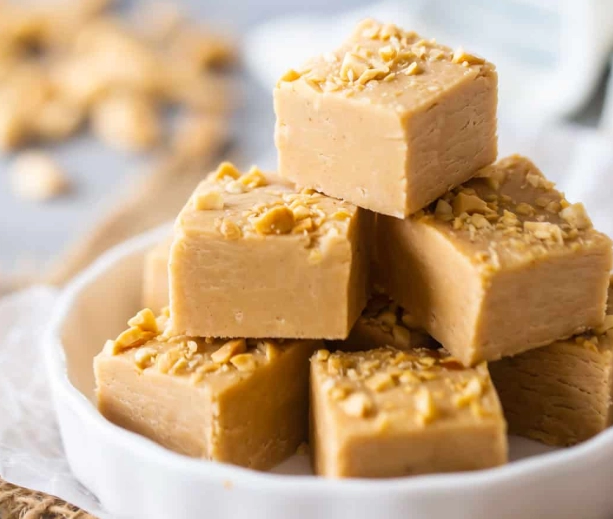
We're talking about a no-bake, 4-ingredient (maybe 5 if you're feeling fancy), 15-minute commitment. No special equipment. Just a bowl, a saucepan, and a burning desire for something sweet and salty.
Why This Easy Peanut Butter Fudge Recipe Actually Works
Most fudge fails happen at the cooking stage. Traditional recipes require you to cook sugar and milk to the soft-ball stage (around 235°F or 113°C). Miss it by a few degrees, and the texture is ruined. This recipe cleverly sidesteps that entire process.
The magic lies in using melted butter and marshmallow creme (or marshmallows). The marshmallow provides structure and that iconic, smooth mouthfeel, while the butter ensures richness. The peanut butter binds it all together and, of course, delivers that unbeatable flavor. It's a cheat code, and I'm totally okay with that. The goal is delicious fudge, not a culinary degree.
My Aha Moment: I first tried this method out of desperation one Christmas Eve when my traditional fudge seized up. This easy peanut butter fudge saved the day (and my holiday spirit). It was so good, my family didn't even ask about the other batch.
Gathering Your Fudge Arsenal: Ingredients Matter
You can't build a great house with bad bricks, and you can't make great fudge with subpar ingredients. Here's the breakdown of what you need and why each component is crucial.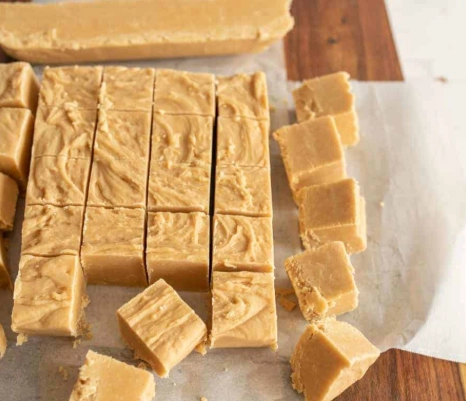
The Non-Negotiables
Peanut Butter: This is the star. Use a standard, shelf-stable creamy peanut butter like Jif or Skippy. The oil separation in natural peanut butters can make your fudge greasy and prevent it from setting properly. Trust me on this—save the all-natural stuff for your toast. For this easy peanut butter fudge recipe, consistency is key.
Butter: Real, salted butter. Unsalted works, but salted butter enhances the sweet-and-salty profile beautifully. Margarine or spreads won't set the same way.
Vanilla Extract: Pure vanilla extract makes a noticeable difference over imitation. It rounds out the flavors.
The Sweet Foundation
Confectioners' Sugar (Powdered Sugar): This is pre-crushed, super-fine sugar. It dissolves instantly, which is why we don't need to cook it. Using granulated sugar will result in a gritty texture.
Marshmallow Creme: The secret weapon. A 7-ounce jar is standard. It gives the fudge body and that classic, melt-in-your-mouth quality. You can find it in the baking aisle near the chocolate chips. If you can't find it, mini marshmallows (about 1.5 cups) melted with the butter work as a substitute, though the texture is slightly different.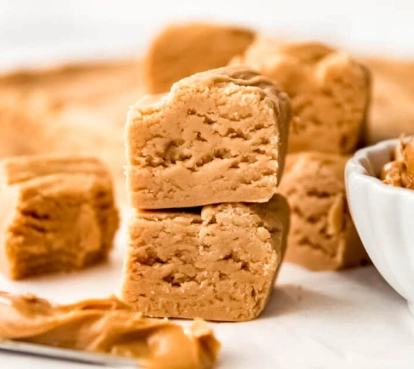
| Ingredient | Role in the Fudge | What Happens If You Substitute? |
|---|---|---|
| Creamy Peanut Butter (not natural) | Primary flavor, fat source, binding agent | Natural PB = oily, may not set. Crunchy PB = textured fudge (still good!). |
| Salted Butter | Richness, smooth texture, helps with setting | Margarine = waxy mouthfeel, poor setting. |
| Confectioners' Sugar | Sweetness, structure (with cornstarch), no grit | Granulated Sugar = gritty, sandy texture. |
| Marshmallow Creme | Provides structure, creamy & smooth mouthfeel | Mini Marshmallows = works, but may be slightly chewier. |
| Vanilla Extract | Flavor enhancer, rounds out sweetness | Can be omitted, but flavor will be one-dimensional. |
See? Simple stuff. You probably have most of it already.
The Foolproof Step-by-Step Process
Here's where we make the magic happen. Read through once, then just do it. It's harder to mess this up than to get it right.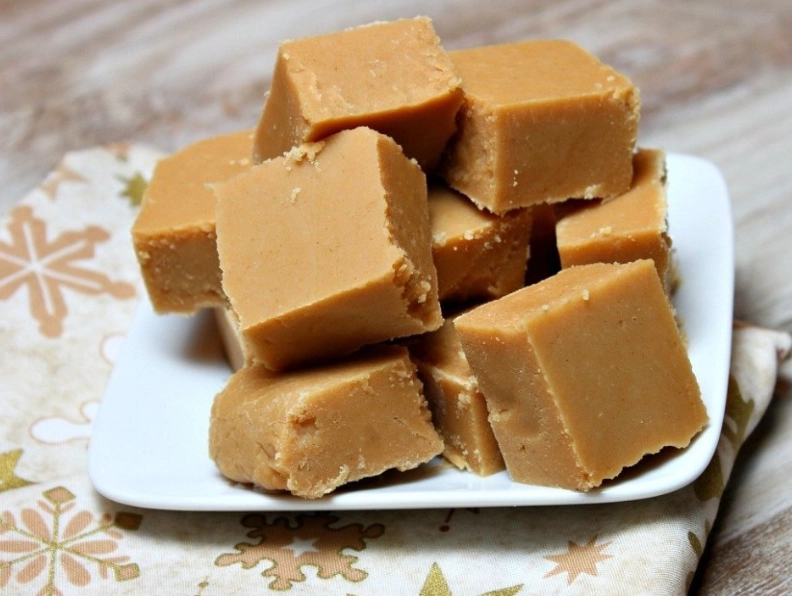
Step 1: Prep is Everything
Line an 8x8 inch baking pan with parchment paper, letting the edges hang over the sides. This is your "slingshot" for removing the fudge later. Don't skip it. Greasing the pan isn't as effective, and you'll struggle to get clean squares. Lightly butter the parchment if you're paranoid about sticking (I usually am).
Measure out all your ingredients before you start. This is called mise en place, and it prevents that frantic, sugar-spilling scramble when the butter is melting.
Step 2: The Meltdown (The Good Kind)
In a medium saucepan over low heat, melt the butter. Once it's just melted, add the entire jar of marshmallow creme. Stir constantly until the mixture is smooth, fluid, and completely combined. This should only take 2-3 minutes. You're not boiling it, just warming and marrying the two.
Low heat is crucial here. Patience, young fudge padawan.
Step 3: The Big Mix
Remove the saucepan from the heat. Immediately add the peanut butter and vanilla extract. Stir like your dessert dreams depend on it until the peanut butter is fully melted and the mixture is uniform. It will be gloriously glossy.
Now, gradually add the confectioners' sugar. I add it in about three batches, stirring vigorously after each addition. The first batch will incorporate easily. The last batch will require some muscle. You're aiming for a thick, cohesive dough that pulls away from the sides of the pan. If it seems too thick to stir, you've done it right. (If it's genuinely impossible to stir, a splash of milk—like a teaspoon—can help, but I've rarely needed it.)
Common Stumbling Block: Undermixing. If you don't mix the sugar in thoroughly, you'll get pockets of dry sugar in your finished fudge. It's a texture nightmare. Spend the extra 60 seconds here. Your arms will forgive you later.
Step 4: Set It and Forget It
Scrape the thick fudge mixture into your prepared pan. Now, you have options. You can press it in with a spatula, but I find clean, lightly buttered hands are the best tool. Press it firmly and evenly into all corners.
Let it cool at room temperature for about an hour, then cover it and pop it in the refrigerator for at least 2-3 hours to set completely. Overnight is even better. This chilling step is non-negotiable for clean cuts.
And that's it. You've just made a pan of incredibly easy peanut butter fudge.
Leveling Up Your Easy Peanut Butter Fudge
The basic recipe is a blank, delicious canvas. Once you've mastered it, try these twists.
- Chocolate Swirl: Melt 1/2 cup of chocolate chips with a teaspoon of butter. Drop spoonfuls onto the pressed fudge and swirl with a knife.
- Crunch Time: Press chopped peanuts, pretzel pieces, or even crumbled bacon on top before it sets.
- Cookie Fusion: Fold in 1/2 cup of crushed Oreos or Nutter Butters with the last addition of sugar.
- Flavor Infusion: Add a pinch of espresso powder to enhance the peanut flavor, or swap vanilla for almond extract.
My personal favorite is a dark chocolate sea salt version. I swirl in the dark chocolate and then sprinkle flaky sea salt on top. The contrast is unreal.
Troubleshooting: Fixing Fudge Fails
Even with this simple method, things can sometimes go sideways. Here's how to diagnose and fix common issues.
Fudge is too soft/won't set: This is the most common panic. First, did you chill it long enough? It needs a solid 3 hours in the fridge. If it's still soft, the most likely culprit is inaccurate measuring, especially with the sugar. Too much peanut butter or butter relative to the sugar can prevent setting. The fix? Unfortunately, there's no great fix for a large batch. You can try re-melting it and adding more sifted confectioners' sugar, but it's finicky. Consider using your soft batch as an ice cream topping—it's delicious!
Fudge is too hard/crumbly: You likely over-measured the sugar or mixed it too vigorously, incorporating too much air. Next time, spoon your confectioners' sugar into the measuring cup and level it off; don't pack it down.
Fudge is greasy: You almost certainly used a natural peanut butter where the oil separates. Or, you may have overheated the butter/marshmallow mixture, causing the fats to break. Stick to conventional creamy peanut butter for this easy peanut butter fudge recipe.
Getting a grainy texture: Your confectioners' sugar was lumpy. Always sift it before adding, especially if it's been in the pantry for a while. The cornstarch in it can form hard lumps.
Storing and Gifting Your Masterpiece
Proper storage keeps your fudge tasting fresh for weeks.
- Room Temperature: In an airtight container, it's good for about a week. I find the texture is actually best after a day or two at cool room temp.
- Refrigerator: This is my preferred method. It keeps for 2-3 weeks in an airtight container. Let pieces sit out for 10 minutes before serving to soften slightly.
- Freezer: Yes, you can freeze it! Wrap the whole block or individual pieces tightly in plastic wrap, then place in a freezer bag. It keeps for up to 3 months. Thaw in the refrigerator overnight.
For gifting, I love using small cardboard candy boxes with tissue paper. A stack of fudge squares, maybe with a little parchment paper between layers, looks professional and thoughtful. It's a fantastic holiday or hostess gift. This no bake peanut butter fudge is my most-requested treat for cookie exchanges because it's so different from the usual array of cookies.
Your Easy Peanut Butter Fudge Questions, Answered
The Science of Simple: Why This Method is Foolproof
Ever wonder why this works when old-fashioned recipes are so finicky? It's all about sugar crystallization. Traditional fudge requires controlling the formation of tiny sugar crystals for a smooth texture. Too many crystals = grainy. Our recipe uses confectioners' sugar, which is already pulverized into micro-crystals and coated with cornstarch to prevent clumping. The marshmallow creme (made of sugar, corn syrup, and egg whites) interferes with crystal formation, guaranteeing smoothness. The fat from the peanut butter and butter further coats the sugar particles. It's a perfect storm of anti-crystallization, engineered for success. For a deep dive into the food science of sweets, resources from institutions like the Institute of Food Technologists can be fascinating.
And let's talk about peanuts themselves. They're not even nuts; they're legumes! The National Peanut Board has great info on peanut farming and varieties. Using a standard peanut butter gives you a consistent blend of peanuts, sugar, salt, and stabilizers—exactly what this recipe needs for predictable results.
So there you have it.
From a hesitant beginner to a confident fudge-maker, all in the time it takes to watch a sitcom. This easy peanut butter fudge recipe demystifies the process and delivers a classic treat with minimal fuss. It's the recipe I wish I had years ago. It's reliable, customizable, and overwhelmingly delicious.
Go grab that jar of peanut butter. Your new favorite dessert is waiting.
Reader Comments