Your Quick Guide
Let's be honest. The last time you picked up a jar of peanut butter at the store, you probably turned it around and spent a good minute squinting at the ingredient list. Vegetable oils you can't pronounce, sugar hiding under different names, maybe even some mysterious "emulsifiers" to keep it all from separating. It's enough to make you lose your appetite.
I was there too. A lifelong peanut butter fan, but increasingly annoyed by the choices. The "natural" ones were often gritty or crazy expensive. The creamy ones were full of junk. So I started making my own. And guess what? It's laughably easy. The hardest part is waiting for the food processor to do its thing. This isn't just another natural peanut butter recipe. This is your ticket to never buying the over-processed, sugary stuff again. We'll walk through every single step, tackle every "what if," and you'll end up with a jar of pure, customizable goodness.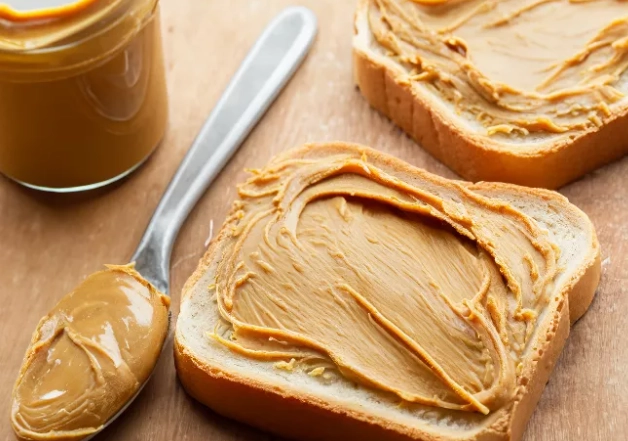
Why Bother Making Your Own? The Store-Bought Truth
You might think you're saving time by grabbing a jar off the shelf. But what are you actually getting? I decided to do a deep dive, and the differences are stark. Making your own natural peanut butter puts you in complete control. No more guessing games.
Let's break it down with a simple comparison. This table shows what you're typically up against.
| Aspect | Homemade Natural Peanut Butter | Typical Commercial "Natural" Peanut Butter | Standard Commercial Peanut Butter |
|---|---|---|---|
| Primary Ingredients | Peanuts. (Optional: pinch of salt, drizzle of honey). | Peanuts, salt, palm oil (or other stabilizers). | Peanuts, sugar, hydrogenated vegetable oils (soy, cottonseed), salt, molasses. |
| Control Over Texture | Complete. You decide: super creamy, chunky, or somewhere in between. | Limited. Usually one texture option per brand. | None. Ultra-processed to be uniformly spreadable straight from the fridge. |
| Added Sugars | Zero, unless you choose to add a natural sweetener. | Often none, but check labels for evaporated cane juice etc. | High. Sugar is often the second ingredient after peanuts. |
| Cost per Batch | Significantly lower. A 16oz jar costs about half the price of a premium natural brand. | High. You pay a premium for the "natural" label and branding. | Low to medium, but you're paying for cheap fillers, not quality peanuts. |
| Oil Separation | Natural and expected. A quick stir fixes it. | Minimal due to added stabilizers like palm oil. | None due to hydrogenated oils (trans fats). |
| Freshness & Taste | Incredibly fresh, robust roasted peanut flavor. | Good, but can sometimes taste stale or bland. | Overwhelmingly sweet, masking the actual peanut taste. |
See what I mean? When you follow a true natural peanut butter recipe, you're not just avoiding junk. You're getting a superior product. The flavor is brighter, more... peanutty. It tastes like food, not a science project. And the cost savings add up fast, especially if you eat a lot of it.
Some folks worry about the oil separation. Honestly, I've come to see it as a badge of honor. No weird chemicals holding my food together. Just a quick stir with a knife when I open the jar. It takes five seconds.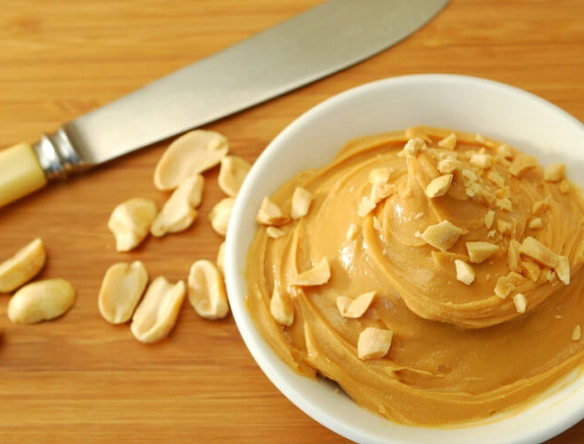
What You'll Need: It's Simpler Than You Think
The Star: Choosing Your Peanuts
This is where your journey begins. The peanut is the entire show, so picking good ones matters. You have two main paths: raw or roasted.
Dry-Roasted, Unsalted Peanuts: This is my go-to, and I'd recommend it for your first try. They're already perfectly toasted, which brings out their natural oils and flavor. The "unsalted" part is key—it lets you control the salt level later. You can find these in the bulk bins or the snack aisle of most grocery stores.
Raw Peanuts: The purist's choice. You'll need to roast them yourself in the oven (350°F/175°C for 10-15 minutes, shaking once, until fragrant). This gives you maximum control over roast level—lighter for a milder butter, darker for a deeper, almost coffee-like note. It's an extra step, but fun if you're into that.
A quick word on varieties. Runner peanuts are the standard, and they make a great, classic butter. Valencia peanuts are often sweeter. Spanish peanuts have a higher oil content and a stronger "nutty" flavor that some people love (and others find too intense). For your first natural peanut butter recipe, just grab a bag of dry-roasted runners. You can't go wrong.
The Supporting Cast: Salt, Oil, and Sweeteners
Here's the beautiful part: these are all optional. Your base recipe is just peanuts.
- Salt: A tiny pinch of fine sea salt or kosher salt (about 1/8 to 1/4 teaspoon per 2 cups of peanuts) enhances the peanut flavor tremendously. It's not about making it salty, but about making it taste more like peanuts. Try a batch without, then add a pinch to the next one. You'll see.
- Oil: You don't need it. Really. The peanuts have plenty of their own oil. Adding extra (like peanut oil or a neutral coconut oil) can make the final product too runny or alter the taste. The only time I'd consider it is if my food processor is struggling and the peanuts are too dry—a tiny drizzle can help get things moving.
- Sweeteners: If you have a sweet tooth, a teaspoon of honey, maple syrup, or even a pitted date or two blended in can be lovely. But try it plain first. You might find the natural sweetness of the roasted peanuts is enough.
The Workhorse: Your Equipment
You need a machine that can grind nuts into a paste. That's non-negotiable.
The Champion: A Food Processor. This is the ideal tool. It has a wide, shallow bowl that lets the peanuts circulate and break down evenly. A decent 7-cup or larger model will handle this job in minutes. I use my Cuisinart, and it's never failed me.
The Understudy: A High-Powered Blender. A Vitamix or Blendtec can work, but it's trickier. You need to use the tamper constantly to push the peanuts into the blades, and you'll likely have to stop and scrape down the sides more often. It can make a super-smooth butter, but it's a more involved process.
Not Recommended: A small, low-wattage blender or a magic bullet-style mixer. They'll likely overheat or burn out their motor before the peanuts turn to butter. Trust me, I killed a cheap blender trying this years ago. Not a proud moment.
Other than that, you just need a spatula, a jar for storage (a clean, old peanut butter jar is perfect), and maybe a little patience.
The Foolproof, Step-by-Step Natural Peanut Butter Recipe
Alright, let's get to it. This is the core method. Print this out, stick it on your fridge, and you'll have it memorized after one try.
2 cups (about 300g) dry-roasted, unsalted peanuts.
Pinch of salt (optional, but recommended).
That. Is. All.
Step 1: Load Up. Dump your 2 cups of peanuts into the bowl of your food processor. If you're adding salt, add it now so it gets evenly distributed.
Step 2: Process to Crumbs. Secure the lid and turn it on. In the first minute, the peanuts will go from whole nuts, to coarse crumbs, to a fine, powdery meal. It will look like damp sand. This is normal.
Step 3: The Magic Phase. Keep processing. After another minute or so, the powder will start clumping together into a ball. It might look like it's never going to become smooth. This is the critical point—don't stop! Let the machine run. The friction and the continuous processing will start to release the oils from the peanuts.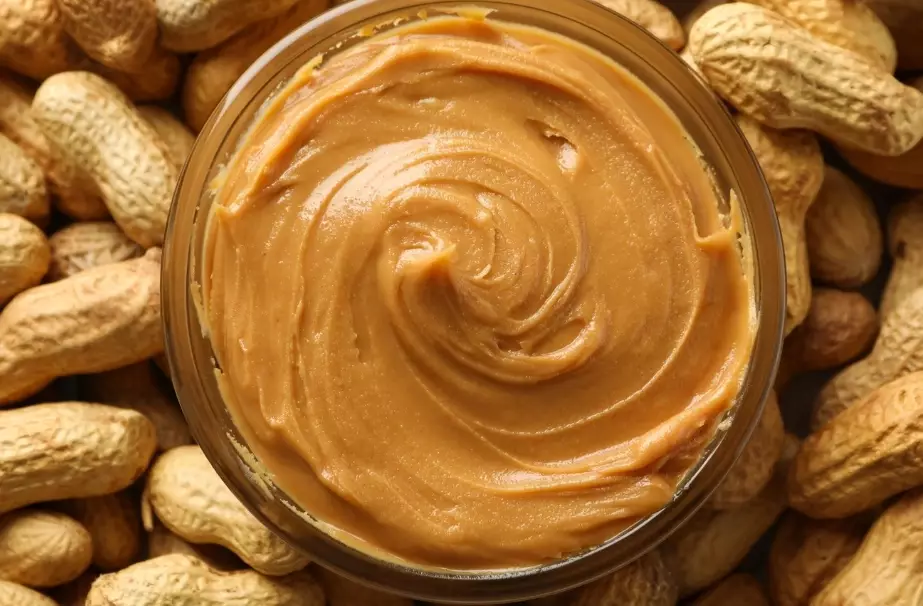
Step 4: Transformation. Suddenly, the big ball will collapse into a thick, gritty paste. Scrape down the sides of the bowl with your spatula. Process again. Now it will begin to smooth out. Keep going. After a total of 3 to 5 minutes of processing (depending on your machine's power), you'll see it become glossy and liquid. It will stream off the blade. That's it. You have peanut butter.
Step 5: Customize & Store. Taste it. Want it sweeter? Add your honey or maple syrup and pulse a few times to combine. Prefer it chunkier? Remove half the smooth butter, add a handful of extra peanuts to the processor, pulse 3-4 times to chop them coarsely, then stir them back into the reserved smooth butter. Scoop it all into your clean jar. It will be slightly warm and runny from the processing, but it will thicken as it cools.
And that's the whole natural peanut butter recipe. From nuts to spreadable butter in under 10 minutes, most of which is hands-off time.
Solving Every Problem You Might Encounter
I've made dozens of batches. I've had failures. Here are the solutions to every issue I've faced or heard about from friends who tried my recipe.
"My peanut butter is too dry/crumbly and won't become smooth."
This usually means your peanuts were a bit stale or naturally lower in oil. Don't panic. With the processor running, drizzle in a very small amount of neutral oil—like peanut oil or a light-tasting coconut oil. Start with 1/4 teaspoon, let it incorporate for 30 seconds, and check the consistency. Repeat only if necessary. Usually, a tiny bit is all it takes to get the emulsion going.
"It's too runny!"
This happens if you added too much oil or if the butter is still warm. Just pop the sealed jar in the fridge. It will firm up significantly as it chills. For future batches, hold back on any added oil.
"The oil separates like crazy in the jar."
This is 100% natural and a sign you made it right. The peanut oil rises to the top. To minimize it, store the jar upside down for the first few hours after making it, then flip it right-side-up. This helps distribute the oil. When you're ready to use it, just stir it back in with a knife or a narrow spatula. If you hate stirring, you can store it in the fridge—the cold keeps the oil solid—but it will be much stiffer and less spreadable.
"It doesn't taste as peanutty as I hoped."
Two fixes. First, try a darker roast next time. Roasting develops flavor. Second, that pinch of salt I mentioned? It's a flavor enhancer, not just a seasoning. It literally makes the peanut flavor pop on your tongue. Try adding a tiny bit to your current batch and stirring it in well.
"My food processor is getting really hot and smoking a little."
Stop immediately. You're pushing it too hard, likely with an underpowered machine. Let it cool down completely. For your next batch, process in smaller increments—one cup at a time—pulsing more and running the motor for shorter bursts to prevent overheating.
Nutrition, Storage, and Making It Your Own
So what are you eating? The beauty of controlling the ingredients is knowing exactly what's in your food.
Homemade natural peanut butter is a fantastic source of plant-based protein, healthy monounsaturated fats (the good kind), fiber, and essential vitamins and minerals like Vitamin E, magnesium, and potassium. Because you're not adding sugar or hydrogenated fats, it's a much cleaner energy source. The U.S. Department of Agriculture's FoodData Central database is a great resource if you want to dive deep into the nutritional profile of peanuts themselves.
Storage is simple: Keep it in a sealed jar in your pantry for up to 2-3 weeks. The natural oils can go rancid at room temperature over a long period. For longer storage (up to 3 months), the refrigerator is your friend. Just remember to let it sit out for 15 minutes before you want to use it, or use a butter knife that's been run under hot water to make spreading easier.
Now for the fun part: variations. Once you've mastered the basic natural peanut butter recipe, the world is your oyster.
- Honey Cinnamon: Add 1 tbsp honey and 1 tsp cinnamon with the peanuts.
- Spicy Kick: Add 1/2 tsp cayenne pepper or a few twists of black pepper for a grown-up, sophisticated twist.
- Chocolate Dream: Add 2 tbsp unsweetened cocoa powder and 1 tbsp maple syrup. It's like a healthy Nutella.
- Mixed Nut Butter: Replace half the peanuts with almonds, cashews, or pecans for a different flavor profile.
The point is, it's yours. You make the rules now.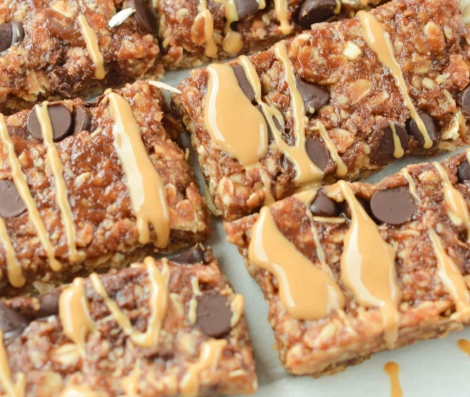
Common Questions Before You Start
So there you have it.
Everything you could possibly need to know to ditch the store-bought jar for good. From choosing your peanuts to troubleshooting a stubborn batch, this guide aims to be the only resource you'll need. Making your own natural peanut butter isn't a fancy chef's trick. It's a simple, empowering act of knowing exactly what you're eating. You get better flavor, better nutrition, and save money. The only thing you're losing is a list of unpronounceable ingredients.
Give it one try this weekend. I promise, once you taste that first spoonful of your own freshly made, warm, creamy peanut butter, you'll never look at the grocery aisle the same way again.
Reader Comments