Quick Guide
Let's be honest. The classic peanut butter cookie is a masterpiece of simplicity and comfort. That crosshatch pattern, that rich, nutty smell filling the kitchen... it's pure happiness. But then you look at the recipe, and it's often just a vehicle for cups of sugar and sticks of butter. You start wondering, can I have my cookie and eat it too, without the side of guilt? The answer is a resounding yes. That's where the quest for the perfect healthy peanut butter cookies begins.
I've been down this road myself. I love baking, but I also try to be mindful about what goes into my body (and my family's). The first few batches of my "healthy" versions were, well, disappointments. Some were dry as sawdust. Others spread into one giant, flat cookie-sheet blob. It was frustrating. But after a lot of tweaking, testing, and yes, a few more failures, I cracked the code. This isn't about deprivation. It's about making a cookie that's genuinely satisfying, packed with better ingredients, and still delivers on that classic peanut butter cookie promise.
So, what makes a peanut butter cookie "healthy"? It's not one magic ingredient. It's a shift in philosophy. We're talking about using whole, nutrient-dense foods, cutting back on refined sugars, and often incorporating ingredients that add fiber or protein. The goal is a treat that nourishes you a bit, rather than just giving you a sugar crash an hour later.
A quick confession: I don't believe in "healthifying" a recipe to the point where it loses its soul. If a healthy peanut butter cookie doesn't taste like a proper cookie, what's the point? The recipe and tips I'm sharing here have passed the ultimate test: my non-health-foodie friends and family gobbling them up without a single question about what's "in" them. That's the real win.
The Building Blocks of a Truly Healthy Peanut Butter Cookie
Getting these cookies right starts long before you preheat the oven. It starts in the grocery aisle. Choosing the right ingredients is 80% of the battle. Let's break down the core components.
The Star: Choosing Your Peanut Butter Wisely
This is the most important decision. The peanut butter can make or break your healthy peanut butter cookies. Walk down the nut butter aisle and you're bombarded with options. Here's the lowdown:
The Gold Standard: Look for jars where the ingredients list says: "Peanuts, salt." That's it. Sometimes it might just say "Peanuts." This is natural peanut butter. The oil separates, you have to stir it, and it's the purest form. It has no added sugars, hydrogenated oils (trans fats), or palm oil. It gives you control over the fat and sugar in your recipe. The U.S. Department of Agriculture provides great resources on the basic nutritional profile of peanuts and peanut butter, which is a good baseline to understand what you're working with.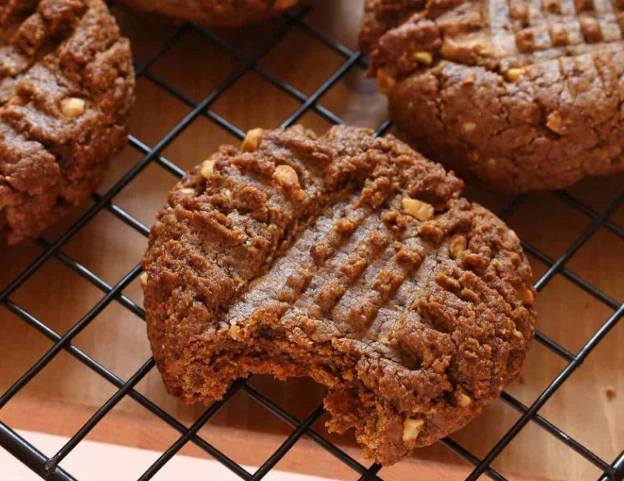
The Convenience Option (Use with Caution): "No-stir" or commercial peanut butters. These are homogenized to prevent oil separation, often using fully hydrogenated oils (which are technically trans-fat free but still highly processed) or palm oil. They almost always contain added sugar. If you use these, your dough will be sweeter and oilier. You'll likely need to reduce other fats and sugars in your recipe. Personally, I avoid them for baking because they add variables I don't want.
A word on texture: Creamy vs. crunchy is purely preference. Crunchy will give your cookies little peanut bits, which I love for texture. Creamy makes for a smoother, more uniform cookie. For the most reliable results in a healthy peanut butter cookie recipe, I usually recommend creamy natural peanut butter, well-stirred.
Pro Tip: When you open a new jar of natural peanut butter, stir the oil in thoroughly. For really stubborn ones, I sometimes store the jar upside down for a day before opening. Once mixed, you can store it in the fridge to prevent re-separation, but let it come to room temperature before baking so it's easy to mix.
Sweeteners: Moving Beyond White Sugar
This is where you can get creative. Refined white sugar offers zero nutritional value. Swapping it out is a key step in creating healthier cookies.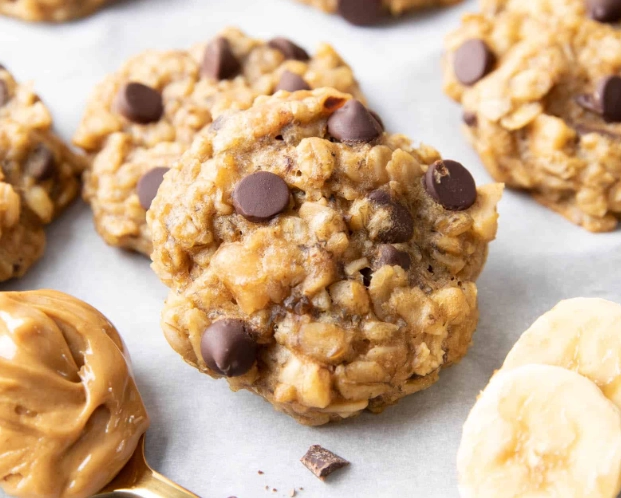
| Sweetener | Best For... | Things to Watch | My Take |
|---|---|---|---|
| Pure Maple Syrup | Adding moisture and a rich, caramel-like flavor. Cookies will be softer and chewier. | It's a liquid, so you must reduce other liquids. Can make dough sticky. | My top choice for flavor. Makes a wonderfully soft cookie. |
| Raw Honey | A floral sweetness. Also yields a soft, moist cookie. | Strong flavor can overpower peanut butter. Also a liquid. | Great if you love honey. Use a mild variety. |
| Coconut Sugar | Mimicking brown sugar's texture and molasses notes. It's granulated, so it behaves like regular sugar. | Has a distinct caramel/toffee taste. Not as sweet as white sugar. | My go-to for a classic cookie texture without refined sugar. |
| Mashed Banana or Applesauce | Natural sweetness and incredible moisture. Can replace some fat and sugar. | Adds a fruity flavor. Can make cookies cakey if overused. | Perfect for ultra-moist, kid-friendly cookies. Start with 1/4 cup. |
You can mix and match! I often use a base of coconut sugar for structure and a tablespoon or two of maple syrup for chewiness. Remember, the goal isn't to make a sugar-free cookie (unless that's your specific need), but to use sugars that come with some minerals and a lower glycemic impact. Resources like those from the Harvard T.H. Chan School of Public Health often discuss the metabolic differences between refined sugars and more natural sources, which is the principle we're applying here.
Flours & Binders: The Structure Squad
All-purpose flour works, but why not add nutrients? Here are some swaps I use:
- Whole Wheat Pastry Flour: My absolute favorite. It's made from soft wheat, so it has all the fiber and nutrients of whole wheat but a much finer texture, perfect for tender cookies. It doesn't make them dense or gritty.
- Oat Flour: You can buy it or make it by grinding rolled oats in a blender until fine. It adds a lovely, wholesome flavor and makes cookies extra soft. It lacks gluten, so I often use half oat flour, half all-purpose or whole wheat pastry.
- Almond Flour: Adds protein, healthy fats, and a rich, nutty flavor. It's gluten-free and very moist, so recipes need adjustment. It can make cookies delicate.
And what about the egg? It's a crucial binder. For a vegan version, a "flax egg" (1 tbsp ground flaxseed mixed with 2.5 tbsp water, left to gel for 5 mins) works surprisingly well in peanut butter cookies, as the peanut butter itself is already a great binder.
The Foolproof, Flexible Base Recipe
Alright, let's get to it. This is my workhorse recipe for healthy peanut butter cookies. It's simple, forgiving, and a fantastic canvas for your own ideas.
Classic Chewy Healthy Peanut Butter Cookies
Makes about 18 cookies
Dry Ingredients:
1 cup whole wheat pastry flour (or ½ cup all-purpose + ½ cup oat flour)
½ tsp baking soda
¼ tsp fine sea salt
Wet Ingredients:
¾ cup natural creamy peanut butter, well-stirred (at room temp)
½ cup coconut sugar (or packed brown sugar if you prefer)
¼ cup pure maple syrup
1 large egg (or 1 flax egg for vegan)
1 tsp vanilla extract
Instructions:
- Prep: Preheat your oven to 350°F (175°C). Line a baking sheet with parchment paper. No need to grease it.
- Mix Dry: In a medium bowl, whisk together the flour(s), baking soda, and salt. Just combine them evenly.
- Mix Wet: In a larger bowl, combine the peanut butter, coconut sugar, maple syrup, egg, and vanilla. Use a sturdy spoon or spatula. It will look a bit separated at first, but keep mixing until it's smooth and cohesive. Don't use an electric mixer here—it's overkill and can make the dough oily.
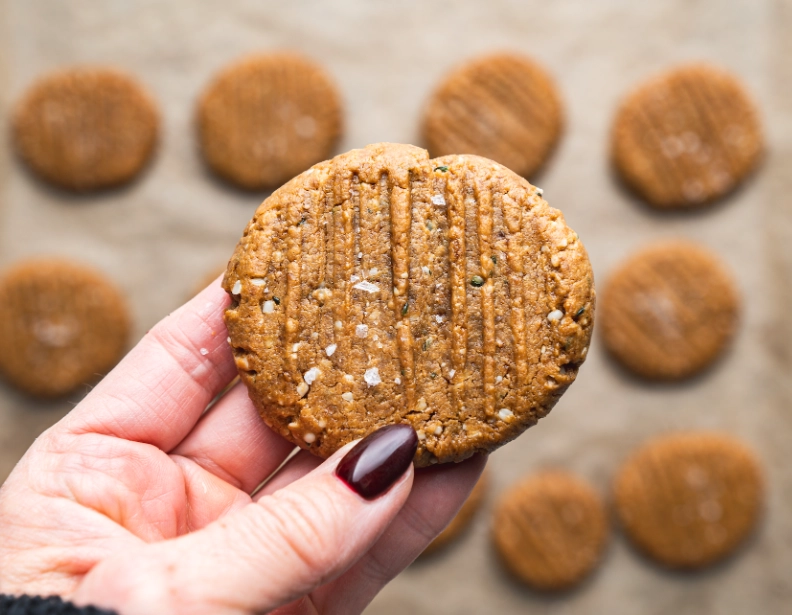
- Combine: Add the dry ingredients to the wet. Stir gently but firmly until just combined. You'll have a thick, slightly sticky dough. If it feels too wet to handle, you can chill it for 20-30 minutes. But often, I just go for it.
- Shape: Scoop about 1 tablespoon of dough per cookie. Roll into a ball between your palms. Place on the baking sheet, leaving about 2 inches between them. They don't spread a crazy amount. Use a fork to press a classic criss-cross pattern into the top. Dip the fork in a little water or flour between presses to prevent sticking.
- Bake: Bake for 9-11 minutes. This is critical. They will look underdone when you take them out. The edges will be just set, and the centers will look soft and puffy. That's perfect. They will firm up as they cool.
- Cool: Let the cookies cool on the baking sheet for 5 minutes. They are fragile when hot. Then, transfer them to a wire rack to cool completely. Try to wait at least 10 minutes before eating one. I know, it's hard.
The #1 Mistake People Make: Overbaking. If you wait until they look "done" in the oven, they'll be dry and hard once cooled. Trust the process. Pull them out when they still look a bit soft in the middle.
Why This Recipe Works (The Science Bit, Simplified)
The peanut butter provides most of the fat, so we don't need added butter or oil. The coconut sugar and maple syrup work together—the sugar gives structure and the syrup adds moisture and chew. The whole wheat pastry flour adds fiber without toughness. Baking soda is our only leavener, giving them a slight lift. It's a beautifully balanced equation for a healthy peanut butter cookie that doesn't taste like a compromise.
Level Up: Variations and Pro Tips
Got the base down? Let's play. Here are my favorite ways to dress up these healthy peanut butter cookies.
Flavor & Mix-In Ideas
- Chocolate, Obviously: Fold in ½ cup of dark chocolate chips (70% cacao or higher for a less sweet option) or cacao nibs for a crunch.
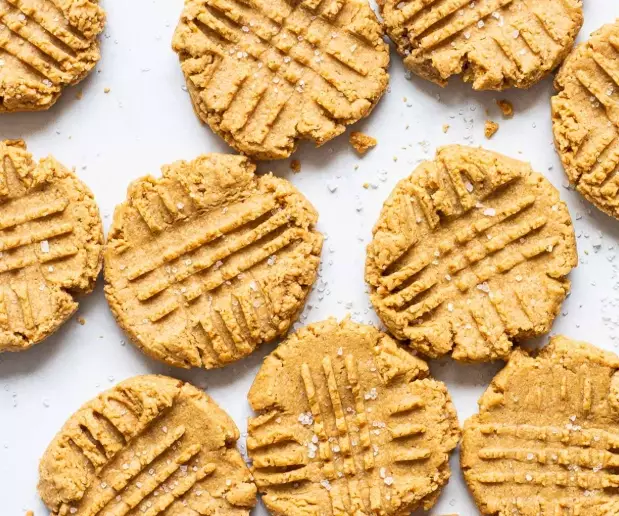
- Sea Salt Sprinkle: Before baking, sprinkle the top of each cookie with a few flakes of flaky sea salt. It cuts the sweetness and is incredible.
- Double Peanut: Use crunchy peanut butter or add ¼ cup of chopped, unsalted peanuts to the dough.
- Spiced: Add ½ tsp of cinnamon or even a pinch of cayenne pepper to the dry ingredients for a warm kick.
- Jam Thumbprint: After making the ball, press your thumb into the center and fill the divot with a teaspoon of sugar-free raspberry or strawberry jam before baking.
Texture Troubleshooting
Cookies too dry? Next time, add an extra tablespoon of maple syrup or reduce the flour by 2 tablespoons. Dough too sticky and spreading too much? Your peanut butter might have been very oily, or your kitchen is warm. Chill the dough for 30 minutes before shaping. Cookies too crumbly? You might have over-measured the flour (spoon it into the cup, don't scoop) or need a bit more binding—try adding an extra tablespoon of peanut butter.
Storing, Freezing, and the Nutrition Lowdown
You've made a beautiful batch. Now what?
Storing: Keep them in an airtight container at room temperature for up to 5 days. They get softer over time. If you like a crisp edge, you can re-crisp them in a toaster oven for a minute.
Freezing: These freeze brilliantly. Freeze baked cookies in a single layer on a tray, then transfer to a freezer bag for up to 3 months. Thaw at room temperature. You can also freeze the dough balls on a tray, then bag them. Bake from frozen, adding 1-2 minutes to the baking time. Having frozen dough balls is a lifesaver for sudden cookie cravings.
What Are You Actually Eating?
Let's be clear: a cookie is a treat. But compared to a traditional version, these healthy peanut butter cookies offer more. Per cookie (estimated from the base recipe): You're getting a decent amount of protein and healthy fats from the peanut butter, which helps with satiety. The whole grain flour and natural sweeteners provide more minerals and a slower release of energy than refined counterparts. There's no cholesterol if you use a flax egg. They are a more nutrient-dense choice. It's about the overall pattern of eating—choosing better ingredients when you can.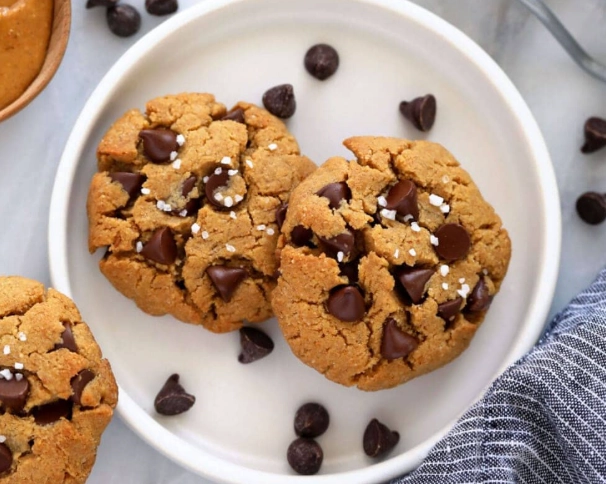
Answering Your Peanut Butter Cookie Questions
Wrapping It Up
Baking healthy peanut butter cookies isn't about following a strict, joyless rulebook. It's about rediscovering a favorite treat through a slightly different lens. It's about feeling good about the ingredients you're using and knowing you can make something delicious that also does your body a small favor.
Start with the base recipe. Get comfortable with it. Then start tweaking—add some chocolate, try a different flour, make them vegan. Make them your own. The best part about this journey? The kitchen smells exactly the same. That warm, toasty, nutty aroma of peanut butter cookies baking is unchanged. And that first bite, with a glass of cold milk, still feels like a hug. You've just made it a little smarter.
So go on, preheat that oven. Your new favorite healthy peanut butter cookie is waiting to happen.
Reader Comments