You know the ones. Those little, melt-in-your-mouth peanut butter balls, sometimes rolled in sugar, sometimes dipped in chocolate. They show up on every holiday cookie tray and potluck dessert table. They're called peanut butter kisses, peanut butter balls, or buckeyes (if you leave a little peanut butter showing). They're legendary for being easy, no-bake, and universally loved. But here's the thing I've learned after making them for a decade: they're also incredibly easy to mess up.
I've had batches turn into oily puddles. I've created crumbly sandcastles that fell apart at a touch. I've wrestled with chocolate that seized up or refused to set. If you've ever ended up with a kitchen disaster instead of perfect little kisses, you're not alone. The internet is full of similar recipes, but they often skip the crucial details that separate success from a sticky failure.
This guide isn't just another recipe list. It's the result of every mistake I've made (and fixed) so you don't have to. We'll go deep on the science of the ingredients, the techniques that guarantee the right texture, and the creative twists that make them your own signature treat.
What's Inside This Guide
What Exactly Are Peanut Butter Kisses?
Let's clear up the name first. "Peanut butter kisses" typically refer to a no-bake confection made from a simple dough of peanut butter, powdered sugar, butter, and sometimes graham cracker crumbs. The dough is rolled into balls and then either rolled in more sugar, sprinkles, or dipped partially or fully in chocolate. They are distinct from the Hershey's Kisses candy or the baked peanut butter blossom cookie with a chocolate kiss pressed in the center.
Their magic lies in their simplicity and rich, sweet-salty flavor. They're a staple of holiday baking because you can make dozens in an hour without turning on the oven. But their appeal isn't seasonal. They're the perfect last-minute dessert, a lunchbox surprise, or a treat for a bake sale.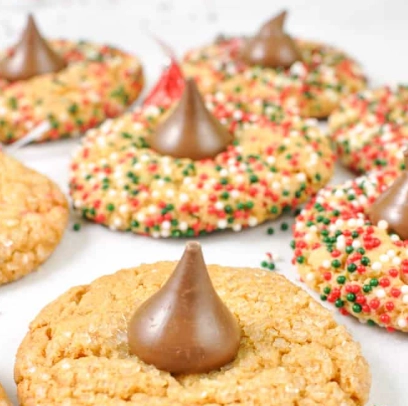
My Go-To Peanut Butter Kisses Recipe
This is the base recipe I've refined over the years. It's foolproof, provided you follow the notes on ingredients. Think of this as your foundation.
Ingredients (Makes about 36 balls)
- 1 cup (250g) creamy peanut butter – NOT natural or oily. Use a standard brand like Jif, Skippy, or store-brand equivalent. This is non-negotiable for texture.
- 1/2 cup (115g) unsalted butter, softened to room temperature. Soft, not melted.
- 1 teaspoon pure vanilla extract
- 1/4 teaspoon fine sea salt (omit if your peanut butter is very salty)
- 2 1/2 cups (300g) powdered sugar (confectioners' sugar), sifted if lumpy.
- 3/4 cup (about 75g) fine graham cracker crumbs (about 5 full sheets)
The Method
Step 1: The Creaming. In a large bowl, beat the softened butter and peanut butter together with a hand mixer or stand mixer until completely smooth and combined. This takes about 2 minutes. Scrape down the bowl. Beat in the vanilla and salt.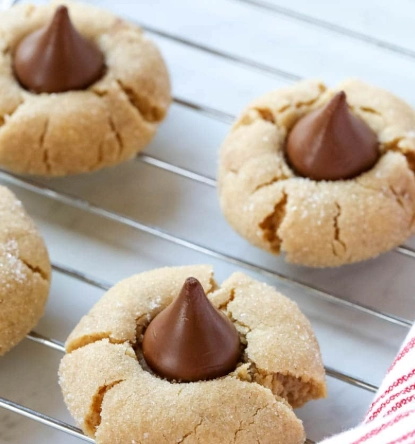
Step 2: The Dry Mix. In a separate bowl, whisk together the powdered sugar and graham cracker crumbs. This ensures even distribution.
Step 3: The Dough. Gradually add the dry ingredients to the peanut butter mixture, mixing on low speed until just incorporated. The dough will be thick and might look crumbly at first. Stop the mixer. Use your hands to knead the dough a few times in the bowl. It should come together into a smooth, pliable mass that holds its shape when pinched. If it's too sticky, add a tablespoon more powdered sugar. If it's too dry and won't hold, add a teaspoon more peanut butter.
Step 4: The Roll. Scoop out dough by the tablespoon (I use a #60 scoop for consistency) and roll into smooth balls. Place them on a baking sheet lined with parchment paper. At this point, you can roll them in granulated sugar, colored sprinkles, or crushed nuts. Or, proceed to chilling for chocolate dipping.
Step 5: The Chill. This is critical. Pop the tray of uncoated balls into the freezer for at least 30 minutes, or the fridge for 2 hours. They must be firm and cold to withstand chocolate dipping without melting or losing shape.
The Biggest Mistake Everyone Makes
I see it all the time in online recipe reviews: "My dough was a greasy, runny mess!" Ninety-nine percent of the time, the culprit is the peanut butter.
Using natural peanut butter (the kind you have to stir, with oil floating on top) is a recipe for disaster. These brands have a higher oil content and lack the hydrogenated oils or stabilizers that give commercial peanut butter its thick, spreadable consistency. When you mix natural peanut butter with butter and sugar, the excess oil leaks out, creating an unworkable, slick paste that will never firm up.
Here's a quick comparison of how different fats affect the outcome:
| Peanut Butter Type | Best For | Result in No-Bake Kisses |
|---|---|---|
| Conventional Creamy (Jif, Skippy) | No-Bake Recipes | Perfect, firm dough that holds shape. |
| Natural "No-Stir" Creamy | Spreading, Baking | Risky. May work if very thick, but often still too oily. |
| Natural "Stir" Style | Spreading | Guaranteed failure. Greasy, loose dough. |
| Crunchy | Texture Lovers | Works fine, adds peanut bits. Use same creamy base rules. |
Secrets to the Perfect Texture
Texture is everything. You want a kiss that's firm enough to pick up but melts smoothly in your mouth. Avoiding the oil issue is step one. Here are the other key factors:
Butter Temperature: Room temperature butter (about 68°F/20°C) creams beautifully with peanut butter. Melted butter will make the dough greasy and too soft. Cold butter won't incorporate properly, leaving lumps.
The Knead: Don't just rely on the mixer. That final hand-knead is essential. It brings any dry bits from the bottom into the dough and allows you to feel the texture. It should be like firm Play-Doh—not sticky, not crumbly.
Chilling is Non-Negotiable: I can't stress this enough. Skipping the chill before dipping is like trying to frost a warm cake. The cold center keeps the ball from deforming in the warm chocolate. If your kitchen is warm, chill the tray again for 10 minutes after dipping to set the chocolate quickly.
Beyond the Classic: Creative Variations
The basic recipe is a blank canvas. Once you've mastered it, try these twists.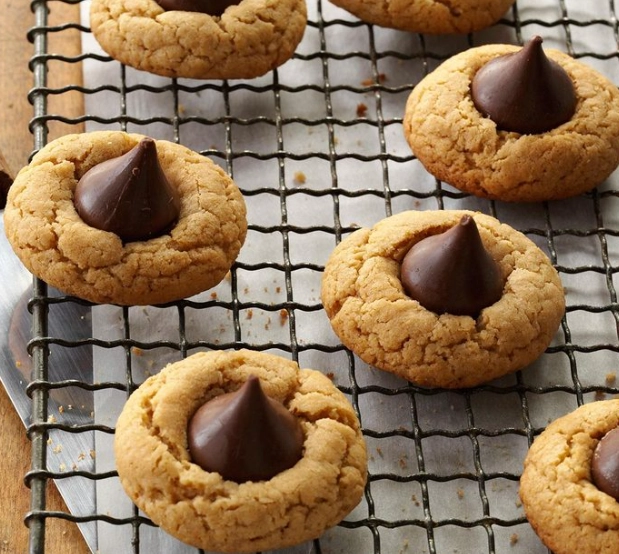
The Chocolate Peanut Butter Cup: Press a mini chocolate chip into the center of each ball before rolling. When you bite in, there's a chocolate surprise.
The Salty Sweet: Roll the finished balls in flaky sea salt mixed with a bit of coarse sugar. It cuts the sweetness perfectly.
The Cookie Dough Kiss: Replace the graham cracker crumbs with an equal amount of crushed vanilla wafers or biscoff cookie crumbs. Add 1/4 cup of mini chocolate chips to the dough.
The Nutty Crunch: Roll the chilled balls in finely chopped toasted pecans, peanuts, or almonds before the chocolate sets.
I once made a batch for a party where I divided the dough and made four different coatings: sprinkles, crushed pretzels, coconut, and classic chocolate dip. The platter was gone in 20 minutes.
How to Dip Chocolate Like a Pro
This is where many people get frustrated. The chocolate gets thick, clumpy, or doesn't set shiny.
Choose Your Chocolate:
- Chocolate Almond Bark or Candy Melts: Easiest. They're designed to melt smoothly and set firmly at room temperature. Great for beginners.
- Chocolate Baking Bars (Ghirardelli, Baker's): Higher quality flavor. Chop finely and melt slowly. For a simpler "tempering," melt 2/3 of the chocolate, then remove from heat and stir in the remaining 1/3 until smooth.
- Chocolate Chips: Trickier. They contain stabilizers. Add 1-2 teaspoons of coconut oil or shortening per cup of chips to thin for dipping.
The Dip: Use a toothpick, fork, or specialty dipping tool. Spear a cold ball, dip 3/4 of the way into the melted chocolate, let excess drip off, then slide it onto a parchment-lined tray. Gently swirl the toothpick out and use a finger to smooth over the hole. If making buckeyes, leave a small circle of peanut butter visible on top.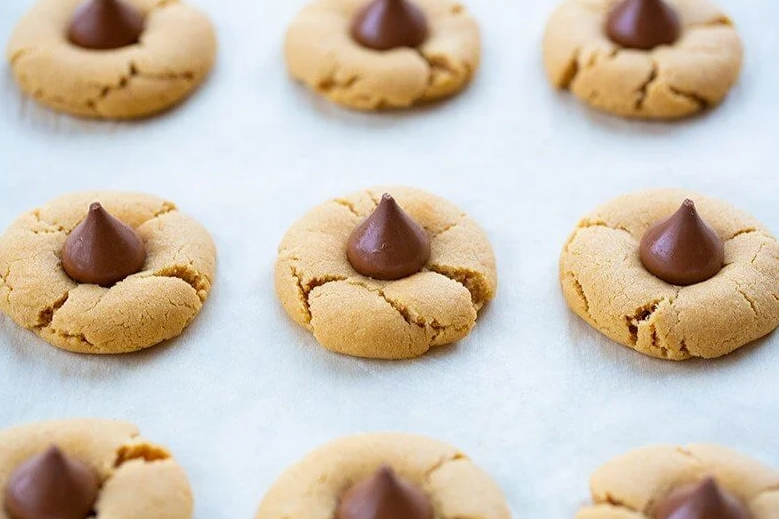
Storage & Gifting Tips
Proper storage keeps them fresh and safe. According to the USDA, homemade confections with butter should be refrigerated if not consumed within a few days due to the dairy content.
- Refrigerator: Store in a single layer or layered with parchment paper in an airtight container. They'll keep for 2-3 weeks.
- Freezer: They freeze beautifully for up to 3 months. Freeze solid on a tray first, then transfer to a freezer bag or container. Thaw in the fridge overnight.
- Room Temperature: For a party or gift, they are fine at cool room temperature for 2-3 days.
- Gifting: Use mini cupcake liners in a decorative box or tin. A small tag with storage instructions is a thoughtful touch.
Reader Comments