Your Fudge Journey Guide
- Why Marshmallow Cream is the Peanut Butter Fudge Game-Changer
- The Can't-Miss, Back-of-the-Jar Style Recipe
- Your Marshmallow Cream Peanut Butter Fudge Troubleshooting Guide
- Answering Every Question You Might Have
- Beyond the Basic: Killer Variations to Try
- Why This Fudge Holds a Special Place (A Little Story)
You know that feeling when you bite into a piece of fudge that's just… perfect? It's not grainy. It doesn't crumble. It just melts on your tongue with this intense, creamy peanut butter flavor that makes you close your eyes for a second. That's the magic we're after. And more often than not, the secret weapon hiding in that recipe is a big, fluffy scoop of marshmallow cream.
I'm not talking about the fussy, candy-thermometer kind of fudge that makes you sweat. I mean the kind you can whip up on a lazy Sunday afternoon with stuff you probably already have in your pantry. The kind of marshmallow cream peanut butter fudge that shows up at every potluck and disappears first. Why does it work so well? And how do you make sure yours turns out flawless every single time? Let's dig in.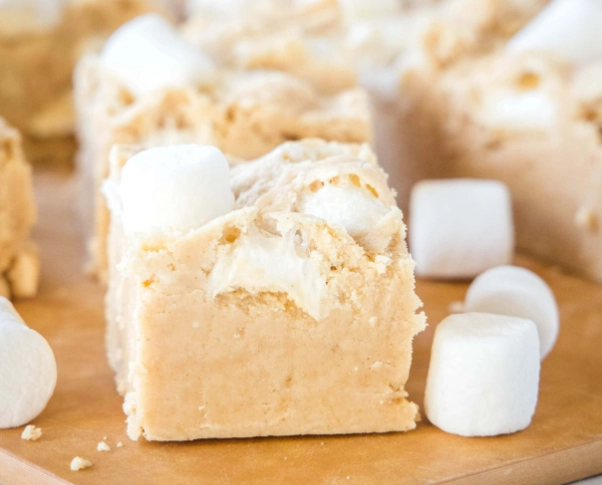
Why Marshmallow Cream is the Peanut Butter Fudge Game-Changer
Let's be honest. The classic cooked fudge method can be intimidating. Hit the wrong temperature by a few degrees and you've got a sugary brick or a gooey mess. Marshmallow cream, also called marshmallow fluff, swoops in like a superhero to save the day. It's not just for fluffernutter sandwiches.
Here’s the science in plain English: marshmallow cream is basically sugar, corn syrup, and egg whites whipped into a stable foam. When you fold it into your melted peanut butter and sugar mixture, it does a few brilliant things. First, it introduces thousands of tiny air bubbles, which gives the fudge an unbelievably light, smooth texture—nothing like the dense, sometimes gritty fudge of old. Second, all that sugar and corn syrup acts as an “interfering agent.” Fancy term, simple idea: it physically gets in the way of sugar molecules re-crystallizing as the fudge cools. Big sugar crystals are what make fudge grainy. Marshmallow cream keeps them small and undetectable, resulting in that signature creamy, melt-in-your-mouth feel.
So, you're not just adding a flavor. You're adding a foolproof texture insurance policy. That's why this version of peanut butter fudge has become such a beloved staple. It's forgiving.
The Can't-Miss, Back-of-the-Jar Style Recipe
This is the core, the foundation. It's the recipe you'll find scribbled on index cards and passed down through families. It works. Let's break it down piece by piece, because understanding the “why” behind each step is what turns a recipe follower into a confident cook.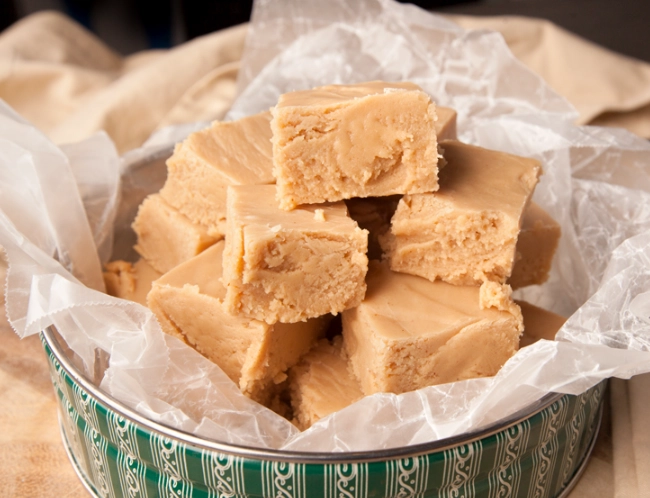
What You'll Need (The Ingredients Breakdown)
Simplicity is key here. You only need a handful of things:
- White Granulated Sugar: The sweet backbone. Don't try to reduce it drastically; the sugar volume is crucial for the chemical set.
- Evaporated Milk (NOT sweetened condensed milk): This is a common point of confusion. Evaporated milk is milk with about 60% of the water removed. It's unsweetened and has a slightly caramelized flavor that adds depth. Sweetened condensed milk is, as it says, sweetened and much thicker. Using the wrong one will give you a sickly-sweet, possibly greasy result. The U.S. Department of Agriculture (USDA) defines these products clearly—evaporated milk is a pantry staple for a reason.
- Unsalted Butter: For richness and that luscious mouthfeel. Using unsalted lets you control the salt level. Salted butter can work in a pinch, but you might want to reduce or omit the added salt later.
- Peanut Butter: The star. This is where you can personalize. The classic, most reliable choice is a standard creamy, shelf-stable peanut butter like Jif or Skippy. The added oils and stabilizers in these brands help create a smooth, stable emulsion. “Natural” peanut butter (the kind you have to stir) can separate and make the fudge oily. If you insist on natural, stir it incredibly well and be prepared for a slightly different texture. The National Peanut Board has great resources on peanut varieties and products if you're curious.
- Marshmallow Cream: The magic ingredient we already talked about. One 7-ounce jar or about 1 ½ cups from a larger tub.
- Pure Vanilla Extract & A Pinch of Salt: The flavor enhancers. Vanilla rounds out the sweetness, and salt makes the peanut butter flavor pop. Don't skip the salt.
The Step-by-Step Process (No Thermometer Needed)
- Prep Your Pan: Line an 8x8 inch square baking pan with aluminum foil or parchment paper, leaving an overhang on two sides. This is your “sling” to lift the whole block of fudge out later. Grease it lightly with butter. Trust me, this step saves so much frustration.
- The Sugar Mixture: In a medium, heavy-bottomed saucepan (this prevents scorching), combine the sugar, evaporated milk, and butter. Bring it to a full, rolling boil over medium heat, stirring constantly to dissolve the sugar. Once it's boiling vigorously, set a timer for 5 minutes. Keep stirring. This is the only “cooking” part, and it drives off just enough moisture.
- The Critical Turn-Off: After 5 minutes of boiling, remove the pan from the heat immediately. This is non-negotiable.
- The Big Mix: Quickly add the marshmallow cream, peanut butter, vanilla, and salt to the hot mixture. Now, beat it. And I mean beat it vigorously with a wooden spoon or a sturdy silicone spatula until everything is completely blended, smooth, and slightly thickened. You'll see it go from separate globs to one homogeneous, glorious, glossy mass. This takes a minute or two of solid stirring. Your arm might complain. Ignore it.
- Set It and Forget It: Immediately pour the fudge into your prepared pan. Smooth the top. Let it cool at room temperature for a bit, then pop it in the refrigerator for at least 3-4 hours, or overnight, to set completely.
- The Reward: Use the foil sling to lift the fudge block onto a cutting board. Peel away the foil and cut into small squares (it's rich!). A large, sharp knife wiped clean between cuts gives the cleanest edges.
See? No thermometer. The marshmallow cream peanut butter fudge recipe relies on timing and visual cues, which is so much less stressful.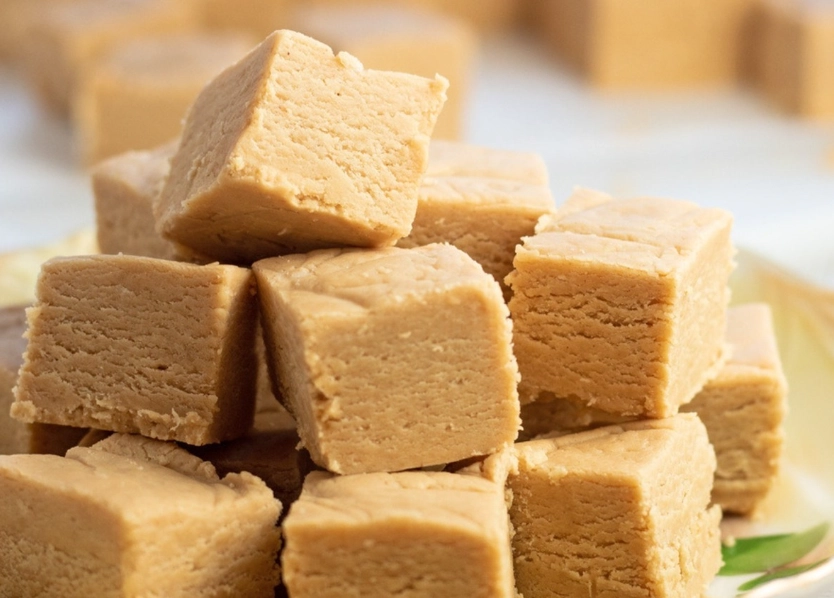
Your Marshmallow Cream Peanut Butter Fudge Troubleshooting Guide
Even the most forgiving recipe can have hiccups. Here’s a quick table to diagnose and fix common issues. I’ve faced most of these myself over the years.
| Problem | Likely Cause | How to Fix It Next Time |
|---|---|---|
| Fudge is too soft/never set | Not boiled long enough (not enough water evaporated); humid day; used natural peanut butter that separated. | Ensure a full, rolling boil for the full 5 minutes. On very humid days, add 1 extra minute of boil time. Stick with conventional creamy peanut butter. |
| Fudge is grainy or sugary | Sugar didn't fully dissolve before boiling; mixture was stirred after pouring into pan (encourages crystals). | Stir constantly while heating initially until sugar is completely clear. Once poured, do NOT stir or jiggle the pan. Let it be. |
| Fudge is greasy/oily | Used natural peanut butter; overheated the peanut butter when mixing. | Use a stabilized brand. Remove the sugar mixture from heat BEFORE adding peanut butter and marshmallow cream. |
| Fudge is too hard or crumbly | Boiled too long; cooked over too high heat. | Use a timer religiously. Medium heat is your friend—it should be a steady, active boil, not a furious, splattering one. |
| Fudge stuck in the pan | Didn't line or grease the pan. | Always use the foil/parchment sling. Every single time. It’s a lifesaver. |
Answering Every Question You Might Have
Okay, let's get into the nitty-gritty. These are the questions I get asked most, or the ones I had when I first started making this stuff.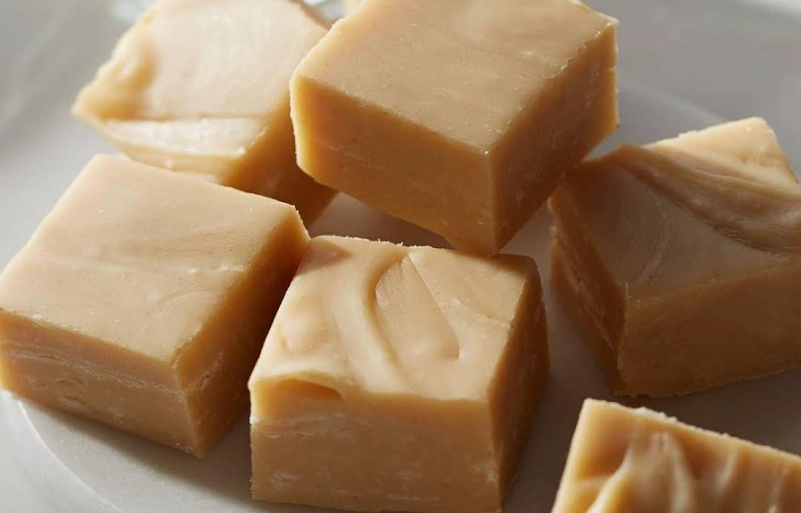
Can I use crunchy peanut butter?
Absolutely! It adds a wonderful textural contrast. Just know that the fudge won't be as impeccably smooth. Use the same amount by volume. I love a half-creamy, half-crunchy mix for the best of both worlds.
How long does this fudge actually keep?
Stored in an airtight container at room temperature in a cool place, it's good for about 1-2 weeks. In the fridge, it can last 2-3 weeks. It also freezes beautifully for up to 3 months. Thaw overnight in the fridge. The texture holds up remarkably well.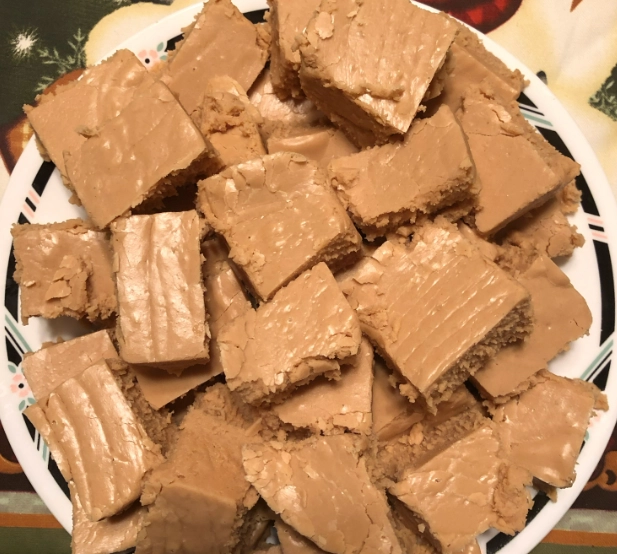
Is this a “no-bake” dessert?
Yes and no. You do cook the sugar mixture on the stovetop, so it's not a purely mix-and-chill recipe like some cheesecakes. But you never put it in the oven. Most people categorize it as a “no-bake” because the primary setting happens in the fridge.
Can I double the recipe?
You can, but proceed with caution. Use a much larger, heavy pot (like a Dutch oven) to prevent boil-overs. The boiling time remains 5 minutes from a full boil, but it will take longer to reach that boil initially. Stirring the final, thicker, double batch will be an arm workout. It's often easier to just make two separate batches.
My fudge is super sweet. Can I reduce the sugar?
This is the big one. I don't recommend it. The sugar isn't just for sweetness; it's the structural foundation. Reducing it can prevent the fudge from setting properly. If you find classic marshmallow cream peanut butter fudge too sweet, balance it by using a pinch more salt, or opt for a “less sweet” peanut butter brand. You can also cut smaller pieces! It's intensely rich, so a one-inch square is often plenty.
Beyond the Basic: Killer Variations to Try
Once you've mastered the classic, the world is your oyster. Or, more accurately, your peanut butter jar. Here are some crowd-pleasing twists.
- Chocolate Swirl Marshmallow Cream Peanut Butter Fudge: Pour half the fudge into the pan. Melt 1 cup of chocolate chips with a tablespoon of shortening. Drizzle most of it over the first layer, then top with the remaining fudge. Swirl the last bit of chocolate on top with a knife.
- Salted Caramel Pretzel: Stir in ¾ cup of crushed pretzel pieces and ½ cup of soft caramel bits into the fudge before pouring. Sprinkle flaky sea salt on top. The sweet-salty-crunchy combo is unreal.
- Nutty Delight: Fold in ½ cup of chopped toasted pecans, walnuts, or even honey-roasted peanuts along with the peanut butter.
- “Elvis” Special: Add ½ cup of mashed ripe banana (very well-mashed) along with the peanut butter. Maybe add some crumbled cooked bacon on top if you're feeling adventurous. It sounds weird, but it works.
The beauty of this base recipe is its flexibility. That marshmallow cream base is a fantastic canvas.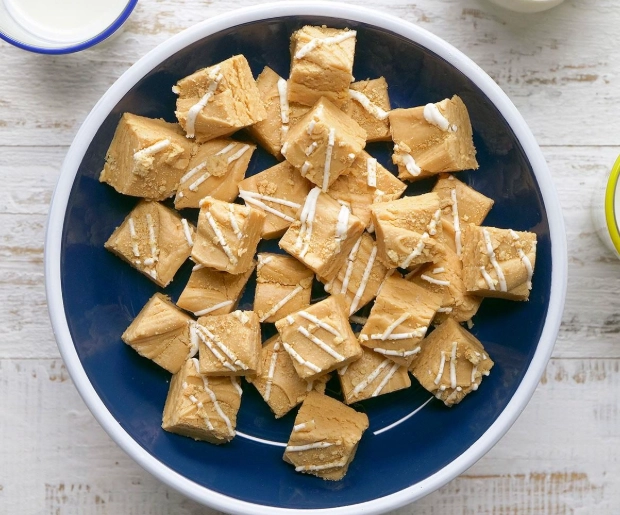
Why This Fudge Holds a Special Place (A Little Story)
Food is never just about ingredients. For me, marshmallow cream peanut butter fudge is tied to Christmases at my grandma's house. The kitchen would be warm, the tins lined up, and she’d let me be the one to scoop out the impossibly sticky marshmallow cream, always leaving a little on the spoon for me to lick. Her recipe card is stained with butter and sugar, the word “Fluff” underlined twice. She never worried about a candy thermometer. She just knew when it looked right.
That’s the spirit of this recipe. It’s approachable. It’s meant to be shared. It’s a dessert that feels like a hug. Is it the most gourmet, artisanal thing in the world? No. But it’s real, it’s delicious, and it brings people together. In my book, that beats fussy perfection any day.
So, grab your saucepan and that jar of marshmallow cream. Make a batch of this legendary peanut butter fudge. Give some away. Keep a secret stash for yourself. And enjoy the simple, creamy, peanut-buttery perfection that, thanks to a little marshmallow magic, is almost impossible to mess up.
Reader Comments