Quick Guide to Perfect Peanut Butter Cookies
- The No-Fail, 3-Ingredient Foundation (Yes, Really)
- Building the Ultimate Homemade Peanut Butter Cookie: The Key Players
- The Foolproof Step-by-Step Method
- Why Did My Cookies Go Wrong? The Troubleshooting Table
- Leveling Up: Creative Twists on the Classic
- Your Homemade Peanut Butter Cookie Questions, Answered
- The Final, Non-Negotiable Tips
Okay, let's talk peanut butter cookies. You know the ones. The kind that fills your kitchen with that warm, nutty, almost-too-good-to-be-true smell. The kind that's crisp around the edges but somehow still soft and a little crumbly in the middle. That classic fork-crosshatch top that just begs for a glass of cold milk.
I've been there. Standing in the kitchen, staring at a bowl of dough that's either too dry or too greasy, wondering why my homemade peanut butter cookies never look or taste like the dream in my head. Maybe they spread into one giant, thin mess. Maybe they're dry as sawdust. Maybe the famous fork marks just disappear in the oven. Frustrating, right?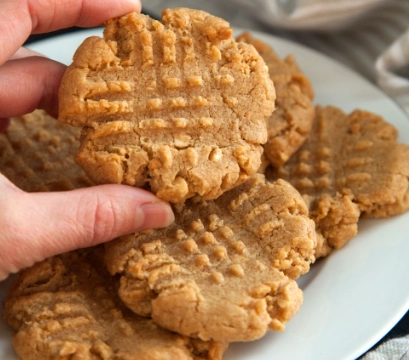
Well, after more batches than I'd care to admit (some glorious, some straight to the bin), I've figured a few things out. This isn't just another recipe list. This is the *why* behind the *what*. We're going deep on homemade peanut butter cookies, from the absolute foolproof beginner method to the nitty-gritty science that'll make you a cookie boss. Forget the guesswork.
The No-Fail, 3-Ingredient Foundation (Yes, Really)
Let's start simple. Stupidly simple. Because sometimes you just need a cookie, fast. The most basic version of homemade peanut butter cookies requires just three things: one cup of peanut butter, one cup of sugar, and one large egg.
That's it. You mix it, you roll it into balls, you smash it with a fork, and you bake at 350°F (175°C) for about 10 minutes.
Now, I'll be honest. These are the “emergency cookies.” They're good, especially if you use a really flavorful peanut butter. They'll satisfy the craving. But the texture is uniform—more crumbly and sandy all the way through. They lack that complexity, that contrast between edge and center that makes a cookie truly great. They also tend to be very sweet. But hey, for a 5-minute dough with zero flour? Not bad.
But if you want the classic homemade peanut butter cookie—the one with more structure, better chew, and deeper flavor—you need to build on that foundation. And that's where most people get lost in a sea of conflicting advice.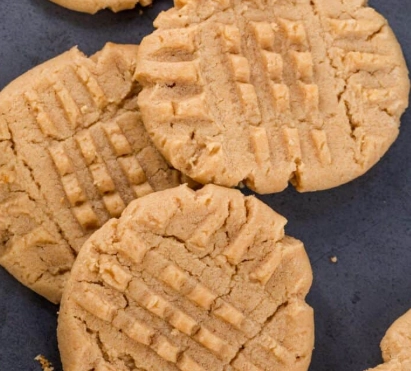
Building the Ultimate Homemade Peanut Butter Cookie: The Key Players
Let's break down every ingredient in a standard, full-flour recipe and talk about what it really does. This is the stuff most recipes just assume you know.
Peanut Butter: The Star (Obviously)
This is the biggest flavor driver. You've got two main choices, and the debate is real.
Natural Peanut Butter (the kind you have to stir): This is just peanuts and salt. Sometimes just peanuts. I love this on toast. For cookies? It's tricky. Because the oil separates, your measurements can be way off. If you use it, make sure you stir that jar like your life depends on it, and even then, your dough might be oilier. The flavor can be more intense and “peanutty,” but the texture can suffer. I don't recommend it for your first try.
Commercial “No-Stir” Peanut Butter (like Jif or Skippy): This is the secret weapon for consistent homemade peanut butter cookies. It has added stabilizers (like hydrogenated oils) and sugar. This means it's emulsified—the oil won't separate. This gives you a predictable dough texture every single time. It also often contains a bit of molasses, which adds to that deeper, rounded flavor. For guaranteed results, start here.
Sugars: Not All Sweetness is Created Equal
Most good recipes use a mix of white granulated sugar and brown sugar. Here’s why:
Granulated Sugar: It's about sweetness and spread. It helps the cookies crisp up at the edges. It also attracts moisture, which can lead to a crisper cookie as it ages (but we eat them too fast for that to matter).
Brown Sugar (light or dark): This is the magic for softness and chew. Brown sugar contains molasses, which is hygroscopic (it attracts and holds onto water). This means your homemade peanut butter cookies stay softer for longer. Dark brown sugar has more molasses, giving a deeper, almost caramel-like flavor that pairs amazingly with peanuts.
A 50/50 split is a great place to start. More brown sugar = softer, chewier, darker. More white sugar = crisper, lighter.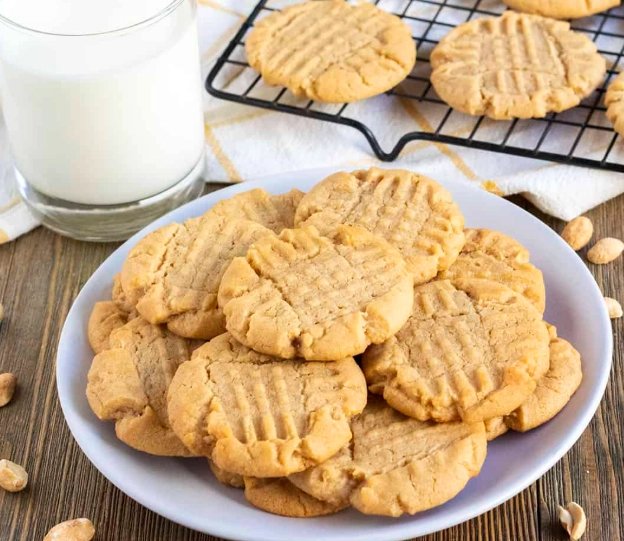
Butter vs. Shortening vs. Oil
Butter is the go-to for flavor. It creates a richer taste and, when creamed with sugar, helps create air pockets for lift. But butter has water in it, which can cause more spread.
Some old-school recipes use shortening. Shortening is 100% fat, no water. This means cookies made with it spread less and hold their shape (and that fork crosshatch!) better. They also stay softer. But… they lack flavor. They can taste a bit flat.
My personal favorite hybrid? Mostly butter for flavor, with maybe a tablespoon or two of the peanut butter's oil substituted for a bit of the butter if I'm worried about spread. It gives you the best of both worlds.
Flour: The Scaffolding
All-purpose flour is perfect. It gives the cookies structure so they aren't just a sandy pile of crumbs. Don't over-measure your flour! This is the #1 cause of dry, cakey cookies. Spoon the flour into your measuring cup and level it off. Don't scoop the cup directly into the bag—you can pack in 20% more flour without realizing it.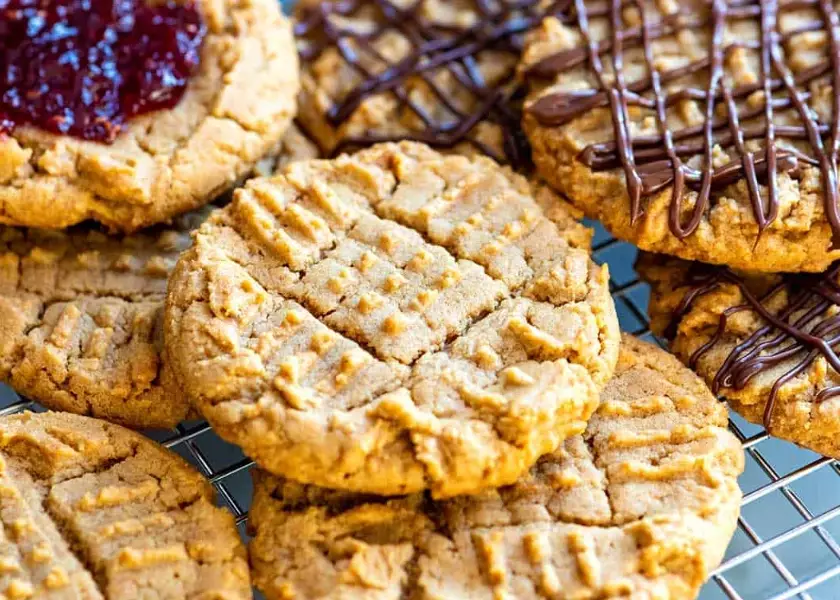
The Egg: Binder and Moisture
One large egg is standard. It binds everything together and adds moisture. For an even chewier texture, some people use an extra egg yolk. The fat in the yolk enriches the dough without adding more liquid from the white.
The Foolproof Step-by-Step Method
Here’s my go-to method for perfect homemade peanut butter cookies every time. This recipe makes about 2 dozen.
Ingredients:
- 1 ¼ cups (156g) all-purpose flour (spooned and leveled)
- ½ teaspoon baking soda
- ½ teaspoon baking powder
- ¼ teaspoon salt (omit if your peanut butter is very salty)
- ½ cup (1 stick / 113g) unsalted butter, softened
- ½ cup (100g) granulated sugar
- ½ cup (100g) packed light brown sugar
- 1 large egg, at room temperature
- 1 teaspoon pure vanilla extract
- 1 cup (250g) “no-stir” creamy peanut butter
Now, the process. It's simple, but the details matter.
1. Whisk the Dry Stuff. In a medium bowl, whisk together the flour, baking soda, baking powder, and salt. Just whisk it. This combines them and gets a bit of air in there. Set it aside.
2. Cream the Butter and Sugars. In a large bowl, use an electric mixer (hand or stand) to beat the softened butter, granulated sugar, and brown sugar together on medium speed for about 2 minutes. You want it to become noticeably lighter in color and fluffy. This step is crucial for texture. It creates tiny air pockets that will expand in the oven.
3. Add the Wet Bindings. Beat in the peanut butter until just combined. Then beat in the egg and vanilla extract. Scrape down the sides of the bowl. The mixture might look a little curdled at this point—that's fine, it'll come together.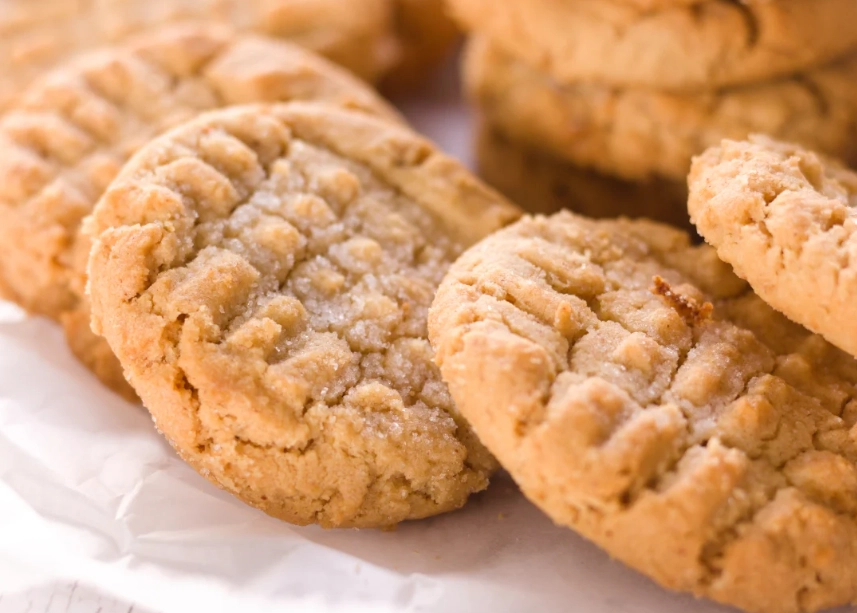
4. Bring It All Together. With the mixer on low, gradually add the flour mixture. Mix until *just* combined. No more. Overmixing at this stage develops gluten and makes tough cookies. You should have a soft, slightly sticky dough.
5. Shape and Mark. Preheat your oven to 350°F (175°C). Line baking sheets with parchment paper. Roll dough into 1.5-inch balls (about a tablespoon). Place them 2 inches apart on the sheet. Now, take a fork, dip the tines in a little extra sugar (this prevents sticking), and press down on the ball to flatten it slightly. Press again at a 90-degree angle to create the classic crosshatch. Don't be shy—press firmly enough to get a good pattern.
6. Bake. Bake for 9-11 minutes. The cookies will look puffy, soft, and barely golden around the very edges. They will NOT look done in the middle. This is the key. They continue to cook on the hot baking sheet.
7. The Cool Down. Let the cookies cool on the baking sheet for 5 full minutes. They will deflate and set. Then, transfer them to a wire rack to cool completely. This step is non-negotiable for the right texture.
Why Did My Cookies Go Wrong? The Troubleshooting Table
We've all had cookie disasters. Let's diagnose them. This table is your quick-reference fix-it guide.
| The Problem | The Most Likely Cause | How to Fix It Next Time |
|---|---|---|
| Cookies spread too much into one flat, thin pancake. | Butter too warm/over-creamed; dough too warm; not enough flour; oven too cool. | Chill dough 30 min. Ensure correct flour measurement. Check oven temp with a thermometer. |
| Cookies are dry, hard, and crumbly. | Too much flour; overbaking; not enough brown sugar or fat; overmixing dough. | Measure flour correctly! Take cookies out when edges are *just* set. Use part brown sugar. |
| Fork marks disappear during baking. | Dough too soft/warm; not pressing firmly enough; dough has too much leavening. | Chill dough. Press fork marks deeper. Ensure baking soda/powder are fresh and measured right. |
| Cookies are too cakey or puffy. | Too much flour or egg; overmixing; too much baking powder. | See the “dry” fixes above. Mix dry ingredients in just until combined. |
| Cookies are greasy. | Using natural peanut butter without adjusting; butter too warm. | Use stabilized “no-stir” peanut butter. Ensure butter is softened, not melted. |
| Flavor is bland. | Not enough salt; using flavorless peanut butter; omitting vanilla or brown sugar. | Add a pinch more salt. Use a quality brand peanut butter. Don't skip the vanilla! |
Leveling Up: Creative Twists on the Classic
Once you've mastered the basic homemade peanut butter cookie, the world is your oyster. Here are some of my favorite riffs.
The Peanut Butter Blossom: You know the one. Roll the dough ball in granulated sugar, bake, and immediately press a Hershey's Kiss into the center after baking. Classic for a reason.
Chocolate Chip Peanut Butter Cookies: Add a cup of semi-sweet chocolate chips to the dough. It's a no-brainer crowd-pleaser.
Flourless Double Peanut Butter Cookies: Go back to that 3-ingredient base, but add an extra egg yolk and a handful of chopped salted peanuts. Dense, fudgy, and intensely peanutty.
Salted Caramel Thumbprint: Make an indent in the dough ball before baking. After baking and cooling, fill the well with a dollop of salted caramel sauce. Decadent.
For the Gourmet Touch: Use a high-end, single-origin peanut butter (like the ones from artisanal producers—check their labels for just peanuts and salt). Sprinkle the tops with a flaky sea salt like Maldon before baking. It elevates everything.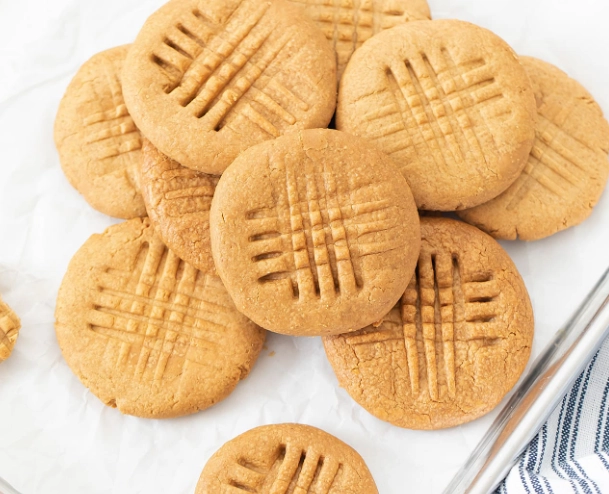
Your Homemade Peanut Butter Cookie Questions, Answered
Can I make these gluten-free?
Absolutely. Swap the all-purpose flour for a 1:1 gluten-free baking blend (like Bob's Red Mill or King Arthur). The texture might be slightly more crumbly, but still delicious.
Can I use natural peanut butter?
You can, but see my warning above. For best results with natural PB, use a recipe specifically designed for it, which often has less butter or adds a bit of extra flour to compensate for the extra oil.
Why do some recipes have both baking soda AND baking powder?
Great question! Baking soda needs an acid to activate. Brown sugar and peanut butter provide a little acid, but not a ton. Baking powder has its own acid built in. Using both gives a reliable, balanced rise—soda for spread, powder for lift. According to resources from agricultural extensions, understanding these leaveners is key to consistent baking.
How do I store them to keep them soft?
Let them cool completely, then store in an airtight container at room temperature. If they start to dry out, toss a piece of bread or a slice of apple in the container. The cookies will steal the moisture from it. Magic.
Can I freeze the dough?
Yes! It's a fantastic trick. Scoop the dough balls onto a parchment-lined sheet, freeze solid, then transfer to a freezer bag. Bake from frozen, adding 1-2 minutes to the bake time. Fresh-baked cookies anytime.
Are homemade peanut butter cookies healthy?
Let's be real. They're a treat, a dessert. They provide energy from fats and carbs, and peanut butter does offer some protein and nutrients like vitamin E and magnesium (the USDA FoodData Central has detailed nutrient profiles). But they're not a health food. Enjoy them in moderation as part of a balanced diet.
The Final, Non-Negotiable Tips
Before you run off to bake, let me leave you with the stuff that lives in my head after all these batches.
Use a kitchen scale if you can. Measuring by weight (grams) is infinitely more accurate than cups and eliminates the “dry cookie” problem forever.
An oven thermometer is worth its weight in gold. Most home ovens are off by 25 degrees or more. If your oven runs hot or cold, your baking times will always be wrong.
Parchment paper is your friend. It prevents sticking and ensures even browning on the bottom. Silicone mats work too, but they can sometimes inhibit spread and browning a tiny bit.
Don't crowd the pan. Two inches apart is not a suggestion. Hot air needs to circulate.
And finally, trust your senses more than the timer. Ovens vary. Look for those puffy, soft centers and just-set edges. The cookies will finish on the sheet.
Reader Comments