In This Guide
- Why Most Homemade Peanut Butter Fudge Fails (And How to Avoid It)
- The Gold Standard: Classic Stovetop Peanut Butter Fudge Recipe
- The "I Need Fudge Now" Microwave Peanut Butter Fudge Recipe
- Peanut Butter Fudge FAQ: Answering All Your Questions
- Leveling Up: Flavor Variations on Your Basic Peanut Butter Fudge Recipe
- Gifting & Storing Your Homemade Masterpiece
Let's be real. We've all been there. You get a craving for something sweet, something rich, something that screams comfort food. You think, "I could go for some peanut butter fudge." Maybe you remember your grandma making it during the holidays, or you had a perfect piece at a county fair once. So you search for a peanut butter fudge recipe online, pick one that looks simple, and give it a shot.
And then it turns out grainy. Or it never sets. Or it's so sweet it makes your teeth ache. Total disappointment.
I've been there too. I've made batches that were destined for the trash. But after more tries than I'd like to admit (and learning from some serious old-school candy makers), I finally cracked the code. This isn't just another recipe post. This is the full, no-BS breakdown of how to make peanut butter fudge that's actually creamy, actually sets, and actually makes people ask you for the recipe.
We're going to cover the classic cooked method, a super easy microwave shortcut, how to fix every common problem, and ways to mix it up so you never get bored. Forget the fails. Let's make some legit fudge.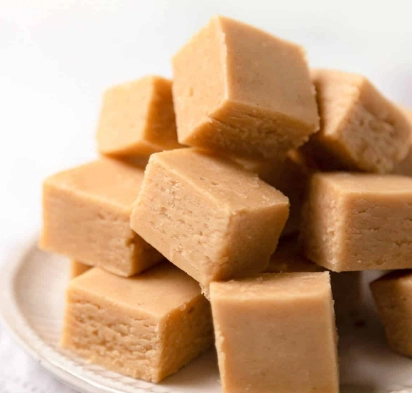
Why Most Homemade Peanut Butter Fudge Fails (And How to Avoid It)
Before we even look at ingredients, let's talk about why this seemingly simple candy goes wrong so often. Understanding the "why" is half the battle.
The core of a traditional peanut butter fudge recipe is a sugar syrup that's cooked to a specific temperature (the "soft-ball stage," around 235-240°F or 113-116°C). This cooking process concentrates the sugar and controls the crystallization. Get it wrong, and the texture suffers.
Grainy Fudge: This is the big one. Graininess happens when sugar crystals form too early and grow too large. It's often caused by stirring the syrup before it reaches the correct temperature, or by not dissolving the sugar completely at the start. Once those seed crystals are in there, they invite all their friends to party and your smooth fudge is ruined.
Another common issue? Fudge that's too soft or won't set. This usually means the syrup wasn't cooked to a high enough temperature. Not enough water evaporated, so the syrup remains too loose. On the flip side, cook it too high, and you get fudge that's hard as a rock. It's a delicate balance.
And then there's the fat separation. You see oily pools on top. This can happen if you use a "natural" peanut butter that separates, or if you don't stir vigorously enough when adding the peanut butter and butter at the end. The emulsion breaks.
Knowing these pitfalls is your first step to avoiding them. Now, let's get to the good stuff.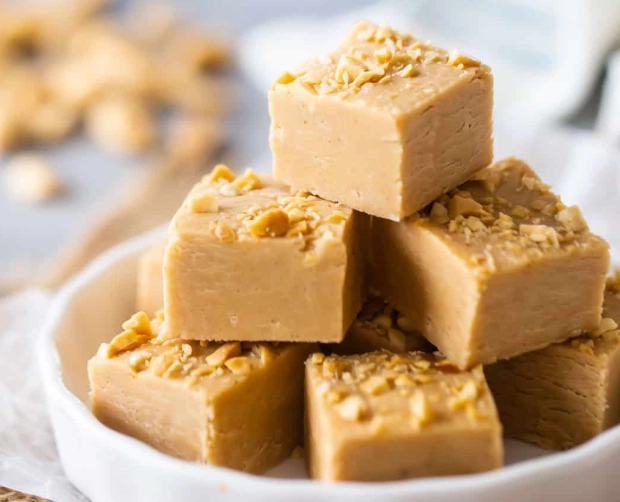
The Gold Standard: Classic Stovetop Peanut Butter Fudge Recipe
This is the method that yields the most authentic, creamy, melt-in-your-mouth fudge. It requires a candy thermometer, but don't let that scare you. It's your best friend for consistent results.
What You'll Need:
- Sugar (2 cups): Plain old granulated white sugar. It's the foundation.
- Brown Sugar (1/2 cup, packed): Light or dark. This adds depth of flavor and moisture, helping prevent excessive graininess. It's my secret weapon for a richer taste.
- Milk (3/4 cup): Whole milk is best. The fat content contributes to a creamier mouthfeel. Evaporated milk is a fantastic alternative—it's concentrated, so it adds even more richness and helps with the setting process.
- Butter (1/2 cup or 1 stick): Unsalted. You'll add half at the beginning with the milk and sugars, and the other half at the end. This two-stage butter addition is crucial for texture.
- Peanut Butter (1 cup): This is key. Use a standard, shelf-stable creamy peanut butter like Jif or Skippy. Avoid "natural" or "just peanuts" styles for this recipe, as the separated oil can cause major texture issues. You want the emulsified, smooth kind.
- Vanilla Extract (1 teaspoon): Pure vanilla if you have it. It rounds out the flavors beautifully.
- Salt (a pinch): Just a tiny bit to make all the other flavors pop.
Got everything? Good.
The Step-by-Step Process (No Shortcuts Yet)
First, prepare your pan. Line an 8x8 inch square baking pan with parchment paper, leaving some overhang on the sides. This makes lifting the fudge out a breeze later. Greasing it is messy and less effective.
In a heavy-bottomed, medium-sized saucepan (this distributes heat evenly and prevents scorching), combine the granulated sugar, brown sugar, milk, and HALF of the butter (that's 1/4 cup).
Place the saucepan over medium heat. Stir gently just until the butter melts and the sugars look damp. This is important. Once it starts heating up, stop stirring. Attach your candy thermometer to the side of the pan, making sure the bulb is immersed in the syrup but not touching the bottom.
Let the mixture come to a boil. Don't touch it. Just let it bubble away. Watch the thermometer climb. This is the part where patience pays off. You're aiming for 235°F to 240°F, the soft-ball stage.
What is the soft-ball stage? It means when you drop a small bit of the hot syrup into a cup of cold water, it forms a soft, pliable ball that flattens when you take it out. The thermometer is more reliable, but the water test is a good backup.
Once it hits temperature, immediately remove the pan from the heat. Don't let it go over. Take it off the burner and let it sit, undisturbed, until the thermometer drops to about 110°F. This cooling-down period is non-negotiable for controlling crystallization. It might take 45 minutes to an hour. Walk away. Do the dishes. This wait is what makes the fudge smooth.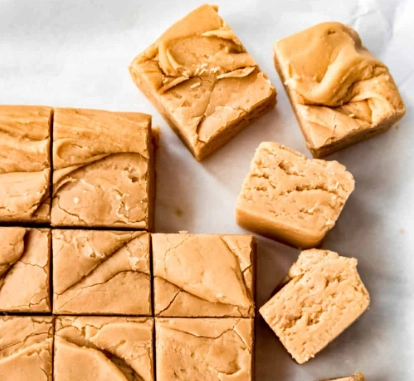
When it's cooled, add the remaining 1/4 cup of butter, the entire cup of peanut butter, the vanilla, and the pinch of salt.
Now, get ready to stir. Use a wooden spoon or a stiff silicone spatula. Stir vigorously. It will look soupy and messy at first, but keep going. You'll feel the resistance change. It will start to thicken, lose its gloss, and become more opaque. This is the fudge "setting up." You're essentially beating it to encourage the right kind of fine sugar crystals to form.
Pour (or more accurately, scrape and plop) the thickened fudge into your prepared pan. Spread it into an even layer. It will be stiff.
Let it set at room temperature for a few hours, or pop it in the fridge to speed things up. Once firm, use the parchment paper to lift it out and cut it into squares with a sharp knife.
The first time I tried this, I was so impatient during the cooling phase. I thought, "It's cool enough," after 15 minutes. Big mistake. The fudge was grainy and soft. Now I set a timer and don't touch it. The wait is absolutely worth it for that perfect, creamy texture.
The "I Need Fudge Now" Microwave Peanut Butter Fudge Recipe
Okay, I hear you. The classic method is amazing, but sometimes you just want something fast with minimal cleanup. This microwave version is shockingly good for how easy it is. It's a different beast—creamier, almost like a firmer peanut butter frosting—but it's delicious in its own right and solves the craving in under 15 minutes.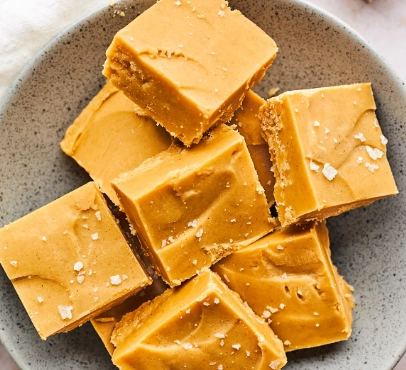
You'll need a large microwave-safe bowl. I use my big glass mixing bowl.
Combine one cup of creamy peanut butter (again, use the standard kind) and half a cup of butter (one stick) in the bowl. Microwave in 30-second bursts, stirring well after each, until completely melted and smooth. This usually takes about 90 seconds total.
Now, stir in one teaspoon of vanilla extract.
Here's the next part: slowly sift in about 3 3/4 cups of powdered sugar (confectioners' sugar). Yes, sift it. It prevents lumps. I know it's an extra step, but trying to stir out lumps of powdered sugar in thick fudge is a workout you don't want. Stir until completely combined. It will be very thick and difficult to stir near the end.
Press this mixture firmly into your parchment-lined 8x8 pan. You might need to use your hands or the bottom of a glass to really pack it in smoothly.
Chill in the fridge for at least an hour before cutting. That's it. No thermometer, no waiting for syrup to cool. It's the ultimate easy peanut butter fudge recipe for beginners or emergencies.
Is it the same as the cooked version? No. The texture is different—less crystalline, more uniformly smooth and dense. But is it good? Absolutely. And it's foolproof.
Peanut Butter Fudge FAQ: Answering All Your Questions
I get asked a lot of questions about fudge-making. Here are the answers to the stuff that usually trips people up.
For more detailed science on sugar crystallization in candy making, resources from institutions like the Exploratorium's cooking science pages offer fantastic, reliable explanations. It helps to understand the "why" behind the rules.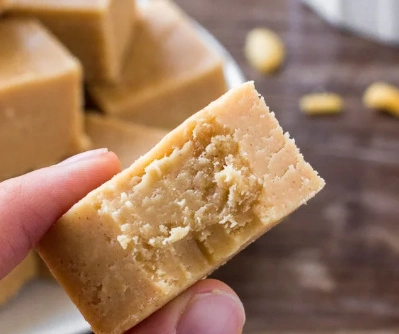
Leveling Up: Flavor Variations on Your Basic Peanut Butter Fudge Recipe
Once you've mastered the basic creamy peanut butter fudge, the world is your oyster. Here are some of my favorite ways to mix it up.
Chocolate Swirl: This is a classic for a reason. When you pour the fudge into the pan, don't spread it all the way. Melt 1/2 cup of chocolate chips with a teaspoon of shortening (for smoothness). Drizzle the chocolate over the fudge in the pan, then use a knife or skewer to swirl it through. You get gorgeous marbling and that unbeatable peanut butter-chocolate combo.
Crunchy Time: For texture lovers, fold in 1/2 to 3/4 cup of chopped peanuts, pretzel pieces, or even crushed potato chips (trust me, the sweet-salty crunch is incredible) right before you pour the fudge into the pan to set.
Maple Bliss: Replace the vanilla extract with pure maple extract, or add a tablespoon of real maple syrup when you add the peanut butter. It adds a warm, autumnal flavor that's perfect for holiday gift boxes.
The "Elvis": Add 1/2 cup of mashed ripe banana (very well mashed, no lumps) and 3-4 strips of cooked, crumbled bacon when you mix in the peanut butter. It sounds wild, but the sweet-salty-smoky profile is unreal. This is a crowd-pleaser at parties.
Don't be afraid to experiment. The best peanut butter fudge recipe is the one you tweak to make your own.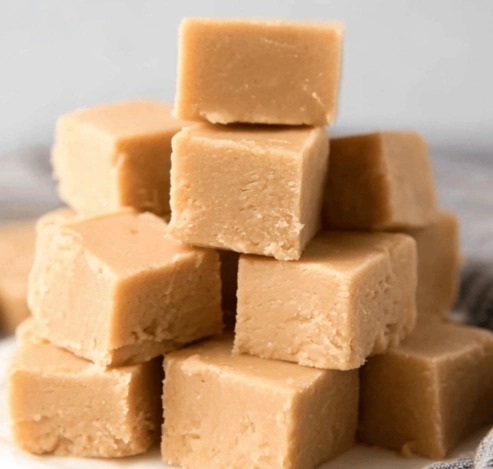
Gifting & Storing Your Homemade Masterpiece
You've made this amazing fudge. Now what? If you're not eating it all in one sitting (no judgment), here's how to keep it perfect.
Cutting it cleanly: Use a large, sharp chef's knife. For super clean cuts, you can briefly run the knife under hot water and wipe it dry between slices. This is especially helpful for the creamy microwave fudge.
Storage: Layer the squares between sheets of parchment or wax paper in an airtight container. This prevents them from sticking together. A cool, dark pantry is fine. If your kitchen is warm, the fridge is safer. The cold will make the fudge firmer.
Gifting: Small cardboard boxes, mini parchment paper liners, and a simple ribbon make for beautiful, thoughtful gifts. Tie on a tag with the flavor! A homemade treat like this means so much more than something store-bought.
Look, at the end of the day, making candy at home should be fun. It's a little bit science, a little bit magic. Don't stress if your first batch of this peanut butter fudge recipe isn't perfect. Mine sure wasn't.
The key is to start with a reliable recipe—like the classic one here—understand the reasons behind the steps, and give it a go. Whether you choose the stovetop method for that authentic texture or the microwave for instant gratification, you're creating something delicious from scratch.
And really, is there anything better than the smell of peanut butter and sugar cooking on the stove, knowing you're about to have a pan of homemade fudge? I don't think so.
So grab your saucepan or your microwave bowl. It's time to make some fudge.
Reader Comments