What's Inside This Guide
Let's be real. The first time I tried to make a peanut butter smoothie, it was a disaster. I just threw a giant glob of the stuff into my blender with some milk and a banana, thinking it would be instant perfection. What I got was a clumpy, weirdly gritty mess that stuck to the roof of my mouth. Not exactly the creamy dream I was after. It tasted like peanut butter, sure, but the texture was all wrong. I almost gave up on the whole idea.
But here's the thing – I really, really like peanut butter. And smoothies are just so convenient. So I kept tinkering. A lot of tinkering. I talked to a nutritionist friend, read way too many blogs (some great, some not so much), and spent a small fortune on different nut butters, milks, and add-ins. I burned out one blender motor in the process. Sorry, blender.
Now, after all that trial and error, I feel like I've cracked the code. A good peanut butter smoothie isn't just a drink; it's a meal. It's what keeps me full from a 7 AM breakfast until lunch without a grumble. It's my go-to after a workout when I need protein but can't face another chicken breast. It's also the thing my kid will actually drink without a fuss on busy school mornings.
Why a Peanut Butter Smoothie is a Game-Changer
Before we get to the blender, let's talk about why you'd even want one. It's not just about taste, though that's a huge part. It's about what it does for you.
First off, the staying power. Peanut butter is packed with healthy fats and protein. When you blend it into a smoothie, those nutrients get combined with whatever else you're adding – fruits, greens, oats. This combo is magic for satiety. It digests slowly, giving you a steady stream of energy instead of a sugar spike and crash. I used to have a mid-morning snack every day without fail. After switching to a peanut butter protein smoothie for breakfast, I often forget about it until noon. That's a win in my book.
Then there's the versatility. Are you looking for a post-workout recovery drink? Boost the protein. Need a quick breakfast? Add some oats or chia seeds. Trying to sneak in more greens? A handful of spinach disappears beautifully. The peanut butter flavor is strong and comforting enough to tie almost any ingredient together without tasting "healthy" in a bad way.
And let's not forget nutrition. Peanut butter gives you more than just protein. It's a source of magnesium, potassium, and vitamin E. According to the USDA's FoodData Central, a two-tablespoon serving provides a solid nutrient punch. Of course, you have to watch the portion size – it's calorie-dense. But in a smoothie, a little goes a long way in creating richness and flavor.
My Personal Rule: I never skip the frozen banana. It's not just for sweetness. That creamy, almost ice-cream-like texture it creates is the perfect partner for peanut butter. It masks the "green" taste of spinach better than anything else I've tried.
The Foundation: Your Can't-Mess-It-Up Base Recipe
Everyone needs a starting point. This is my absolute basic, no-frills, works-every-time recipe. Think of this as your smoothie security blanket.
- Frozen Banana (1 medium): Non-negotiable for creaminess. Peel and chop before freezing.
- Peanut Butter (1.5 to 2 tablespoons): Start with 1.5. You can always add more.
- Liquid (1 to 1.25 cups): Milk (dairy, almond, oat, soy – your choice), or even water in a pinch.
- Protein Boost (optional but recommended): A scoop of vanilla or unflavored protein powder, or a big spoonful of Greek yogurt.
The method is simple, but order matters. Put the liquid in the blender first. Then add the peanut butter and protein powder (if using). Then top with the frozen banana. Starting with liquid at the bottom helps the blender blade move freely and pulls everything down into a vortex. Blend on high until it's completely smooth and looks like a milkshake. That's it. You now have a classic, delicious peanut butter banana smoothie.
Too thick? Add liquid a tablespoon at a time. Too thin? Next time, use less liquid or more frozen fruit. Not sweet enough? Your banana might not have been ripe enough before freezing. A tiny drizzle of honey or maple syrup can fix that.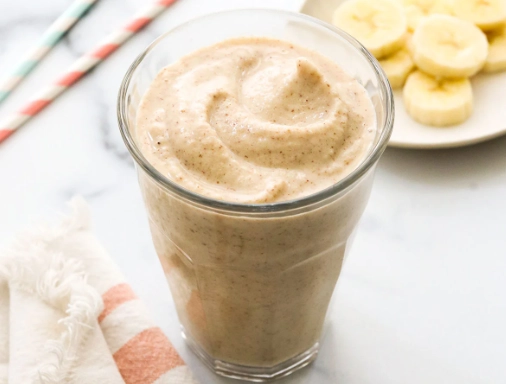
Choosing Your Peanut Butter: The Great Debate
This is where opinions get strong. Walk down any grocery aisle and you're faced with a wall of options. Here's the lowdown from my many, many taste tests.
The "Natural" Kind (Oil on Top): This is just peanuts and salt. No added sugars or hydrogenated oils. Health-wise, it's often the top choice. The taste is intensely peanutty. But here's the catch for smoothies – it can separate more easily and doesn't always blend into that ultra-smooth, creamy texture as seamlessly. You need to stir the jar really well before using. I like this for a more rustic, authentic peanut flavor.
The Conventional Kind (Skippy, Jif, etc.): These have added sugars, salt, and stabilizers (like hydrogenated oils) to keep the oil from separating. The flavor is sweeter and more consistent. And you know what? It blends like a dream into a super creamy, uniform peanut butter smoothie. It's also usually cheaper. The downside is the added sugar and processed oils. It's a trade-off between ideal texture and a "cleaner" ingredient list.
Powdered Peanut Butter (like PB2): This is dehydrated peanut butter with most of the fat removed. It's great if you're strictly watching calories or fat intake. You reconstitute it with water or just add the powder directly. The flavor is good, but it lacks the rich, fatty mouthfeel. Your smoothie will be thinner and less satiating. I use it sometimes when I want a lighter peanut butter hint, but it's not a true replacement for the real deal in my book.
Watch Out! Some "peanut butter spreads" have a very low peanut content and are loaded with palm oil and sugar. Always check the ingredients list. The first ingredient should be peanuts.
Leveling Up: Flavor & Nutrition Combinations
Once you've mastered the base, the world is your oyster. Or, more accurately, your smoothie cup. Here are my top-rated combinations, categorized by what you're trying to achieve.
For the Chocolate Lover
This one tastes like a dessert but can pass for breakfast. To the base recipe, add 1 tablespoon of unsweetened cocoa powder or cacao powder. A handful of dark chocolate chips (70% cacao or higher) blended in is next-level. For extra depth, a pinch of instant coffee granules works wonders. This is my favorite indulgent healthy peanut butter smoothie.
The Green Machine (You Won't Taste the Greens)
Don't be scared. Add a big handful (about 1-2 cups) of fresh spinach or kale to the base. The banana and peanut butter completely overpower any vegetal taste. You get a vibrant green color and a huge nutrient boost without changing the flavor profile. I promise. Start with spinach as it's milder than kale.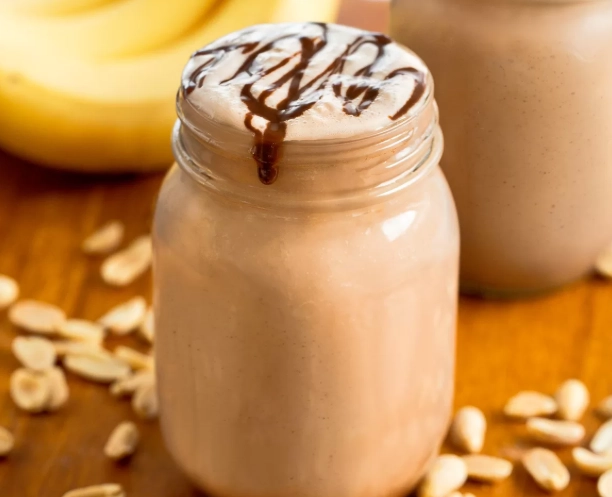
The Berry Blast
Swap the frozen banana for 1 cup of mixed frozen berries (strawberries, blueberries, raspberries). The tartness of the berries cuts through the richness of the peanut butter beautifully. You might need an extra half tablespoon of peanut butter or a touch of sweetener to balance the tartness, depending on the berries.
The Coffee Kickstarter
Replace half of the liquid in your base recipe with cold brew coffee or cooled strong brewed coffee. It creates a fantastic mocha-peanut butter situation that's perfect for morning fuel. Add the cocoa powder from the chocolate version for a double hit.
I made a table to help you mix and match based on your goals. It's my personal cheat sheet.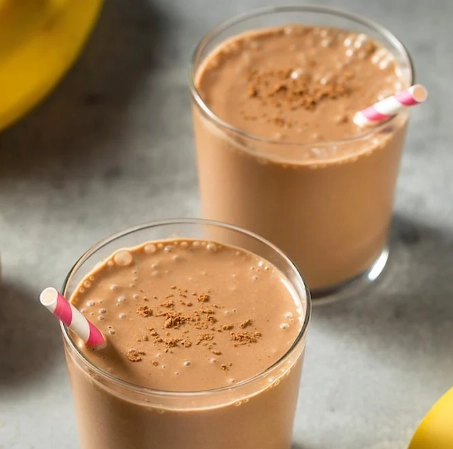
| Your Goal | Key Add-In | Why It Works | My Go-To Combo |
|---|---|---|---|
| Maximize Creaminess | ½ an avocado OR ¼ cup canned coconut milk (full-fat) | Adds healthy fats for a luxuriously thick, smooth texture that sticks to your ribs. | Base + Avocado + Spinach |
| Boost Protein | Scoop of protein powder OR ½ cup cottage cheese | Dramatically increases protein content for muscle repair and satiety. Cottage cheese blends surprisingly creamy. | Base + Chocolate Protein Powder |
| Add Fiber & Carbs | ¼ cup rolled oats OR 1 tbsp chia seeds | Oats thicken and add slow-burning carbs. Chia seeds expand, adding fiber and creating a pudding-like texture if you let it sit. | Base + Oats + Cinnamon |
| Antioxidant Power | 1 tsp ground flaxseed OR ½ tsp turmeric + black pepper | Flax adds omega-3s. Turmeric is a potent anti-inflammatory, but you need the pepper for absorption. | Base + Berries + Flaxseed |
The Nitty-Gritty: Blender Tips and Texture Troubleshooting
You can have the best ingredients and still end up with a mediocre smoothie if your technique is off. Here's what I've learned the hard way.
Frozen Fruit is Your Best Friend. It eliminates the need for ice, which can water down the flavor as it melts. Frozen fruit gives you a cold, thick, creamy consistency. I buy fresh bananas and berries in bulk, prep them, and freeze them myself in zip-top bags. It's cheaper and I always have smoothie fodder ready.
The Layering Order. I mentioned it before, but it's worth repeating. Liquid first, then powders (protein, cocoa, spices), then soft ingredients (peanut butter, yogurt), then frozen fruits and hard items on top. This creates a vortex that pulls everything down smoothly. Putting a frozen brick of fruit directly on the blades can stall even a good blender.
Blend Time. Don't just pulse and pour. Blend on high for a full 45-60 seconds. You want it completely homogenous. You shouldn't see any specks or streaks. A truly great peanut butter smoothie has the mouthfeel of a melted milkshake.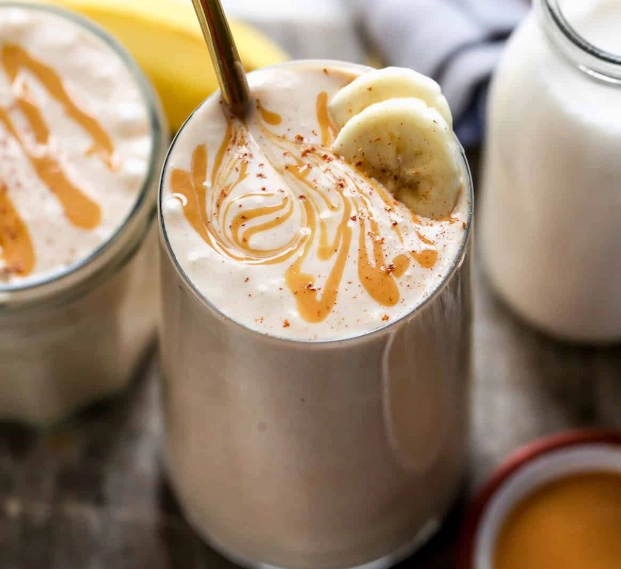
Texture Rescue Mission:
Too thin? Add more frozen fruit, a handful of ice, a tablespoon of oats, or half a banana.
Too thick? Add liquid, one tablespoon at a time, with the blender running on low if possible.
Too chunky/gritty? Your blender might not be powerful enough for the frozen fruit. Try using slightly less frozen stuff or letting it sit for 5 minutes to soften a touch before re-blending. A high-powered blender (like a Vitamix or Blendtec) is a game-changer, but a decent mid-range one can do the job with the right technique.
Answering Your Peanut Butter Smoothie Questions
A Few Parting Thoughts (And One Confession)
The beauty of the peanut butter banana smoothie, or any of its variations, is that it's forgiving. Once you understand the basic ratios – liquid to solid, sweet to rich – you can freestyle with what you have in your kitchen. Don't have a banana? Try frozen mango. Out of spinach? Toss in some leftover cooked cauliflower (it sounds weird, but it's brilliant for thickness and you can't taste it).
My confession? I still sometimes buy the conventional, sugary peanut butter. Not always, but sometimes. When I've had a long week and I just want that nostalgic, ultra-creamy, diner-style shake texture, that's what I reach for. And you know what? It makes a fantastic smoothie. The goal isn't perfection; it's finding what works for your taste, your health goals, and your life.
Because at the end of the day, the best peanut butter smoothie recipe is the one you'll actually make and enjoy, again and again. Now, if you'll excuse me, I think it's time for my afternoon blend.
Reader Comments