Quick Navigation
Let's be real. The first time I saw a jar of reduced fat peanut butter on the shelf, I just stared at it. It felt... wrong. Peanut butter is supposed to be rich, creamy, and yes, a little bit fatty. That's the whole point, right? Taking the fat out seemed like making decaf coffee or alcohol-free beer – a compromise that misses the essence of the thing. But then my doctor started talking about cholesterol numbers, and that little jar started looking a bit more interesting.
Maybe you're in a similar spot. You love peanut butter, but you're watching your calories, trying to manage your weight, or just want to make what feels like a healthier choice. The regular stuff can feel like a guilty pleasure. So the question is, does reduced fat peanut butter actually solve that problem, or does it just create new ones?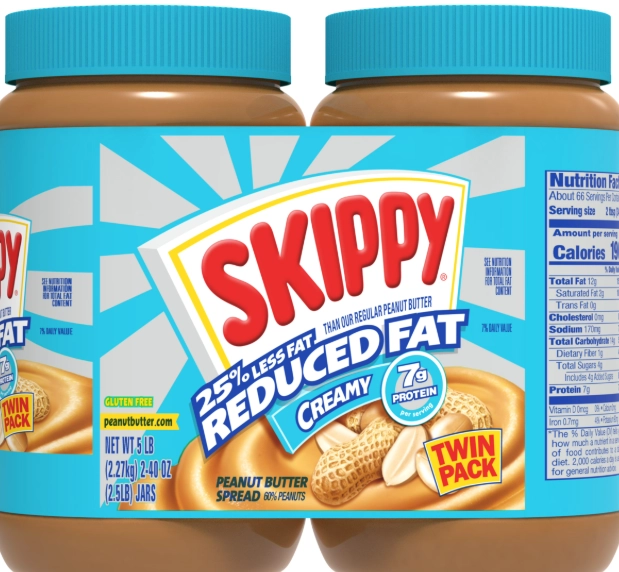
I spent weeks digging into this, tasting more jars than I care to admit (some were great, some were like sweetened paste), and reading more nutrition labels than a dietitian. This isn't just a quick Google summary. I want to give you the full, unvarnished picture of what you're really getting into.
The bottom line upfront? It's not a simple yes or no. Reduced fat peanut butter can be a useful tool for specific goals, but you have to be a smart shopper. Sometimes, the regular stuff is actually the better choice. Confused? Don't worry, we'll break it all down.
What Exactly Is Reduced Fat Peanut Butter, Anyway?
This seems obvious, but it's the most important place to start. By definition, reduced fat peanut butter must contain at least 25% less fat than the traditional product it's compared to. The U.S. Food and Drug Administration (FDA) has strict rules for this kind of labeling. So if a regular peanut butter has 16g of fat per serving, a reduced-fat version must have 12g or less.
But here's the catch – and it's a big one. Peanuts are naturally about 50% fat by weight. You can't just magic that fat away. To make a low fat peanut butter, manufacturers have to remove a significant portion of the peanut oil. What are you left with? Mostly peanut solids. On its own, that would be a dry, crumbly, not-very-spreadable mess.
So, what do they do? They add stuff back in. This is the critical moment that makes or breaks the product. To replace the lost creaminess and mouthfeel, companies typically add:
- Extra sugar (corn syrup solids, sugar, molasses) – This is the most common filler. It adds sweetness and bulk.
- Starches and gums (like maltodextrin, cornstarch, or soy protein isolate) – These act as thickeners and stabilizers to prevent the product from separating and to mimic the texture of fat.
- More salt – To boost flavor that might be lost with the fat.
This ingredient swap is the heart of the debate. You're trading natural peanut fat for a cocktail of added sugars and processed fillers. Is that a good deal? Let's look at the numbers.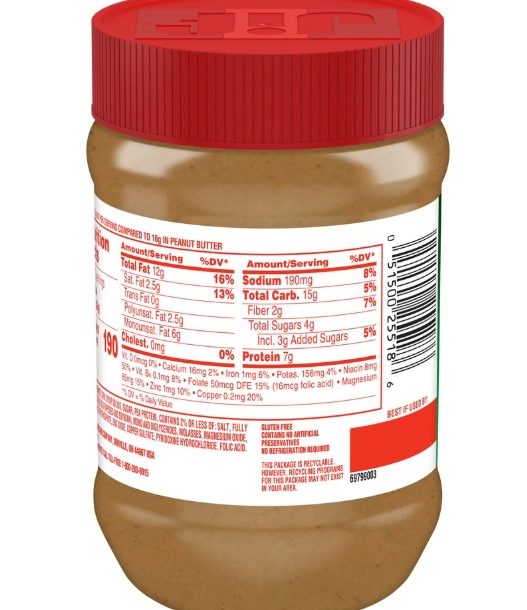
The Nutrition Label Showdown: Regular vs. Reduced Fat
I pulled data from the USDA FoodData Central for standard peanut butter and compared it to labels from several leading reduced fat peanut butter brands. Seeing it side-by-side is eye-opening.
| Nutrient (per 2 tbsp serving) | Regular Peanut Butter (USDA Average) | Typical Reduced Fat Peanut Butter | What's the Change? |
|---|---|---|---|
| Calories | ~190 kcal | ~190-200 kcal | Wait, the same or even MORE? |
| Total Fat | 16 g | 12 g | Down 25% (as promised) |
| Saturated Fat | 3 g | 2-2.5 g | Slightly lower |
| Carbohydrates | 7 g | 15-17 g | More than doubled |
| Sugars | 3 g (natural) | 4-6 g (mostly added) | Significantly higher |
| Protein | 8 g | 7-8 g | Roughly the same |
| Fiber | 2 g | 2 g | Same |
See that? The calorie count is a wash. You're not saving any energy by switching. You're just swapping one type of calorie (fat) for another (carbs and sugar). This is the number one thing people get wrong about reduced fat peanut butter. If you're counting calories for weight management, this switch does almost nothing for you.
The American Heart Association generally advises focusing on the type of fat rather than just the amount, emphasizing a reduction in saturated and trans fats. The fat in peanuts is predominantly monounsaturated and polyunsaturated fat – the "good" kinds that are heart-healthy.
My personal take? I was genuinely shocked when I first compared these labels. I thought I'd be saving 50 or 60 calories. Nope. It felt a bit like a marketing trick. The big, bold "REDUCED FAT" on the front distracts you from the "now with more sugar" story on the back.
When Does Choosing a Reduced Fat Version Make Sense?
Okay, so it's not a calorie-saver. Does that mean it's useless? Not necessarily. There are a few specific scenarios where it might be the right pick for you.
1. You're on a strict, lower-fat diet for medical reasons. Some people have specific medical conditions (like certain pancreatic issues) where a healthcare professional has explicitly recommended reducing overall fat intake. In this case, hitting that fat gram target is the priority, and a reduced fat peanut butter can help you enjoy a favorite flavor while staying within limits. Always follow your doctor's or dietitian's advice here.
2. You genuinely prefer the taste and texture. Taste is subjective! Some people find regular peanut butter too heavy or oily. The lighter, sweeter, and sometimes fluffier texture of a reduced-fat version might just be what you like. I tried one brand that was incredibly smooth and easy to spread straight from the fridge – something you rarely get with natural peanut butter. If that's your jam (pun intended), go for it.
3. You're using it as a specific ingredient in recipes. This is a niche but valid point. Sometimes in baking or cooking, the altered texture of low fat peanut butter can be an advantage. It might incorporate into a batter more easily or provide a less oily finish to a sauce. It's worth experimenting with if you're a kitchen tinkerer.
The Big Problem: The Sugar Spike
Let's talk about that added sugar. This is my biggest gripe with most mainstream reduced fat peanut butter options.
Fat is what slows down digestion. It helps create a feeling of fullness and satisfaction (satiety) and leads to a slower, more steady release of energy. When you strip out the fat and add quick-digesting carbs and sugars, you change how your body processes the food.
You might get a quicker sugar rush, followed by a crash. More importantly, you might not feel as full for as long. So, you could end up eating more later. A article from Harvard T.H. Chan School of Public Health often discusses how dietary fats are crucial for satiety and nutrient absorption.
For someone managing blood sugar levels or insulin resistance, this is a serious consideration. The higher carbohydrate load and added sugars in many reduced-fat versions could be more disruptive than the healthy fats in regular peanut butter.
Pro Tip: If you want the fat benefits without the separation issue of natural peanut butter, look for "peanut butter powder" or "powdered peanut butter" (like PB2). You mix it with water. It's had most of the fat pressed out, but it usually has far less added sugar than jarred reduced-fat versions. The calories are much lower, too. It's not great on toast, but it's perfect for smoothies, oatmeal, or yogurt.
How to Pick a *Good* Reduced Fat Peanut Butter (A Shopping Guide)
If you've read all this and still think a reduced-fat option fits your needs, you need to be a label detective. Don't just grab the first jar you see. Here’s exactly what I look for, in order of importance.
- Ingredient List Length: Shorter is almost always better. The ideal list? Peanuts, sugar, salt, maybe a stabilizer. If you see corn syrup solids, maltodextrin, hydrogenated oils (trans fats!), and a bunch of unpronounceable things, put it back.
- Added Sugar Content: Compare the "Includes Xg Added Sugars" line. Aim for the absolute lowest you can find. Some are better than others. 1-2 grams of added sugar is decent. 4-6 grams is getting into dessert territory.
- Protein and Fiber: These are your friends for staying full. Make sure the protein count hasn't plummeted. It should still be around 7-8 grams per serving.
- Taste Test (Mentally): Are you buying it for health or taste? If it's for health and it tastes like chalk, you won't eat it. Find a balance.
A Quick Rundown of What's on the Shelves
Based on my pantry raid (this was a fun, if sticky, weekend), here's a totally subjective, non-sponsored ranking of a few common reduced fat peanut butter brands, focusing on the ingredient quality.
The "Not Bad, Actually" Tier: These surprised me with relatively clean labels.
- Justin's Classic Peanut Butter Spread (Reduced Fat): Their ingredient list is pretty simple: peanuts, powdered sugar, palm oil, salt. The added sugar is on the lower side. The texture is good. It's a solid choice if you want this category.
- Smucker's Natural Reduced Fat Peanut Butter: Peanuts, sugar, palm oil, salt. Again, a short list. It's a bit sweeter than Justin's but doesn't have the weird chemical aftertaste of some others.
The "Why Is This So Sweet?" Tier: These are the ones that made me pause.
- Jif Reduced Fat Creamy Peanut Butter Spread: It tastes good—like childhood. But the ingredient list is long: peanuts, corn syrup solids, sugar, pea protein, hydrogenated vegetable oils (soybean and rapeseed), and more. It has one of the higher added sugar counts. It's more of a peanut-flavored spread than a true peanut butter, in my opinion.
- Peter Pan Reduced Fat Creamy Spread: Similar story to Jif. Very sweet, very processed-tasting. Great if you have a serious sweet tooth, but not what I'm looking for nutritionally.
Honestly, after this experiment, I found myself leaning more towards natural regular peanut butter (just peanuts and salt) and just being mindful of my portion size. A tablespoon is surprisingly satisfying.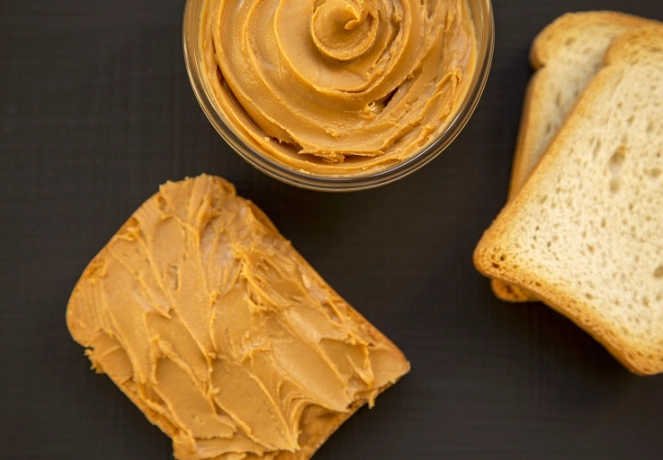
Answering Your Burning Questions (FAQ)
The Final Verdict: Should You Make the Switch?
Look, I'm not here to tell you what to eat. My goal is to give you the information so you can decide what's best for you.
Choose reduced fat peanut butter if:
- You have a specific medical directive to lower fat intake.
- You truly, honestly prefer its taste and texture over the regular stuff.
- You find one with a very clean ingredient list (minimal added sugars, no trans fats) and it fits your dietary goals.
Stick with regular peanut butter (especially the natural kind) if:
- Your main goal is calorie reduction or weight management (just watch the portion).
- You're concerned about added sugars and processed ingredients.
- You want the benefits of the healthy monounsaturated fats.
- You value a short, simple ingredient list ("Peanuts, Salt").
For me, the journey ended back at the natural peanut butter aisle. I realized I was chasing a health benefit (lower calories) that reduced fat peanut butter didn't actually provide. I'd rather have a smaller amount of the real thing – rich, satisfying, and made from just peanuts – than a larger portion of a processed substitute.
But your kitchen isn't my kitchen. Your tastes aren't my tastes. Maybe you'll try a few and find one you love. The key is to go in with your eyes open, read that label like a hawk, and understand the trade-off you're making: fat for carbs and sugar. If you're okay with that swap for your own reasons, then enjoy every last spoonful.
Just maybe don't eat it straight from the jar with a tablespoon like I do. Some habits are too good to give up, reduced fat or not.
Reader Comments