You know the scene. You buy a jar labeled "natural creamy peanut butter," full of healthy intentions. You open it, and there it is—a thick layer of oil floating on top of a dense, pasty block of peanuts. Your spoon hovers, defeated. Do you pour it off? Stir it in? Is this even worth it?
Let's cut through the hype. Natural creamy peanut butter isn't just a health fad; it's a fundamentally different ingredient than the shelf-stable, sugary spread most of us grew up with. I've been making my own for a decade, testing every brand on the market, and yes, dealing with more than my share of separation anxiety. This guide isn't about preaching. It's about giving you the straight talk on how to buy it, store it, and actually enjoy it in your kitchen.
Your Quick Peanut Butter Navigation
What Makes It "Natural" & Why It Matters
Forget the rustic packaging. The difference is brutally simple: the ingredients list.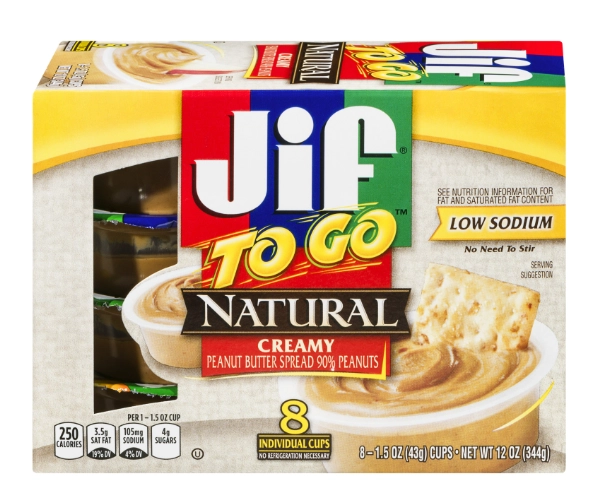
Pick up a standard jar of Jif or Skippy. You'll see: Roasted Peanuts, Sugar, Hydrogenated Vegetable Oils, Salt. Those hydrogenated oils are trans fats, added to keep the product perfectly smooth and never separate. The sugar is, well, sugar.
Now pick up a jar of Smucker's Natural or Adams 100% Natural. The list reads: Peanuts, Salt. Sometimes just Peanuts. That's it. The oil you see on top? That's the natural peanut oil coming out. No stabilizers, no added sugars (unless specified).
According to the U.S. Department of Agriculture's nutritional database, a two-tablespoon serving of natural peanut butter provides about 8 grams of protein and 16 grams of fat (mostly the heart-healthy monounsaturated and polyunsaturated kind). The processed version has similar numbers but swaps some of that healthy fat for trans fats and adds 2-3 grams of added sugar.
The health argument is clear, but for me, the flavor is the real win. Natural peanut butter tastes like...peanuts. It's nuttier, richer, and less cloyingly sweet. It behaves differently in recipes, which can be a curse or a superpower once you understand it.
How to Choose the Best Jar (The Label Decoder)
Not all "natural" jars are created equal. Here’s what to look for on the shelf.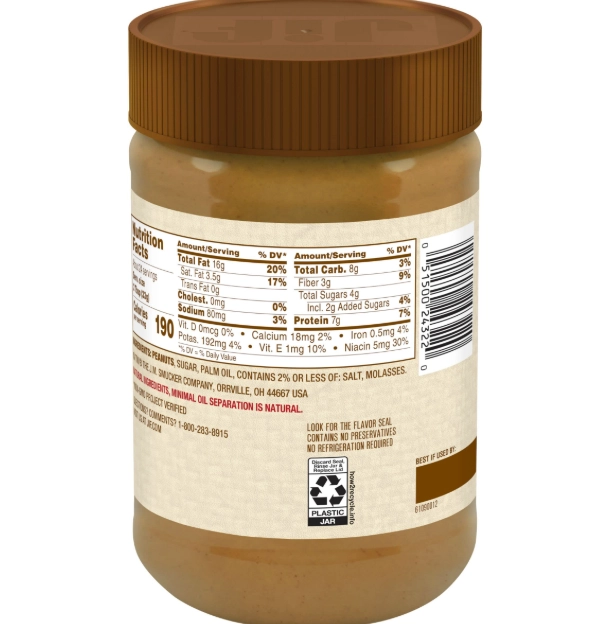
| What to Look For | What It Means | Brand Examples (for reference) |
|---|---|---|
| Ingredients: Just Peanuts (& Salt) | The gold standard. No added oils or sugars. | Adams 100% Natural, Smucker's Natural, Trader Joe's |
| "No Stir" or "Stir-Free" | Contains palm fruit oil or other natural stabilizers. Easier to use, but check it's non-hydrogenated. | Justin's Classic, Santa Cruz No-Stir |
| Added Sugar or Honey | Will be sweeter and often smoother. Defeats the "no added sugar" purpose for many. | Many store brands have a "Honey" variant |
| Roast Level (if stated) | Dark roast = deeper, almost coffee-like flavor. Light roast = milder, sweeter peanut taste. | MaraNatha has distinct roast profiles |
My personal take? Start with a two-ingredient brand. You need to experience the pure flavor first. The "no-stir" versions are a fantastic convenience, especially for kids' lunches, but I find the texture a bit too uniform, almost plastic. It loses that rustic, gritty charm.
Mastering Storage & The No-Mess Stir
This is the hurdle that makes people give up. Here’s the pro method.
First, storage. Before you even open it, store a new jar upside down in your pantry for a day or two. The oil rises to the (now) bottom. When you flip it back and open it, the oil distribution is already more even. After opening, always refrigerate. The cold thickens the oils and drastically slows re-separation.
Now, the stir. Don't use a spoon. Use a long, narrow butter knife or a chopstick. Scrape all the contents from the sides. Then, plunge your tool to the very bottom of the jar and start folding the hard paste up from the bottom into the oil. It's like kneading bread in the jar. It will take a minute of vigorous effort. Once fully combined, store it in the fridge. The next time you need it, it will be firm but spreadable, and you'll only need a quick 5-second re-stir.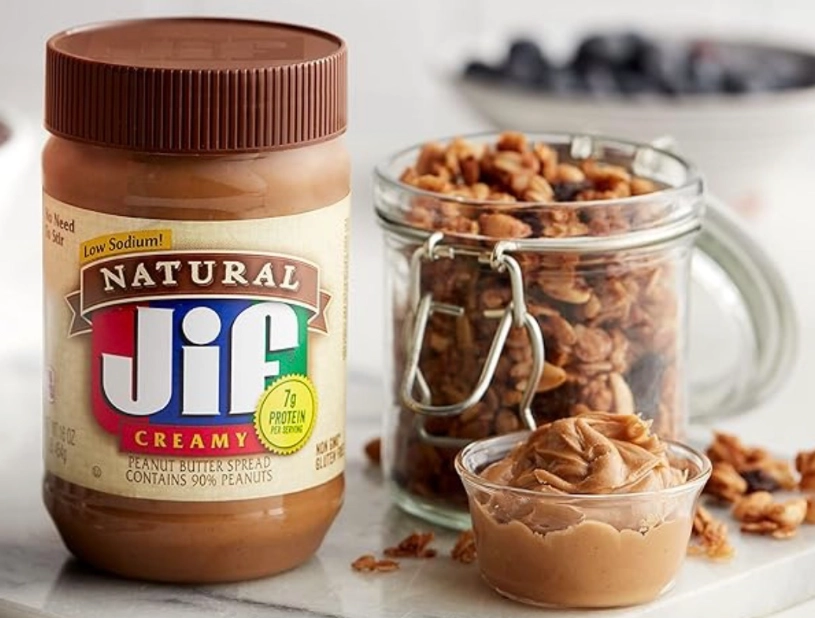
The biggest mistake I see? People pour off the oil. Don't. That oil is essential for creaminess and spreadability. Pouring it off leaves you with a dry, crumbly brick that's impossible to spread and lacks flavor. You're literally throwing away the good fat.
Using It: Moving Beyond the Toast
Natural creamy peanut butter is a kitchen workhorse. Its lack of stabilizers means it blends beautifully.
Savory Applications (The Game Changer)
This is where it shines. Whisk a couple of tablespoons into a Thai-style curry or satay sauce for instant body and nutty depth. Thin it with lime juice, soy sauce, and a little chili garlic paste for a killer salad dressing or noodle sauce. It makes a mean peanut sauce for spring rolls or grilled chicken.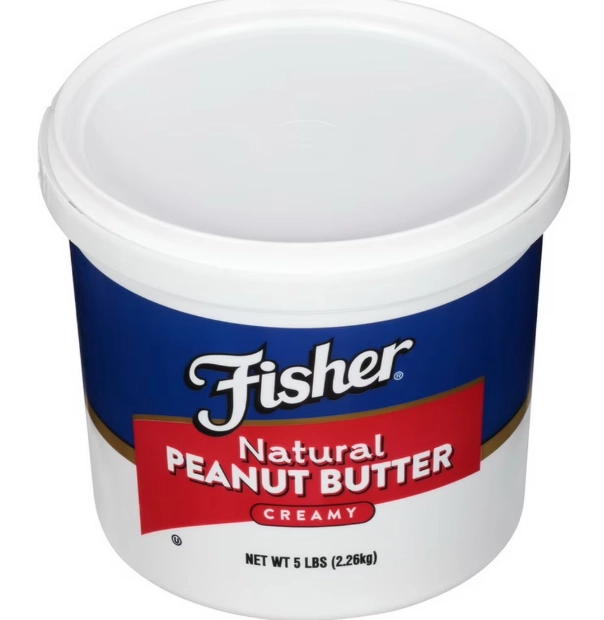
In Smoothies & Oats
It's the perfect protein and fat boost. It emulsifies into smoothies seamlessly, unlike the gritty texture you sometimes get with protein powder. Stir a spoonful into your morning oatmeal—it melts in, making it incredibly rich and satisfying.
The Baking Adjustment
You can't always do a 1:1 swap for processed peanut butter in baking. The different fat structure can lead to drier, more crumbly cookies. The fix? If a recipe calls for 1 cup of standard peanut butter, use 1 cup of natural, but reduce any other added fat (like butter or oil) by about 15%. Sometimes adding an extra tablespoon of a liquid sweetener like honey helps bind it.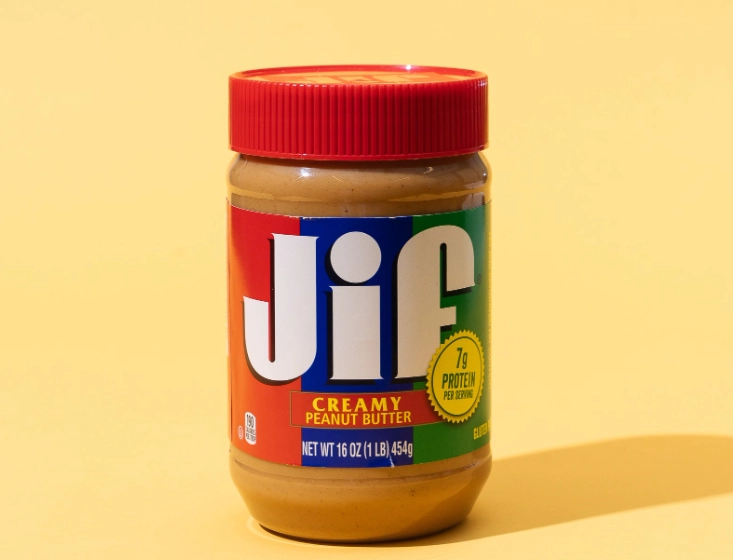
The 5-Minute, No-Fail Homemade Recipe
Why make your own? Total control over roast level, salt, and texture. It's cheaper. And honestly, it's satisfying.
You need: 16 oz (about 3 cups) roasted, unsalted peanuts; 1/2 tsp fine sea salt (optional); 1-2 tsp honey or maple syrup (optional); a food processor.
Steps:
- Dump peanuts (and salt/sweetener if using) into the food processor.
- Process for 1 minute. It will look like coarse sand.
- Scrape down sides. Process for another 2-3 minutes. It will form a ball, then suddenly collapse into a smooth, liquid paste. This is the magic moment.
- Process for another 30-60 seconds until it reaches your desired creaminess.
- Scrape into a jar. It will be runny but will set up in the fridge.
Expert Tip: For next-level flavor, use a mix of peanuts—some Spanish (small, red skin) for oil and some Virginia for sweetness. Roast them yourself for 10 minutes at 350°F before processing.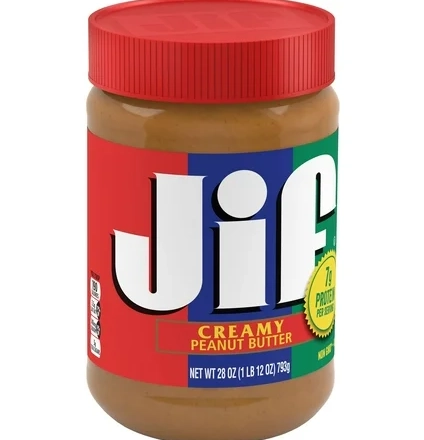
Your Top Questions, Answered
How do I stop natural creamy peanut butter from separating?
Store it upside down. Seriously, flip the new jar and leave it in the fridge for a day before using it. The oil rises to what was the bottom, and when you flip it back, gravity helps redistribute it more evenly as you use it. After opening, keep it refrigerated and give it a good, deep stir with a butter knife or chopstick once to combine. Don't just skim the surface.
Is natural creamy peanut butter good for weight loss?
It can be part of a weight management plan, but it's calorie-dense. The key is the healthy fats and protein that keep you full. The mistake is eyeballing it. A serving is two tablespoons, about 190 calories. Use a measuring spoon for the first week to train your eye. I've seen people easily double that on a slice of toast without realizing it.
What's the real difference between natural and regular peanut butter?
It's all in the ingredients list. Natural versions typically contain just peanuts and salt. Regular, commercial peanut butter adds hydrogenated oils (for stability and to prevent separation) and sugar. Those added oils are trans fats, which are terrible for heart health. The sugar adds empty calories. Natural peanut butter gives you pure peanut flavor and nutrition without the junk.
Can I use natural creamy peanut butter in baking?
You can, but you need to adjust. Because it lacks the stabilizers, baked goods can be more crumbly and dry. For cookies, reduce other fats (like butter) by about 10-15% and consider adding an extra tablespoon of a binding agent like honey or maple syrup. Don't swap it 1:1 in a recipe designed for stabilized peanut butter without testing first.
The bottom line? Natural creamy peanut butter asks for a little more effort. You have to stir it. You have to think about it differently in recipes. But what you get back is control—over what goes into your body and over the deep, authentic flavor in your food. Start with a good two-ingredient brand, master the stir, and try it in a savory sauce. You might not go back.
Reader Comments