Let's be honest. The idea of making fudge can be intimidating. You hear stories about sugar crystals, precise temperatures, and batches that never set. But peanut butter fudge? It's the friendly neighbor of the candy world. With a few key insights, it's one of the most forgiving and satisfying desserts you can make at home. I've been making it for years, for gifts, potlucks, and sheer personal therapy. I've also made every mistake in the book so you don't have to.
What's Inside This Peanut Butter Fudge Guide?
Why This Recipe Works (And Others Fail)
Most failed fudge comes down to one thing: temperature control. Traditional fudge is a science experiment involving supersaturated sugar syrup. Get the temperature wrong by a few degrees, and you have a sticky mess or a grainy brick.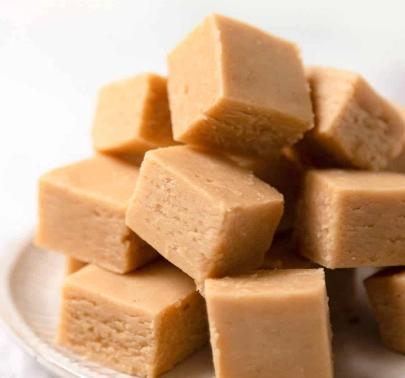
The beauty of the modern, condensed milk-based peanut butter fudge recipe is that it sidesteps the most finicky part. Sweetened condensed milk is already a stable, creamy, cooked dairy product. It acts as a safeguard. You're essentially melting together fats (butter, peanut butter) with this thick, sweet binder. It's more of a melt-and-mix operation than a candy thermometer marathon.
That said, you can't just throw it in a pot on high heat and walk away. There's still a crucial window. You need to melt and combine everything smoothly without scorching the dairy or breaking the peanut butter. Low and slow is the mantra here.
The No-Fuss, 4-Ingredient Classic Recipe
This is my go-to, the one I've made a hundred times. It's rich, it sets perfectly, and it's almost impossible to mess up.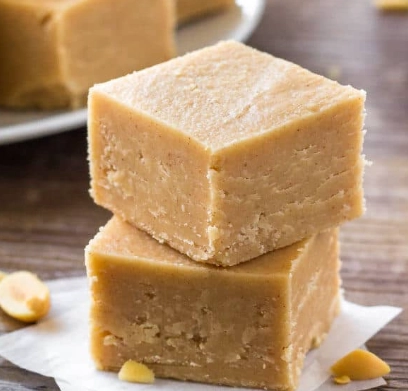
| Ingredient | Quantity | Key Purpose & Note |
|---|---|---|
| White granulated sugar | 2 cups | Provides structure and sweetness. Don't substitute with brown sugar here—it adds moisture and changes the texture. |
| Evaporated milk (not sweetened condensed) | 1/2 cup | This is the liquid that dissolves the sugar. Evaporated milk has less sugar than condensed, giving you more control. Using the wrong one is a top beginner error. |
| Unsalted butter | 1/2 cup (1 stick) | Adds richness and creaminess. Unsalted lets you control the salt level. Cut it into chunks so it melts evenly. |
| Creamy peanut butter | 1 cup | The star. Use a standard, homogenized brand for guaranteed results. A heaping cup is fine. |
| Pure vanilla extract | 1 teaspoon | Enhances flavor. Add it off the heat. |
| Salt (optional) | 1/4 tsp | Balances sweetness. I always add it. |
Step-by-Step Process
1. Prep Your Pan. Line an 8x8 inch baking pan with parchment paper, leaving an overhang on two sides. This is your lifeline for easy removal. Don't just grease the pan—fudge sticks.
2. The Simmer. In a heavy-bottomed medium saucepan (this prevents hot spots), combine the sugar and evaporated milk. Stir over medium heat until the sugar dissolves and the mixture comes to a full boil.
This is critical. You need to see active bubbles across the entire surface.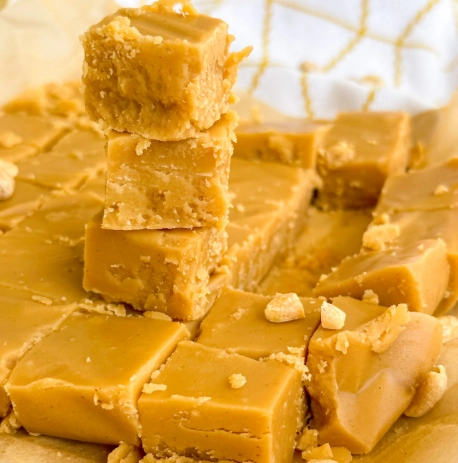
3. The Timed Boil. Once boiling, set a timer for 3 minutes. Stir constantly. Not occasionally. Constantly. This prevents crystallization on the sides of the pan and ensures even cooking. The mixture will bubble vigorously.
4. Combine & Beat. After 3 minutes, remove the pan from the heat. Immediately add the butter, peanut butter, vanilla, and salt. Don't delay. Stir vigorously until the butter and peanut butter are fully melted and the mixture is completely smooth and uniform. It will thicken as you stir.
5. Pour & Set. Pour the thick fudge into your prepared pan. Spread it evenly with a spatula. Let it cool at room temperature until firm. This takes a few hours. Do not refrigerate to speed it up—that can cause condensation and make the top sticky. Once set, use the parchment paper to lift the whole slab out onto a cutting board. Cut into 1-inch squares.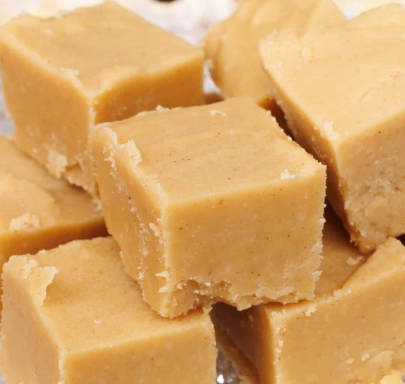
Pro Tips You Won't Find on the Sugar Bag
After countless batches, here's what I've learned the hard way.
The "Soft-Ball" Test (For Traditionalists). If you're not using condensed milk and are cooking sugar syrup, the target temperature is 234-240°F (112-116°C). But your thermometer might lie. Calibrate it by checking it in boiling water—it should read 212°F (100°C). If it's off, adjust your target accordingly. Better yet, do the cold water test: drop a bit of syrup into ice water. It should form a soft, pliable ball you can flatten with your fingers.
Stirring: The Double-Edged Sword. You must stir during the boiling phase to prevent burning. But once you add the peanut butter and start cooling, do not over-stir. Excessive stirring as it cools encourages sugar crystals to form, leading to graininess. Stir just until combined and smooth, then stop.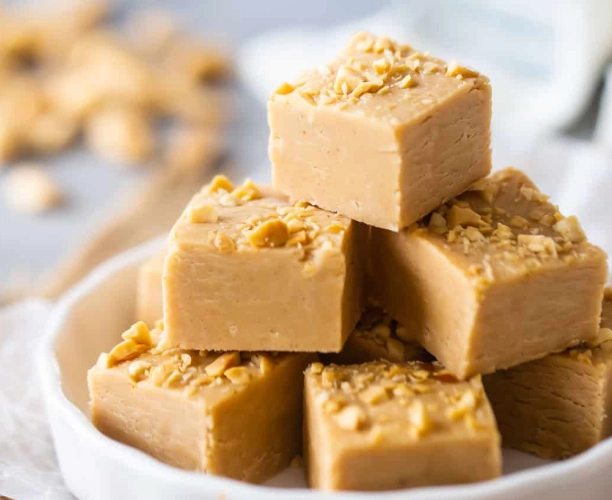
Add-Ins and Variations. Once the fudge is smooth in the pan, you can fold in: A cup of semi-sweet chocolate chips. A handful of crushed pretzels for a sweet-salty crunch. A swirl of melted chocolate on top after pouring.
Add them right before pouring, not during cooking.
Fixing Common Fudge Problems
It didn't set? It's grainy? Don't toss it.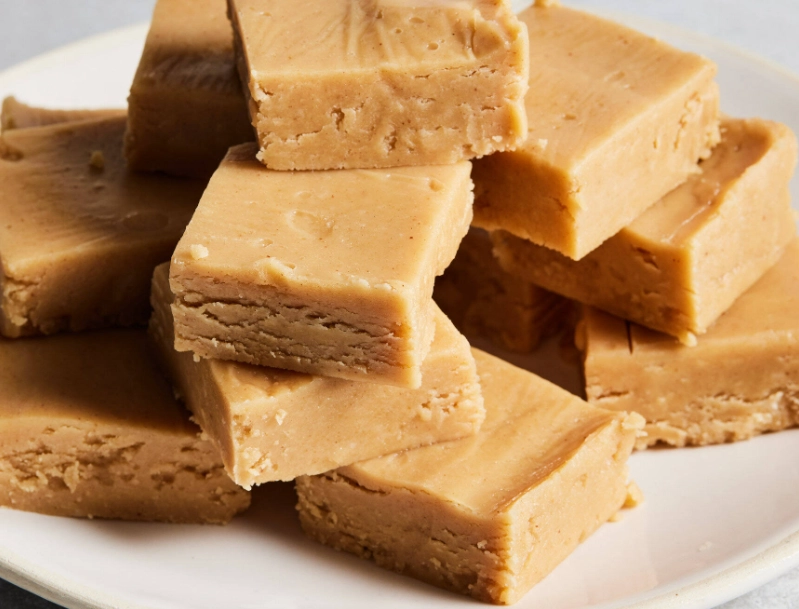
Too Soft or Oily: This usually means it wasn't brought to a full, rolling boil or boiled long enough. You can try re-melting it gently and boiling for another 60 seconds. Or, accept it as a fabulous fudge sauce for ice cream.
Grainy Texture: Sugar crystals formed. This is tough to fix completely, but you can re-melt the fudge with a tablespoon or two of evaporated milk and a pat of butter over very low heat, stirring until smooth. Re-pour and cool. It might be slightly softer.
Too Hard or Crumbly: It was likely overcooked or stirred too much after cooking. Crumble it over ice cream or yogurt as a topping.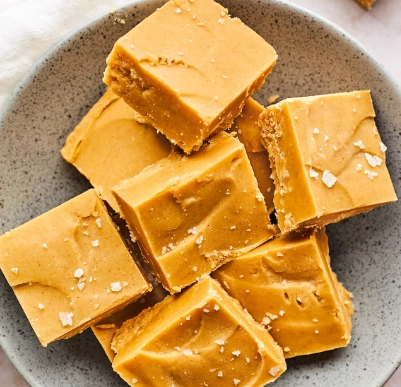
Your Top Peanut Butter Fudge Questions
Making peanut butter fudge should feel like a treat, not a test. Start with the simple recipe, respect the heat, and don't overcomplicate it. The worst that can happen is you get a batch that's a bit too soft—which, dipped in a little extra peanut butter, isn't the worst fate in the world. Give it a try this weekend. You might just find your new favorite thing to make.
Reader Comments