Navigate This Guide
- Why Is There Sodium in Peanut Butter, Anyway?
- A Deep Dive Into the Numbers: Brand-by-Brand Sodium Comparison
- Is That Sodium Level Actually High? Putting It in Perspective.
- How to Find a Truly Low Sodium Peanut Butter (It's Trickier Than You Think)
- Health Implications: Why Should You Even Care About Sodium in PB?
- Your Questions, Answered (The Stuff You're Actually Searching For)
- Final Thoughts and My Recommendation
So you're standing in the grocery aisle, jar in hand, wondering just how much sodium is in peanut butter. You're not alone. I've been there too, squinting at the tiny Nutrition Facts label, trying to decide if that number is something I should worry about. Is it a lot? Is it a little? Does it even matter? Let's cut through the noise and get some clear answers.
The short answer is: it depends. Wildly. A standard two-tablespoon serving of your average supermarket peanut butter (think Jif or Skippy) can pack anywhere from 120 to 200 milligrams of sodium. But then you look at a jar of "natural" or "unsalted" stuff, and the number can plummet to 5 mg or even zero. That's a huge difference, and it completely changes the health conversation around this pantry staple.
I remember once buying a store-brand "creamy" peanut butter without checking, assuming all PB was created somewhat equally. Big mistake. When I finally looked, the sodium content was shockingly high—it tasted saltier than I expected, too. That experience sent me down this rabbit hole, and what I found was pretty eye-opening. It's not just about the number; it's about why the sodium is there, what it means for your health, and how to make the best choice without sacrificing taste.
Key Takeaway Right Off the Bat: If you're watching your salt intake, the type and brand of peanut butter you choose is one of the easiest dietary switches you can make. You can drastically cut sodium without giving up your favorite sandwich spread.
Why Is There Sodium in Peanut Butter, Anyway?
Let's start with the basics. Peanuts themselves contain a tiny, negligible amount of natural sodium. So where does the rest come from? In most conventional peanut butters, salt is added for three main reasons.
First and foremost, flavor. Salt enhances and balances flavors. It cuts through the natural oiliness and richness of the peanuts, making the butter taste... well, less flat. Without it, the peanut flavor can seem one-dimensional to a palate used to seasoned foods.
Second, it acts as a preservative. While peanut butter's low moisture content and high oil content already make it fairly stable, salt helps inhibit microbial growth, contributing to that famously long shelf life. This is less of a concern with modern refrigeration and stabilizers, but it's part of the historical recipe.
And third, it's a texture and stabilizer aide. In products that use hydrogenated oils to prevent separation (that "no-stir" kind), the salt interacts with the overall formulation. Some brands also use sodium-based additives or emulsifiers, which can add to the total sodium count listed on the label.
The real question isn't just "how much sodium in peanut butter" but "what kind of peanut butter are we talking about?" The processing makes all the difference.
A Deep Dive Into the Numbers: Brand-by-Brand Sodium Comparison
Alright, let's get specific. Talking in generalities is useless. You need to see the numbers side-by-side to make sense of it. I've compiled data from standard Nutrition Facts labels (per 2-tablespoon serving, which is about 32 grams) and from the USDA's FoodData Central database, which is a fantastic, trustworthy resource for this kind of info.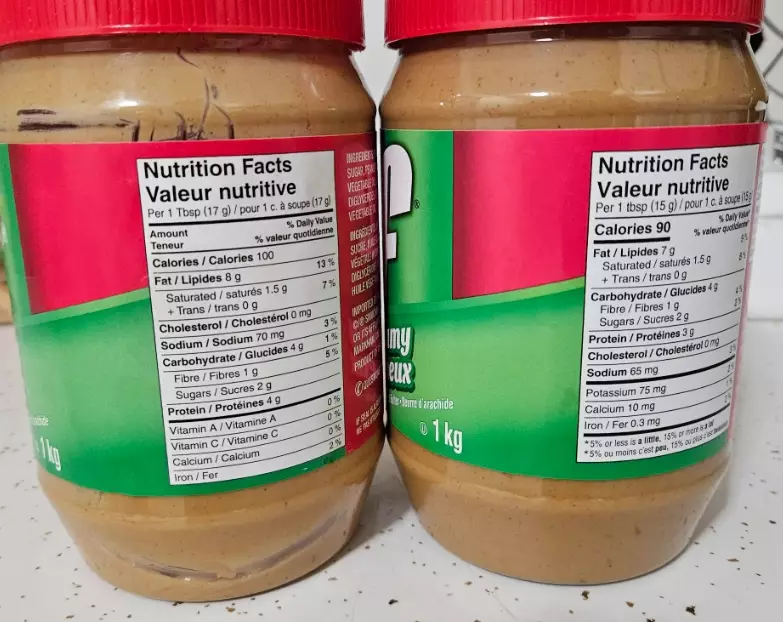
Here’s a breakdown that shows you exactly what you're dealing with.
| Brand & Type | Sodium (mg per 2 tbsp) | Notes & What It Means |
|---|---|---|
| Jif Creamy | 135 mg | The classic. This is your benchmark for mainstream, sweetened peanut butter. |
| Skippy Creamy | 150 mg | Very similar to Jif, maybe a touch saltier to some tastes. |
| Peter Pan Creamy | 160 mg | Consistently on the higher end of the major national brands. |
| Great Value (Walmart) Creamy | 140 mg | Store brands typically mirror the big names in formulation. |
| Smucker's Natural Creamy (with salt) | 115 mg | "Natural" often means just peanuts, salt, and maybe sugar. Sodium is lower but not gone. |
| Smucker's Natural Creamy (no salt) | 0 mg | This is the gold standard for low-sodium PB. Just peanuts. |
| Justin's Classic Peanut Butter | 110 mg | Another popular "natural" brand, but still includes some salt for taste. |
| Crazy Richard's 100% Peanuts | 0 mg | Nothing but ground peanuts. The ultimate in purity and zero sodium. |
| Powdered Peanut Butter (e.g., PB2) | 70-100 mg | When reconstituted. The powder itself has much less fat but watch for added salt/sugar. |
See the pattern?
The conventional, big-name brands with added sugars and hydrogenated oils hang out in that 135-160 mg range. The "natural" brands that list "peanuts, salt" as ingredients drop to around 100-120 mg. And the truly no-salt-added versions hit zero or near-zero. This table alone should answer most people's basic question of how much sodium in peanut butter they're likely to find.
It's worth checking the USDA's entry for peanut butter, chunk style, with salt. They list an average of 152 mg per serving, which lines up perfectly with what we see on shelves. For the pure stuff, their entry for peanut butter without salt confirms the negligible amount.
Is That Sodium Level Actually High? Putting It in Perspective.
Okay, so Jif has 135 mg. Is that bad? Let's frame it.
The American Heart Association recommends no more than 2,300 milligrams of sodium per day for most adults, with an ideal limit of 1,500 mg for those with hypertension or heart concerns. Let's use the 2,300 mg mark.
One serving of conventional peanut butter (135 mg) represents about 6% of your daily limit. That's not nothing, but it's also not a deal-breaker if you have it once a day. The problem, as with many foods, is portion creep and cumulative intake.
Think about it this way: If you have a PB&J sandwich with two servings of peanut butter (who measures perfectly?), that's ~270 mg of sodium just from the spread. Add bread (150-300 mg per two slices), and maybe a glass of milk. Suddenly, that seemingly simple lunch is contributing a significant chunk of your daily sodium budget before you even touch a chip or a pickle.
For someone actively trying to lower their blood pressure or manage heart health, those milligrams add up fast. Swapping to a no-salt-added version for your daily peanut butter habit could save you over 100 mg per serving, which over a week or month is a substantial reduction with zero effort or sacrifice in other areas of your diet.
It's not that peanut butter is a sodium bomb like canned soup or processed meats. It's more of a sleeper agent—a food people don't think of as salty, so they don't account for it. Knowing how much sodium is in your specific peanut butter brings it into your awareness.
How to Find a Truly Low Sodium Peanut Butter (It's Trickier Than You Think)
You'd think you could just grab any jar labeled "natural" or "organic" and be good, right? Not always. Marketing is sneaky.
Here’s my practical, no-nonsense guide to navigating the labels.
Step 1: Ignore the Front of the Jar
Seriously. Words like "Natural," "Simple," "Healthy," or even "Reduced Sodium" are not regulated in a strict, consistent way for peanut butter. A "Reduced Sodium" version might have 25% less salt than the brand's original, but if the original had 200 mg, the reduced one still has 150 mg—not exactly low.
Step 2: Go Straight to the Ingredient List
This is the only place that doesn't lie. You're looking for one of two things:
- The Gold Standard: "Peanuts." That's it. Just one ingredient. This guarantees minimal natural sodium only.
- The Acceptable Standard: "Peanuts, Salt." Two ingredients. This will have added sodium, but you can at least see it's the only addition.
Run away from lists that include: "hydrogenated vegetable oils," "palm oil," "corn syrup solids," "mono and diglycerides." These often accompany higher sodium levels and other less-desirable additives.
Step 3: Now Check the Nutrition Facts Panel
Match the ingredient list to the number. For a "Peanuts, Salt" product, sodium might range from 80-120 mg. For a "Peanuts" only product, it should be 0-5 mg. This is the final verification.
A quick personal rant.
I've seen "Natural" peanut butter with "Peanuts, Salt, Sugar, Palm Oil" on the list. That's four ingredients, and the palm oil is in there to prevent separation so you don't have to stir it. To me, that defeats the purpose of going "natural" in the first place. You're getting the salt and sugar anyway, plus an extra processed fat. Just get the regular kind and save money, or commit fully to the one-ingredient jar and give it a good stir.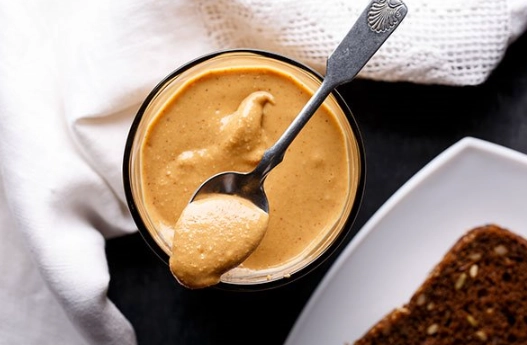
Health Implications: Why Should You Even Care About Sodium in PB?
Maybe you're thinking, "It's just peanut butter. I eat pretty healthy." I get it. But sodium's effect is cumulative and insidious. It's not about one food; it's about your whole day's pattern.
High sodium intake is strongly linked to high blood pressure (hypertension), which is a major risk factor for heart disease and stroke. The American Heart Association is very clear on this. For many people, reducing dietary sodium is one of the most effective non-drug ways to lower blood pressure.
Now, peanut butter also brings good stuff to the table: protein, healthy unsaturated fats, fiber, vitamins, and minerals. It's a nutrient-dense food. The goal isn't to villainize it, but to optimize it. By choosing a lower-sodium version, you maximize the health benefits (heart-healthy fats) while minimizing a potential risk (excess sodium). You're tilting the ratio in your favor.
For individuals with specific conditions like hypertension, kidney disease, or heart failure, paying attention to sodium in all sources—even unsuspecting ones like peanut butter—is a critical part of management. It's one less thing for your body to handle.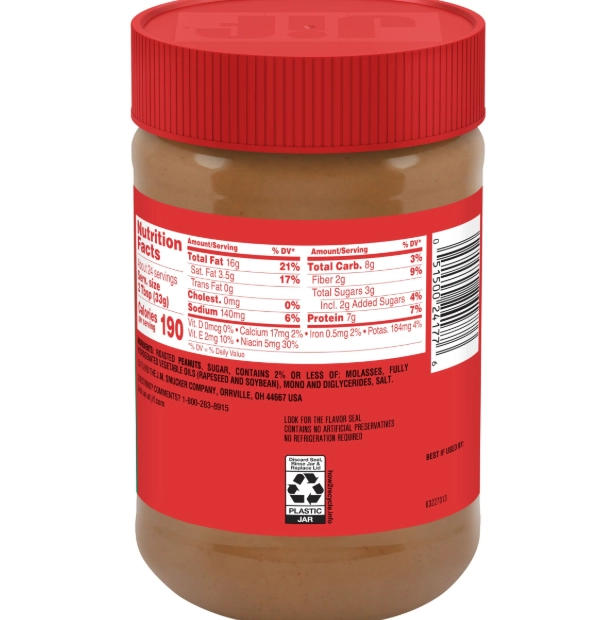
The Bottom Line on Health: If you're generally healthy and eat a varied diet, the sodium in a serving of standard peanut butter isn't a crisis. But if you eat it frequently, or if you are among the many adults managing blood pressure, switching to a low- or no-sodium peanut butter is a simple, painless, and impactful win. Why not take the easy win?
Your Questions, Answered (The Stuff You're Actually Searching For)
Final Thoughts and My Recommendation
Figuring out how much sodium in peanut butter matters most is a personal calculation. It depends on your health, your overall diet, and how much peanut butter you actually eat.
For me, the switch to a one-ingredient, stir-required, no-salt-added peanut butter was a game-changer. The first week was an adjustment—I missed the familiar salty-sweet hit. But now? I can't go back. The conventional stuff tastes cloyingly sweet and artificial to me. I get a deeper, richer peanut flavor that doesn't leave me thirsty. And I love knowing exactly what I'm eating.
My simple advice is this: Experiment. Buy one small jar of a "peanuts only" peanut butter. Try it for a week. Use it in ways where other flavors complement it (with jelly, in a savory satay sauce, with honey). See how you feel. The potential health upside is free, and the taste adventure costs only a few dollars.
At the very least, become a label reader. Know the answer to "how much sodium is in *my* peanut butter?" That awareness alone puts you in control of your choices, and that's always a healthy place to be.
Reader Comments