My first batch of homemade peanut butter cookies was a disaster. They looked like flat, greasy puddles with a strange sandy texture. I followed a recipe I found online to the letter—or so I thought. Turns out, the devil with baking is in the details nobody talks about. Was the butter too soft? Did I use the wrong peanut butter? I was determined to crack the code.
After a decade of tweaking, testing, and eating more cookies than I care to admit, I’ve landed on a method that works every single time. It’s not about fancy ingredients. It’s about understanding a few simple principles. Forget the mystery. Let’s make cookies that are actually good.
What You'll Find Inside
Why Bother Making Peanut Butter Cookies at Home?
You can buy a tub of cookies for a few bucks. So why make them? Control. When you bake at home, you decide what goes in. No weird preservatives, no excessive sugar levels you can’t adjust. The flavor is also incomparable—warm, rich, and deeply peanutty in a way a packaged cookie sitting on a shelf for weeks can never be.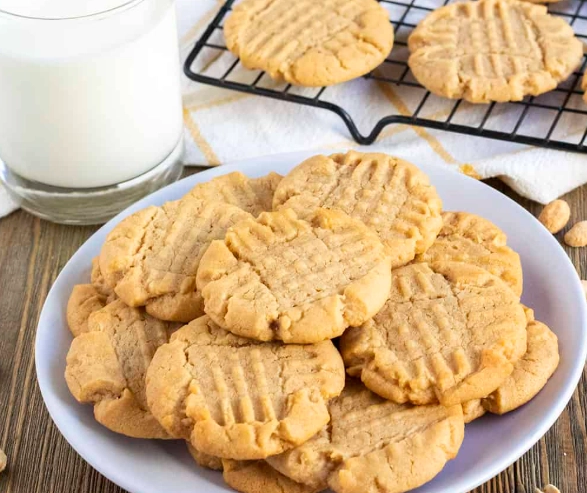
It’s also surprisingly cheap. A batch of two dozen cookies costs a fraction of what you’d pay at a bakery. And there’s a simple joy in the process. The smell alone is worth the effort.
The Ingredient Breakdown: What You Really Need to Know
Most recipes list the same basic ingredients. But the type and condition of those ingredients make all the difference. Let’s get specific.
Peanut Butter: The Star of the Show
This is the biggest variable. I see a lot of debate about natural vs. conventional. Here’s my take after countless tests.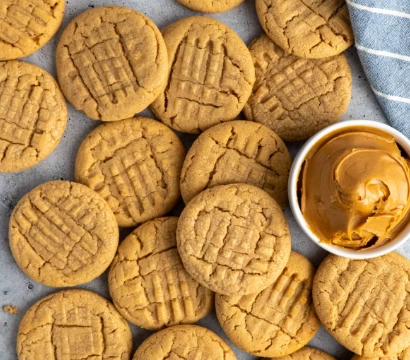
Conventional, shelf-stable peanut butter (like Jif or Skippy) is the safest bet for beginners. The added oils and emulsifiers give the dough a predictable consistency, leading to cookies that spread just right and stay soft. The sugar and salt content is consistent.
Natural peanut butter (just peanuts and salt) gives a more intense peanut flavor. But you must stir it until it’s completely homogenous. If there’s any oil separation, your cookie texture will be off—greasy or dry. The dough might be a bit looser, sometimes needing an extra spoonful of flour.
Avoid “powdery” or low-fat peanut butters. You need the fat for texture.
Butter: Softened, Not Melted
This is the mistake I made on my first try. “Softened” butter should be cool to the touch, around 65-67°F. You should be able to press a finger into it and leave a clear indent, but your finger shouldn’t sink through into a puddle. If it’s shiny or oily, it’s too warm. Melted butter makes cookies spread too much and turns them greasy.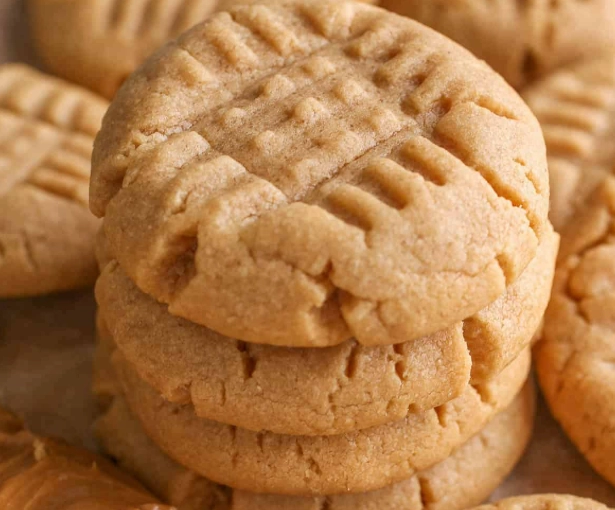
Flour: How You Measure It Is Critical
The #1 reason for dry, crumbly cookies? Too much flour. Never scoop your measuring cup directly into the flour bag. You’ll pack in way too much. Instead, spoon the flour lightly into your measuring cup and level it off with the back of a knife. This “spoon and level” method is non-negotiable for consistent results.
| Ingredient | Role in the Cookie | Pro Tip / Watch Out For |
|---|---|---|
| Peanut Butter | Provides flavor, fat, and protein. Acts as a binder. | Use creamy for classic texture. For natural PB, stir thoroughly first. |
| Butter | Adds richness, aids in spreading, and creates tenderness. | Must be softened to room temp. Not cold, not melted. |
| Sugar (White & Brown) | Sweetens, browns, and adds moisture (brown sugar). | Brown sugar gives chewiness. White sugar promotes crisp edges. |
| Flour (All-Purpose) | Provides structure. | Always spoon and level to measure. Over-measuring = dry cookies. |
| Egg | Binds ingredients, adds moisture and structure. | Use large eggs at room temperature for even mixing. |
The No-Fuss, Classic Peanut Butter Cookie Recipe
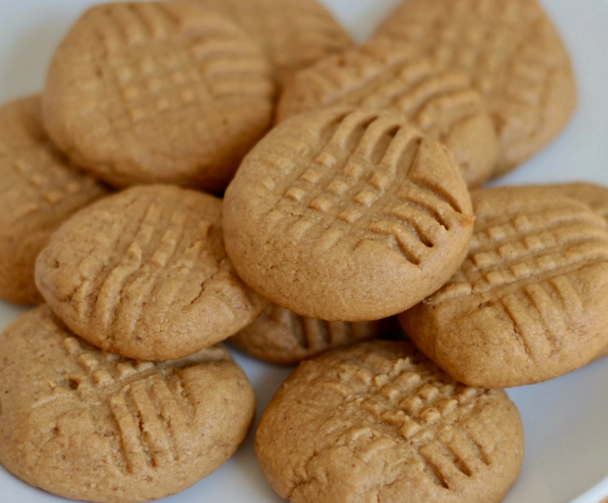
This is my go-to, reliable recipe. It yields about 24 cookies that are soft in the middle with slightly crisp edges. The iconic fork criss-cross isn’t just for looks—it helps them bake evenly.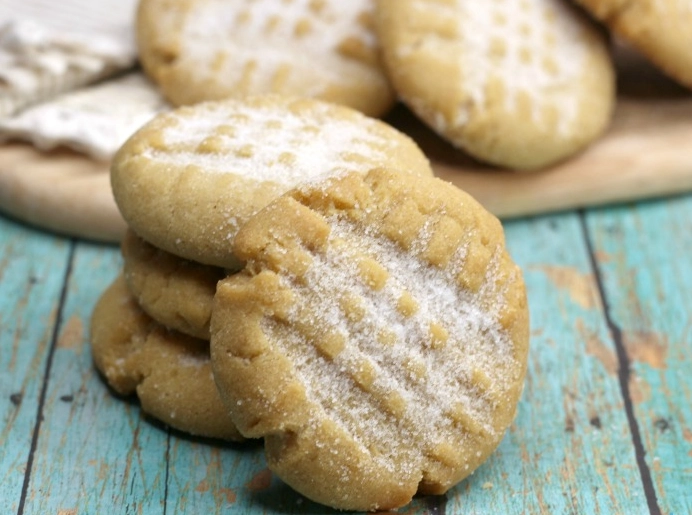
Before you start: Take your butter and egg out of the fridge about 1 hour ahead. Preheat your oven to 350°F (175°C). Line your baking sheets with parchment paper. Trust me, it prevents sticking and makes cleanup a dream.
Ingredients You'll Need
- 1 cup (250g) creamy peanut butter (see notes above)
- 1/2 cup (113g) unsalted butter, softened
- 1/2 cup (100g) granulated white sugar
- 1/2 cup (110g) packed light brown sugar
- 1 large egg, room temperature
- 1 teaspoon vanilla extract
- 1 1/4 cups (160g) all-purpose flour, spooned & leveled
- 3/4 teaspoon baking soda
- 1/2 teaspoon baking powder
- 1/4 teaspoon salt (use 1/2 tsp if your peanut butter is unsalted)
How to Make Them, Step by Step
1. Cream the fats and sugars. In a large bowl, beat the softened butter and peanut butter together until smooth. Add both sugars and beat on medium speed for 1-2 minutes. It should look light and fluffy. This step incorporates air, which is part of your cookie’s structure. Don’t rush it.
2. Add the wet ingredients. Beat in the egg and vanilla extract just until combined. Scrape down the sides of the bowl.
The Overmixing Zone: Once you add the flour, your goal is to mix as little as possible. Overmixing flour develops gluten, which makes cookies tough. This is a subtle point most quick recipes gloss over.
3. Combine the dry ingredients. In a separate bowl, whisk together the flour, baking soda, baking powder, and salt. This ensures the leavening agents are evenly distributed.
4. Bring it all together. Add the dry ingredients to the wet mixture. Mix on low speed, or by hand with a spatula, just until no streaks of flour remain. The dough will be thick and maybe a bit sticky.
5. Portion and shape. Scoop dough balls about 1.5 tablespoons in size (a medium cookie scoop is perfect). Roll them between your palms to smooth them. Place them on the prepared baking sheet about 2 inches apart.
6. The fork mark. Use a fork to gently press down on each ball, creating a criss-cross pattern. Dip the fork in a little sugar between presses to prevent sticking.
7. Bake. Bake for 9-11 minutes. The cookies will look puffy and soft in the center, with just golden edges. They firm up as they cool. Do not overbake. They continue to cook on the hot sheet.
8. Cool. Let the cookies cool on the baking sheet for 5 minutes before transferring them to a wire rack to cool completely. This is the hardest part—waiting.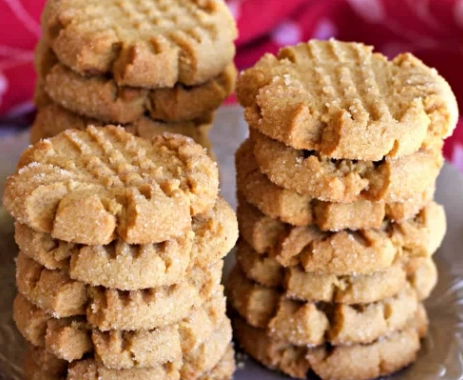
Troubleshooting: What Went Wrong and How to Fix It
Cookies didn’t turn out? Let’s diagnose it.
Problem: Flat, greasy puddles.
Likely Cause: Butter was too soft or melted. Oven temperature might be off (get an oven thermometer!). Dough wasn’t chilled if it was very warm in your kitchen.
Fix for next time: Ensure butter is just softened. Chill dough for 30 minutes before baking. Verify oven temp.
Problem: Dry, crumbly, and hard.
Likely Cause: Too much flour (measuring error). Overbaking. Overmixing the dough after adding flour.
Fix for next time: Spoon and level flour. Set a timer and check early. Mix dry ingredients only until just combined.
Problem: Cookies are too cakey or puffy.
Likely Cause: Too much baking powder or baking soda. Possibly over-measuring the egg.
Fix for next time: Double-check your teaspoon measurements for leavening. Use a standard large egg.
Your Peanut Butter Cookie Questions, Answered
Here are the specific questions I get asked most often, beyond the basic recipe.
Going Beyond the Basic Recipe
Once you’ve mastered the classic, try these twists:
- For Chewier Cookies: Use all brown sugar and bake for the minimum time.
- For Crispier Cookies: Use all granulated sugar, flatten the dough balls a bit more, and bake a minute or two longer until golden.
- Add-Ins: Stir in 1 cup of chocolate chips, chopped peanuts, or even a handful of oats after mixing the dough.
Store cooled cookies in an airtight container at room temperature for up to 5 days. They also freeze beautifully for up to 3 months. Just thaw at room temperature.
So, that’s it. No more mystery. Just straightforward, delicious peanut butter cookies you can make anytime. The real secret? It’s not in the recipe. It’s in paying attention to those small details—the butter temp, the flour measure, not overbaking. Now go preheat your oven.
Reader Comments