Quick Navigation
- Why Peanut Butter Can Be a Healthy Powerhouse (And When It's Not)
- Picking Your Champion: A Quick Guide to the Peanut Butter Aisle
- Healthy Peanut Butter Recipes to Start Your Day Right
- Snacks & Lunches: Fighting the Afternoon Crash
- Healthy Peanut Butter Recipes for When You Need Something Sweet
- Beyond the Jar: Pro Tips & Answering Your Questions
Let's be real. Peanut butter is one of those foods that sits right on the line between guilty pleasure and superfood. You know it's packed with protein, but you also know that spoon you just ate straight from the jar probably had more sugar than you'd like to admit. I've been there. The good news? With the right approach, peanut butter can absolutely be a superstar in a healthy diet. We're not talking about bland, joyless health food here. We're talking about creamy, satisfying, delicious meals and snacks that actually make you feel good.
This guide is for anyone who's typed "peanut butter recipes healthy" into Google, tired of the same old advice or recipes that promise health but taste like cardboard. We're going deep—beyond the basic smoothie. We'll look at how to pick the right jar, bust some myths, and get into recipes that work for busy mornings, afternoon slumps, and even those late-night sweet cravings. No fluff, just practical, kitchen-tested ideas.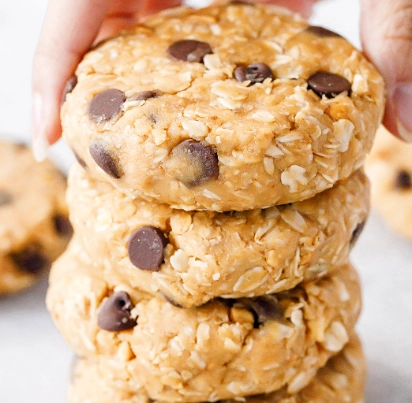
Why Peanut Butter Can Be a Healthy Powerhouse (And When It's Not)
First things first. Let's clear the air. Not all peanut butter is created equal. The health benefits come from the simple stuff: peanuts. When you start adding sugar, hydrogenated oils (those "trans fats" you've heard about), and a bunch of preservatives, you're moving into dessert territory. The healthy peanut butter recipes we're after start with the right foundation.
So, what's in the good stuff? Natural peanut butter—the kind where the ingredients list just says "peanuts" and maybe a pinch of salt—is a fantastic source of monounsaturated and polyunsaturated fats. These are the heart-healthy fats that can help manage cholesterol. It's also got a decent amount of protein and fiber, which is the magic combo for keeping you full. You'll also get nutrients like magnesium, potassium, and vitamin E. The USDA's FoodData Central is a great resource if you want to nerd out on the exact numbers.
But here's the catch.
That healthy profile goes out the window with the sugary, processed spreads. The difference is shocking. A serving of natural peanut butter might have 1-2 grams of naturally occurring sugar. Some popular commercial brands? They can pack in 3-4 times that amount added on top. It adds up fast, especially if you're using it in multiple healthy peanut butter recipes a day.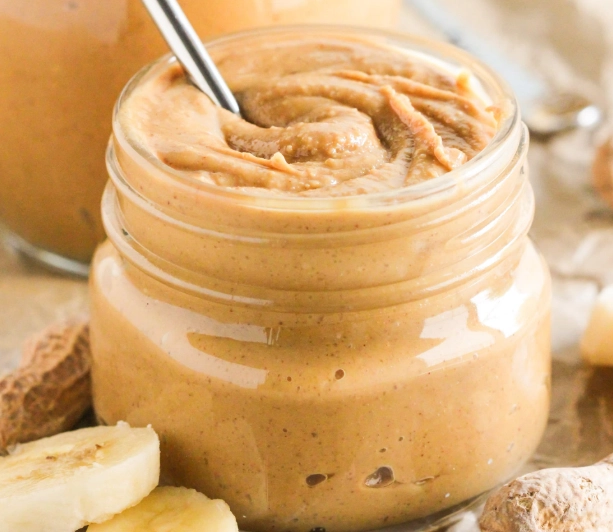
Picking Your Champion: A Quick Guide to the Peanut Butter Aisle
Walking down the nut butter aisle can be overwhelming. Creamy, crunchy, natural, no-stir, reduced fat, honey roasted... It's enough to make you grab the familiar jar and run. Don't. Take a breath and look at the label. For healthy peanut butter recipes, you want the simplest ingredient list possible.
Here’s a breakdown of what you’re really looking at:
| Type | What It Usually Means | Best For Healthy Recipes? | My Take |
|---|---|---|---|
| Natural / No-Stir Natural | Just peanuts (& salt). Oil may separate. "No-stir" has a touch of palm oil or other stabilizer to prevent this. | YES. The gold standard. The "no-stir" versions are still far better than sugary ones. | This is what I always have in my pantry. The stirring is worth it. |
| Commercial Creamy/Crunchy | The classic shelf-stable kind. Contains added sugars, hydrogenated oils, emulsifiers. | NO. The added sugars and processed fats undermine the health benefits. | Tastes like childhood, but I avoid it for daily use. It's a treat, not a staple. |
| Powdered Peanut Butter | Peanuts with most of the oil pressed out. You mix it with water. | SOMETIMES. Great for drastically cutting calories/fat in smoothies or baking. But you lose the healthy fats and some satisfaction. | I keep a jar for specific things like protein shakes or low-fat baking. It's a tool, not a replacement. |
| "Reduced Fat" Peanut Butter | Fat is removed, but sugar and other fillers are often added to compensate for taste and texture. | USUALLY NO. You're trading healthy fats for sugar or starches. Not a good deal. | I find this category misleading. The fat in peanuts is the good part! |
See what I mean? That "reduced fat" option is a classic trap. The fat is what makes peanut butter satisfying and helps absorb vitamins. Organizations like the American Heart Association recommend choosing foods with healthy unsaturated fats, like those in nuts, over processed low-fat foods loaded with refined carbs.
Once you've got your good-quality, simple-ingredient peanut butter, the fun begins. Let's get into the kitchen.
Healthy Peanut Butter Recipes to Start Your Day Right
Breakfast is where peanut butter truly shines. It can turn a boring bowl of oats or a piece of toast into something that keeps you powered for hours. The key is pairing it with other whole foods.
The Ultimate Power Breakfast: Peanut Butter Overnight Oats
Why it works: No cooking, all the prep is done the night before, and it's endlessly customizable. The peanut butter mixes into the liquid, creating a creamy, rich sauce that soaks into the oats.
What you need: 1/2 cup rolled oats, 1/2 cup milk (dairy or plant-based), 1 tablespoon chia seeds (optional, for thickness), 1 generous tablespoon natural peanut butter, 1/2 a mashed banana (for natural sweetness), a pinch of salt.
What you do: Mash the banana in a jar. Add everything else. Stir, seal, and leave in the fridge overnight. In the morning, top with a few peanut pieces or berries if you like.
The healthy twist: Using the banana for sweetness means you don't need added sugar or syrup. The chia seeds add fiber and omega-3s. This is a complete, balanced meal.
I make this at least twice a week. Sometimes I swap the banana for a handful of frozen berries before I go to bed. The berries thaw and create a jammy swirl. It's a total game-changer.
Quick & Savory: The 5-Minute Peanut Butter Breakfast Toast
Forget just slathering it on. Let's elevate toast.
Version 1 (Sweet & Savory): Whole grain toast + peanut butter + very thin slices of apple or pear + a tiny drizzle of honey and a sprinkle of cinnamon. The crunch of the fruit against the creamy peanut butter is perfect.
Version 2 (Fully Savory): This one sounds weird but trust me. Whole grain toast + peanut butter + a sprinkle of everything bagel seasoning + a few slices of cucumber or radish for crunch. The salty, savory, umami flavor is incredible and keeps you full without any sugar crash.
Which one is better?
Depends on your mood. The savory one is my secret weapon when I'm tired of sweet breakfasts. It proves that healthy peanut butter recipes aren't just for dessert-like meals.
Snacks & Lunches: Fighting the Afternoon Crash
This is where most people reach for a candy bar or a bag of chips. Having a few go-to healthy peanut butter recipes for snacks can save the day—literally.
No-Bake Energy Bites (The Real Kind)
The internet is flooded with "energy ball" recipes that are basically candy. Ours are different. They're based on whole ingredients and have enough protein and fiber to matter.
- Base: 1 cup rolled oats, 1/2 cup natural peanut butter, 1/3 cup honey or maple syrup (this is the binder, you can't skip it all, but you can use less), 1/4 cup ground flaxseed or chia seeds, a pinch of salt.
- Mix-ins (pick one or two): 1/4 cup mini dark chocolate chips (70% or higher), 1/4 cup chopped dried cherries (no sugar added), 2 tablespoons cacao nibs for intense chocolate flavor without sugar.
- Method: Mix everything in a bowl until it's sticky. If it's too dry, add a teaspoon of water or more peanut butter. Roll into tablespoon-sized balls. Store in the fridge for up to two weeks.
I keep a container of these in my fridge at all times. Two of them with a glass of water will kill my afternoon hunger better than any granola bar I've ever bought.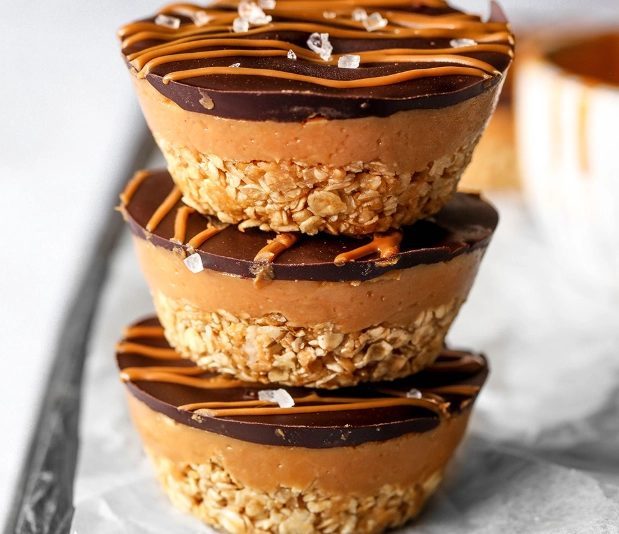
The Grown-Up Peanut Butter & Jelly
For lunch, revisit the classic. Use whole grain bread or wrap. Spread with natural peanut butter. Instead of sugary jelly, use:
- Mashed real berries (fresh or frozen, warmed up a bit so they get jammy).
- Sliced strawberries or bananas.
- A thin layer of pureed pumpkin or sweet potato for a vitamin-A boost (sounds odd, tastes great).
Pair it with some carrot sticks and you've got a lunch that feels nostalgic but is actually nutritious.
Healthy Peanut Butter Recipes for When You Need Something Sweet
Okay, let's talk dessert. Yes, you can have it. The goal here is to satisfy the craving without the sugar bomb that leaves you feeling sluggish. These recipes use smart swaps.
Fudgy Black Bean Peanut Butter Brownies
Ingredients: 1 can (15 oz) black beans, rinsed and drained / 1/2 cup natural peanut butter / 1/3 cup pure maple syrup or honey / 2 large eggs / 1/3 cup cocoa powder / 1 tsp vanilla extract / 1/2 tsp baking powder / A pinch of salt / 1/4 cup dark chocolate chips.
Instructions: Blitz everything except the chocolate chips in a food processor or blender until perfectly smooth. Stir in the chips. Pour into a parchment-lined 8x8 pan. Bake at 350°F (175°C) for 20-25 minutes, until the top is set. Let them cool completely before cutting—they firm up as they cool.
Why it's a win: You're getting fiber and protein from the beans and peanut butter, using a natural sweetener, and avoiding cups of refined flour and sugar. One of these feels like a real treat, not a cheat.
I served these to friends without telling them the secret ingredient. They asked for the recipe. When I told them, they didn't believe me. That's the best review you can get.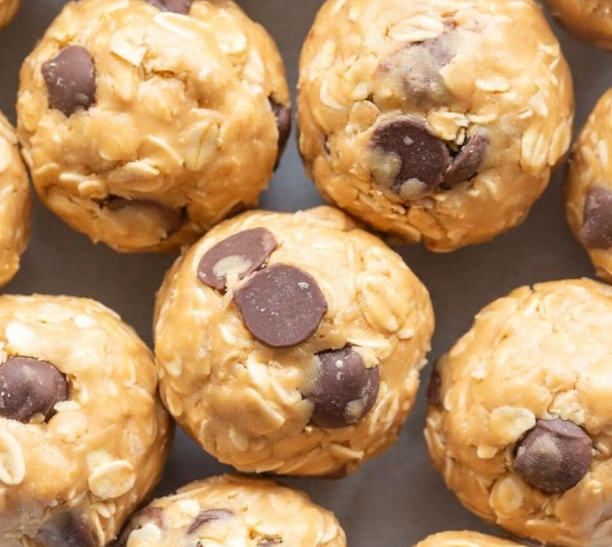
2-Ingredient Peanut Butter Banana "Nice" Cream
This is the simplest, most forgiving healthy dessert ever. Peel and slice very ripe bananas. Freeze the slices solid on a tray. Put the frozen slices in a food processor with a big spoonful of peanut butter. Blend, scrape, blend, scrape. It will look crumbly, then suddenly it will whip into a soft-serve ice cream consistency. Eat it immediately. It's creamy, sweet from the banana, and rich from the peanut butter. You can add a splash of vanilla or a spoon of cocoa powder if you like.
It's not exactly like Ben & Jerry's, I'll be honest. The texture is best right out of the processor. But for a 5-minute, fruit-based dessert that kills an ice cream craving? It's unbeatable.
Beyond the Jar: Pro Tips & Answering Your Questions
You've got the recipes. Here are some extra bits of knowledge that make using peanut butter in a healthy way second nature.
How to Use Peanut Butter in Savory Cooking
This is a huge area most healthy peanut butter recipes ignore. Peanut butter is amazing in sauces. Whisk a tablespoon or two into a simple stir-fry sauce with soy sauce, lime juice, garlic, ginger, and a little water. It creates a luscious, clinging sauce for chicken, tofu, or veggies. You can also thin it with hot water and a splash of vinegar for a quick salad dressing. It adds a depth of flavor that's hard to get elsewhere.
Frequently Asked Questions (The Stuff You Actually Google)
The bottom line?
Peanut butter isn't a health food or a junk food. It's an ingredient. What you do with it makes all the difference. Choosing a simple, natural product and using it to enhance whole foods like oats, fruits, and vegetables is a winning strategy. It adds flavor, richness, and staying power to your meals without complicated techniques or weird ingredients.
So next time you're staring at that jar, don't just think of it as sandwich filler. Think of it as your secret weapon for creating easy, satisfying, and genuinely healthy peanut butter recipes that you'll actually look forward to eating. Start with the overnight oats or the savory toast. You might just find your new favorite meal.
Reader Comments