Quick Navigation
Let's talk about peanut butter cookies. You know the ones. That perfect combination of nutty, salty, and sweet that just melts in your mouth (or gives you a satisfying crunch, depending on your style). They're a classic for a reason. But here's the thing – not all peanut butter cookies are created equal. I've had my fair share of disappointments. Dry, crumbly hockey pucks. Or worse, cookies that spread into one giant, greasy blob on the baking sheet. Not good.
So I decided to dig deep. I spent what my partner calls an "unreasonable" amount of time in the kitchen, testing flour ratios, sugar types, peanut butter brands, you name it. I wanted to figure out the secrets to the perfect peanut butter cookie, and I also wanted to answer every single question a baker might have before they even preheat their oven.
This guide is the result. Whether you're a baking newbie looking for an easy 3-ingredient miracle or a seasoned pro wanting to perfect your criss-cross pattern, there's something here for you. We'll cover the history (it's more interesting than you think), break down the science of the ingredients, share top-tier recipes, and solve every common baking problem. Let's get into it.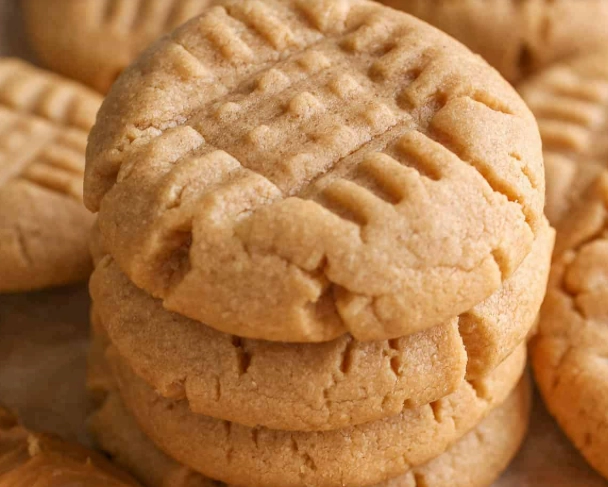
A Brief, Nutty History
Peanut butter itself has been around in various forms since the Aztecs, but the peanut butter cookie as we know it is a distinctly American invention of the early 1900s. The rise of peanut butter as a popular, affordable protein source during the World Wars made it a pantry staple. Home cooks started getting creative.
The iconic fork criss-cross pattern? That wasn't just for looks. Early peanut butter cookie dough was notoriously dense and sticky. Pushing it down with a fork was the most practical way to flatten it for even baking. It also became the cookie's signature look. I love that a simple kitchen hack became a timeless tradition. The first official recipe is often credited to George Washington Carver, the brilliant scientist who promoted the peanut, in a 1916 bulletin. He included three recipes using peanuts, one of which was for cookies.
From there, the peanut butter cookie exploded in popularity. It became a lunchbox fixture, a bake sale superstar, and a simple comfort food. Its beauty has always been in its simplicity and that incredible, addictive flavor.
The Anatomy of a Perfect Peanut Butter Cookie
What are you actually looking for in a great peanut butter cookie? Is it a soft and chewy center? A crisp, sandy edge? That deep, roasted peanut flavor? Before you choose a recipe, you need to know what your goal is. The ingredients are your levers.
Peanut Butter: The Star of the Show
This is the most important choice you'll make. It defines everything.
- Commercial, No-Stir Peanut Butter (like Jif or Skippy): This is the reliable workhorse. It's homogenized, has added sugar and oils (usually hydrogenated vegetable oils), and gives you a consistent, predictable cookie. The cookies tend to be softer, chewier, and hold their shape better. Most classic recipes are developed with this in mind.
- Natural Peanut Butter (the kind you have to stir): This is trickier. It's just peanuts and salt (sometimes). The oil separation can wreak havoc. If you use it straight from the jar without fully incorporating the oil, your cookies can be a greasy mess. If you mix it perfectly, you'll get a more intense peanut flavor and a denser, sometimes grainier texture. I find they spread less. You often need to adjust other fats in the recipe.
- Powdered Peanut Butter (like PB2): Want a strong peanut flavor without all the fat? You can reconstitute this powder and use it, or replace a small portion of flour with the dry powder. Be warned – it will drastically change the texture and moisture. Don't substitute 1:1 for regular peanut butter.
Flour, Sugar & Fat: The Supporting Cast
These ingredients control texture.
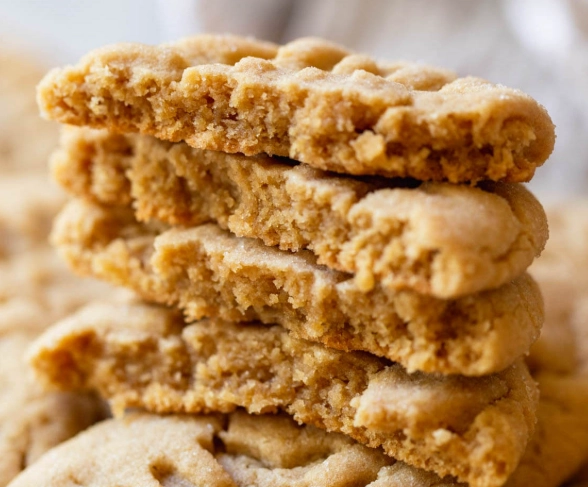
Flour: All-purpose is standard. Too much flour = cakey, dry cookies. Too little = flat, greasy puddles. For a chewier cookie, some bakers swear by using bread flour for its higher protein content. I've tried it. The difference is subtle, but it does give a slightly more substantial chew.
Sugar: White sugar promotes spread and crispness. Brown sugar (thanks to its molasses) adds moisture, chew, and a deeper flavor. A mix of both is the sweet spot for a balanced peanut butter cookie.
Fat: Butter adds flavor and helps with spread. Using only butter can make the cookies thin and crisp. Some recipes use shortening for height and softness, but you sacrifice flavor. Many recipes use a combination. The fat in the peanut butter itself is a major player too.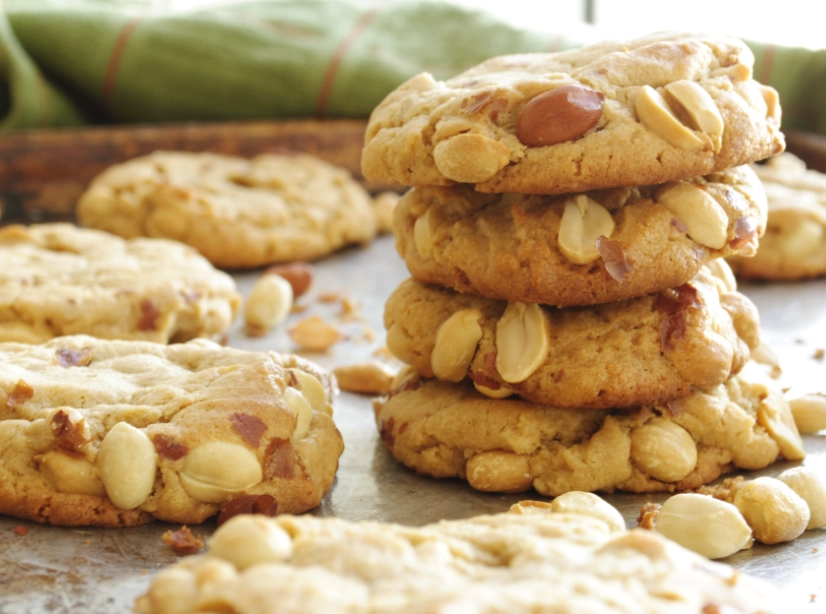
How do these choices play out in real recipes? Let's compare.
| Ingredient Focus | Resulting Cookie Texture | Best For... |
|---|---|---|
| All Commercial PB, More Brown Sugar | Soft, thick, and supremely chewy | Classic, lunchbox-style cookies |
| Natural PB, White Sugar, Butter | Thinner, crisp edges, chewy center, intense flavor | Gourmet-style, adult palates |
| Shortening + Butter, Equal Sugars | Softer, cake-like, minimal spread | People who love a soft, almost fluffy cookie |
| Extra Egg Yolk, Less Flour | Dense, fudgy, and rich |
Top Peanut Butter Cookie Recipes You Need to Try
Alright, enough theory. Let's get to the recipes. I've categorized them by what you might be looking for. Every single one has been tested (my kitchen is a permanent cookie zone now).
The Unbeatable Classic
This is my go-to, the one I make when I just need a perfect peanut butter cookie. It's adapted from a recipe I found years ago on a well-worn recipe card in my grandma's kitchen. It's simple, reliable, and delivers that ideal combo of slight crisp on the outside and tender chew within.
Ingredients: 1 cup (2 sticks) unsalted butter (softened), 1 cup granulated sugar, 1 cup packed light brown sugar, 2 large eggs, 1 tsp vanilla extract, 1 cup creamy commercial peanut butter, 3 cups all-purpose flour, 1 tsp baking powder, ½ tsp baking soda, 1 tsp salt.
Method: Cream butter and sugars. Beat in eggs one at a time, then vanilla and peanut butter. Whisk dry ingredients in a separate bowl, then gradually add to wet mix. Chill dough for at least 1 hour (crucial!). Roll into 1.5-inch balls, place on parchment-lined sheets, flatten with a fork in a criss-cross. Bake at 350°F (175°C) for 10-12 minutes until edges are just golden. Let cool on sheet for 5 mins before transferring.
The chilling is non-negotiable. It prevents catastrophic spread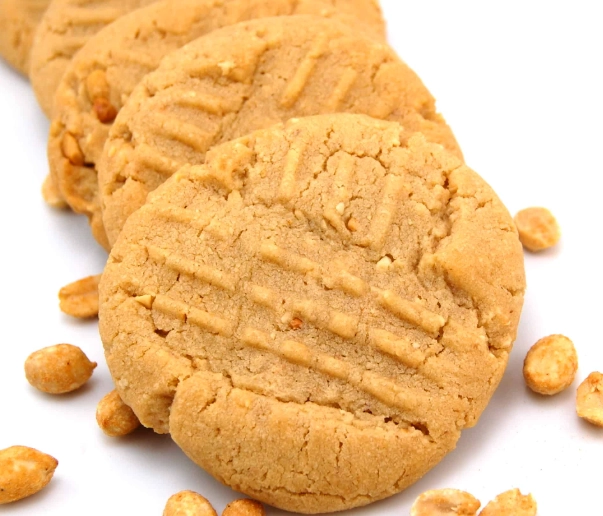 .
.
The Famous 3-Ingredient Peanut Butter Cookie
Yes, it's real. 1 cup peanut butter, 1 cup sugar, 1 egg. That's it. Mix, roll, flatten, bake at 350°F for 8-10 minutes.
Let's be honest about this one. It's a miracle of simplicity and a lifesaver when you have a cookie emergency. But is it the best peanut butter cookie you'll ever eat? No. The texture is more crumbly and granular, and it tastes very strongly of sweetened peanut butter. It lacks the complexity of a butter-based dough. But for gluten-free folks (since it has no flour), or for a 15-minute project with a kid, it's absolutely brilliant. Just manage your expectations.
The Chewy Molasses Monster
This is a secret weapon recipe. Replace the 1 cup of brown sugar in the classic recipe with ¾ cup brown sugar and ¼ cup molasses. The result is a darker, richer, incredibly moist and chewy cookie with a deep, almost gingerbread-like depth that complements the peanut butter amazingly well. It's less traditional, but it might become your new favorite.
The Healthy-ish Version
Can a peanut butter cookie be healthy? Not really, but we can make some smart swaps. This one uses natural peanut butter, whole wheat pastry flour (or a 50/50 blend with all-purpose), coconut sugar, and cuts the total sugar by about 25%. You can also add a handful of oats for fiber. The cookie will be denser and less sweet, but still satisfying. It's a good option for breakfast cookies (add some mashed banana and chocolate chips).
The Ultimate Peanut Butter Cookie Baking Guide: Tips & Troubleshooting
You've got your recipe. Now let's make sure nothing goes wrong. This is the stuff they don't always put in the instructions.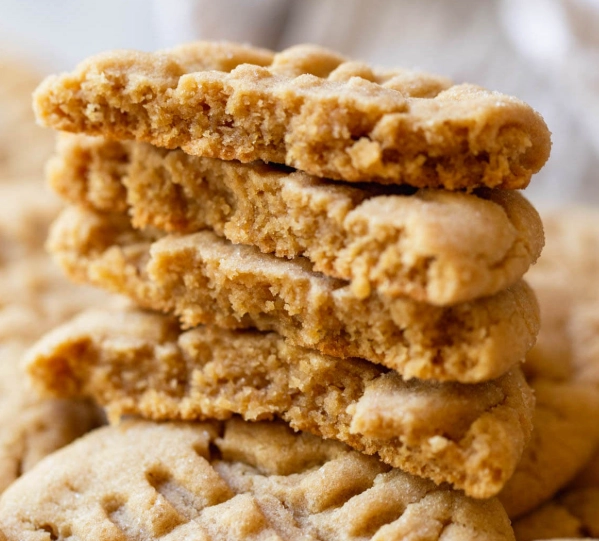
Pre-Baking: The Setup
- Measure your flour correctly. The number one cause of dry cookies is too much flour. Spoon the flour into your measuring cup and level it off. Don't scoop directly from the bag – you'll pack in 20% more flour.
- Room temperature ingredients (eggs, butter) mix together more evenly, creating a better emulsion. Cold butter won't cream properly.
- Chill the dough. I know, it's annoying. But for peanut butter cookie dough, which is high in fat, chilling solidifies the fat. This means the cookies won't melt into a puddle before they set. 1 hour minimum, but overnight is magic for flavor development.
- Parchment paper or silicone mats are your best friends. They prevent sticking and promote even browning without needing extra grease.
During Baking: What to Look For
Bake one test batch first. Ovens lie.
Peanut butter cookies don't always look "done" when they are done. They continue to cook on the hot baking sheet. You want to pull them out when the edges are just starting to turn a light golden brown and the centers still look slightly soft and puffy. They will deflate and set as they cool. If you wait until the centers look fully set in the oven, they'll be overdone and dry.
Rotate your baking sheet halfway through for even color.
Post-Baking & Storage
Let the cookies cool on the baking sheet for 5-7 minutes. This lets them firm up enough to move without breaking. Then transfer to a wire rack to cool completely.
Storage: Once completely cool, store in an airtight container at room temperature. A slice of bread in the container can help keep them soft (the cookies draw moisture from the bread). They're best within 3-4 days.
Freezing: Peanut butter cookies freeze beautifully. Freeze baked cookies in a single layer, then transfer to a freezer bag. Or, freeze balls of dough on a tray, then bag them. You can bake frozen dough balls—just add 1-2 minutes to the baking time. Having frozen peanut butter cookie dough on hand is a next-level life hack.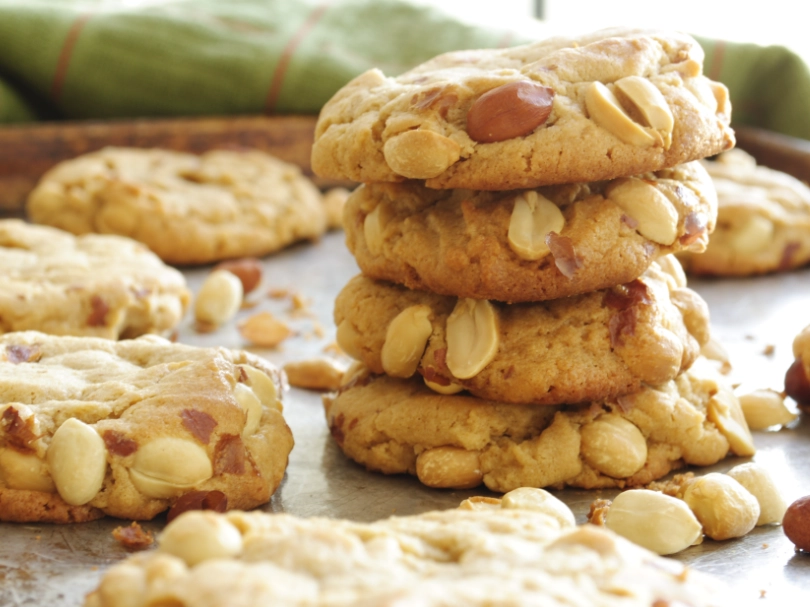
Troubleshooting Common Problems
| Problem | Likely Cause | How to Fix It Next Time |
|---|---|---|
| Cookies are flat and greasy | Butter too warm/not chilled; too much sugar; wrong peanut butter (natural, oily); inaccurate measuring. | Chill dough longer. Ensure peanut butter is stable. Re-check measurements. |
| Cookies are dry and crumbly | Too much flour; overbaking; not enough fat or egg. | Measure flour carefully. Pull cookies out earlier. Ensure you're using large eggs. |
| Cookies are too cakey/puffy | Too much flour or leavening (baking powder/soda); over-creaming. | Reduce flour slightly, check baking soda/powder measurements. Cream just until combined. |
| No peanut flavor | Using a bland peanut butter; other flavors overwhelming it. | Use a brand with a stronger roasted flavor. Toasting peanut butter gently before using can intensify flavor. |
Peanut Butter Cookie FAQs: Your Questions, Answered
Yes, but it's tricky. The egg acts as a binder and provides structure. For an egg substitute in a standard recipe, you can try a commercial egg replacer, a "flax egg" (1 tbsp ground flaxseed mixed with 3 tbsp water, let sit 5 mins), or ¼ cup applesauce per egg. The texture will be different – often more cakey or dense. The 3-ingredient recipe obviously won't work without the egg. For reliable vegan peanut butter cookies, seek out a recipe specifically designed to be vegan.
Tradition and function. As mentioned, it flattens the dense dough. But it also creates ridges that get slightly crispier, adding textural interest. And let's be real, it's just how you know it's a peanut butter cookie. You can use the bottom of a glass if you want a smooth top, but it feels wrong to me.
This is the most common complaint. First, check your flour measurement – spoon and level! Second, you are probably overbaking them. Take them out when they look slightly underdone in the center. Third, try adding an extra egg yolk to your next batch for more fat and moisture. Fourth, ensure you're using fresh baking soda/powder.
Absolutely! I prefer chunky peanut butter cookies, actually. The little peanut bits give fantastic texture and bursts of flavor. Just be aware that the dough might be a bit more fragile when rolling. You can use all chunky or a 50/50 blend with creamy.
The classic recipe is not, due to the wheat flour. However, the famous 3-ingredient peanut butter cookie is naturally gluten-free (just ensure your peanut butter and sugar are certified GF). For a more traditional gluten-free peanut butter cookie, you can use a 1:1 gluten-free all-purpose flour blend. I've had good results with brands like Bob's Red Mill or King Arthur. The texture might be slightly more sandy or crumbly.
Use more brown sugar than white. Add a tablespoon of honey or corn syrup to the dough. Underbake them slightly. Store them with a piece of bread. Using shortening for part of the butter also promotes softness.
This is a valid concern, especially if you like to eat raw dough (who doesn't?). Raw flour can carry bacteria like E. coli. To make flour safe for no-bake applications or for peace of mind, you can heat-treat it. Spread flour on a baking sheet and bake at 350°F for 5-7 minutes, let it cool completely before using. For more information on food safety, you can refer to resources from the USDA's Food Safety and Inspection Service. As for eggs, using pasteurized eggs eliminates the risk from salmonella.
Peanut allergies are also a serious concern. Always label your baked goods clearly. For authoritative information on peanut allergies, the Food Allergy Research & Education (FARE) website is an excellent resource.
Of course! Chocolate chips (semi-sweet or milk) are a classic pairing. Butterscotch chips are surprisingly amazing. Chopped Reese's Pieces or peanut butter cups. A swirl of jam in the center before baking. A sprinkle of flaky sea salt on top after baking. Get creative. Just know that adding wet ingredients like jam will affect baking time and spread.
So there you have it. The complete, start-to-finish guide to peanut butter cookie mastery. From their humble, practical beginnings to the nuanced science of baking them perfectly, I hope this answers every question you could possibly have. The real secret, though? Just bake them. Share them. Enjoy the process. Even the slightly-burnt batch has its charm. Now, go preheat that oven. Your perfect peanut butter cookie is waiting.
Reader Comments