You know those little chocolate-dipped peanut butter balls that show up on every holiday cookie tray in the Midwest? The ones that look like the nut from a buckeye tree? That's what we're talking about. Peanut butter buckeyes aren't just candy; they're a tradition. A no-bake, fuss-free, crowd-pleasing tradition that's deceptively simple to make but has a few tricks to get just right. I've been making them for years, and I've had my share of disasters—peanut butter centers that melt into puddles, chocolate that seizes up, you name it. So let's walk through everything, from the why's to the how's, so you can make a perfect batch every single time.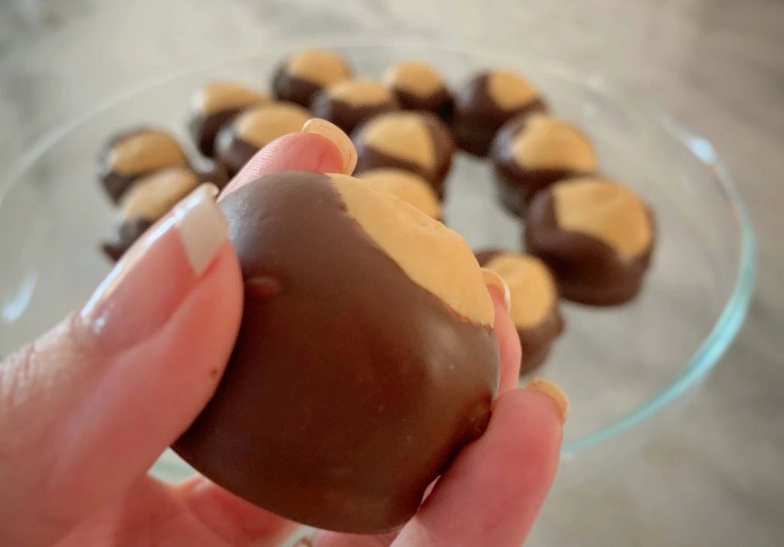
In This Guide
- What Exactly Are Buckeyes Candy?
- The Non-Negotiable, Authentic Peanut Butter Buckeyes Recipe
- Choosing Your Chocolate: A Quick Comparison
- The Top 3 Mistakes That Ruin Peanut Butter Buckeyes (And How to Fix Them)
- Getting Creative: Peanut Butter Buckeye Variations
- Storing, Freezing, and Gifting Your Buckeyes
- Peanut Butter Buckeyes FAQ: Your Questions, Answered
- A Note on Food Safety
What Exactly Are Buckeyes Candy?
Let's start with the basics. A peanut butter buckeye is a confection made from a sweet, dense ball of peanut butter, powdered sugar, and butter, which is then partially dipped in dark chocolate, leaving a small circle of the peanut butter filling exposed at the top. That exposed part is what makes it look like a buckeye nut, the seed of the Ohio buckeye tree. It's the official state tree of Ohio, which is why these candies are such a big deal there. They're a staple at Christmas, but honestly, I make them year-round. They're the perfect combination of salty-sweet peanut butter and rich chocolate, with a texture that's firm yet melts in your mouth.
You might hear them called "peanut butter balls" too, and that's essentially what they are. But a true buckeye has that signature undipped top. It's not just for looks, though some folks argue it makes them less messy to hold. I think it's tradition, and it gives you that perfect bite where you get both elements separately before they combine.
The Non-Negotiable, Authentic Peanut Butter Buckeyes Recipe
This is the core recipe. It's simple, it's classic, and it works. Don't be tempted to get fancy here—save the variations for later. The magic is in the ratio.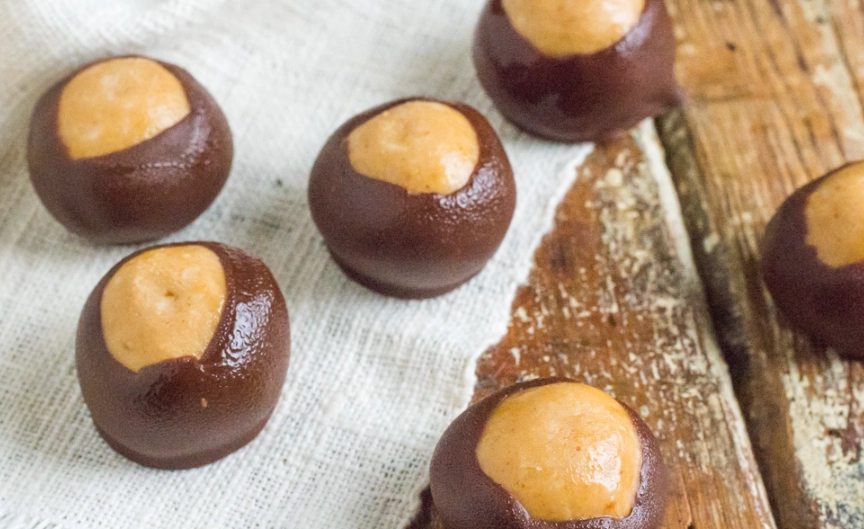
Ingredients You'll Need
- Peanut Butter: 1 and ½ cups of creamy peanut butter. Not natural, not chunky (for the classic version).
- Unsalted Butter: ½ cup (1 stick), softened to room temperature. This is crucial for easy mixing.
- Vanilla Extract: 1 teaspoon. Pure extract makes a difference.
- Powdered Sugar (Confectioners' Sugar): 4 cups, sifted. Yes, sift it. Lumps are the enemy of a smooth buckeye center.
- Chocolate for Dipping: 12 ounces of semi-sweet chocolate chips or chopped chocolate bars. I prefer a mix of semi-sweet and a bit of dark chocolate for depth. You'll also need 1-2 tablespoons of shortening (like Crisco) or paraffin wax (a old-school trick) to thin the chocolate for perfect dipping.
Step-by-Step: How to Make Peanut Butter Buckeyes
This isn't hard, but the order matters.
- Cream the Base: In a large bowl, beat the softened butter and peanut butter together until they're completely combined and smooth. This takes a minute or two with a hand mixer. Then beat in the vanilla extract.
- Incorporate the Sugar: Here's where people go wrong. Gradually add the sifted powdered sugar, about one cup at a time, mixing on low speed until just combined. After the last cup, you'll likely need to switch to mixing with a sturdy spoon or even your hands (clean, of course). The dough will become very thick and stiff.
- Form the Balls: Roll the dough into 1-inch balls. A small cookie scoop is your best friend for uniform size. Place them on a baking sheet lined with parchment or wax paper. Now, chill them. Seriously, don't skip this. Pop the tray in the freezer for at least 30 minutes, or the fridge for an hour. This firms them up so they don't fall apart in the warm chocolate.
- Prepare the Chocolate: While the balls chill, melt your chocolate and shortening together. You can use a double boiler, but I find the microwave easier. Heat in 30-second bursts, stirring well after each, until smooth. Don't overheat it!
- The Dip: This is the fun part. Stick a toothpick into a chilled peanut butter ball. Dip it into the melted chocolate, leaving that top circle undipped. Gently swirl it to let excess chocolate drip off, then place it back on the parchment paper. Carefully twist and remove the toothpick. You can smooth over the little hole with your finger. Some folks use a fork or a specialty dipping tool, but the toothpick method is classic.
- Set and Serve: Let the chocolate set at room temperature, or speed it up in the fridge. Once set, store them in an airtight container.
Choosing Your Chocolate: A Quick Comparison
Not all chocolate is created equal for dipping. The type you choose affects flavor, texture, and how easily it sets. Here’s a breakdown to help you decide.
| Chocolate Type | Best For | Flavor Profile | Melting & Dipping Notes |
|---|---|---|---|
| Chocolate Chips | Convenience, easy availability | Sweet, classic candy flavor | Contains stabilizers, so it holds its shape well but can be thick. Must add shortening. |
| Chocolate Almond Bark/Candy Coating | Absolute beginners, hot climates | Very sweet, less complex chocolate taste | Melts smoothly, sets hard and quickly. Doesn't require tempering. Can taste waxy. |
| High-Quality Chopped Chocolate Bars | Chocolate purists, gourmet results | Rich, nuanced, less sweet | Requires careful melting (tempering recommended for snap and shine). Best flavor by far. |
| Dark Chocolate (60-70%) | Balancing extreme sweetness | Bitter, intense, sophisticated | Melts well. Pairs perfectly with the sweet peanut butter for a more adult treat. |
My personal go-to? A blend of semi-sweet chips and a chopped dark chocolate bar. The chips help with stability, and the bar improves the flavor. For a foolproof, shiny finish without full tempering, check out the excellent guide on tempering from King Arthur Baking. It's a game-changer if you want professional-looking results.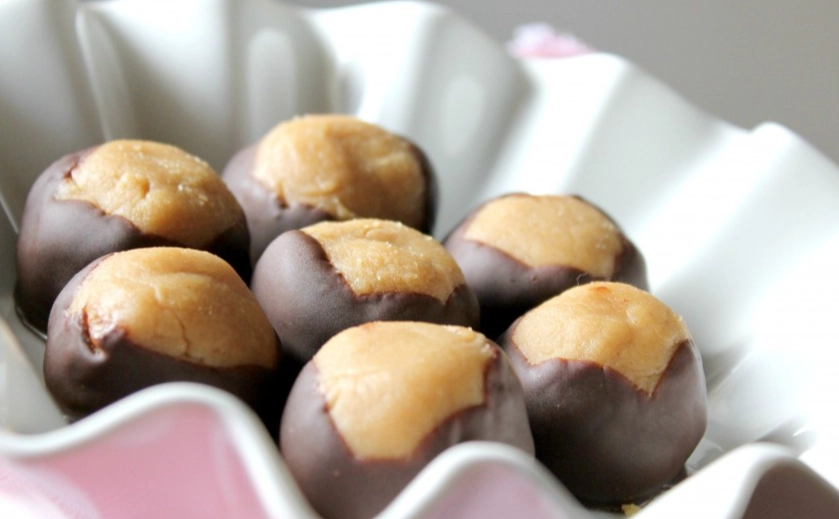
The Top 3 Mistakes That Ruin Peanut Butter Buckeyes (And How to Fix Them)
Let's troubleshoot before you even have a problem.
1. The Oily, Greasy Mess
This happens when your peanut butter and butter are too warm, or you used a natural peanut butter with lots of separated oil. The fat breaks out of the mixture, creating a slick, unworkable dough. Fix: Use shelf-stable peanut butter. Ensure your butter is softened, not melted. If your dough gets greasy, try chilling it for 30 minutes before rolling. You can also add a touch more powdered sugar to absorb excess oil.
2. The Crumbly, Dry Center
Too much powdered sugar, or over-mixing after the sugar is added, can make your peanut butter buckeyes taste like sweet chalk and fall apart. Fix: Measure your powdered sugar correctly—spoon it into the measuring cup and level it off, don't scoop. Mix only until the dough comes together. If it's already crumbly, work in a teaspoon of milk or a bit more peanut butter until it holds together when pinched.
3. The Chocolate Shell That Won't Stick or Sets Blotchy
If your chilled peanut butter ball causes the chocolate to immediately harden in a lumpy coat, the temperature difference is too extreme. If the chocolate slides right off, the ball might be too oily. Fix: Make sure your balls are cold, not frozen solid. Let frozen ones sit out for 5 minutes before dipping. Ensure your chocolate is fluid but not hot. A perfect dip should coat smoothly. Blotchy chocolate (called bloom) is safe to eat but looks off—it's caused by temperature changes after dipping. Let them set at a cool room temp, not in a warm spot or directly from the fridge into a warm room.
Getting Creative: Peanut Butter Buckeye Variations
The classic is perfect, but sometimes you want to mix it up. Here are some ideas I've tried (with mixed success, I'll be honest).
- Crunchy Time: Use crunchy peanut butter, or add ½ cup of finely crushed graham crackers or rice krispies to the filling for texture.
- Flavor Twists: Add ½ teaspoon of cinnamon or espresso powder to the peanut butter mix. Swap vanilla for almond extract.
- The Coating Game: Roll the formed balls in crushed peanuts, pretzel dust, or sprinkles before chilling. After dipping in chocolate, while still wet, roll the bottom half in more crushed goodies.
- Healthier-ish Swap: You can use a natural peanut butter that's well-stirred and doesn't separate (like the kind from Smucker's), and substitute half the powdered sugar with a powdered zero-calorie sweetener. The texture will be slightly different, but it works for a lower-sugar option.
- Buckeye Bark: Too lazy to roll balls? Spread half the peanut butter mixture in a pan, pour chocolate over top, and swirl. Break into chunks. It's delicious, but it's not a true buckeye in my book.
Storing, Freezing, and Gifting Your Buckeyes
You've made these delicious peanut butter buckeyes, now what? They store beautifully.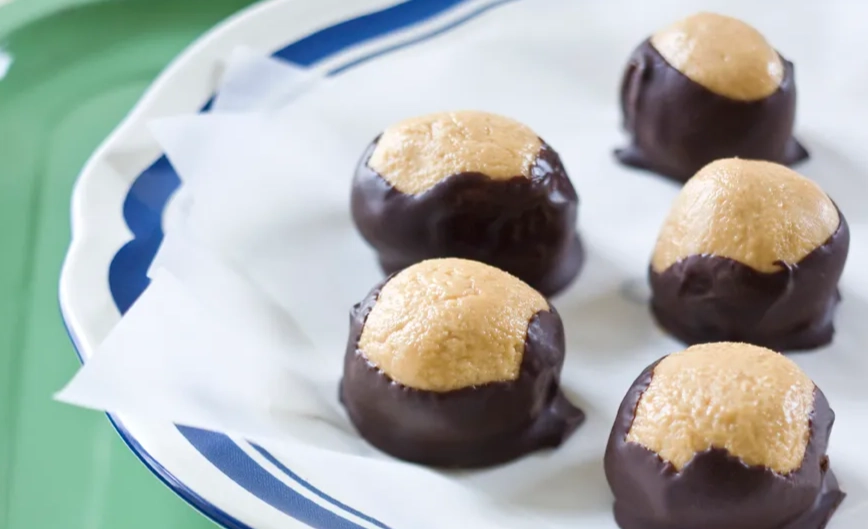
Room Temperature: In an airtight container, they'll last about a week. Layer them with parchment paper so they don't stick. Keep them in a cool, dry place. If your house is warm, the chocolate might get soft.
Refrigerator: This is my preferred method. They'll keep for 2-3 weeks. The chocolate will be firm, and the center stays perfect. Let them come to room temp for 10 minutes before serving for the best texture.
Freezer: They freeze exceptionally well for up to 3 months. Freeze them in a single layer on a tray first, then transfer to a freezer bag or container. Thaw in the fridge overnight. This is a fantastic make-ahead strategy for the holidays.
Gifting: Put them in a cute box or tin with layers of parchment. They ship surprisingly well in cool weather (overnight shipping is best). A little cellophane bag tied with a ribbon makes a perfect homemade gift. People love receiving peanut butter buckeyes more than almost anything else I bake.
Peanut Butter Buckeyes FAQ: Your Questions, Answered
Can I use natural peanut butter for buckeyes?
You can, but it's risky. Most natural peanut butters have oil that separates, leading to a greasy, soft dough that's hard to shape. If you insist, look for a "no-stir" natural variety or be prepared to add extra powdered sugar to compensate. For guaranteed results, stick with conventional creamy peanut butter.
Why do you add shortening to the chocolate?
Shortening (or paraffin wax) thins the melted chocolate, making it easier to dip and creating a thinner, more delicate shell. It also helps the chocolate set with a slight sheen and prevents it from becoming too thick and globby. Without it, chocolate chips especially can be too viscous.
How do I get a smooth top after removing the toothpick?
After you pull out the toothpick, you'll have a small hole. Use the tip of your finger to gently press and smooth the peanut butter over the hole. The warmth of your finger slightly melts the surface, sealing it seamlessly. If the balls are too cold, you can dip the tip of a butter knife in warm water, dry it, and use that to smooth.
Can I make buckeyes without a mixer?
Absolutely! It's just an arm workout. Use a strong wooden spoon and some elbow grease. Mix the butter and peanut butter first, then gradually work in the sugar. Once it gets too stiff for the spoon, knead it with your hands like dough until smooth.
Are peanut butter buckeyes gluten-free?
The classic recipe, using the ingredients listed above, is naturally gluten-free. However, you must always check your specific ingredient labels (especially vanilla extract and powdered sugar, as some brands may have anti-caking agents derived from wheat). To be 100% certain, use certified gluten-free products.
What's the difference between a buckeye and a peanut butter ball?
It's all in the dip! A peanut butter ball is typically fully coated in chocolate or another coating. A true peanut butter buckeye is only partially dipped, leaving the top bare to resemble the nut. That's the tradition.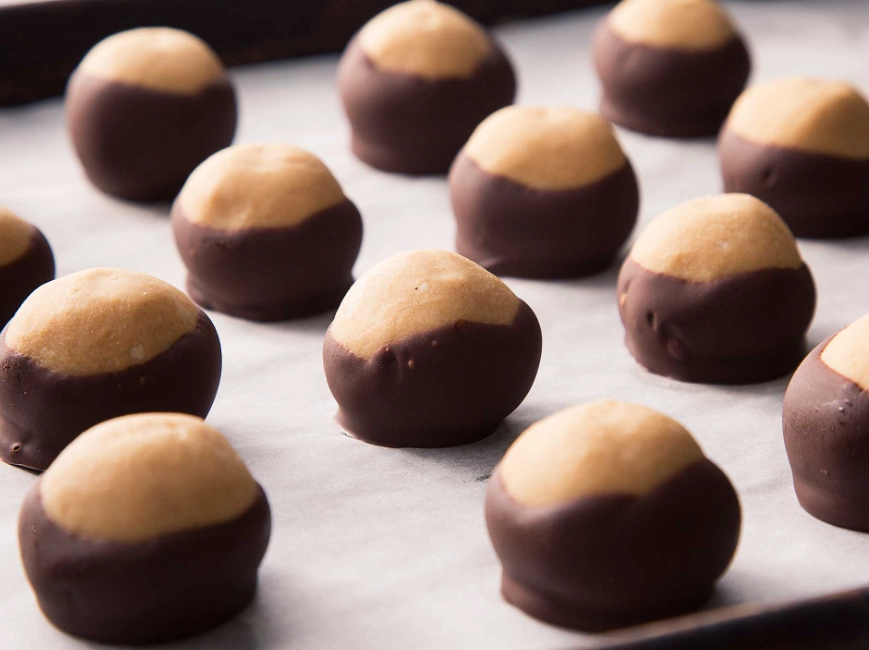
A Note on Food Safety
Since these are no-bake treats and contain butter, it's wise to handle them with care. Use clean hands and utensils. While the high sugar content acts as a preservative, proper storage is key. If you're serving them at a party, don't leave them out for more than 2 hours if the room is warm. For more detailed guidelines on handling peanut butter and other ingredients safely, the USDA's Food Safety site is an authoritative resource. It's better to be safe, especially if you're gifting them.
So there you have it. Everything I've learned about making peanut butter buckeyes the hard way, so you don't have to. It's a forgiving recipe once you know the pitfalls. Grab your peanut butter and powdered sugar, and give it a try. Whether you stick to the classic or try a fun variation, you'll end up with a treat that feels like a hug from the Midwest. And really, who doesn't need that?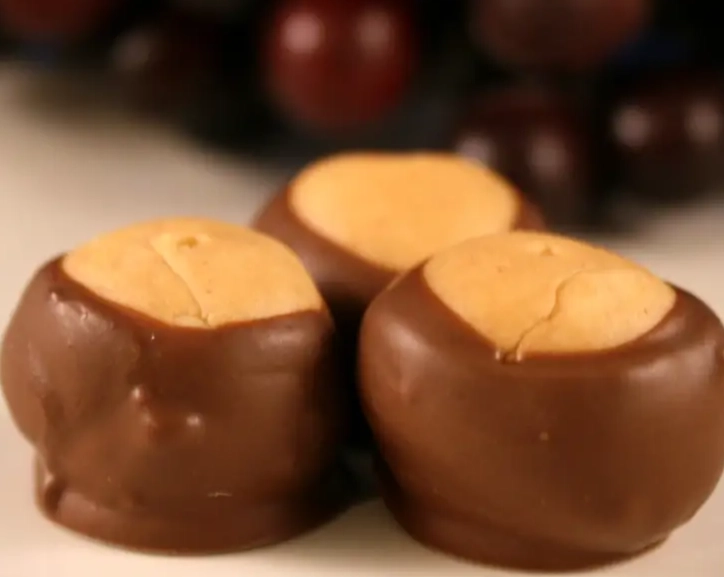
Now, if you'll excuse me, I have a batch in the fridge calling my name. That one with the slightly lopsided dip? That's mine.
Reader Comments