Let's be honest. Sometimes you just need a cookie. Not a project, not a three-hour baking marathon, but a warm, peanut-buttery treat that comes together before your oven even finishes preheating. That's what this recipe is for. Forget the complicated steps and long ingredient lists. This is the easiest peanut butter cookie recipe you'll find, built on just three things you probably have in your pantry right now.
I've made these more times than I can count. For last-minute guests, for a 3 PM slump, for my kid who declared a "cookie emergency." They never fail. But there's a trick to making them truly great, not just passable. I'll share that, along with everything else I've learned from years of baking them.
What You'll Find in This Guide
The Easiest Peanut Butter Cookie Recipe You'll Ever Make
Here it is. The whole formula. It's so simple it feels like cheating.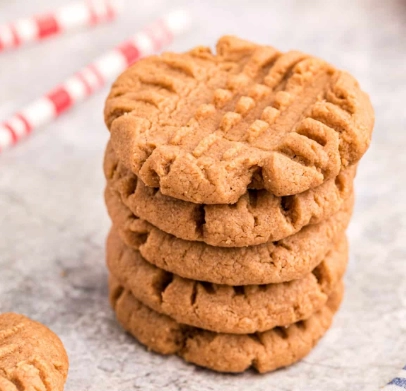
The 3-Ingredient Foundation:
- 1 cup (250g) smooth peanut butter (not natural or oily)
- 1 cup (200g) granulated white sugar
- 1 large egg
That's it. No flour, no butter, no baking soda. Just mix, scoop, and bake. The first time I saw this, I was skeptical. How could something with no flour hold together? But the peanut butter itself, with its oils and proteins, acts as the binding agent. The sugar sweetens and helps with structure, and the egg brings it all into a cohesive dough.
My personal twist? I almost always add a big pinch of flaky sea salt on top before baking. It cuts the sweetness and makes the peanut flavor pop. A half teaspoon of vanilla extract is another welcome guest, though it technically moves you into 4-ingredient territory.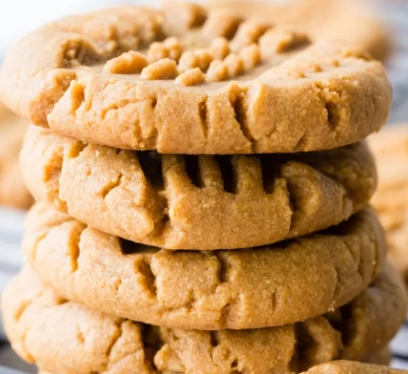
How to Make Easy Peanut Butter Cookies: A Step-by-Step Guide
Let's walk through the process. It's foolproof if you follow these cues.
Start by heating your oven to 350°F (175°C). Line a baking sheet with parchment paper. Don't skip the parchment. These cookies have a higher fat content and the parchment prevents sticking and makes cleanup zero.
In a medium bowl, combine the peanut butter, sugar, and egg. Use a fork or a wooden spoon. A mixer is overkill. You'll mix until it's completely uniform and no streaks of egg remain. The dough will be thick, slightly greasy, and very malleable.
Here's a pro tip most recipes don't mention: let the dough sit for 5 minutes after mixing. This gives the sugar a moment to dissolve slightly into the fats, which results in a less grainy texture in the final cookie. It's a small pause with a big payoff.
Scoop dough by the tablespoonful. I use a small cookie scoop for consistency, but two spoons work fine. Roll each portion into a smooth ball between your palms. Place them on the prepared sheet, leaving about 2 inches of space between. They don't spread a huge amount, but they need a little room.
Now, the classic crosshatch. Use a fork to gently press down on each ball, flattening it to about a ½-inch thickness. Dip the fork in a little sugar between presses to prevent sticking. Press once, then rotate 90 degrees and press again to create the grid pattern. This isn't just for looks—it ensures even baking and gives the edges those delightful crispy bits.
Bake for 10 to 12 minutes. They won't look "done" in the traditional golden-brown way. The edges will be just set, and the centers will look soft and puffy. That's perfect. They firm up as they cool. Overbaking is the number one mistake here, leading to dry, crumbly cookies.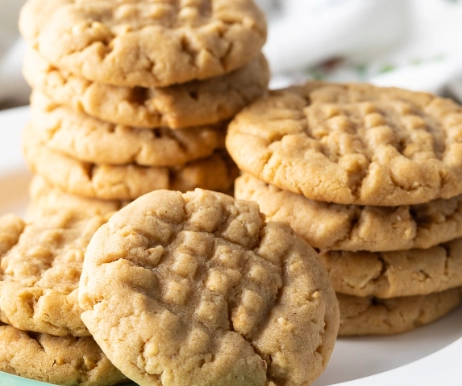
Let them cool on the baking sheet for 5 full minutes. They are too fragile to move right out of the oven. Then, transfer them to a wire rack to cool completely. Or, you know, eat a couple warm. I won't tell.
Peanut Butter, Sugar, Egg: Why This Trio Works
Understanding your ingredients is what turns a recipe follower into a confident baker. Let's break down the science in plain terms.
The Peanut Butter: The Star and the Structure
This is the most critical choice. You must use conventional, shelf-stable peanut butter like Jif or Skippy. The kind that doesn't separate. Why? Those brands contain added hydrogenated oils and emulsifiers that stabilize the spread. This stability translates directly to cookie structure. Natural peanut butter, where the oil sits on top, will give you a greasy, flat, and often crumbly cookie. The fats are too loose.
The peanut butter also provides the protein that, along with the egg, gives the cookie its body in the absence of flour. According to the USDA's food composition database, peanut butter is about 25% protein by weight, which is substantial for a cookie base.
The Sugar: More Than Sweetness
Granulated white sugar does two jobs. First, it sweetens. Second, during mixing and baking, it creates tiny air pockets and interacts with the proteins to provide some lift and crispness. You can swap it for brown sugar for a deeper, molasses-like flavor and a chewier texture. I prefer a 50/50 mix sometimes.
The Egg: The Glue
The egg is your binder. It coagulates during baking, setting the structure and holding the cookie together. One large egg is the perfect amount for this ratio. Too much, and the cookies can become cakey or eggy in flavor. Make sure it's at room temperature for easier mixing and more even incorporation.
Why Do My Peanut Butter Cookies Fall Apart? (And How to Fix It)
Even the easiest recipe can have hiccups. Here are the main culprits and how to solve them instantly.
| Problem | Likely Cause | Quick Fix |
|---|---|---|
| Cookies are crumbly and dry | Overbaking. Using "natural" peanut butter. Egg was too small. | Bake for less time (look for soft centers). Use conventional PB. Ensure a large egg. |
| Cookies spread too flat | Dough was too warm. Oven temperature too low. Natural PB. | Chill dough balls for 15 min before baking. Check oven temp with a thermometer. |
| Cookies are too hard | Overmixing the dough. Too much sugar. Overbaking. | Mix just until combined. Measure sugar accurately. Reduce bake time by 1-2 min. |
| Fork sticks to the dough | Dough is too sticky. | Dip fork in a small bowl of sugar before each press. |
The biggest takeaway? Your peanut butter choice dictates 80% of the outcome. I learned this the hard way after a batch of expensive, artisanal natural peanut butter turned into a single, giant, greasy cookie puddle on my sheet. Stick with the classic supermarket stuff for this specific recipe.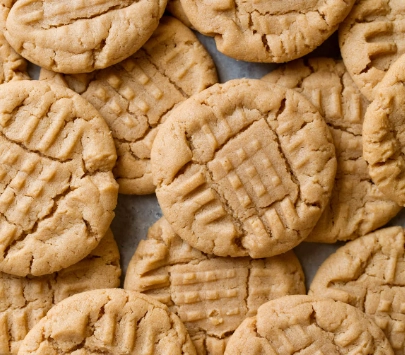
Frequently Asked Questions About Easy Peanut Butter Cookies
Over the years, I've gotten the same questions from friends and readers. Here are the answers you won't find on the back of a peanut butter jar.
Reader Comments