Quick Navigation
- The Straight Scoop: Calories in a Standard Serving
- Brand vs. Brand: A Calorie Showdown
- What Makes Up Those Calories? The Fat, Protein, and Carb Breakdown
- Crunchy vs. Creamy: Does Texture Change Calories?
- How to Enjoy Peanut Butter Without Worry: Practical Tips
- Your Peanut Butter Questions, Answered
- The Final Verdict: Should You Eat It?
So you're staring at that jar of peanut butter, spoon in hand, and the question hits you: how many calories does peanut butter have anyway? Is this delicious, creamy spoonful about to wreck your day's calorie budget, or is it a secret weapon? I get it. I've been there too, hovering in the pantry aisle, comparing labels, feeling a mix of craving and guilt. The truth is, the answer isn't just one number. It depends on so much—the brand, the type, even how you scoop it.
Let's cut through the noise. We're going to dive deep, past the marketing buzzwords like "natural" and "low-fat," and look at the real numbers. We'll compare brands you actually find on shelves, talk about what those calories are made of (hint: it's mostly good stuff), and figure out how to enjoy peanut butter without any stress. Because honestly, food shouldn't be stressful.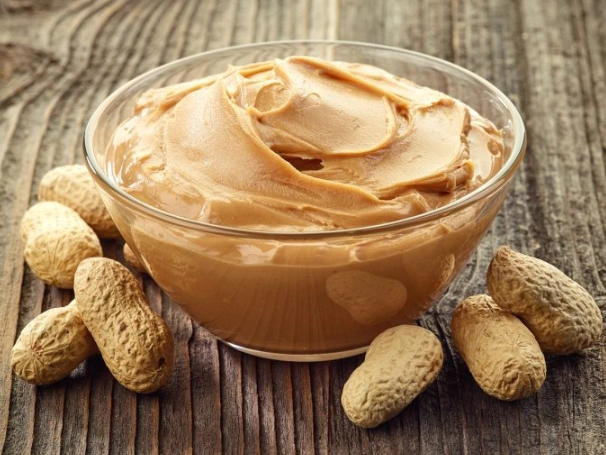
The Quick Answer: A standard 2-tablespoon (32-gram) serving of classic peanut butter—the kind made from just peanuts and salt—packs about 190 to 200 calories. But stick with me, because that number is just the starting point. Where those calories come from changes everything.
The Straight Scoop: Calories in a Standard Serving
Alright, let's get specific. The gold standard for measuring peanut butter is a 2-tablespoon serving, which weighs about 32 grams. This is what you'll see on every Nutrition Facts label. Now, if you're like me, your "tablespoon" might sometimes look more like a small mountain. Using a real measuring spoon at least once is a real eye-opener—I was definitely over-pouring.
For the most basic, no-frills peanut butter (just roasted peanuts, maybe a pinch of salt), the U.S. Department of Agriculture's FoodData Central database, a super reliable source, lists it at 191 calories for that 2-tbsp serving. That's your baseline.
But here's where it gets interesting. That serving also gives you 16 grams of fat (mostly the healthy monounsaturated and polyunsaturated kind), 7 grams of protein, and 6 grams of carbs (with about 2 grams being fiber). So when you ask how many calories does peanut butter have, you're really asking about a package deal of nutrients, not just empty energy.
It's dense. That's the word. Calorically dense. But nutrient-dense too. That's the peanut butter paradox we need to unravel.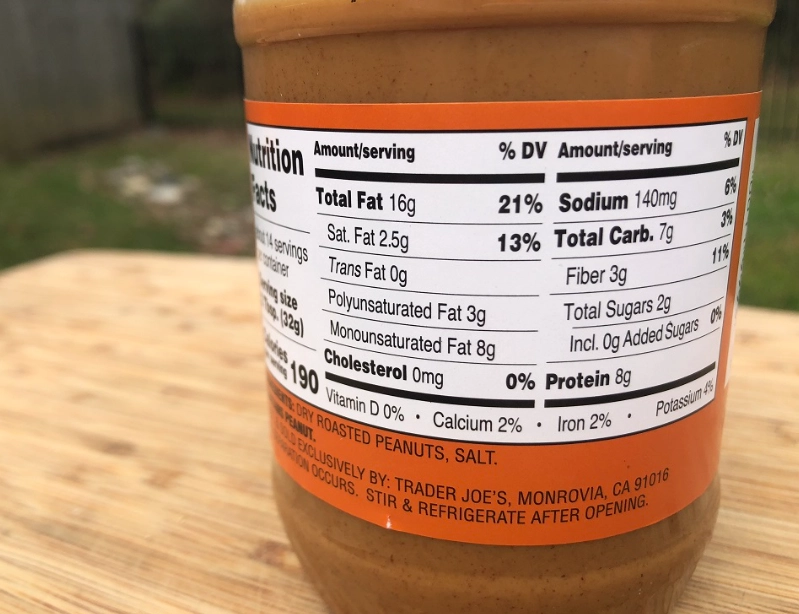
Brand vs. Brand: A Calorie Showdown
"Natural," "Organic," "Reduced Fat." The labels scream at you. But do the calories change much? I went and checked the labels of some of the most common jars. You'd be surprised. The differences often come from added sugars and oils, which can tweak the calorie count and, more importantly, the nutritional quality.
Let's lay them out in a table. This makes it so much easier to see what you're really getting.
| Brand & Type | Calories (per 2 tbsp / 32g) | Key Ingredients (What's Really Inside) | The Real Talk |
|---|---|---|---|
| Generic Creamy (Just Peanuts & Salt) | 190 | Peanuts, Salt. | The purest form. Oil separation is normal—just stir! |
| Jif Creamy | 190 | Roasted Peanuts, Sugar, Molasses, Fully Hydrogenated Vegetable Oils, Mono & Diglycerides, Salt. | Classic taste. Added sugars and stabilizers prevent oil separation but add processed ingredients. |
| SKIPPY Creamy | 190 | Roasted Peanuts, Sugar, Hydrogenated Vegetable Oil (Cottonseed, Soybean, Rapeseed), Salt. | Similar to Jif. The hydrogenated oil adds trans fats, which many try to avoid. |
| Justin's Classic Peanut Butter | 190 | Dry Roasted Peanuts, Palm Oil, Sugar, Salt. | "Natural" but includes palm oil for spreadability. Still has added sugar. |
| Crazy Richard's 100% Peanuts | 180 | Peanuts. That's it. | No salt, no oil, no sugar. Calorie count is slightly lower due to potential moisture/content variations. |
| Jif Reduced Fat | 190 | Peanuts, Corn Syrup Solids, Sugar, Pea Protein, Salt, etc. | This one gets people. Same calories, but fat is replaced with sugar and starches. Not necessarily a healthier choice. |
See that? The calories are strikingly similar across the board—mostly hovering around 190. The big difference isn't in the number of calories peanut butter has, but in the ingredient list. The "Reduced Fat" version is a perfect example of food industry sleight of hand. They take out some fat (which is satiating) and often add sugar or refined carbs to make it taste good, sometimes leaving the calorie count identical. You're not really saving calories, you're just swapping a healthy nutrient for less desirable ones.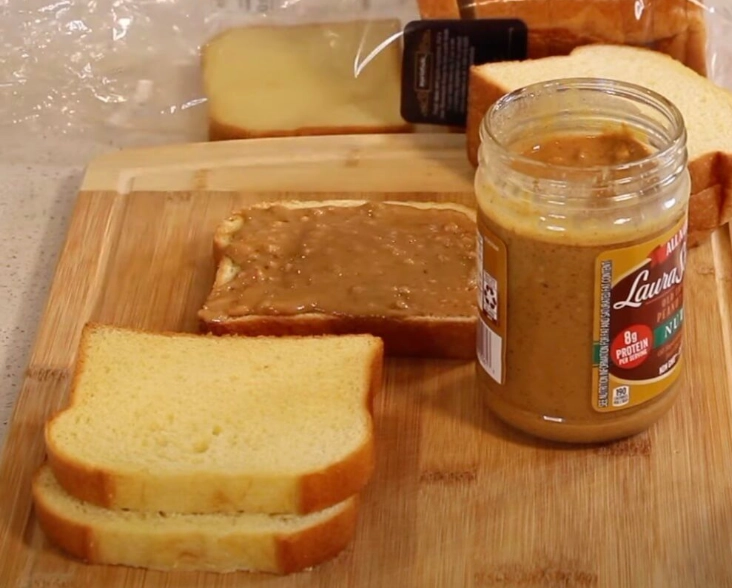
Watch Out For This: "Reduced Fat" peanut butter is often a trap. You might think you're making a better choice, but you're usually trading healthy fats for added sugars or fillers. Always, always flip the jar and read the ingredients. If sugar (or corn syrup solids) is in the first three ingredients, put it back.
What Makes Up Those Calories? The Fat, Protein, and Carb Breakdown
Understanding how many calories does peanut butter have is step one. Step two is understanding why those calories are actually pretty great. Let's break down what's in that 190-calorie package:
- Healthy Fats (About 140-150 calories worth): This is the biggest chunk. Peanut butter is rich in monounsaturated and polyunsaturated fats—the same kinds found in olive oil and avocados. These fats are heart-healthy. They help lower bad (LDL) cholesterol and raise good (HDL) cholesterol. The body uses this fat for energy, to absorb vitamins, and to keep you feeling full. This is not the fat to fear.
- Protein (About 28-30 calories worth): At 7-8 grams per serving, peanut butter is a decent plant-based protein source. Protein is the building block for muscles and it's incredibly satiating. This protein content is a big reason why a spoonful of peanut butter can keep hunger at bay for hours.
- Carbohydrates & Fiber (About 20-25 calories worth): With only 6-7 grams of total carbs and 2-3 grams of fiber, peanut butter is relatively low in net carbs. The fiber is key—it aids digestion and adds to the feeling of fullness.
So when you look at it this way, you're not consuming "empty" calories. You're getting a balanced mix of macronutrients that your body can use effectively. The Harvard T.H. Chan School of Public Health lists nuts and nut butters as a good source of healthy protein and fats, supporting the idea that their calorie content comes with significant nutritional benefits.
The Sugar Question: The Hidden Calorie Culprit
This is a major divider between "good" and "not-so-great" peanut butter. In a natural, peanuts-only variety, there might be 1-2 grams of naturally occurring sugars. In many conventional brands, added sugar can bump that up to 3-4 grams per serving. That might not sound like much, but it adds up. Those are essentially "empty" calories—energy without any additional nutrients like fiber, vitamins, or minerals.
If you're watching your calorie intake closely, choosing a no-added-sugar variety ensures that every calorie you consume from peanut butter is delivering maximum nutritional value.
Crunchy vs. Creamy: Does Texture Change Calories?
This is a fun one. I used to wonder if my preference for crunchy meant I was eating more calories. The short answer is: no, not really. For the same brand and type, the calorie difference between creamy and crunchy peanut butter is negligible—usually within a 5-calorie range per serving. The crunchy version just has finely chopped peanut pieces mixed in, which doesn't significantly alter the macronutrient profile.
So, choose based on your texture love, not calorie fear.
How to Enjoy Peanut Butter Without Worry: Practical Tips
Knowing how many calories peanut butter has is useless if you don't know how to fit it into your life. Here’s how I do it without turning it into a math problem every time.
- Master the Serving Size: Seriously, measure it once or twice. Use a tablespoon. You'll learn what a true 2-tbsp serving looks like in your favorite spoon or spread on your apple slices. It’s more than you think.
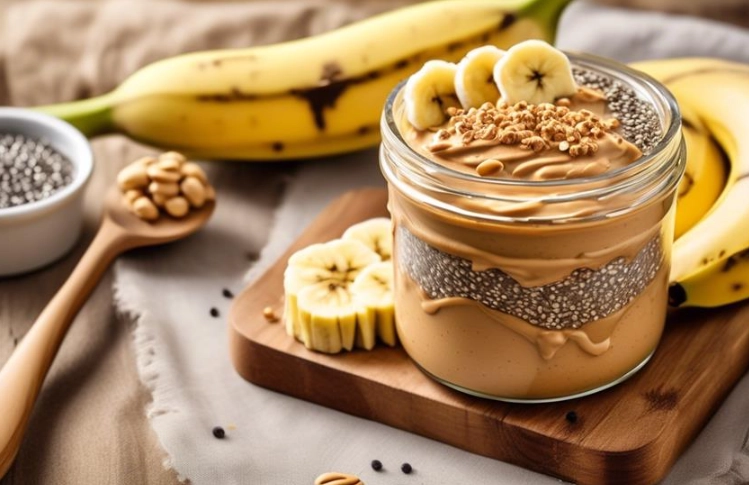
- Pair it with Volume Foods: This is my favorite trick. Pair a measured serving of peanut butter (calorie-dense) with low-calorie, high-volume foods. Think:
- Sliced apples or bananas
- Celery sticks (the classic “ants on a log”)
- A rice cake
- Mixed into plain Greek yogurt
This way, you get the rich flavor and staying power of the peanut butter with the satisfying bulk of the fruit or veggie. - Make it a Flavor Anchor: You don't need a lot. A small swirl in a smoothie, a dollop in oatmeal, or a thin spread on whole-grain toast can add immense flavor and richness for a reasonable calorie cost.
- Listen to Your Body: Eat it when you're genuinely hungry, not just bored. The combination of fat, protein, and fiber is designed to signal fullness. Eat it slowly and pay attention.
Pro Tip: Store natural peanut butter upside down when you first get it. It helps mix the oils more easily when you finally open and stir it. A little kitchen hack that saves you from the dreaded dry, oily separation struggle.
Your Peanut Butter Questions, Answered
I get asked these all the time. Let's tackle them head-on.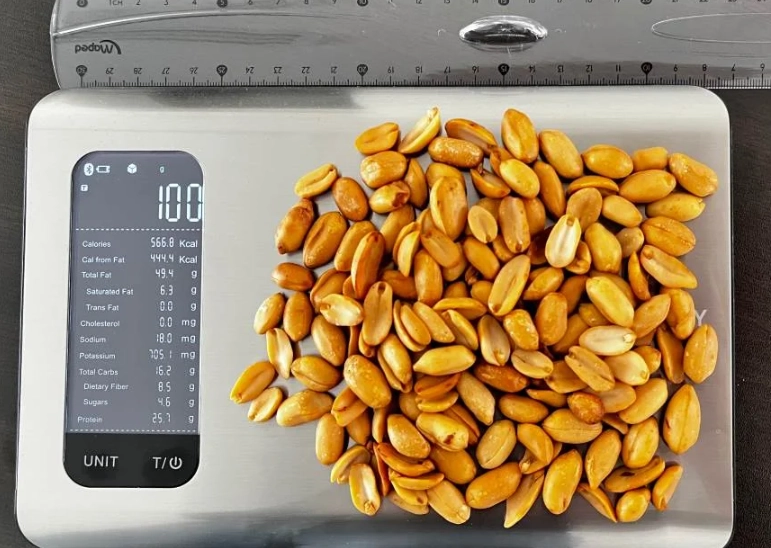
Is peanut butter good for weight loss or will it make me gain weight?
It can be a fantastic tool for weight loss *if* used mindfully. Because it's so satiating, a small amount can prevent you from reaching for less nutritious, sugary snacks later. The key is portion control. It won't magically melt fat, but including it in a calorie-controlled diet can help you stick to that diet because you feel satisfied. On the flip side, mindlessly eating spoonfuls straight from the jar can definitely contribute to weight gain because of its high calorie density. It's all about context.
What about powdered peanut butter? Is it lower in calories?
Big time. Powdered peanut butter (like PB2) has most of the fat pressed out. A 2-tablespoon serving of the powder (before mixing with water) has only about 50-60 calories. The trade-off? You also lose most of the healthy fat, which is a primary source of satiety and flavor. It's a great low-calorie option for adding peanut flavor to smoothies or sauces, but it's nutritionally a different product. Don't expect it to keep you full like the real thing.
How does almond or other nut butter compare calorie-wise?
They're all in the same ballpark. A 2-tbsp serving of almond butter is typically around 180-200 calories as well. Cashew butter might be a touch higher, closer to 200-210. The differences are minor. The choice should come down to taste preference, allergy concerns, and specific nutrient profiles (almond butter has slightly more calcium and vitamin E, for example).
I'm trying to build muscle. Is peanut butter a good post-workout food?
It's okay, but not ideal by itself right after a workout. Your muscles are primed to absorb carbs and protein for recovery. Peanut butter has protein, but it's slower-digesting due to the high fat content. A better move is to pair it with a fast-acting carb. Think: a peanut butter and banana sandwich on whole wheat bread, or a smoothie with peanut butter, banana, and a scoop of protein powder. That combo delivers what your muscles need more efficiently.
The Final Verdict: Should You Eat It?
Look, I'm just someone who loves food and has done a ton of reading and label-checking. I'm not a dietitian. But based on everything from the USDA data to advice from places like the Mayo Clinic, which emphasizes choosing foods with healthy fats, here's my take:
Stop fixating solely on how many calories does peanut butter have. That 190-number is almost irrelevant without the bigger picture. What matters more is the quality of those calories and how it fits into your overall diet.
Choose a peanut butter where the only ingredients are peanuts (and maybe salt). Enjoy a proper serving size. Pair it with whole foods. If you do that, peanut butter is absolutely a healthy, nutritious food that deserves a spot in your kitchen. It's a source of good fats, plant-based protein, vitamins (like Vitamin E and B6), and minerals (like magnesium and potassium).
The fear around its calorie content has, in my opinion, been overblown. It led to the creation of those weird "low-fat" alternatives that are often worse for you. We're moving past that now, understanding that fat isn't the enemy—poor quality food is.
So go ahead. Get that jar of the good stuff (the kind you have to stir). Measure out a couple of tablespoons. Slather it on a crisp apple or mix it into your morning oats. Enjoy every bite without an ounce of guilt. You're not just eating calories; you're fueling your body with something real and good.
And next time someone asks you how many calories peanut butter has, you can tell them the number, but also tell them the much more important story of what's behind it.
Reader Comments