Let's be honest. Most of us grab peanut butter because it's delicious and convenient. That creamy, nutty flavor is hard to beat. But lurking behind that tasty facade is a surprisingly complex nutritional profile that can either be a health hero or a dietary villain, depending on what's in your jar. I've spent years comparing labels, digging into research from places like the USDA's FoodData Central, and talking to nutritionists. What I've found is that understanding the nutrients in peanut butter is the key to unlocking its real power.
It's not just about protein and fat. It's about the type of fat, the micronutrients hiding in there, and how all these pieces work together in your body.
What You'll Discover
The Macro Breakdown: Fats, Protein, and Carbs
This is where the magic—and the confusion—happens. A standard 2-tablespoon (32g) serving of natural peanut butter gives you a specific blend. Let's look at the numbers for a typical natural, salted variety.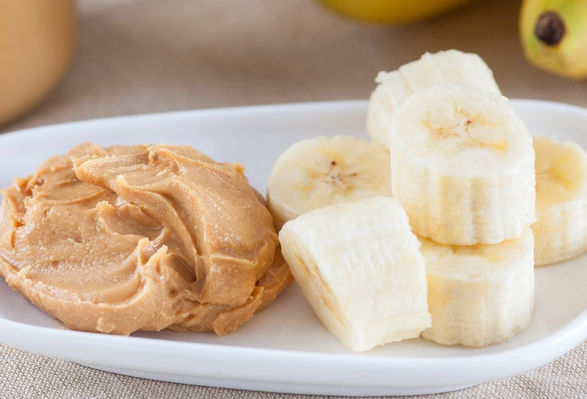
| Nutrient | Amount per 2 tbsp (32g) | % Daily Value (DV)* |
|---|---|---|
| Calories | ~190-200 | 10% |
| Total Fat | 16g | 21% |
| - Saturated Fat | ~2.5g | 13% |
| - Monounsaturated Fat | ~8g | - |
| - Polyunsaturated Fat | ~4g | - |
| Protein | 7-8g | 16% |
| Total Carbohydrates | 6-7g | 2% |
| - Dietary Fiber | 2-3g | 11% |
| - Sugars | 1-2g (naturally occurring) | - |
*Based on a 2,000 calorie diet. Data sourced from USDA FoodData Central.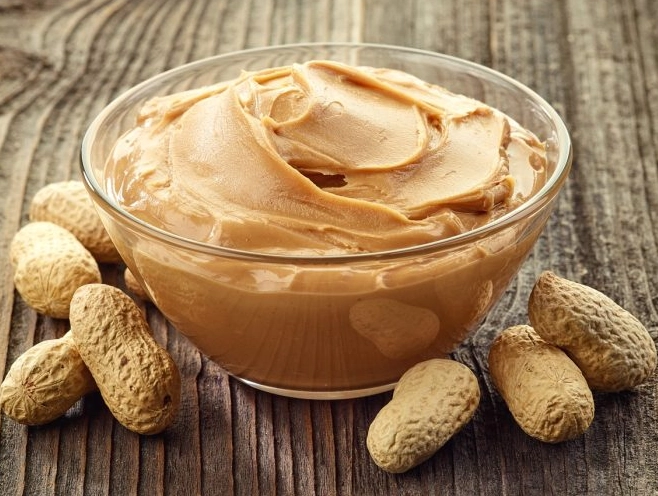
The Fat Story: It's (Mostly) the Good Kind
Seeing 16 grams of fat can be scary. But here's the non-consensus part everyone misses: the ratio is what matters. Over 80% of that fat is unsaturated—the heart-healthy kind.
Monounsaturated fats (like oleic acid, also found in olive oil) are the stars. Studies, including those referenced by the American Heart Association, link them to improved cholesterol levels and reduced inflammation. The polyunsaturated fats include linoleic acid, an essential omega-6 fatty acid your body can't make.
The saturated fat? It's there, but in a relatively modest amount. In the context of a balanced diet, this profile is beneficial, not harmful. The panic over peanut butter's fat content is outdated.
Protein and Carbs: The Supporting Cast
Seven grams of plant-based protein per serving is solid. It's not a chicken breast, but it's a meaningful contribution that helps with satiety and muscle repair.
The carbs are low and mostly come from fiber. This fiber-protein-fat trio is the golden ticket. It digests slowly, providing steady energy and keeping hunger pangs at bay for hours. Compare that to a bag of pretzels—all quick carbs and no staying power.
The Hidden Gems: Vitamins and Minerals
This is where peanut butter truly shines as a nutrient-dense food. It's a stealth source of several key micronutrients.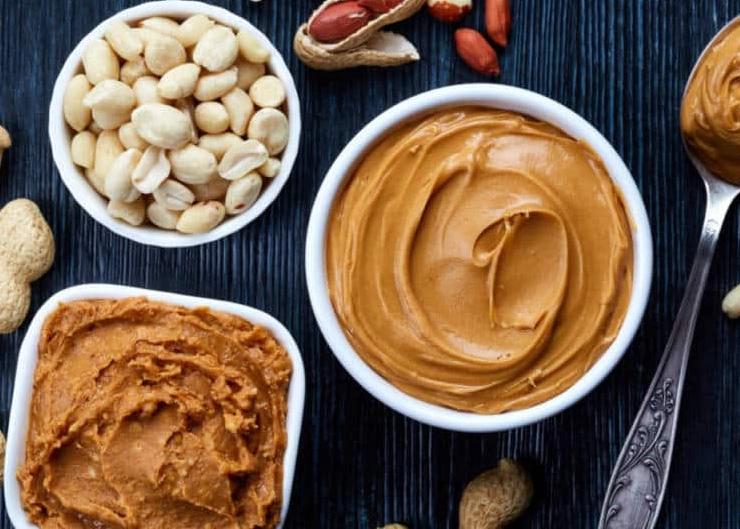
Niacin (Vitamin B3): A single serving provides about 25% of your DV. Niacin is crucial for converting food into energy and keeping your nervous system and skin healthy.
Vitamin E: A potent antioxidant that protects your cells from damage. Peanut butter is a reliable source.
Magnesium: Involved in over 300 biochemical reactions, including muscle and nerve function, blood sugar control, and blood pressure regulation. You get about 15% of your DV here.
Phosphorus & Potassium: Important for bone health and fluid balance, respectively.
Trace Minerals: You also get smaller amounts of zinc (for immunity), iron (for blood health), and selenium (another antioxidant).
Most people don't eat peanut butter for the magnesium. But that's the point of nutrient density—you get the big-ticket items (protein, healthy fats) plus a valuable bonus package of vitamins and minerals.
How to Choose the Right Jar: A Label Decoder
Walk down the aisle and you'll see "Natural," "No Stir," "Honey Roasted," "Reduced Fat." The nutrient profile varies wildly. Here's how to decode it.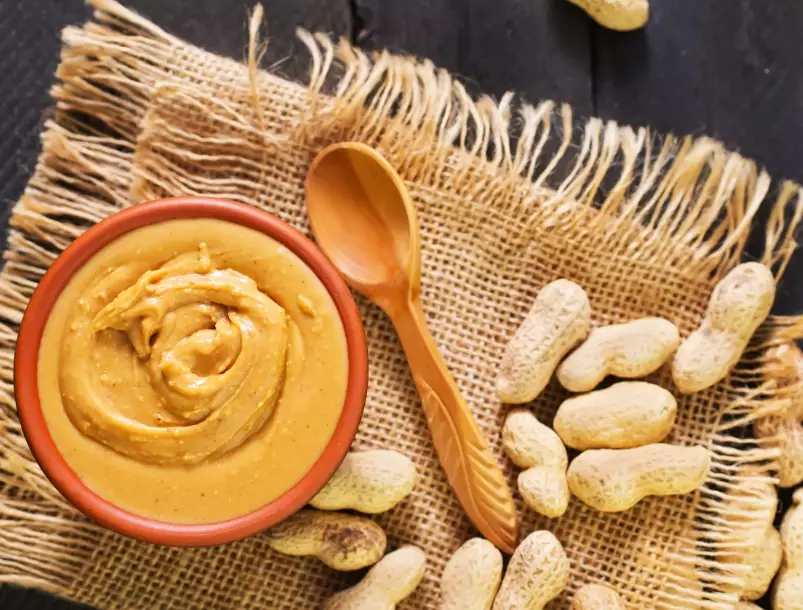
The Gold Standard: Natural Peanut Butter. Ingredients: Peanuts. Maybe salt. That's it. The oil will separate on top—this is normal and a sign of quality. Stir it in. This gives you the pure, unadulterated nutrient profile we've been discussing.
The Common Imposter: "Regular" Commercial Peanut Butter. Ingredients: Peanuts, sugar, hydrogenated vegetable oils (cottonseed, soybean, and/or rapeseed oil), salt, molasses.
See the problems? Added sugars bump up the carbs and calories without benefit. Hydrogenated oils are added to prevent oil separation, but they introduce trans fats, even if the label says "0g." (Labeling laws allow rounding down). These trans and extra saturated fats undermine the healthy fat profile. The emulsifiers? They're just there for texture.
"Reduced Fat" Versions: A classic bait-and-switch. They remove some peanut fat, but to make it palatable, they often add more sugar, starches, and fillers. You end up with a similar calorie count but more processed carbs and fewer healthy fats. I almost always advise against these.
My personal rule: If the ingredients list has more than two items (peanuts + salt), I put it back. The healthiest nutrients in peanut butter come from the peanuts themselves, not the additives.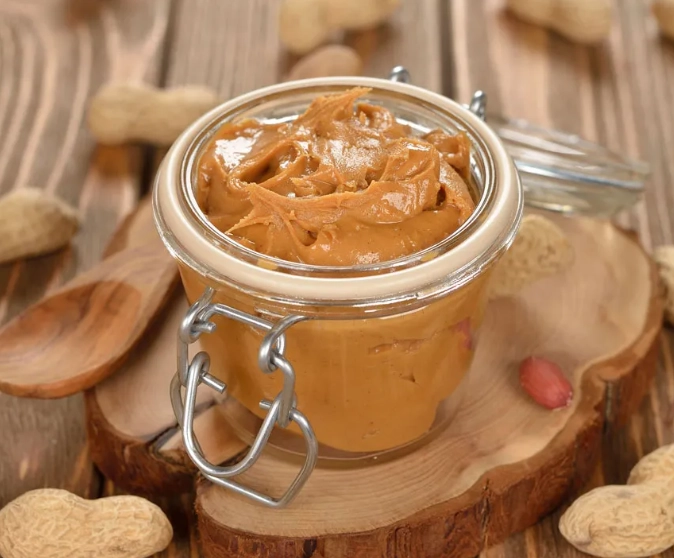
Putting It Into Practice: Smart Ways to Eat It
Knowing the nutrients is one thing. Using them effectively is another.
Portion Control is Non-Negotiable. It's calorie-dense. Use a measuring spoon for the first week to train your eye. Two level tablespoons is the standard serving. Don't just dig in with a knife.
Pair for Power. Combine its fat and protein with other food groups for a balanced effect.
- Pre-Workout: Apple slices with 1 tbsp peanut butter. The fruit's carbs provide quick fuel, the fat/protein gives endurance.
- Post-Workout Recovery: A smoothie with banana, spinach, milk (or plant milk), and a scoop of peanut butter. The protein aids muscle repair, the potassium from the banana combats cramps.
- Hunger-Busting Snack: Celery sticks with peanut butter and a few raisins. The ultimate volume snack with fiber, protein, and fat.
- Breakfast Boost: Swirled into plain oatmeal. It transforms a bland, carb-heavy bowl into a satisfying, complete meal.
Avoid the Sugar Traps. Ditching jelly or honey with your peanut butter sandwich is an easy win. Try mashed banana or thin apple slices instead for natural sweetness and extra fiber.
Your Peanut Butter Nutrient Questions, Answered
After years of writing about this, these are the real questions people keep asking me.
So next time you twist open a jar, remember you're not just getting a spread. You're getting a complex package of healthy fats, solid protein, valuable fiber, and a suite of supporting vitamins and minerals. Choose the jar wisely, respect the portion, and pair it smartly. That's how you turn a pantry staple into a genuine nutritional powerhouse.
Reader Comments