You grab a spoonful of peanut butter straight from the jar. It's creamy, satisfying, and feels like a solid, protein-packed choice. But later, you glance at the nutrition label. Wait, only 7 grams? That can't be right for such a hearty food. If you've ever found yourself squinting at the jar, wondering just how many grams of protein are in peanut butter and if it's worth the calories, you're not alone. Let's clear the air. The standard answer is about 7 to 8 grams of protein per 2-tablespoon (32g) serving. But that number alone tells maybe half the story. The real question isn't just the grams—it's what kind of protein it is, how your body uses it, and how to make those grams work harder for you.
What's Inside This Guide?
The Straight Facts: Protein in Different Peanut Butters
Not all peanut butters are created equal. That protein count can swing based on what else is in the jar. Here’s a breakdown of what you can typically expect from a 2-tablespoon serving, based on data from common brands and the USDA FoodData Central.
| Type of Peanut Butter | Approx. Protein (g) | Key Characteristics |
|---|---|---|
| Natural (Peanuts & Salt only) | 7-8g | Highest protein density. Oil separation is normal. |
| "No-Stir" Natural | 7-8g | Contains palm fruit oil to prevent separation. Protein content remains high. |
| Conventional (e.g., JIF, Skippy Creamy) | 6-7g | Added sugars and hydrogenated oils slightly dilute protein percentage. |
| Powdered Peanut Butter (e.g., PB2) | 5-6g* | *Per 2 tbsp of powder (about 12g). Much lower in fat and calories, but serving size is smaller. |
| "High-Protein" Blends | 10-12g | Often mixed with soy or pea protein isolate. Check for added sugars and taste. |
See the pattern? The fewer ingredients, the more room for actual peanuts—and their protein. A jar that lists just "peanuts, salt" is giving you the most protein per calorie from the peanut itself.
I made the switch to natural peanut butter years ago, and the first thing I noticed wasn't the taste—it was how much more satiating it felt. A single sandwich kept me full for hours, whereas the sweeter conventional kind left me craving more soon after. That's the protein and healthy fat working together.
Why Peanut Butter is Still a Protein Powerhouse (Despite the Numbers)
Seven grams might seem modest compared to a chicken breast. Here's where context is everything. Peanut butter is a plant-based, nutrient-dense package.
Think of it this way: you're not just buying protein grams. You're getting a suite of nutrients that support how your body uses that protein.
- Healthy Fats: The monounsaturated and polyunsaturated fats in peanuts aid in the absorption of fat-soluble vitamins and provide long-lasting energy. This combo of protein and fat is the golden ticket to curbing hunger.
- Fiber: Around 2 grams per serving. Fiber slows digestion, leading to a steadier release of energy and amino acids (the building blocks of protein) into your bloodstream.
- Essential Vitamins & Minerals: You get a good dose of magnesium (for muscle function), vitamin E (a powerful antioxidant), and niacin (for energy metabolism).
The Bioavailability Angle: A subtle point most blogs miss. The protein in peanuts is highly bioavailable for a plant source. According to research cited by the World Health Organization and other nutritional bodies, the protein digestibility-corrected amino acid score (PDCAAS) for peanuts is high, meaning your body can efficiently use most of the protein it contains. It's not just about the number on the label; it's about how much your body can actually absorb and utilize.
The "Complete Protein" Myth (And The Simple Fix)
Here's a big one. Peanuts are low in the essential amino acid methionine. This means peanut butter protein is not "complete" on its own. But wait—this is not a dealbreaker, it's an opportunity.
In the real world, we rarely eat protein sources in isolation. By pairing peanut butter with a food rich in methionine, you create a complete protein profile. This is effortless:
Whole wheat bread + peanut butter = complete protein.
Oatmeal + a scoop of peanut butter = complete protein.
A handful of seeds (like sunflower or chia) mixed in = complete protein.
You've probably been doing this all along without knowing it. Your body pools amino acids throughout the day, so as long as you have a varied diet, you're covered.
How to Maximize the Protein Benefits in Your Day
Knowing the grams is step one. Making them work for you is step two. Let's move from theory to your kitchen.
Smart Pairings for Muscle & Satisfaction
Forget eating it plain. Strategically combine it to boost protein synthesis and keep energy levels stable.
Post-Workout: While the fat can slow digestion slightly, a combo with fast carbs is perfect. Try a smoothie with a banana, a scoop of peanut butter, and a cup of milk (dairy or fortified soy). The carbs replenish glycogen, the protein repairs muscle, and the fat provides sustained energy.
Breakfast Anchor: Stir a tablespoon into your Greek yogurt or oatmeal. You're adding protein to already protein-rich foods, creating a mega-satiating meal that can easily push 20+ grams of protein.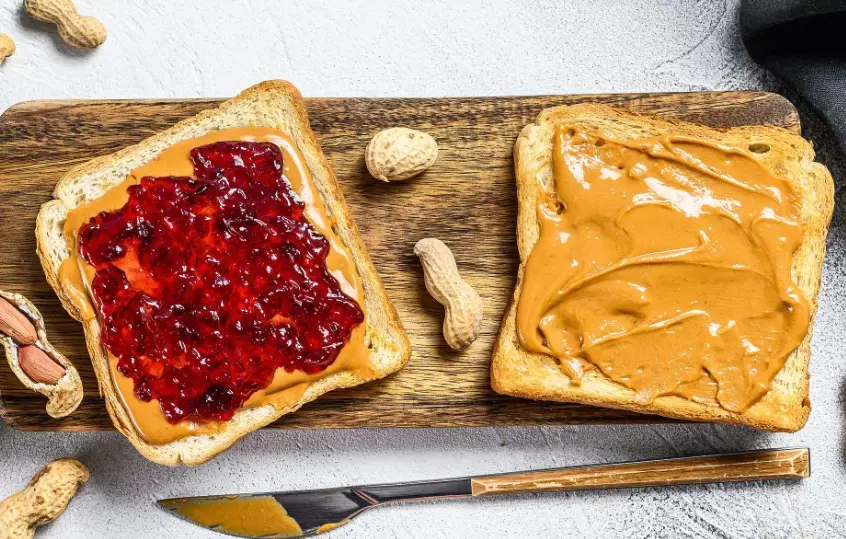
The Ultimate Snack: Apple slices or celery sticks with peanut butter. The fiber from the fruit/veg, plus the protein and fat from the PB, stabilizes blood sugar far better than a carb-only snack.
A Sample High-Protein Day Featuring Peanut Butter
Here’s how it can fit into a day aiming for solid protein intake:
- Breakfast: Overnight oats (1/2 cup oats, 1 cup milk, 1 tbsp peanut butter, chia seeds). ~18g protein.
- Snack: A pear with 1 tbsp natural peanut butter. ~9g protein.
- Lunch: Chicken salad sandwich (main protein source).
- Afternoon: A smoothie with spinach, protein powder, and 1/2 tbsp peanut butter for creaminess. ~25g protein.
- Dinner: Stir-fry with tofu or beef.
See? It's a supporting player that elevates other meals and snacks, contributing an easy 10-15 extra grams of quality plant protein without much effort.
Common Mistakes and What to Look For Instead
After a decade of looking at nutrition labels, the biggest mistake I see is focusing solely on the protein number while ignoring the ingredients that sabotage the nutritional value.
The Sugar Trap: Some "protein" or "health" branded nut butters are loaded with added sugars (cane sugar, molasses) or sweeteners. If sugar is listed before salt in the ingredients, that jar is more of a dessert spread. The added sugars add empty calories that dilute the protein and fat benefits and can spike your blood sugar.
Look for this: "Peanuts" as the first and ideally only ingredient. Salt is okay. Avoid anything with "partially hydrogenated oils" (trans fats) or a long list of emulsifiers and sugars.
Portion Distortion: Two tablespoons is a standard serving, but it's surprisingly small—about the size of a ping-pong ball. It's very easy to double that without realizing, especially when eating from the jar. For consistent protein tracking, measure it once to see what it looks like in your bowl or on your bread.
Storing Natural Peanut Butter: Don't pour off the oil on top! That's the healthy peanut oil. Stir it all in thoroughly and store the jar upside down in the fridge. This keeps it mixed and spreads nicely.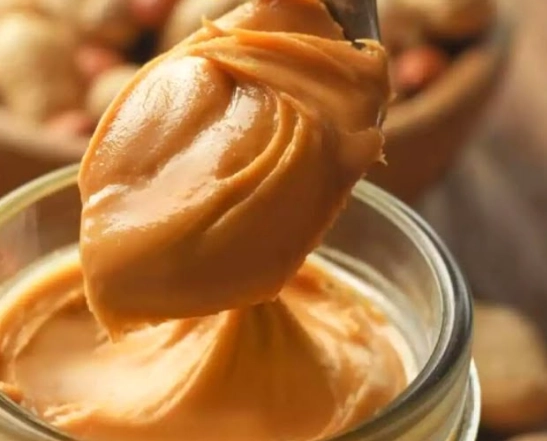
So, how many grams of protein are in peanut butter? Roughly 7 to 8 per serving. But now you know that's just the starting line. It’s the quality of those grams, the company they keep (healthy fats, fiber), and how you pair them that transforms peanut butter from a simple spread into a strategic, satisfying, and highly effective source of plant-based protein. Don't just count the grams—make the grams count.
Reader Comments