I’ve made a lot of bad peanut butter cookies in my life. The kind that crumble into sandy dust with one bite. The kind so hard you could use them as coasters. For years, I chased that ideal cross-hatched, melt-in-your-mouth cookie, convinced it was some bakery magic I couldn't replicate. Turns out, I was just overcomplicating things. The magic of a great peanut butter sugar cookie isn't in fancy ingredients; it's in nailing a few simple, often-overlooked techniques. This recipe is the culmination of all those failed batches, and it works every single time. No chilling, no fuss, just soft, chewy, peanut-buttery bliss.
What You'll Find in This Guide
The Foolproof Recipe: Why These Ingredients Work
Let's get straight to it. This isn't a "throw everything together" recipe. Each ingredient has a specific job. Swap them willy-nilly, and you're back to hockey puck territory.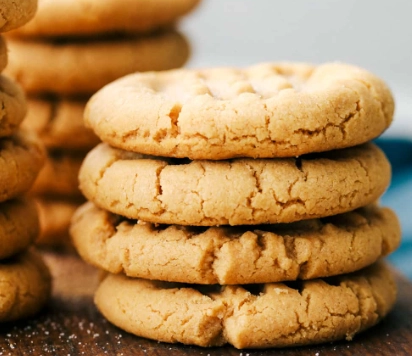
Classic No-Chill Peanut Butter Sugar Cookies
Yields: About 24 cookies | Prep: 15 mins | Bake: 9-11 mins
Ingredients:
- 1 cup (250g) creamy peanut butter – Not natural. Use a standard brand like Jif or Skippy. The stabilizers are key for texture.
- 1 cup (200g) granulated white sugar – For structure and that classic crisp edge.
- 1 large egg, at room temperature – The binder. Cold eggs can cause the dough to seize.
- 1 teaspoon pure vanilla extract – Enhances the peanut butter flavor, don't skip it.
- 1 teaspoon baking soda – Our leavening agent for the perfect rise and chew.
- A pinch of fine sea salt – Balances the sweetness and makes the flavor pop.
Tools You'll Need: A medium mixing bowl, a sturdy spoon or spatula (no mixer required!), a baking sheet, parchment paper, a fork, and a #40 cookie scoop (about 1.5 tablespoons) for consistency.
See? Only six ingredients. The simplicity is the point. You'll notice there's no butter, no flour, no brown sugar in the base recipe. This is a flourless peanut butter cookie, which is why it's so forgiving and naturally gluten-free. The peanut butter provides the fat and protein structure instead of flour.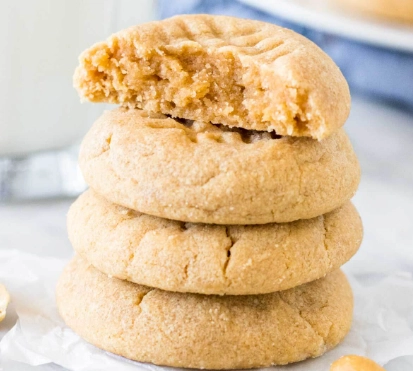
Step-by-Step Baking: The "No Chill" Method Explained
Preheat your oven to 350°F (175°C). Line your baking sheet with parchment paper. This is non-negotiable for easy cleanup and preventing sticking.
1. The Mixing Order Matters
In your bowl, combine the peanut butter, sugar, egg, vanilla, baking soda, and salt. Stir with your spatula until it forms a uniform, slightly sticky dough. It will look a bit greasy—that's normal. Mix just until everything is incorporated. Overmixing at this stage can make the cookies oily.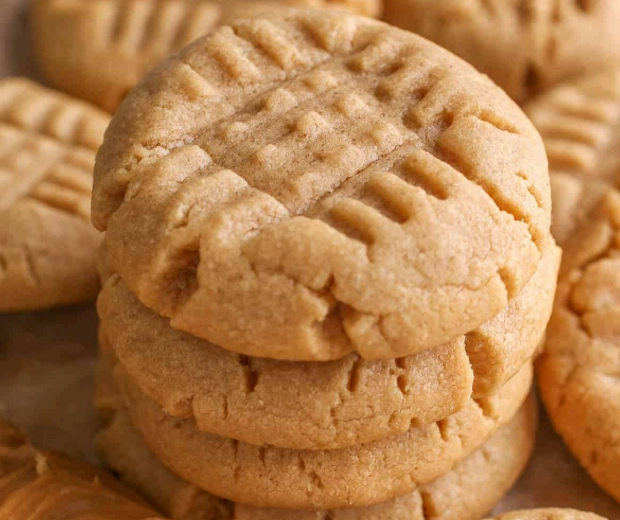
2. Scooping for Consistency
Use your cookie scoop to portion the dough. Roll each portion gently between your palms to form a smooth ball. This step ensures even baking. Place the balls about 2 inches apart on the prepared sheet. They will spread.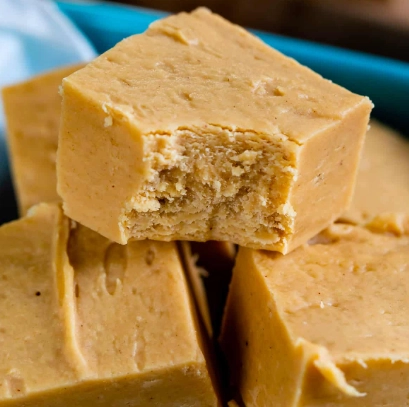
3. The Signature Fork Press
Here's the fun part. Dip the tines of a fork in a little extra sugar. Press down on a dough ball to flatten it to about 1/2-inch thickness, then press again perpendicular to the first set of lines to create the classic cross-hatch pattern. The sugar prevents sticking and adds a subtle sparkle and crunch.
Let the cookies cool on the baking sheet for 5 minutes before transferring them to a wire rack. They are very fragile when hot.
Pro Tips & The Secrets Nobody Talks About
Anyone can follow a recipe. Baking with understanding is what makes you reliable. Here are the insights I wish I'd known years ago.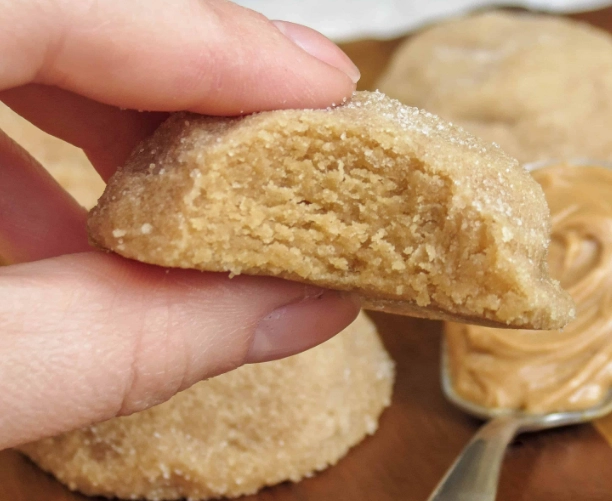
The Sugar Truth: This recipe uses only white sugar for a reason. White sugar promotes spreading and gives a crisper edge. Many recipes use brown sugar for chewiness, but with no flour to absorb the extra moisture from the molasses, brown sugar can make these cookies spread too thin and become greasy. If you want a hybrid, try 3/4 cup white and 1/4 cup packed brown sugar.
The "No Chill" Science: Most cookie doughs need chilling to solidify the fat and prevent overspreading. Our fat here is peanut butter, which is solid at room temperature. It doesn't melt as quickly as butter, so chilling is unnecessary. This is the ultimate last-minute cookie.
The Peanut Butter Variable: Brand matters. I've tested this extensively. Jif and Skippy give a consistently soft, chewy result. Store brands can be hit or miss—some have more oil. Natural peanut butter (the kind you have to stir) is a different beast. It has more oil and less sugar, which almost always leads to flat, oily cookies. If you must use natural, reduce the sugar slightly and be prepared for a different texture.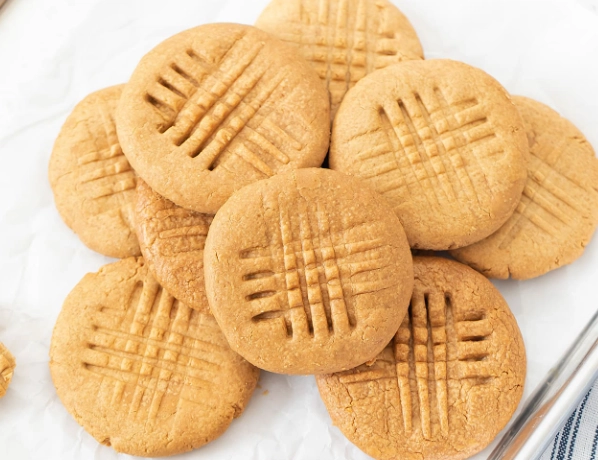
The Fork Press Hack: If your fork keeps sticking, you're not using enough sugar on the tines. A good dip before each press is key. Some bakers swear by a flour-dipped fork, but sugar gives a better finish.
One more thing: oven thermometers are cheap and life-changing. If your oven runs even 25 degrees hot, you're overbaking without knowing it.
Your Top Cookie Questions, Answered
After sharing this recipe for years, certain questions pop up again and again. Here’s the real talk.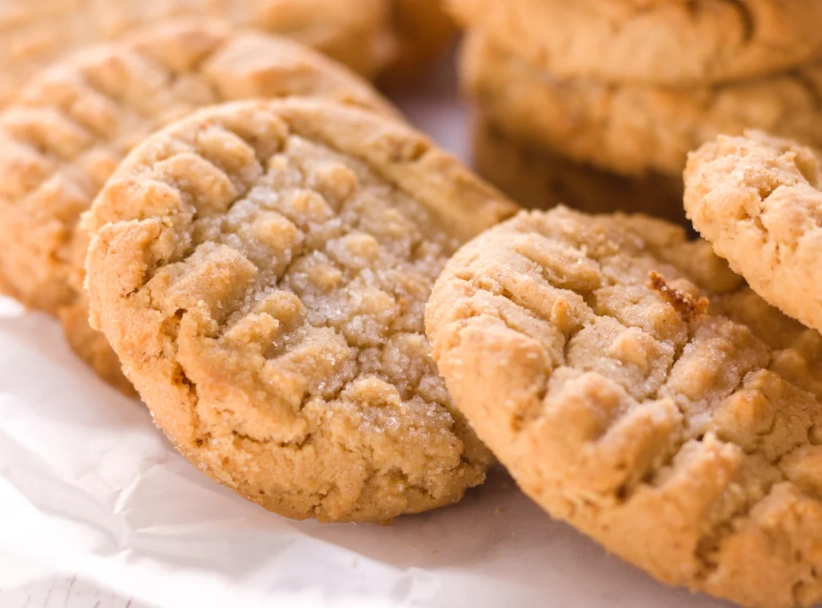
So there you have it. The quest ends not with a secret ingredient, but with understanding the ones you're already using. Grab that jar of peanut butter and give it a shot. I promise it's easier than you think.
Reader Comments