You grab a jar of peanut butter, thinking it's a healthy protein hit. The label says "natural" and has a picture of a single peanut. Looks good, right? Then you flip it over and see sugar listed as the second ingredient. That's the reality for most jars lining supermarket shelves. The sugar in peanut butter isn't just a sprinkle; it's a calculated addition that changes the food from a simple spread into something more like a dessert topping. Let's break down why it's there, how much is too much, and how to find—or make—the good stuff.
What's Inside This Guide
Why Is There Sugar in Peanut Butter Anyway?
It's not for preservation. Peanuts have enough oil to last. The sugar is there for three main reasons, and none are about your health.
First, taste engineering. Sugar makes everything more palatable and addictive. A slightly sweet, salty, fatty combo is a flavor profile food scientists know we crave. It keeps you coming back to that brand.
Second, texture and consistency. Added sugar (often along with hydrogenated oils) prevents the natural peanut oil from separating. This gives you that uniformly smooth, spreadable paste straight from the fridge. It's a manufacturing convenience sold to you as a benefit.
Third, cost. Sugar is cheaper than peanuts. By bulking up the product with a sweetener, companies can use slightly fewer peanuts per jar, padding their margins. When you see "peanut butter spread," that's often a clue that other ingredients are filling space.
The biggest mistake people make is assuming "natural" on the front means no added sugar on the back. It doesn't. "Natural" is an almost meaningless marketing term. You have to read the ingredients list.
The Sugar Shock: A Side-by-Side Brand Comparison
Let's get specific. Here’s what you’re actually getting in a standard 2-tablespoon (32g) serving. Data is pulled from official nutrition labels and the USDA FoodData Central database.
| Brand & Product Name | Total Sugars (per 2 tbsp) | Contains Added Sugar? | Key Notes |
|---|---|---|---|
| Jif Creamy Peanut Butter | 3g | Yes (Sugar, Molasses) | The classic. Sugar is the 2nd ingredient after peanuts. |
| SKIPPY Creamy Peanut Butter | 3g | Yes (Sugar) | Similar profile to Jif, with hydrogenated oils for stability. |
| Justin's Classic Peanut Butter | 2g | Yes (Organic Cane Sugar, Palm Oil) | Marketed as premium, but still adds sugar and palm oil. |
| Smucker's Natural Creamy | 1g | No | Just peanuts and salt. Sugar listed is natural from peanuts. |
| Teddie All Natural Smooth | 1g | No | Another clean option: just peanuts. |
| Crazy Richard's 100% Peanuts | 1g | No | One ingredient: peanuts. Oil separation is normal. |
See the pattern? The big national brands almost all add sugar. The "3 grams" might not sound like much, but that's nearly a teaspoon of added sugar per serving. If you have two servings on toast, that's two teaspoons of sugar before you've even started your day.
The natural sugars listed for brands like Smucker's or Crazy Richard's come from the peanuts themselves. Your body processes these intrinsic sugars differently because they're packaged with fiber, protein, and fat.
How the Added Sugar Impacts Your Health Goals
You're eating peanut butter for protein, healthy fats, and satiety. Added sugar quietly works against those goals.
Blood Sugar Spikes and Energy Crashes
Peanuts alone have a minimal impact on blood glucose. Add refined sugar, and you get a faster insulin response. That can lead to a quicker return of hunger, undermining peanut butter's famous staying power. For someone managing prediabetes or insulin resistance, this is a critical detail often missed.
It Trains Your Palate for Sweetness
This is the subtle, long-term effect. When your "healthy" peanut butter tastes sweet, you start to expect sweetness everywhere. It makes truly unsweetened foods like vegetables or plain yogurt seem bland in comparison. You're not just eating sugar; you're conditioning your taste buds to need it.
The Calorie Creep
While the calorie difference per serving between a sugary brand and a pure one is small, it adds up. More importantly, those are empty calories providing no nutritional benefit—no vitamins, no minerals, no extra fiber. They're just sweet filler.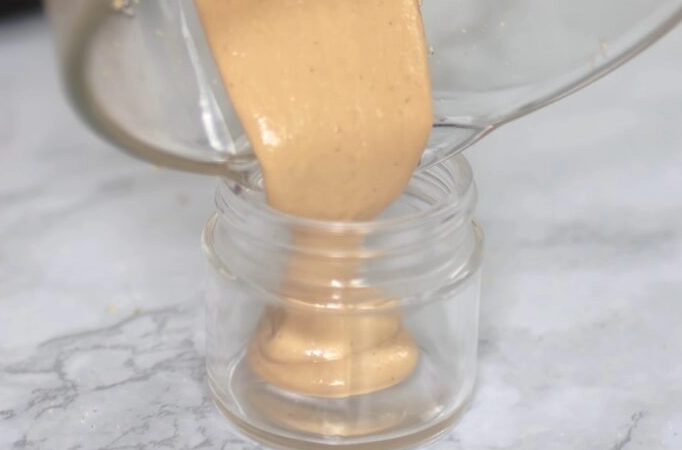
Expert Angle: The Harvard T.H. Chan School of Public Health consistently flags added sugars as a primary dietary concern, linking them to heart disease and obesity. Choosing a peanut butter without them is an effortless way to cut hidden sugars from a food you likely eat regularly.
How to Choose a Low-Sugar or No-Sugar Peanut Butter
Forget the front of the jar. Your shopping ritual should be: Pick up jar, flip, read ingredients.
The Gold Standard: The ingredients list should say "Peanuts." Or "Peanuts, Salt." That's it. Full stop. The oil will separate at the top; you stir it in. This is a feature, not a bug—it means they didn't add stabilizers.
Beware of "No Stir" Naturals: Many brands now offer "natural" peanut butter that doesn't separate. Check how they achieve this. Often, they use a small amount of palm fruit oil or other stabilizers. While this isn't sugar, it's an added fat for convenience. It's not harmful, but it's not just peanuts.
Watch for Sneaky Synonyms for Sugar: If you see any of these in the ingredients, sugar has been added: cane sugar, organic cane syrup, molasses, honey, maple syrup, coconut sugar. "Evaporated cane juice" is just fancy talk for sugar. Don't be fooled.
My Personal Go-Tos: After years of tasting, I keep coming back to Smucker's Natural for its consistent texture and availability. For a single-ingredient option, Crazy Richard's is great, though you need to be diligent with stirring. Trader Joe's store brand unsalted creamy is also a fantastic, affordable clean choice.
The Simple 2-Ingredient DIY Peanut Butter Recipe
Making your own is cheaper, guarantees purity, and takes 5 minutes if you have a decent food processor. Here’s exactly how I do it.
Ingredients:
* 3 cups dry roasted, unsalted peanuts (organic if you prefer)
* A pinch of fine sea salt (optional, to taste)
Equipment: A food processor. A blender usually won't work unless it's a high-powered one like a Vitamix.
The Process (Don't Panic at the Stages):
1. Dump the peanuts into the processor bowl. Turn it on.
2. Stage 1 (0-1 min): Crumbly flour. It looks wrong.
3. Stage 2 (1-3 min): A thick, dry ball. It looks very wrong. Keep going.
4. Stage 3 (3-4 min): The ball suddenly breaks down into a thick, gritty paste. You're close.
5. Stage 4 (4-5+ min): The paste becomes smooth and liquid as the oils fully release. Process until it reaches your desired smoothness. Add salt if using, and pulse to mix.
6. Scoop into a clean jar. Store at room temperature for a week or refrigerate for longer (it will harden).
The flavor is intensely, purely peanutty. It's less sweet than you're used to, but after a week, store-bought will taste cloying.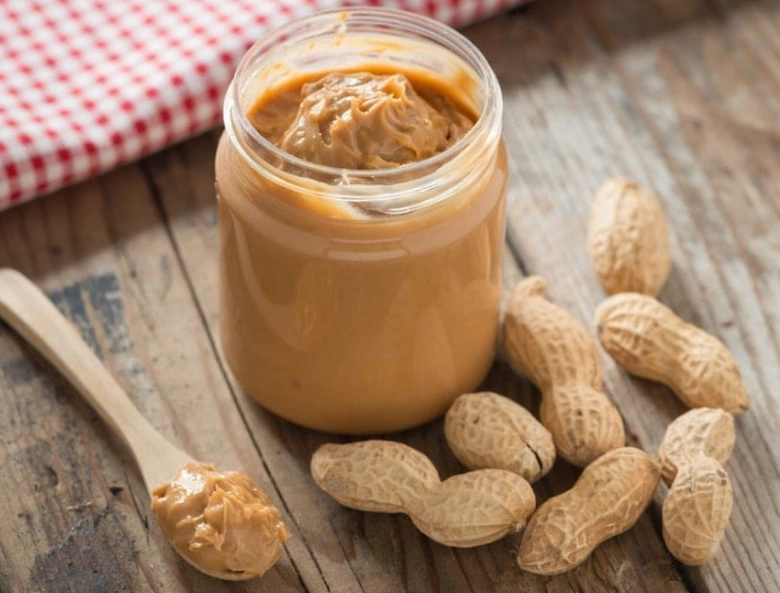
Your Peanut Butter Sugar Questions, Answered
The bottom line is control. When you choose a peanut butter with just peanuts, you control what goes on your food. You can always add a drizzle of honey or maple syrup on top if you want a sweet peanut butter toast. But you can't remove the sugar that's already been blended into the jar. That simple flip-and-read habit at the grocery store is the easiest way to cut hidden sugar from your diet without sacrificing a food you love.
Reader Comments