I have a confession. The first time someone suggested adding peanut butter to a s'more, I was a skeptic. It sounded messy, maybe too heavy. Then I tried one at a friend's backyard fire pit. The classic graham cracker, the melty chocolate, the gooey marshmallow—all familiar. But that layer of creamy, salty-sweet peanut butter? It was a revelation. It didn't just add a flavor; it transformed the entire texture and experience. The peanut butter acted like a rich, savory glue that held everything together, cutting the sweetness and adding a depth that the classic version always lacked. That was ten years ago, and I haven't looked back. This isn't just a topping; it's a fundamental upgrade.
If you're searching for a peanut butter s'mores recipe, you're already on the right track. But this guide goes beyond a simple list of ingredients. We're diving into the why, the how, and the "oh wow" variations that will make you the hero of any campfire, kitchen, or late-night snack session.
What’s Inside This Guide?
Why Does Peanut Butter Work So Well in S'mores?
It's not just about throwing two tasty things together. The synergy is scientific, in a delicious way.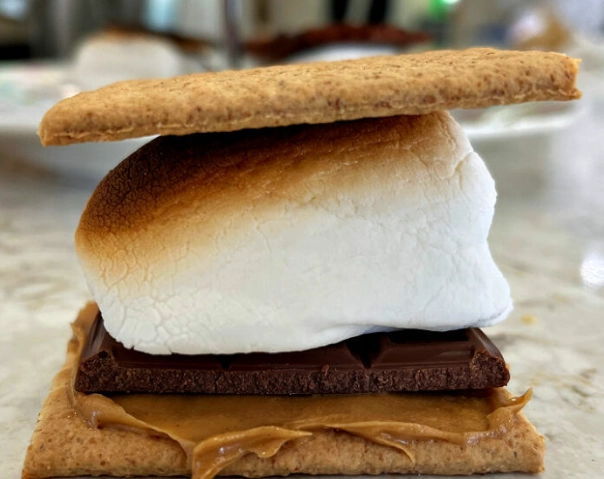
The Flavor Bridge: Graham crackers have a hint of honey and molasses. Marshmallows are pure sweet vanilla. Chocolate brings bitterness and richness. Peanut butter, with its complex roasted, salty, and sweet notes, sits perfectly in the middle. It connects all the flavors, making each bite more cohesive.
The Texture Savior: Ever had a s'more where the chocolate is a cold, hard slab that slides out? Peanut butter fixes that. Its fat content helps the chocolate melt faster and more evenly. It also adds a creamy mouthfeel that contrasts beautifully with the crunchy cracker and the chewy marshmallow.
The Nutrition Angle (A Small One): Let's be real, this is a dessert. But according to the National Peanut Board, peanuts provide protein and healthy fats. Those fats help slow the absorption of sugar, potentially preventing that immediate sugar crash. It's a slightly more satisfying treat.
The biggest mistake beginners make? Using the wrong peanut butter. That oily, natural kind you have to stir? It will make a greasy, leaky mess. For structural integrity, you want a standard, homogenized creamy peanut butter like Jif or Skippy. The stabilizers are your friend here. Crunchy can work for texture lovers, but creamy is the classic.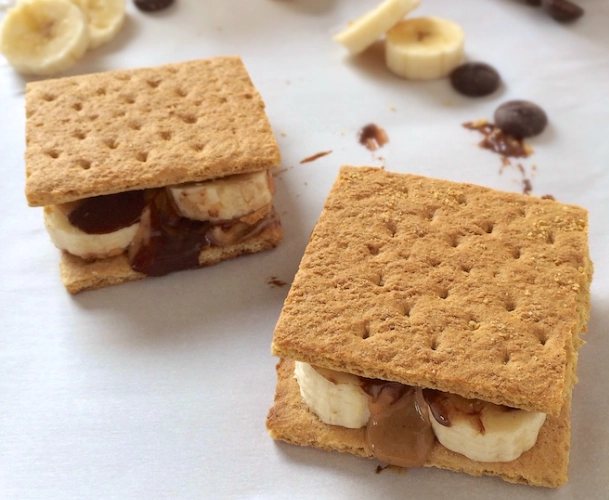
How to Make Classic Peanut Butter S'mores
The "No-Campfire-Needed" Classic: This is your blueprint. Master this, and the world of variations opens up.
Prep: 5 mins | Cook: 3 mins | Total: 8 mins | Servings: 1
Ingredients:
- 2 whole graham cracker sheets (4 small rectangles)
- 1-2 tablespoons creamy peanut butter
- 1 standard (1.55 oz) milk chocolate bar, or 4-5 squares from a larger bar
- 1 large marshmallow
Equipment: A skewer or long fork. A campfire, grill, or your oven's broiler.
Step 1: The Foundation. Break your graham cracker sheets in half so you have four squares. Spread a generous layer of peanut butter on two of the squares. This is your base. Place your chocolate squares on top of the peanut butter. The peanut butter acts as a tasty adhesive.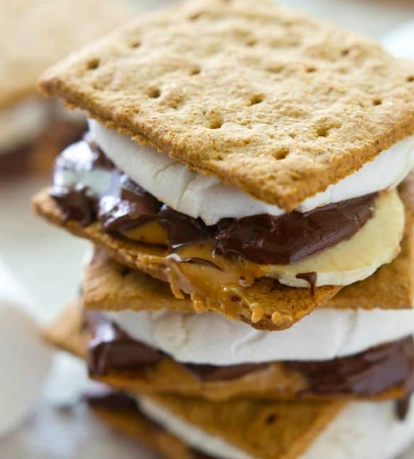
Step 2: The Toast. This is where people get impatient. Skewer your marshmallow. Hold it over hot coals or a flame, not directly in the fire. You want a slow, even roast to golden brown, not a torch-to-black-in-three-seconds situation. A black marshmallow tastes like ash and ruins the delicate balance. Rotate constantly. Aim for 1-2 minutes.
Step 3: The Assembly & Smush. Place the perfectly toasted marshmallow on top of the chocolate-peanut butter base. Immediately top with the remaining plain graham cracker square. Press down firmly, but with a twisting motion. This "smush" is crucial—it distributes the marshmallow and starts melting the chocolate. Wait 15 seconds before taking a bite. Let the residual heat work its magic.
That's it. The perfect, classic peanut butter s'more.
Creative Peanut Butter S'mores Variations
Once you've mastered the classic, the playground opens up. Here’s where you can really personalize.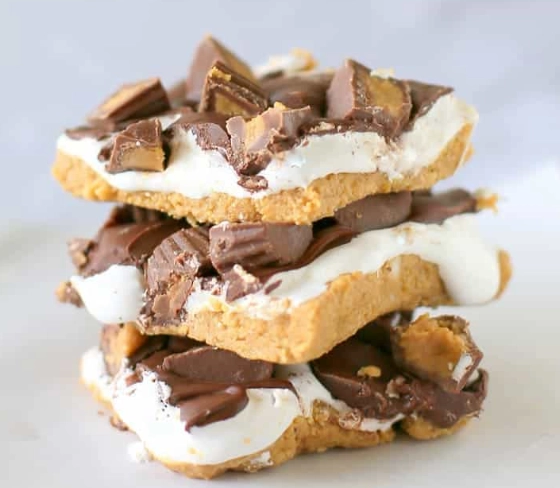
| Component | Classic | Creative Swap | Why It Works |
|---|---|---|---|
| Cracker | Chocolate graham cracker, ginger snap, or shortbread cookie | Adds depth of flavor and a different texture. | |
| Nut Butter | Creamy Peanut Butter | Crunchy peanut butter, almond butter, or cookie butter (speculoos) | Crunchy adds texture; almond butter is richer; cookie butter is decadent. |
| Chocolate | Milk Chocolate | Dark chocolate (70%), peanut butter cups, or a salted caramel chocolate square | Dark chocolate balances sweetness; peanut butter cups double down on flavor. |
| Marshmallow | Plain | Toasted coconut marshmallow, chocolate marshmallow, or a giant campfire marshmallow | Adds a subtle secondary flavor and changes the gooey texture. |
Top 3 Variations to Try Tonight:
1. The Dark Chocolate Sea Salt: Swap milk chocolate for a high-quality dark chocolate (70% works great). After assembling, sprinkle a tiny pinch of flaky sea salt on the marshmallow. The bitterness of the dark chocolate and the salt make the peanut butter taste even nuttier and more sophisticated. It's a grown-up s'more.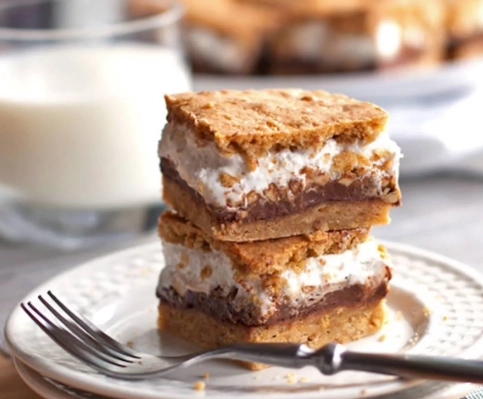
2. The Peanut Butter Cup Overload: This is for true enthusiasts. Use a Reese's Peanut Butter Cup instead of a plain chocolate bar. You get layers of peanut butter—creamy from your spread, and the distinctive Reese's filling. It's intense, messy, and incredibly popular.
3. The Cookie Butter Dream: Replace the peanut butter with speculoos cookie butter. Use a cinnamon graham cracker if you can find it. The warm spices from the cookie butter and cracker create a flavor profile that feels like autumn in a dessert. It's a complete departure that still feels familiar.
Pro Tips & Common Mistakes to Avoid
I've made a lot of s'mores. I've also made a lot of mistakes. Here's what I learned the hard way so you don't have to.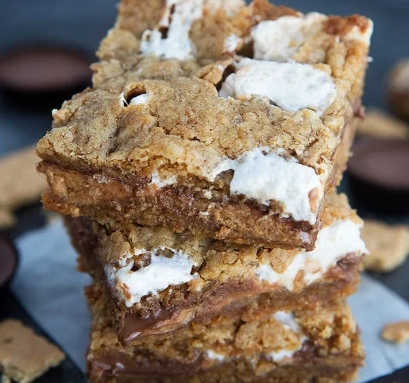
Tip 1: Control Your Heat Source. If using a campfire, let the flames die down to glowing embers. If using a broiler, keep the oven door cracked and watch constantly—they go from perfect to burnt in seconds. A kitchen torch is your best friend for indoor precision toasting.
Tip 2: Room Temperature is Key. Don't use chocolate straight from the fridge. Let it sit out for a bit. The residual heat from the marshmallow needs to melt it, and cold chocolate is stubborn. Your peanut butter should also be spreadable, not rock-hard from the pantry.
Common Mistake: The Structural Failure. Assembling too far away from the fire? The marshmallow cools, the chocolate doesn't melt, and you get a dry, crumbly mess. Assemble right next to the heat and eat immediately. The "smush" is non-negotiable.
Pro Move: The Double Layer. For the ultimate experience, spread peanut butter on both graham cracker halves. It ensures you get that salty-creamy flavor in every single bite.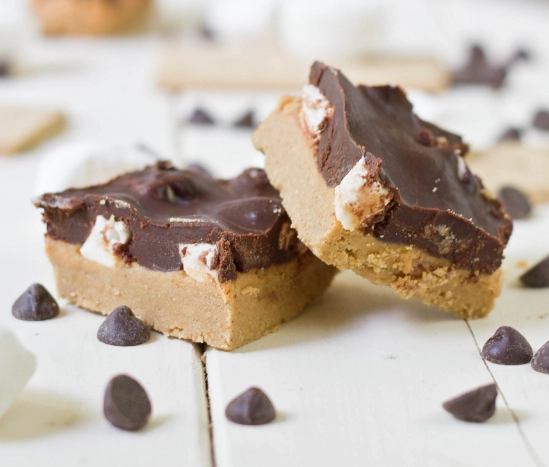
Frequently Asked Questions
Can I make gluten-free peanut butter s'mores?
Absolutely. The beauty of s'mores is their customizability. For a gluten-free version, use certified gluten-free graham crackers. Brands like Schär or Pamela's make excellent ones. Alternatively, swap the graham cracker entirely for a gluten-free cookie, like a shortbread or a ginger snap. Just ensure your other ingredients, like the peanut butter brand, are also certified gluten-free if cross-contamination is a concern.
How can I make peanut butter s'mores without a campfire or grill?
You have several great indoor options. The broiler method is fastest: assemble on a baking sheet and broil for 30-60 seconds. The oven method is more controlled: bake at 450°F (230°C) for 3-5 minutes. For a single serving, a kitchen torch gives you precise control over the marshmallow toast. My personal favorite for a gooey, even melt is the skillet method on the stovetop. It replicates the campfire experience without the smoke.
What's the best way to store and reheat leftover peanut butter s'mores?
S'mores are best fresh, but you can store assembled, un-toasted ones in an airtight container separated by parchment paper in the fridge for up to 24 hours. To reheat, use an air fryer or toaster oven at 350°F (175°C) for 2-3 minutes. The microwave will make the marshmallow rubbery and the cracker soggy—avoid it. A better strategy is to store the components separately and assemble fresh when the craving hits.
So there you have it. Peanut butter isn't just an add-on; it's the secret weapon that turns a simple campfire treat into a legendary dessert. Grab your jar, some marshmallows, and get creative. Your next perfect bite is waiting.
Reader Comments