Let's be honest. You've probably seen that glossy, reddish-brown sauce drizzled over everything from spring rolls to burger patties on social media. It looks incredible. But when you try to make it at home, something's off. Maybe it's too thick, like peanut butter cement. Maybe the heat from the sriracha punches you in the face and drowns out every other flavor. Or worse, it just tastes... bland. I've been there. After a decade of experimenting with sauces, from running a small food stall to developing recipes for blogs, I've made every mistake with peanut butter sriracha sauce so you don't have to. This isn't just another recipe list. This is your blueprint for mastering a condiment that's far more versatile than you think.
Quick Navigation: What's Inside This Guide
The Foundation: A No-Fail, Balanced Recipe
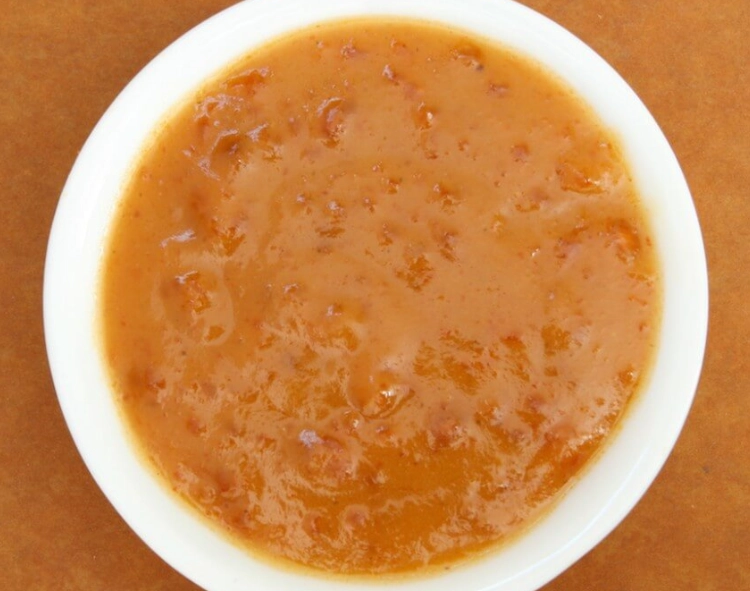
Forget the one-note, overly sweet versions. A great peanut butter sriracha sauce should be a symphony: creamy, savory, tangy, sweet, and spicy, all in balance. The most common mistake is treating it like a simple two-ingredient mix. It's not. The liquid components are what make or break the texture and flavor depth.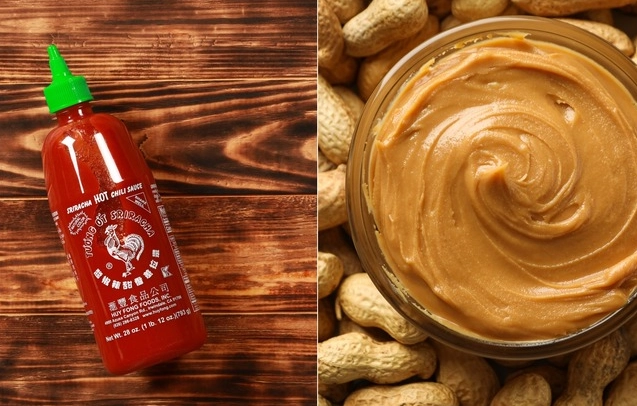
Here's my go-to base recipe, scaled for a batch that'll last a week in the fridge. It's a template you can tweak endlessly.
Ingredients:
- 1/2 cup smooth, natural peanut butter (the kind where oil separates)
- 3 tablespoons sriracha (adjust this based on your brand's heat)
- 2 tablespoons lime juice (freshly squeezed, please)
- 1 1/2 tablespoons soy sauce or tamari
- 1 tablespoon maple syrup or honey
- 1 tablespoon toasted sesame oil
- 1 clove garlic, finely minced or grated
- 2-4 tablespoons warm water (the secret weapon for perfect consistency)
Method: In a medium bowl, whisk together the sriracha, lime juice, soy sauce, maple syrup, sesame oil, and garlic until it's a uniform liquid. Spoon in the peanut butter. Now, whisk like you mean it. It'll look clumpy and wrong for a second, then suddenly it will come together into a thick paste. Start adding warm water, one tablespoon at a time, whisking after each addition, until it reaches a drizzle-able consistency. That's it. No cooking required.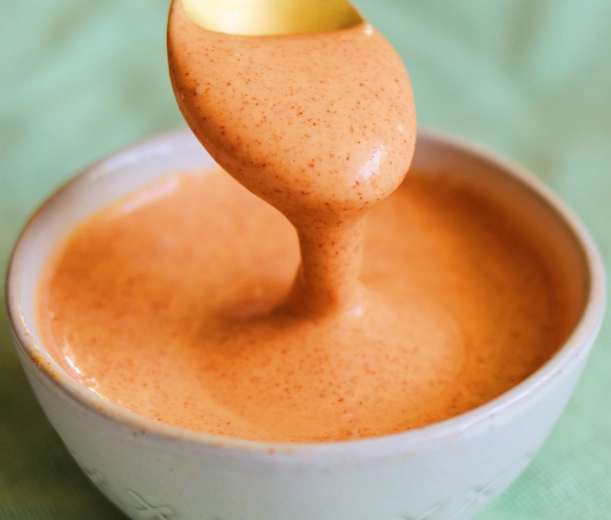
See? The lime juice and soy sauce aren't optional. They cut the richness and add the necessary acidity and umami that most online recipes completely overlook.
Ingredient Deep Dive: Why Your Choices Matter
You can follow the recipe above with any ingredients and get an okay sauce. But to get a great one, you need to understand the variables. This is where most home cooks get stuck.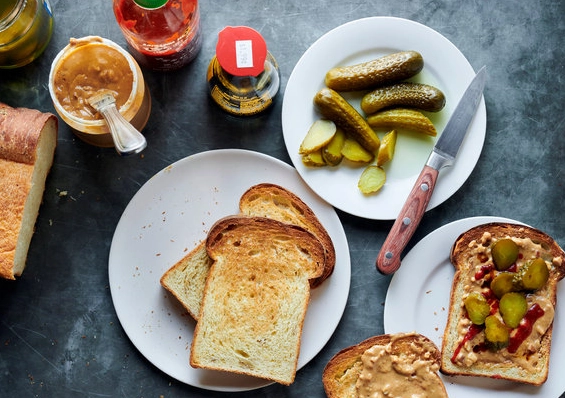
The Peanut Butter Problem
The biggest trap is using commercial peanut butter like Jif or Skippy. Those are already sweetened, salted, and stabilized with hydrogenated oils. When you add them to our recipe, you're doubling down on sugar and salt, and the stabilizers fight against the liquids, making a weird, gummy texture. You want natural peanut butter where the only ingredients are peanuts and maybe salt. The oil separation is a feature, not a bug—it means it will blend smoothly. If you're allergic, almond butter or sunflower seed butter work, but they'll give a different, earthier flavor profile.
Sriracha: Not All Bottles Are Equal
Huy Fong Foods' rooster-brand sriracha is the classic, but its heat level can vary by batch. Other brands like Yellowbird or Texas Pete's offer different garlic and sweetness balances. Taste your sriracha straight from the bottle first. Is it more garlic-forward? More vinegary? Adjust the garlic and lime juice in the recipe accordingly. If your sriracha is very sweet, maybe reduce the maple syrup by half a tablespoon.
Here’s a quick comparison to help you visualize the impact of your base ingredients:
| Ingredient Choice | Best For This Style | Potential Pitfall |
|---|---|---|
| Natural Peanut Butter | Authentic, clean peanut flavor, perfect texture. | Must be stirred well before use. |
| Commercial PB (e.g., Jif) | If you absolutely crave that sweeter, childhood flavor. | Can become overly sweet and pasty. |
| Classic Huy Fong Sriracha | The traditional, balanced heat with garlic undertones. | Heat level inconsistency; sometimes too dominant. |
| Alternative Hot Sauce (e.g., Gochujang) | A deeper, fermented, less vinegary heat. | Will significantly alter the flavor profile away from "classic." |
| Lime Juice (Fresh) | Bright, sharp acidity that cuts through fat. | Essential. Bottled juice tastes flat and metallic. |
| Rice Vinegar | A milder, sweeter acidity if limes are too sharp. | May require a tiny bit more sweetener to balance. |
Beyond the Bowl: Creative Uses You Haven't Tried
Sure, you can toss it with noodles or use it as a dip. That's entry-level. Let's talk about how to integrate this sauce into your weekly cooking to solve actual dinner problems.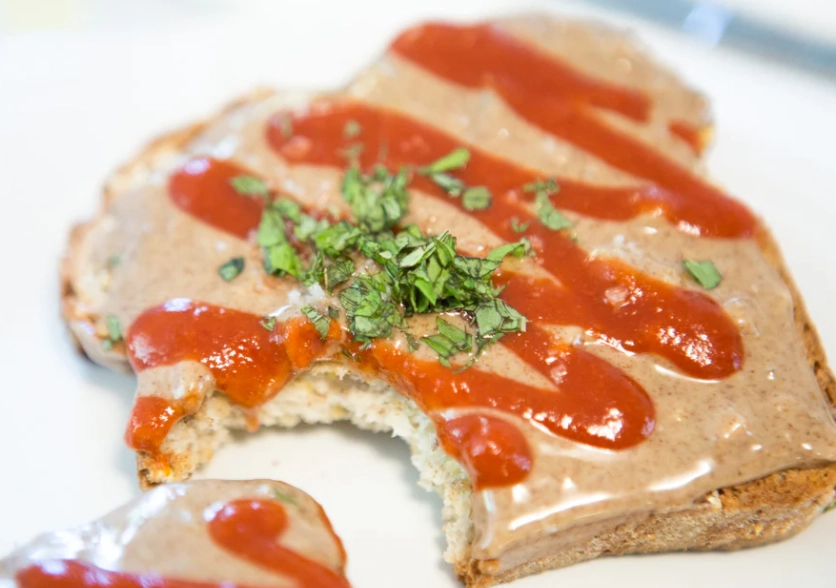
The Weeknight Savior: Sheet Pan Sauce. Toss chopped sweet potatoes, broccoli, and cubed tofu in a few tablespoons of the sauce. Roast at 425°F (220°C) for 20-25 minutes. The sauce caramelizes, creating a sticky, flavorful glaze. It turns a boring veggie roast into a meal with zero extra effort.
The Burger Game-Changer. Mix a tablespoon of the sauce into a quarter pound of ground beef or turkey before forming your patty. The peanut butter acts as a binder (great for lean meats that tend to dry out) and infuses the burger with a subtle, savory richness. Top with more sauce instead of ketchup.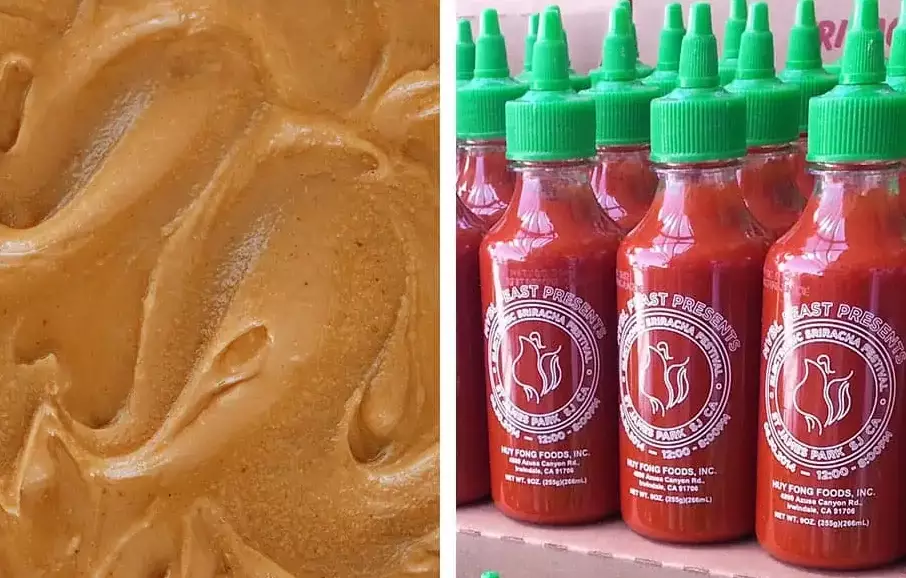
Salad Dressing Reboot. Thin out the base sauce with an extra tablespoon of lime juice and two tablespoons of neutral oil (like avocado oil). You now have a creamy, spicy Asian-inspired vinaigrette that clings to kale or romaine like a dream. It's far more interesting than bottled ranch.
The "I Have Nothing to Eat" Wrap. Spread a tortilla with the sauce, add any leftover roasted chicken, shredded cabbage, and cilantro. Roll it up. You've just made a gourmet-ish wrap in 90 seconds. The sauce's complexity makes simple fillings taste intentional.
I used to think this sauce was just for Asian dishes. Then I tried it on a baked potato with scallions. Mind blown. It works as a condiment anywhere you might use mayo or aioli, but you want more personality.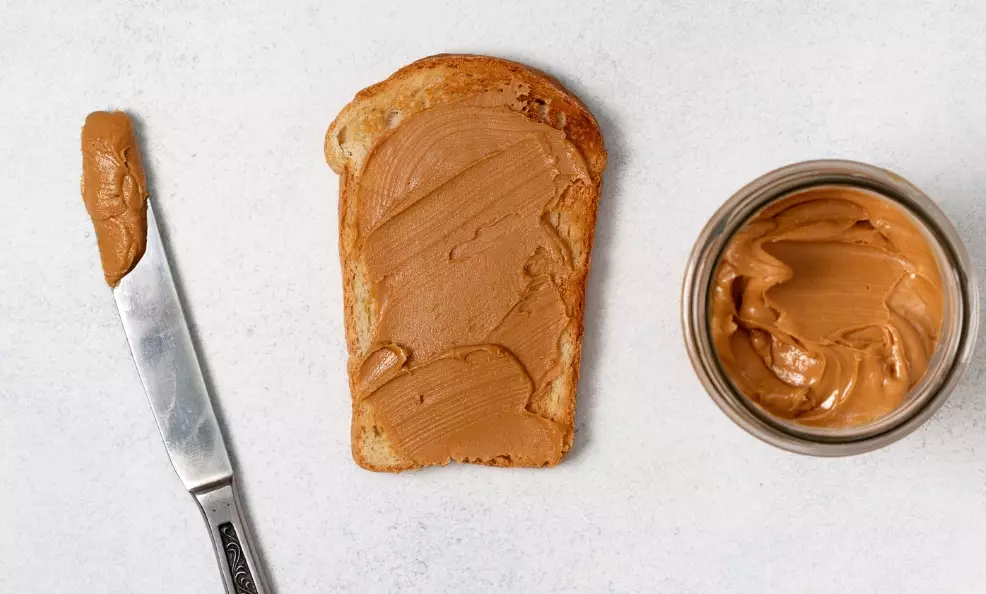
Your Burning Questions, Answered
My peanut butter sriracha sauce for noodles always turns out too thick and clumpy. What am I doing wrong?
Can I make a truly authentic-tasting vegan peanut butter sriracha sauce without fish sauce?
How long does homemade peanut butter sriracha sauce last, and what's the best way to store it?
The real magic of this sauce isn't in blindly following a recipe. It's in understanding the balance of flavors so you can adjust it to your own pantry and palate. Start with the foundation, play with the ratios, and don't be afraid to let it solve your mealtime dilemmas. That's when a condiment becomes a staple.
Reader Comments