What You'll Find in This Guide
You grab a jar of peanut butter thinking it's a protein-packed, healthy choice. But then you glance at the label and see 3, 4, sometimes 7 grams of sugar per serving. That's when the question hits: how much sugar in peanut butter is normal, and how much is too much?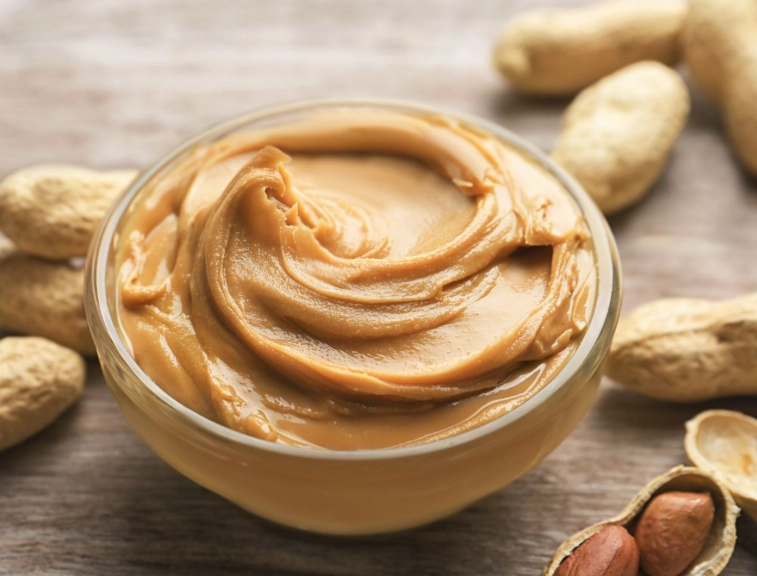
Let's cut through the marketing. The answer isn't a single number. It's a spectrum, and where your jar lands depends entirely on what type you buy. I've spent years comparing labels in grocery store aisles, and the range is shocking. We're talking from a mere 1 gram to more sugar than some cookies.
The short answer: Natural peanut butter contains 1-2g of natural sugar from peanuts. Conventional "regular" peanut butter can have 3-7g of added sugar. "Reduced-fat" versions are often the worst, sometimes hitting 8g to compensate for lost flavor.
Why Sugar Content in Peanut Butter Actually Matters
It's not just about calories. Adding sugar to peanut butter fundamentally changes its nutritional profile. Peanuts are naturally savory, offering healthy fats, protein, and fiber. This combo is great for satiety and stable energy. Add a heap of sugar, and you're turning a sustaining food into a hyper-palatable, easy-to-overeat spread that can spike your blood sugar.
Think about your typical serving. The standard is two tablespoons. If your peanut butter has 5g of added sugar per serving, that's over a teaspoon of straight sugar you're spreading on your toast or eating off the spoon. Do that daily, and it adds up fast.
The American Heart Association recommends limiting added sugars to no more than 36 grams per day for men and 25 grams for women. A sugary peanut butter can claim a significant chunk of that allowance before you've even had your morning coffee.
The Sugar Breakdown: From Natural to Loaded
To make sense of it all, you need to understand the three main categories. I've compiled data from standard 2-tablespoon servings.
| Peanut Butter Type | Example Brands | Typical Total Sugar (g) | Key Characteristic |
|---|---|---|---|
| Natural (No Added Sugar) | Crazy Richard's, Smucker's Natural, 365 Whole Foods | 1-2g | Ingredients: just peanuts (and salt). Sugar is naturally occurring. |
| "Regular" Conventional | Jif, Skippy, Peter Pan | 3-4g | Contains added sugars (cane sugar, molasses) and hydrogenated oils for stability. |
| Reduced Fat / "Healthy" Versions | Jif Reduced Fat, Skippy Creamy Reduced Fat | 4-7g | Fat is removed, sugar and starches (like corn syrup solids) are added to restore texture and taste. |
| Flavored & Swirled | Jif Chocolate, Skippy Honey, Reese's Swirled | 8-12g+ | Essentially dessert spreads. Sugar is a primary ingredient. |
See the pattern? The more a brand tinkers with the natural state of peanuts—removing fat, adding stabilizers for a perfectly creamy, non-separating texture—the more sugar they tend to add to make up for the lost flavor and mouthfeel.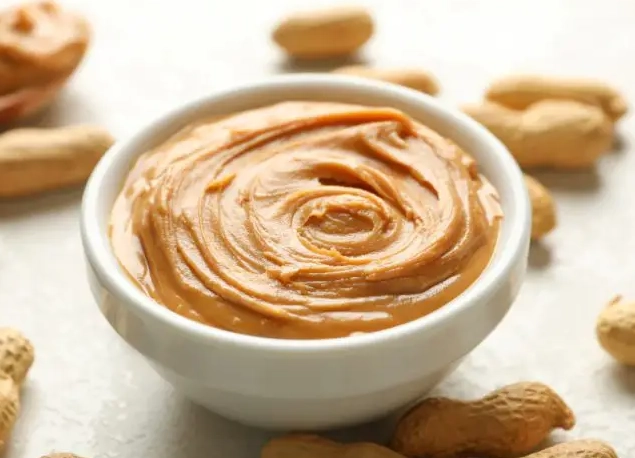
A common trap: "Honey Roasted" or "Sweetened with Honey" sounds wholesome. Don't be fooled. Honey is still an added sugar. A "Honey" peanut butter can easily pack 5-6g of sugar per serving. Your body processes it similarly to table sugar.
How to Choose a Truly Low-Sugar Peanut Butter
Forget the front label claims. "Natural," "Healthy," even "Organic" can be misleading. The truth is in two places, and you need to check both.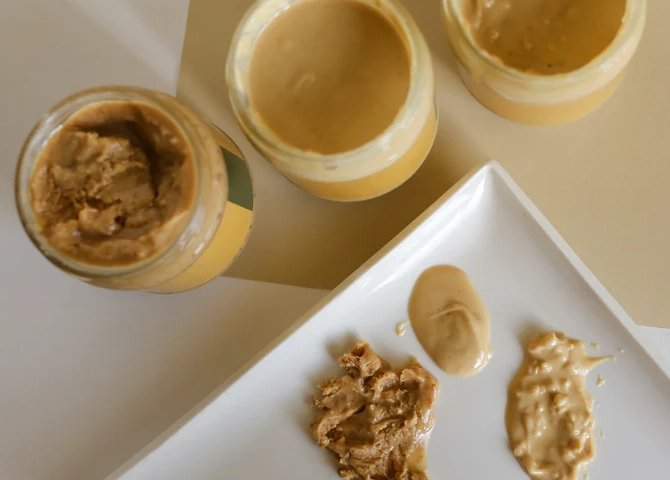
Step 1: Read the Ingredients List
This is non-negotiable. The only ingredients should be peanuts. Maybe salt. That's it. If you see any of the following, sugar has been added:
- Cane sugar
- Evaporated cane juice
- Molasses
- Honey
- Corn syrup solids
- Monk fruit or stevia (in "sugar-free" varieties, which is a different debate)
Also watch for hydrogenated oils (palm oil, soybean oil). They're not sugar, but they're a sign of a highly processed jar that almost always contains added sugar as a partner in crime.
Step 2: Check the Nutrition Facts Panel
Since 2020, U.S. labels are required to break out Added Sugars from total sugars. This is your best friend. Look for a jar where "Includes Xg Added Sugars" is 0g. The total sugars will still show 1-2g (from the peanuts), and that's perfectly fine.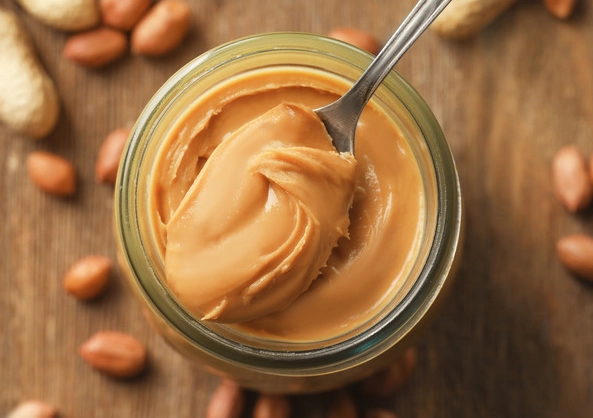
Decoding the Label: Tricks Manufacturers Use
After looking at hundreds of jars, you start to see the plays. Here are a few subtle ones that trip people up.
The "Protein" Highlight: A big "7g Protein!" banner on the front can distract from 4g of added sugar inside. They're promoting the inherent goodness of peanuts while quietly adding sweetness.
Serving Size Shenanigans: Most use a 2-tbsp (32g) serving. Some flavored or "whipped" varieties might use a smaller serving size (like 1.5 tbsp) to make the sugar number look lower. Always check grams per serving, not just the number.
"Made with Real Peanuts": This is almost comical. Of course it is. It's peanut butter. This phrase means nothing about sugar content.
The most reliable signal remains the shortest ingredient list. The U.S. Department of Agriculture's FoodData Central is a fantastic resource if you want to verify the nutritional data of basic foods like peanuts themselves.
Your Top Peanut Butter & Sugar Questions, Answered
Here are the questions I get asked most often, beyond just the basic "how much sugar."
Ultimately, finding a peanut butter with minimal sugar is one of the easiest healthy swaps you can make. It takes one extra minute of label reading on your first purchase. After that, you have a pantry staple that delivers pure peanut goodness without the sweetener baggage. Your taste buds adjust faster than you think—soon, the sugary versions will taste cloying, and you'll wonder how you ever spread them on your toast.
Reader Comments