Let's be honest. Your jar of peanut butter is tired of being just a sandwich spread. It's sitting there, full of potential, waiting to be the star of your next meal, snack, or dessert. I've been cooking with peanut butter for over a decade, and I can tell you the most common mistake people make is treating it as a one-trick pony. They reach for it only when the bread comes out. That's a huge missed opportunity.
This guide isn't about the usual suspects. We're going past the classic cookie and the simple sandwich. We're diving into savory sauces, energy-packed snacks, and desserts that will make you wonder why you ever bought store-bought frosting. I'll share some tricks I've learned the hard way, like why your peanut butter sauce sometimes seizes up (and how to fix it instantly), and the one ingredient that makes all the difference in no-bake bars.
What's Inside This Jar?
The Savory Surprise: Peanut Butter in Main Dishes
This is where most people's minds go blank. Peanut butter in dinner? Absolutely. In many West African and Southeast Asian cuisines, it's a foundational ingredient for rich, complex sauces. The key is balancing its richness with acid, heat, and salt.
My Go-To Weeknight Savior: Speedy Thai Peanut Noodles
This is my family's 15-minute lifesaver. The sauce comes together in the time it takes to boil water for noodles. The common pitfall? Using straight peanut butter from the jar. It's too thick and the flavor is one-dimensional.
Here's the real method: In a bowl, whisk together 1/2 cup of smooth peanut butter (I prefer a natural, stirred kind for this), 1/4 cup soy sauce, 2 tablespoons lime juice, 1 tablespoon honey or maple syrup, 1 tablespoon sriracha (adjust to taste), and 1/2 cup of warm water. The warm water is crucial—it loosens the peanut butter into a silky, pourable consistency without diluting the flavor. Toss it with cooked rice noodles, shredded carrots, sliced bell peppers, and any protein you like (leftover rotisserie chicken or pan-fried tofu are perfect). Top with chopped cilantro and crushed peanuts. It's restaurant-quality, I promise.
Another winner is a simplified West African Peanut Stew. Sauté an onion, add a tablespoon of grated ginger and a minced garlic clove. Stir in a big spoonful of tomato paste and let it cook for a minute. Add 1/3 cup of peanut butter and 3 cups of vegetable broth, whisking until smooth. Simmer, then add a can of chickpeas and a couple handfuls of chopped kale or spinach. Serve over rice. The depth of flavor is unbelievable for such little effort.
The Snack Attack: Fuel Your Day
Store-bought protein bars are often just candy in disguise. Making your own with peanut butter gives you control over the sugar and quality of ingredients. Plus, they're infinitely customizable.
Let's talk about energy bites. The basic formula is 1 cup rolled oats, 1/2 cup peanut butter, 1/3 cup honey or maple syrup, and a mix-in of your choice. But here's my non-consensus twist: toast the oats first. Spread them on a baking sheet and pop them in a 350°F oven for 8-10 minutes until fragrant. This simple step adds a nutty depth that elevates the entire bite. For mix-ins, I love a combination of mini chocolate chips, ground flaxseed, and a pinch of sea salt.
For a more substantial, sliceable snack, these No-Bake Peanut Butter Oatmeal Bars are a staple in my house.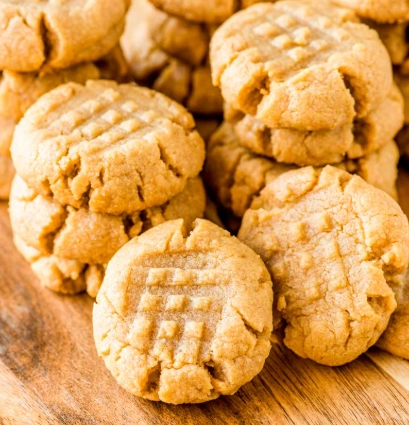
| Ingredient | Quantity | Purpose & Note |
|---|---|---|
| Rolled Oats (old-fashioned) | 2 cups | Base for texture and fiber. Don't use quick oats—they get mushy. |
| Peanut Butter (smooth) | 1 cup | The glue and main flavor. Use your favorite brand. |
| Honey or Maple Syrup | 1/2 cup | Sweetener and binder. Maple syrup keeps it vegan. |
| Vanilla Extract | 1 tsp | Adds aroma. Don't skip it. |
| Mini Chocolate Chips | 1/2 cup | For pockets of chocolate. Reserve some for the top. |
| Chia or Flax Seeds (optional) | 2 tbsp | For an extra nutrient boost. |
Method: Line an 8x8 inch pan with parchment paper. In a large bowl, mix the oats and seeds. In a microwave-safe bowl or small saucepan, gently warm the peanut butter and honey together just until they're easy to stir—about 30 seconds in the microwave. Don't overheat it. Stir in the vanilla. Pour the wet mixture over the oats and stir until everything is coated. Fold in most of the chocolate chips. Press the mixture firmly into the prepared pan. Sprinkle the remaining chips on top and press them in lightly. Refrigerate for at least 2 hours before slicing. These keep for a week in the fridge.
The Sweet Treat: Dessert Time
Of course, we can't ignore dessert. But let's move beyond the basic cookie. Have you ever made peanut butter frosting? It's a revelation on chocolate cake, brownies, or even just as a dip for apple slices.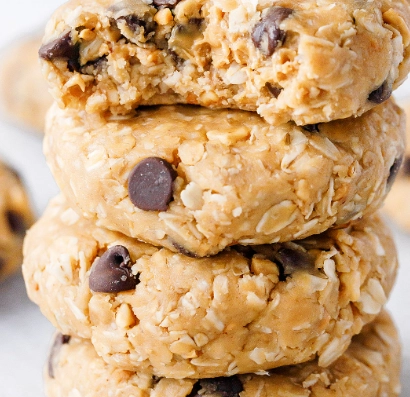
Foolproof Peanut Butter Frosting
Beat 1/2 cup (1 stick) of softened unsalted butter with 1 cup of creamy peanut butter until smooth. Gradually add 2 cups of powdered sugar, a 1/4 cup at a time, beating well after each addition. Start slow or you'll have a sugar cloud in your kitchen. Add 2-3 tablespoons of milk or cream and 1 teaspoon of vanilla extract. Beat on medium-high for 2-3 minutes until light and fluffy. The texture should be spreadable but hold its shape. This is so much better than anything in a tub.
For a frozen treat, blend two frozen bananas with two big spoonfuls of peanut butter and a splash of milk. You get a creamy, dairy-free "nice cream" that feels indulgent but is pretty wholesome.
Level Up: Become a Peanut Butter Pro
A few quick thoughts to make your cooking better. For sauces and dressings, always thin your peanut butter with a warm liquid (water, broth, coconut milk) before adding other ingredients. It prevents clumping. If your sauce does get too thick or "seizes," don't panic. Whisk in more warm liquid, a tablespoon at a time, until it smoothes out.
Storage matters. Natural peanut butter (the kind with just peanuts and salt) should be stirred well and stored upside down in the fridge after opening to prevent oil separation. Conventional peanut butter can stay in the pantry. If your recipe calls for melted peanut butter, do it gently over low heat or in short microwave bursts. Burning it ruins the flavor.
Reader Comments