You know the scene. You bought a giant jar of peanut butter for one recipe, used a couple of tablespoons, and now it's just sitting there. Or maybe you're just tired of the same old sandwich. I get it. I've been there, staring into the pantry, wondering what to do with peanut butter besides the obvious. After years of experimenting (and a few failed kitchen experiments), I've found that this humble spread is one of the most versatile ingredients you can own.
Forget just spreading it on toast. We're going way beyond that. From lightning-fast snacks that beat hunger pangs to show-stopping desserts and even savory dinner tricks, this guide will show you exactly what to do with that jar. Let's unlock its full potential.
What's Inside?
Know Your Peanut Butter: A Quick Primer
Not all peanut butters are created equal, and using the wrong type can ruin a recipe. This is a mistake I see all the time. Most recipes are developed with standard, shelf-stable peanut butter in mind—the kind with added oils, sugar, and salt for a smooth, consistent texture. Think Jif or Skippy.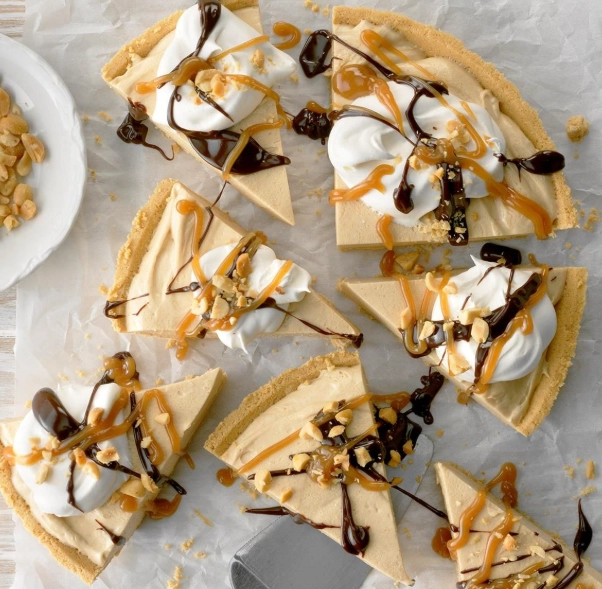
Natural peanut butter (just peanuts, maybe salt) is healthier but behaves differently. The oil separates, and it's often drier and grainier. It's fantastic for smoothies or drizzling, but for baking, it can make cookies crumbly and sauces seize up unless you adjust for it. A common trick is to use a bit less flour or add a touch more fat if you're committed to natural in a baking recipe.
Here's a quick cheat sheet:
| Type | Best For | Watch Out For |
|---|---|---|
| Creamy (Standard) | Baking, smooth sauces, dips, frostings | Can be high in added sugar. |
| Crunchy | Adding texture to cookies, energy balls, sandwich spreads | Texture might not be desired in very smooth applications. |
| Natural (No-stir) | Health-conscious eating, drizzling, smoothies | Oil separation; may require recipe adjustments for baking. |
| Powdered (PB2) | Reducing calories/fat in shakes, oatmeal, baking with less moisture | Lacks the fat content that provides richness and binding. |
Baking Classics That Never Fail
This is where peanut butter truly shines. The fat and protein create an incredible texture.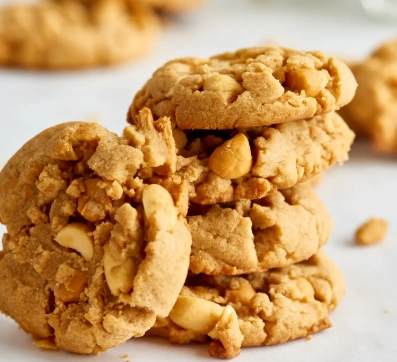
How to Make the Ultimate Peanut Butter Cookies
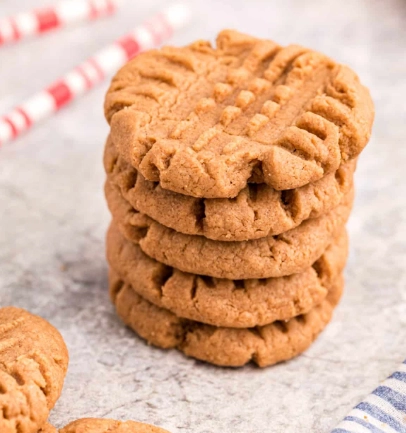
The classic fork-marked cookie is a rite of passage. My go-to recipe uses 1 cup each of peanut butter, sugar, and 1 egg. That's it. No flour. They come out dense, chewy, and intensely peanutty. But here's my non-consensus tip: replace half the white sugar with packed brown sugar. The molasses adds a deeper flavor and extra chew that white sugar alone can't achieve. Also, don't overbake them. Pull them out when the edges are just set but the centers still look soft—they'll firm up as they cool.
Peanut Butter Chocolate Fusion: Beyond the Blossom
Yes, peanut butter blossoms (the cookies with a Hershey's Kiss in the middle) are great. But let's elevate it. Try swirling peanut butter into brownie batter before baking. Or make a simple magic shell: melt chocolate with a little coconut oil, stir in a spoonful of peanut butter, and drizzle it over ice cream. It hardens instantly.
For a no-bake treat that feels gourmet, make peanut butter cup bars. Mix 2 cups crushed graham crackers with 1 cup melted butter and 1 cup powdered sugar. Press into a pan, spread a layer of smooth peanut butter over it, then top with melted chocolate. Chill, slice, and try not to eat the whole pan.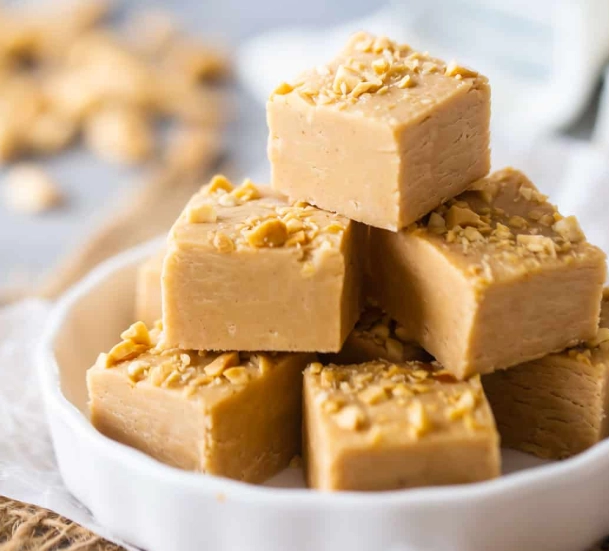
No-Cook & Quick Snack Ideas
Hunger strikes at 3 PM. You need something now. This is what to do with peanut butter when you have zero time.
- The 2-Minute Energy Ball: In a bowl, mash one very ripe banana. Stir in about 1/3 cup of oats and 2 tablespoons of peanut butter until it forms a sticky dough. Roll into balls. You can add chocolate chips, chia seeds, or a dash of cinnamon. No baking required—just eat.
- Apple or Celery "Boats": This isn't just for kids. Slice an apple, spread with peanut butter, and top with a few dark chocolate chips or granola for crunch. The combination of sweet, salty, and creamy is perfect.
- The Ultimate Smoothie Booster: A tablespoon of peanut butter adds protein, healthy fats, and richness to any smoothie. My favorite combo: 1 frozen banana, 1 cup milk (or almond milk), 1 tbsp peanut butter, a handful of spinach (you won't taste it), and a dash of cinnamon.
- Simple Yogurt Bowl Upgrade: Plain Greek yogurt can be boring. Swirl in a spoonful of peanut butter, add some berries and a drizzle of honey. Instant high-protein breakfast or snack.
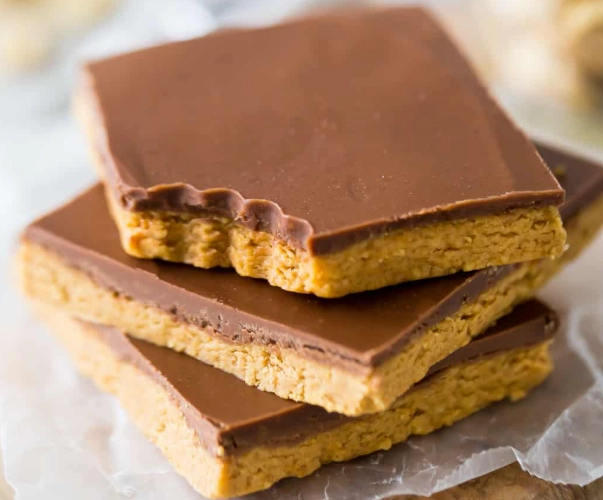
Pro Snack Tip: Mix equal parts peanut butter and plain yogurt for a protein-packed fruit dip. It's lighter than using peanut butter alone and has a tangy kick that pairs amazingly with strawberries and apple slices.
Savory Twists for Lunch & Dinner
This is the most underrated category. Peanut butter is a star in many global cuisines, adding depth and creaminess to sauces.
How to Make a Simple Peanut Sauce
This sauce is a game-changer for noodles, grilled chicken, or spring rolls. Whisk together: 1/4 cup peanut butter, 2 tbsp soy sauce, 1 tbsp lime juice, 1 tbsp honey or maple syrup, 1 tsp grated ginger, 1 small minced garlic clove, and enough warm water to thin it to a drizzle-able consistency. Taste and adjust. Want it spicy? Add a squirt of sriracha. It's infinitely better than most store-bought versions.
Adding Depth to Soups and Stews
A spoonful of peanut butter can add a wonderful, savory richness to certain African-inspired stews or even a simple butternut squash soup. Start with a small amount (a tablespoon for a large pot), whisk it in well, and let it simmer to incorporate the flavor.
For a quick lunch, make a savory peanut butter sandwich. Spread peanut butter on whole wheat, then add slices of crisp cucumber, a sprinkle of chili flakes, and a drizzle of soy sauce. It sounds weird, but the savory, crunchy, spicy combo is addictive.
The Healthy Scoop & Storage Tips
Peanut butter is a good source of plant-based protein, healthy monounsaturated fats, and nutrients like magnesium and vitamin E. According to the USDA FoodData Central, a 2-tablespoon serving provides about 7-8 grams of protein. The key is watching portion sizes and added ingredients.
To keep it fresh and avoid the dreaded hard, dried-out layer at the top of the jar:
- Store it upside down when you first open it. This helps redistribute the oils in natural peanut butter and prevents a rock-solid layer from forming at the top.
- Keep it in a cool, dark pantry. Refrigeration isn't necessary for shelf-stable varieties and will make them hard to spread. Natural peanut butter can be refrigerated after stirring to slow oil separation, but let it warm up before using.
- If the oil does separate, stir thoroughly with a knife or chopstick. For a nearly full jar, I sometimes use a hand mixer to re-emulsify it completely.
Reader Comments