You know the scene. You've followed a buckeyes recipe to the letter. The peanut butter mixture felt right, you rolled perfect little spheres, and you melted that chocolate. Then, as you lower that first ball into the warm chocolate, a tiny crack appears. Then another. By the end, half your buckeyes look like they've been through a miniature earthquake. The flavor's there, but the smooth, iconic look is ruined. I've been there. My first batch looked like a geology project. The problem wasn't the recipe steps—it was the peanut butter itself, a detail almost no recipe warns you about.
Buckeyes are supposed to be the easy, no-bake triumph of the holiday table. A creamy, sweet-salty peanut butter center, partially dipped in rich chocolate, leaving a circle of peanut butter showing to resemble the nut of the Ohio buckeye tree. They're nostalgic, crowd-pleasing, and deceptively simple. But that simplicity is a trap for small mistakes that lead to cracked balls, grainy filling, or chocolate that won't set.
After making these for two decades and learning from my grandmother's stained recipe card, I'll walk you through not just how to make them, but how to master them. We'll cover the exact peanut butter brand that never fails, the temperature trick nobody talks about, and how to store them so they're perfect for gifting.
What You'll Find Inside
What Are Buckeyes? More Than Just a Candy
If you're not from the American Midwest, you might wonder what the fuss is about. A buckeye is a no-bake confection made from a stiff, sweetened peanut butter dough, formed into balls, and partially dipped in dark or semi-sweet chocolate. The name comes from the resemblance to the nut of the Ohio buckeye tree (Aesculus glabra), which has a dark brown center with a light tan patch. Ohio is the Buckeye State, and these candies are a point of pride there, especially during football season and the winter holidays.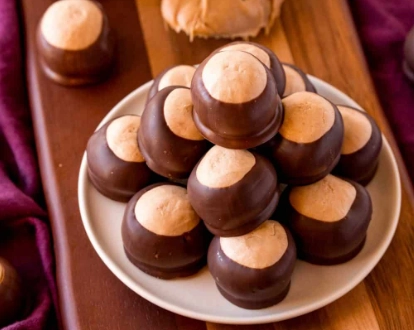
Their magic lies in the contrast. The center is dense, creamy, and intensely peanut buttery, with a powdery sweetness from the confectioners' sugar that melts on your tongue. The chocolate shell provides a crisp, bitter-sweet snap that gives way to the soft interior. It's a textural and flavor home run. And because they're no-bake, they're accessible to bakers of all levels—in theory. The execution is where people get tripped up.
How to Make Perfect Buckeyes: A Step-by-Step Guide
Let's start with the foundation. This is my tried-and-true ratio, scaled for a standard batch that yields about 40-45 pieces. It doubles beautifully if you're feeding a crowd.
| Ingredient | Quantity | Critical Note |
|---|---|---|
| Creamy Peanut Butter | 1 cup (270g) | NOT natural or oily. Use a standard shelf-stable brand like Jif or Skippy. |
| Unsalted Butter, softened | 1/2 cup (113g) | Real butter, not margarine. Soften at room temp for 1 hour. |
| Vanilla Extract | 1 teaspoon | Pure extract adds depth. |
| Salt | 1/4 teaspoon | Balances the sweetness, even if your peanut butter is salted. |
| Confectioners' Sugar | 3 1/2 to 4 cups (420-480g) | Sifted. Start with 3 1/2 cups and add more as needed. |
| Semi-Sweet Chocolate Chips | 12 oz (340g) | Or dark chocolate chips. High quality matters for dipping. |
| Paraffin Wax or Coconut Oil | 1 tbsp (15g) wax OR 2 tsp oil | Optional but recommended for a thin, shiny, crack-resistant shell. |
Tools you'll need: A stand mixer or hand mixer, a medium bowl, a baking sheet, parchment or wax paper, toothpicks, a double boiler or microwave-safe bowl.
The Process, Broken Down
1. Make the peanut butter center. In your mixer bowl, beat the softened butter and peanut butter together on medium speed until completely smooth and combined, about 2 minutes. Scrape down the bowl. Beat in the vanilla and salt. Gradually add the sifted confectioners' sugar, starting with 3 1/2 cups. Mix on low until it looks crumbly, then increase speed. The mixture is ready when it pulls away from the sides of the bowl and holds together when you pinch it. If it's sticky, add more sugar, 1/4 cup at a time.
2. Roll the balls. Line a baking sheet with parchment. Roll the mixture into 1-inch balls (about 1 tablespoon each). Place them on the sheet. This is where you want consistency—similar size means even dipping later. Insert a toothpick horizontally into each ball, about halfway through. This gives you a handle for dipping. Chill the tray in the freezer for at least 30 minutes. Not the fridge. The freezer. This firms them up so they don't fall off the toothpick or melt in the chocolate.
3. Temper (or cheat-temper) the chocolate. While the balls chill, melt your chocolate. The classic method is with a tablespoon of grated paraffin wax (like Gulf Wax) melted with the chocolate. It thins the chocolate and gives a professional-looking snap. If the idea of wax in food weirds you out, use 2 teaspoons of refined coconut oil instead. It works almost as well. Melt your chocolate with the wax or oil using a double boiler over barely simmering water, stirring constantly, or in a microwave in 30-second bursts, stirring between each.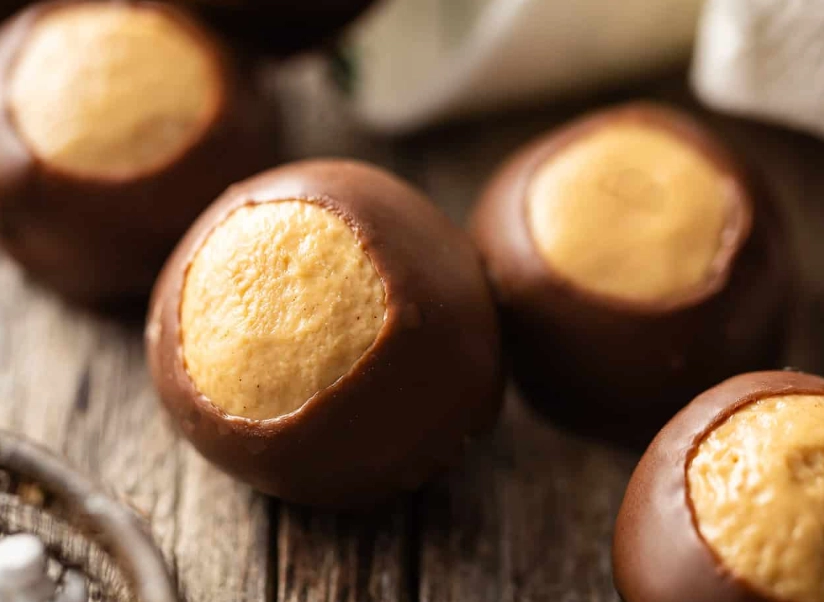
4. The Dip. Hold a frozen peanut butter ball by the toothpick. Dip it into the melted chocolate, leaving the top quarter to half of the ball uncovered. Let the excess chocolate drip off, then gently place it back on the parchment paper. The chocolate should set almost immediately around the cold ball. Carefully twist and remove the toothpick. Use your finger to smooth over the toothpick hole. Repeat. If the chocolate starts to thicken, re-warm it gently.
5. Set and serve. Let the buckeyes set completely at room temperature (or in the fridge if your kitchen is warm) for about an hour. The chocolate should be firm to the touch.
The Secret to No-Crack Buckeyes: Avoiding Common Mistakes
Here's where my decade of trial and error pays off for you. Most recipes get you 90% of the way there. I'll give you the last 10% that makes the difference between "good" and "perfect."
The #1 Mistake: Using the Wrong Peanut Butter. This is the crack culprit. You absolutely cannot use natural peanut butter (the kind with oil separation) or any peanut butter that's overly oily. The oil will seep out as the balls chill, creating a greasy layer that repels the chocolate and causes cracks as it contracts. You need a commercial, stabilised peanut butter like Jif, Skippy, or Peter Pan. These have added hydrogenated oils that keep the fat emulsified and the texture consistent. According to the USDA's food composition data, these standard brands have a more stable fat profile ideal for confections. It's a non-negotiable for smooth, crack-free buckeyes.
My "Peanut Butter Test": Scoop a spoonful of your peanut butter and turn it upside down. If it holds its shape on the spoon without immediately dripping or looking shiny with oil, you're good to go. If it looks wet or starts to slide, it's too oily for buckeyes.
Temperature is Everything. The peanut butter balls must be cold when they meet the warm chocolate. A warm ball will start to melt, lose its shape, and can cause the chocolate to bloom (get those white streaks). A freezer-cold ball causes the chocolate to set too quickly, which can also lead to cracks if the chocolate is too thick. The sweet spot? Freeze the balls for 30-45 minutes. Your melted chocolate should be warm to the touch, not hot—around 90-95°F (32-35°C).
Don't Overwork the Dough. Once the sugar is incorporated, mix just until it comes together. Overmixing can warm the butter and make the dough greasy.
The Wax Debate. I know paraffin wax sounds like something from a 1950s cookbook. My grandmother swore by it. It makes the chocolate incredibly thin, shiny, and resistant to melting in your hands. It's food-grade and used in many commercial candies. If you can't find it or are opposed, refined coconut oil is the best substitute. Butter or shortening will make the chocolate softer and less stable.
Storing, Gifting, and Serving Your Buckeyes
You've made perfect buckeyes. Now, keep them that way.
Storage: Store buckeyes in a single layer in an airtight container. They keep beautifully at cool room temperature for about a week. For longer storage (up to 3 weeks), refrigerate them. You can also freeze them for up to 3 months. Layer them between sheets of parchment in a freezer-safe container. Thaw in the fridge overnight.
Gifting: They are a fantastic homemade gift. Use a festive cookie tin or a cardboard box lined with parchment or cupcake liners. Stack them in layers with parchment between. A little note with storage instructions is a nice touch.
Serving: Serve them at room temperature for the best texture. Pair them with coffee, milk, or a dessert wine. They're rich, so one or two per person is usually plenty.
Frequently Asked Questions (Answered by a Buckeye Fanatic)
Why did my peanut butter balls crack when I dipped them in chocolate?
Nine times out of ten, it's the peanut butter. If you used a natural or oily brand, the fat separates and contracts as it chills, creating microfissures that the chocolate sinks into, making visible cracks. The fix for your next batch is to use a stabilised brand like Jif. For this batch, you can try gently warming the cracked ones in your hands to smooth the chocolate, but it's a temporary fix.
My buckeyes get soft and messy at room temperature during a holiday party. How can I prevent that?
This usually means your chocolate shell was too thin or lacked structure. Next time, ensure you're adding the paraffin wax or coconut oil to the chocolate—it raises the melting point slightly. Also, avoid placing the serving platter near a heater, oven, or in direct sunlight. If you know the room will be warm, it's okay to serve them straight from the fridge and replenish the plate as needed.
Can I use natural peanut butter to make buckeyes healthier?
You can try, but you'll likely fight a losing battle with oil separation and a crumbly, hard-to-roll texture. The sugar and butter bind the standard recipe. If health is a concern, you might look for a reduced-fat commercial peanut butter, but even those are formulated to be stable. Buckeyes are a treat—I'd recommend enjoying the classic version mindfully rather than making a compromised version that may not work.
What's the best way to melt chocolate for dipping without seizing it?
Keep all water away from your chocolate. Even a drop can cause it to seize into a grainy lump. Ensure your bowls, spoons, and the balls themselves are completely dry. A double boiler where the bottom of the top bowl doesn't touch the simmering water is safest. If microwaving, use short bursts and stir vigorously with a dry spoon.
My buckeye dough is too dry and crumbly. What did I do wrong?
You likely over-measured the confectioners' sugar or used a very thick peanut butter. The dough should be pliable but not sticky. To rescue it, try adding another tablespoon of softened butter and mixing thoroughly. If it's still dry, add peanut butter, one teaspoon at a time, until it comes together. It's always easier to add than to subtract, so start with the lower sugar amount next time.
There you have it. More than just a list of ingredients and steps, but the why behind each one. The goal isn't just to make buckeyes, but to make buckeyes that look as incredible as they taste—the kind that make people ask for your recipe. Grab that jar of Jif, freeze those balls solid, and dip with confidence. You've got this.
Reader Comments