Let's cut through the noise. Peanut butter is either hailed as a superfood or demonized as a fattening spread. The truth, as usual, is in the details—specifically, the peanut butter nutrition facts label. A typical two-tablespoon serving packs around 190 calories, 16 grams of fat (mostly the good kind), 7 grams of protein, and 7 grams of carbs. But that's just the surface. Whether it's a health hero or a sugar-laden imposter depends entirely on what's in your jar. I've spent years comparing labels, and the differences can be staggering.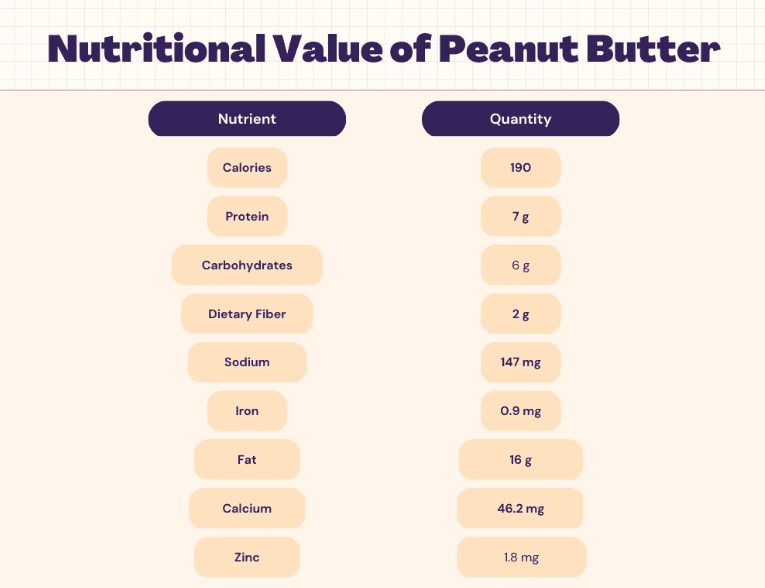
What's Inside This Jar?
- The Core Nutritional Profile of Peanut Butter
- Is Peanut Butter Good for You? The Heart of the Debate
- How to Read a Peanut Butter Nutrition Label (And Spot the Imposters)
- Beyond the Basics: Micronutrients and Health Compounds
- Choosing the Healthiest Peanut Butter: A Practical Checklist
- How I Use Peanut Butter in a Balanced Diet
- Your Peanut Butter Nutrition Questions, Answered
The Core Nutritional Profile of Peanut Butter
Forget vague descriptions. Here's the exact breakdown for a standard 2-tablespoon (32g) serving of conventional creamy peanut butter, based on data from the USDA FoodData Central.
| Nutrient | Amount | % Daily Value* |
|---|---|---|
| Calories | 191 | 10% |
| Total Fat | 16.4g | 21% |
| Saturated Fat | 3.3g | 17% |
| Monounsaturated Fat | 7.6g | - |
| Polyunsaturated Fat | 4.4g | - |
| Protein | 7.1g | 14% |
| Total Carbohydrate | 7.1g | 3% |
| Dietary Fiber | 1.6g | 6% |
| Total Sugars | 3.4g | - |
| Added Sugars | ~2.0g | 4% |
| Sodium | 136mg | 6% |
*Percent Daily Values are based on a 2,000 calorie diet.
See those numbers? The peanut butter protein content is solid—it's why it's a staple for athletes. But the fat content makes people nervous. Here's the thing: over 80% of that fat is unsaturated (mono- and polyunsaturated), the kind linked to better heart health by sources like the American Heart Association. The saturated fat isn't negligible, but in the context of a balanced diet, it's manageable.
The real variable is sugar. That "Total Sugars" number includes natural sugars from the peanuts themselves, but the "Added Sugars" line is what you need to watch. In a natural peanut butter, added sugars should be 0g.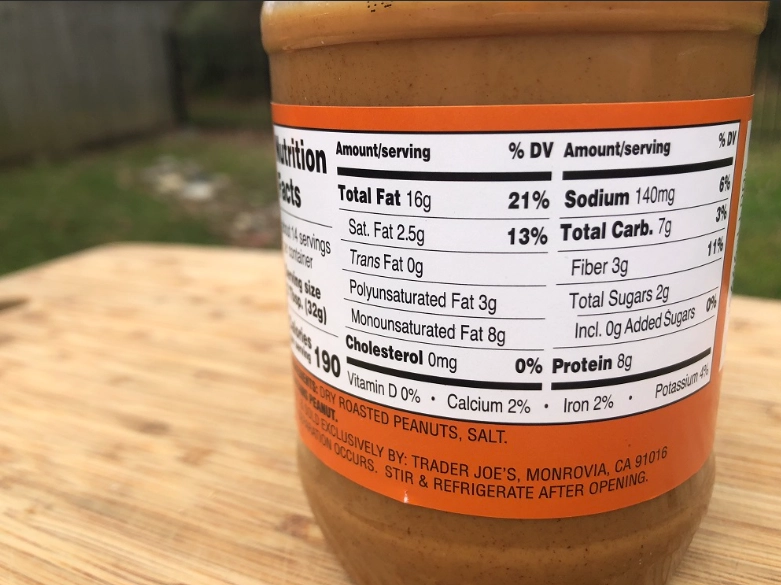
Is Peanut Butter Good for You? The Heart of the Debate
Based on the peanut butter nutrition facts, yes, it can be incredibly good for you. But it's not a free pass.
The research is pretty consistent. Regular nut and peanut butter consumption is associated with a lower risk of heart disease and type 2 diabetes. The combo of healthy fats, fiber, and protein is satiating, which can help with weight management by curbing overeating later. A study published in The Journal of Nutrition found that peanut butter consumption was linked to improved diet quality in adults.
But there are valid concerns. The calorie density is real. It's easy to mindlessly eat several hundred calories straight from the jar. And for some people with peanut allergies, it's obviously off the table.
The biggest pitfall isn't peanut butter itself—it's the junk added to it. This brings us to the most important skill: reading the label.
How to Read a Peanut Butter Nutrition Label (And Spot the Imposters)
This is where most generic advice fails. They tell you to "look for low sugar," but don't show you how. Let's compare two real-world examples.
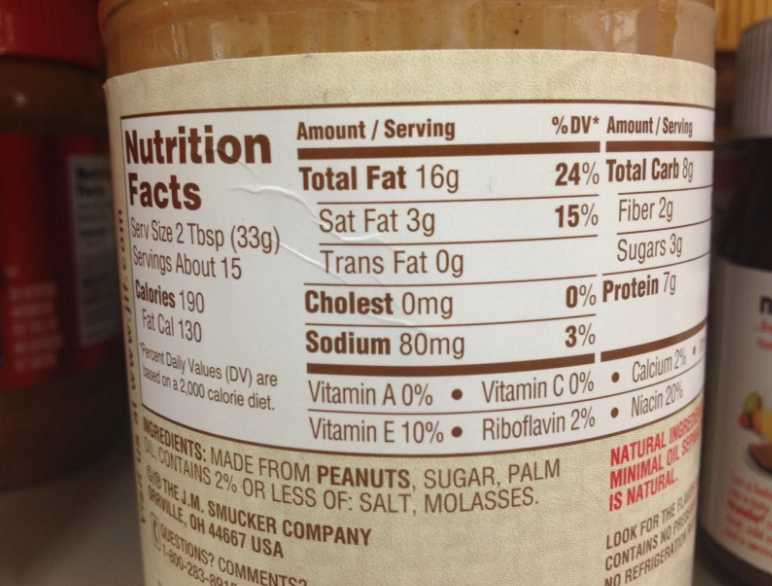
Brand A (A Popular Conventional Brand):
Ingredients: Roasted Peanuts, Sugar, Hydrogenated Vegetable Oils (Rapeseed and Cottonseed), Salt.
Nutrition Facts (per 2 tbsp): 190 cal, 16g fat (3g saturated), 7g protein, 8g carbs (2g fiber, 3g total sugars, 2g added sugars), 150mg sodium.
Brand B (A "Natural" Style Brand):
Ingredients: Peanuts, Salt.
Nutrition Facts (per 2 tbsp): 200 cal, 17g fat (2.5g saturated), 8g protein, 6g carbs (3g fiber, 1g total sugars, 0g added sugars), 110mg sodium.
At first glance, calories and fat are similar. But look closer.
Brand A adds sugar and, more critically, hydrogenated oils. These are sources of trans fats, which are terrible for heart health. Even if the label says "0g trans fat," if "hydrogenated" is in the ingredients, it contains small amounts (less than 0.5g per serving, which allows the 0g claim). This is a legal loophole that tricks many shoppers.
Brand B has one or two ingredients. The only sugar is naturally occurring. The fat profile is pure peanut fat. This is the gold standard for healthy peanut butter.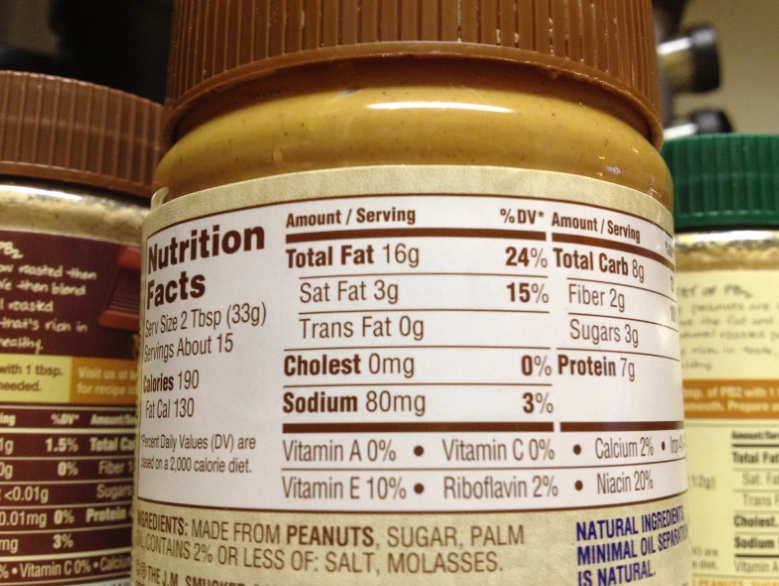
Beyond the Basics: Micronutrients and Health Compounds
The macronutrients (fat, protein, carbs) get all the attention, but the micronutrient profile is impressive. A serving provides notable amounts of:
Vitamin E: A powerful antioxidant that protects cells.
Magnesium: Crucial for muscle function, nerve function, and blood sugar control.
Potassium: Helps regulate blood pressure.
Niacin (Vitamin B3): Supports energy metabolism and nervous system health.
Resveratrol: The same antioxidant found in red wine, linked to anti-aging effects.
It also contains bioactive compounds like phytosterols, which can help lower cholesterol. You're not just eating fat and protein; you're getting a complex package of beneficial plant nutrients.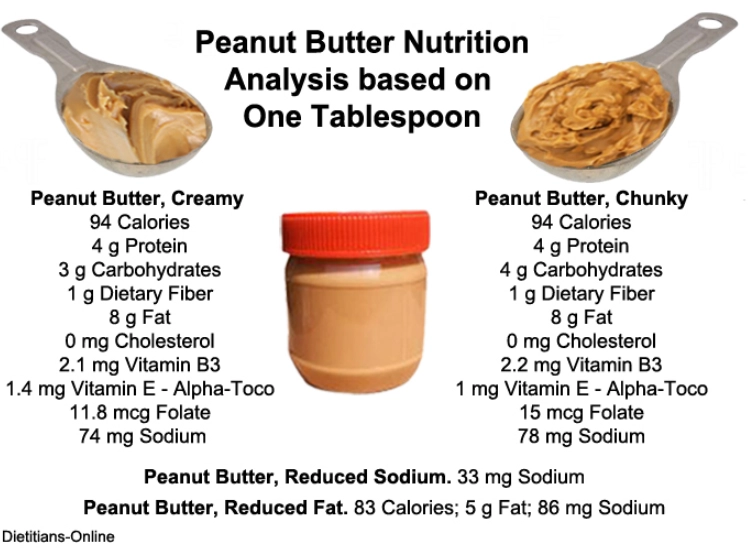
Choosing the Healthiest Peanut Butter: A Practical Checklist
Next time you're in the aisle, use this list. Don't just grab the familiar jar.
1. The Ingredients List is King. It should say: "Peanuts." Or "Peanuts, Salt." That's it. Maybe "Peanuts, Salt, Palm Fruit Oil" (palm fruit oil is non-hydrogenated and used to prevent oil separation, it's okay). Avoid anything with added sugars (cane sugar, molasses, honey), hydrogenated oils, or fillers (soy protein, corn syrup solids).
2. Scan for Added Sugars. On the Nutrition Facts panel, aim for 0g Added Sugars. The "Total Sugars" might show 1-2g from the peanuts, which is fine.
3. Ignore the "Low-Fat" Hype. As discussed, it's usually a worse choice.
4. Check the Sodium. Some salted varieties can have 150mg+ per serving. Unsalted options have 0-5mg. This is a personal choice based on your dietary needs.
5. Embrace the Stir. Natural peanut butter separates. The oil on top is the healthy peanut oil. Stir it in thoroughly when you first open it, then store it in the fridge. The fridge keeps it firm and prevents re-separation. Don't let the "need to stir" scare you—it's a sign of a pure product.
How I Use Peanut Butter in a Balanced Diet
Theory is fine, but how does it work day-to-day? The key is treating it as a nutrient-dense condiment or component, not the main event.
Breakfast: A thin smear (about 1 tablespoon) on whole-grain toast with banana slices. The fiber from the bread and banana balances the fat.
Snack: Celery sticks or apple slices with a tablespoon of peanut butter for dipping. The water content in the produce adds volume.
Sauce: Whisk a couple tablespoons into a stir-fry sauce with lime juice, soy sauce, and a little chili garlic paste. It creates a creamy, protein-packed sauce that clings to vegetables and chicken.
Smoothie Booster: One tablespoon adds creaminess, protein, and healthy fats to a fruit and spinach smoothie, making it far more sustaining.
I measure it, especially when eating from the jar. A "serving" is two tablespoons, but I often find one is plenty to get the flavor and benefits without overdoing the calories.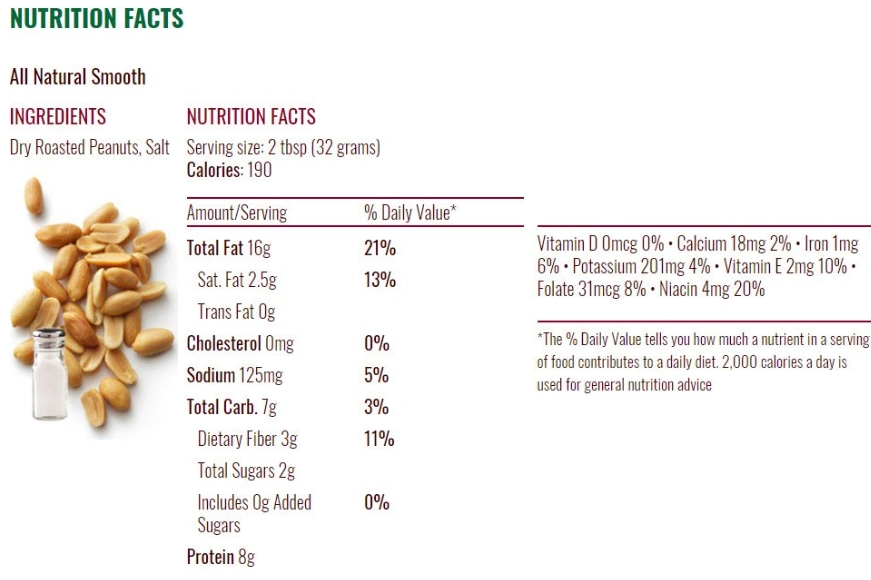
Your Peanut Butter Nutrition Questions, Answered
 What about the aflatoxin scare I've heard about?
Peanut butter's nutrition facts tell a simple story: it's a whole food packed with beneficial fats, plant-based protein, and vital nutrients. The complexity comes from what we add to it. By choosing a jar with a short, clean ingredient list, you're not just buying a spread—you're getting a versatile, satisfying, and genuinely healthy staple. Ignore the low-fat fads, master the stir, and enjoy one of nature's most perfectly packaged foods.
Reader Comments