Let's be honest. Making traditional fudge can feel like a high-stakes chemistry experiment. You're watching a candy thermometer, praying the sugar doesn't crystallize, and the whole thing can turn grainy in an instant. It's frustrating. That's why this marshmallow fluff peanut butter fudge recipe is the one I've relied on for over a decade. It's the no-fail, no-thermometer, almost-impossible-to-mess-up version that delivers incredibly creamy results every single time. The secret weapon? A jar of marshmallow fluff. It's not just for fluffernutter sandwiches; it's the stabilizer that guarantees a smooth, set texture without the stress. In the next few minutes, I'll walk you through exactly how to make it, but more importantly, I'll explain the why behind each step and point out the tiny mistakes most beginners make that can still trip you up.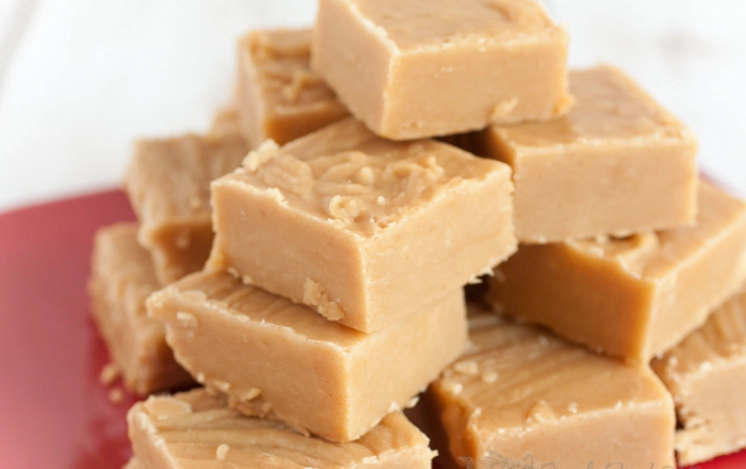
What You'll Find in This Guide
- The Exact Ingredients You Need (And What to Avoid)
- How to Make Marshmallow Fluff Peanut Butter Fudge: A Foolproof Guide
- Why This Marshmallow Fluff Fudge Recipe Works (The Science of Easy Fudge)
- 3 Common Mistakes That Can Ruin Your Fudge
- Storing, Gifting & Delicious Variations
- Your Fudge Questions, Answered
The Exact Ingredients You Need (And What to Avoid)
This recipe's beauty is its short ingredient list. But each one plays a specific role. Using the wrong type can lead to a batch that's too soft, too hard, or just won't set.
| Ingredient | Quantity | Critical Role & Notes |
|---|---|---|
| Granulated White Sugar | 2 cups | Provides sweetness and structure. Don't substitute with brown sugar here—its moisture will make the fudge too soft. |
| Evaporated Milk (not sweetened condensed) | 5 oz can (⅔ cup) | This is the liquid that dissolves the sugar. Its concentrated, less watery nature (compared to regular milk) is key. Using regular milk will likely prevent setting. |
| Unsalted Butter | ½ cup (1 stick) | Adds richness and creamy mouthfeel. Salted butter can be used, but reduce any added salt later. |
| Marshmallow Fluff (or Creme) | 7 oz jar (about 1¾ cups) | The MVP. It's pre-cooked sugar and egg whites that act as a stabilizer, preventing graininess and ensuring a smooth set. |
| Creamy Peanut Butter | 1 cup | Use a standard, shelf-stable brand like Jif or Skippy. Avoid natural peanut butter (the kind with oil separation)—it will make your fudge oily and may not incorporate properly. |
| Pure Vanilla Extract | 1 teaspoon | Enhances flavor. Imitation extract can leave a chemical aftertaste. |
| Salt (if using unsalted butter) | ¼ teaspoon | Balances the sweetness and makes the peanut butter flavor pop. |
How to Make Marshmallow Fluff Peanut Butter Fudge: A Foolproof Guide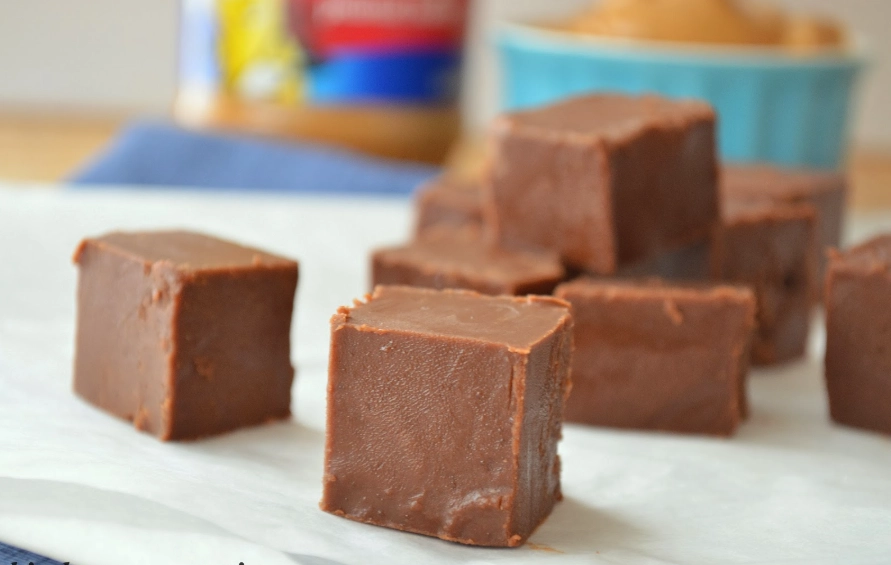
Follow these steps in order. I'm including the "whys" so you understand the process, not just follow it blindly.
Step 1: Prep Your Pan
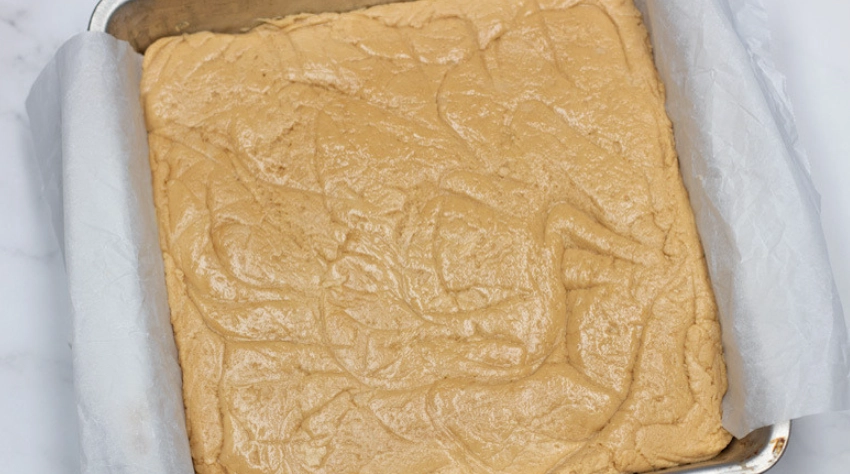
Line an 8x8 inch baking pan with parchment paper, leaving some overhang on two sides. This isn't just for easy cleanup—it's your lifeline for removing the entire slab of fudge later. Lightly grease the paper with butter or cooking spray. Don't skip this, or you'll be chiseling fudge out with a knife.
Step 2: The Boiling Phase (Don't Wander Off)
In a medium, heavy-bottomed saucepan (a thin pan will scorch the sugar), combine the sugar, evaporated milk, and butter. Turn the heat to medium. Stir constantly until the butter melts and the sugar dissolves. This is crucial. Undissolved sugar crystals can seed crystallization later.
Once it comes to a full, rolling boil, set a timer for 5 minutes. Keep it at a steady boil and stir occasionally to prevent sticking. You'll see the mixture bubble up and thicken slightly. This step cooks out enough water so the fudge will solidify when cooled.
Step 3: The Quick Mix-In
When the 5-minute boil is up, remove the pan from the heat immediately. Working quickly, add the entire jar of marshmallow fluff, the peanut butter, vanilla, and salt.
Here's where most people under-mix. You need to stir vigorously until every single ingredient is fully melted and combined into a smooth, homogenous mixture. No streaks of white fluff, no separate pools of peanut butter. This should take 1-2 minutes of solid stirring. I use a sturdy wooden spoon or a stiff silicone spatula.
I learned this the hard way. My first batch had little white specks because I was too gentle and didn't fully melt the fluff. The texture was off.
Step 4: Set and Forget
Immediately pour the hot fudge mixture into your prepared pan. Smooth the top with your spatula. Don't jiggle or tap the pan trying to get it perfectly level—this can introduce air bubbles.
Let it cool at room temperature for about 30 minutes, then transfer the pan to the refrigerator. Let it chill for at least 3-4 hours, or preferably overnight. I know it's tempting to cut it early, but the fudge needs this time to crystallize properly and achieve its signature firm-yet-creamy texture.
Why This Marshmallow Fluff Fudge Recipe Works (The Science of Easy Fudge)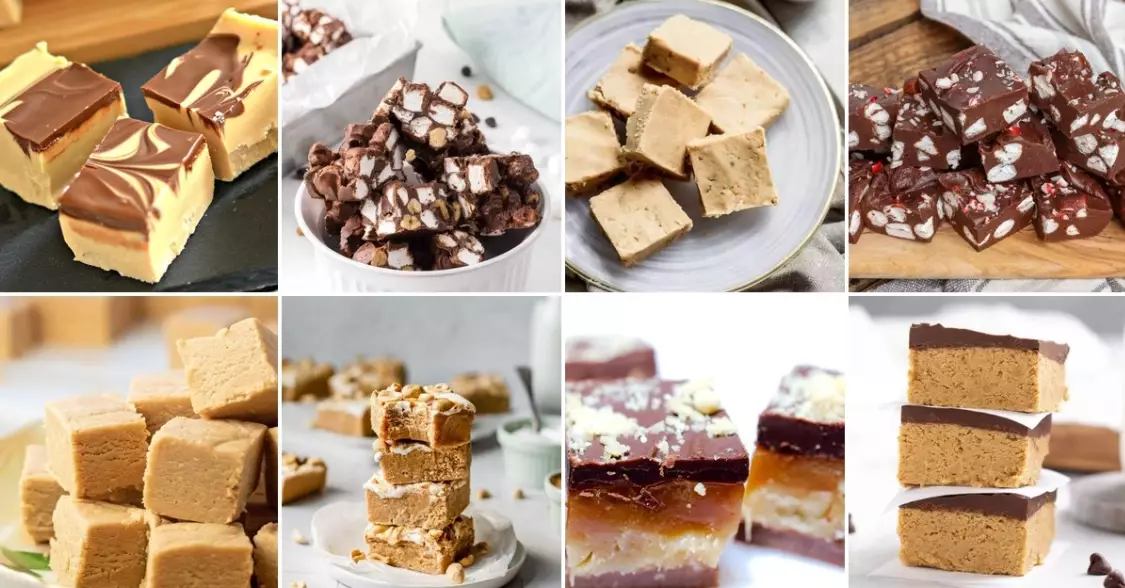
Traditional fudge relies on controlling the crystallization of supersaturated sugar syrup. It's finicky. Marshmallow fluff changes the game.
Fluff is essentially a pre-made sugar foam, stabilized with egg whites and corn syrup. When you add it to the hot sugar syrup, you're introducing millions of tiny, stable sugar crystals and proteins. These act as a scaffold. Instead of having to form new crystals from scratch (which can clump into graininess), the existing crystals in the fluff guide the syrup into setting smoothly.
Think of it like seeding a lawn versus hoping grass randomly grows. The fluff seeds the perfect texture. This is why you don't need to beat the mixture for ages or use a candy thermometer. The hard work is already done inside that jar.
3 Common Mistakes That Can Ruin Your Fudge
Even with this forgiving recipe, a few missteps can lead to less-than-perfect results.
Mistake 1: Using "Natural" Peanut Butter. This is the biggest offender. The oil that separates out in natural peanut butter doesn't re-incorporate well into the hot fudge matrix. You'll end up with a greasy, oily layer on top and a fudge that might not set firmly. Stick with the emulsified, shelf-stable stuff for this application. The USDA's food composition database shows the significant fat and moisture differences between types.
Mistake 2: Not Boiling Long Enough (or Boiling Too Long). The 5-minute full boil is not arbitrary. Less time, and too much water remains, leaving you with soft, sticky fudge. More time, and you cook out too much water, leading to a hard, crumbly fudge. Use a timer.
Mistake 3: Incomplete Mixing. If you don't fully melt and incorporate the marshmallow fluff, you get a marbled look and uneven texture. Stir until it's completely smooth, even if your arm gets tired. It's the last physical effort the recipe asks of you.
Storing, Gifting & Delicious Variations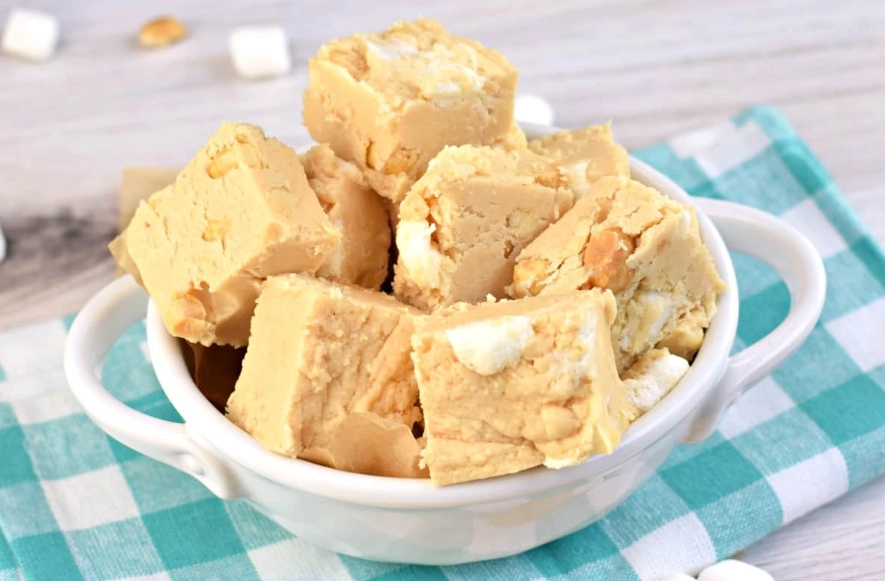
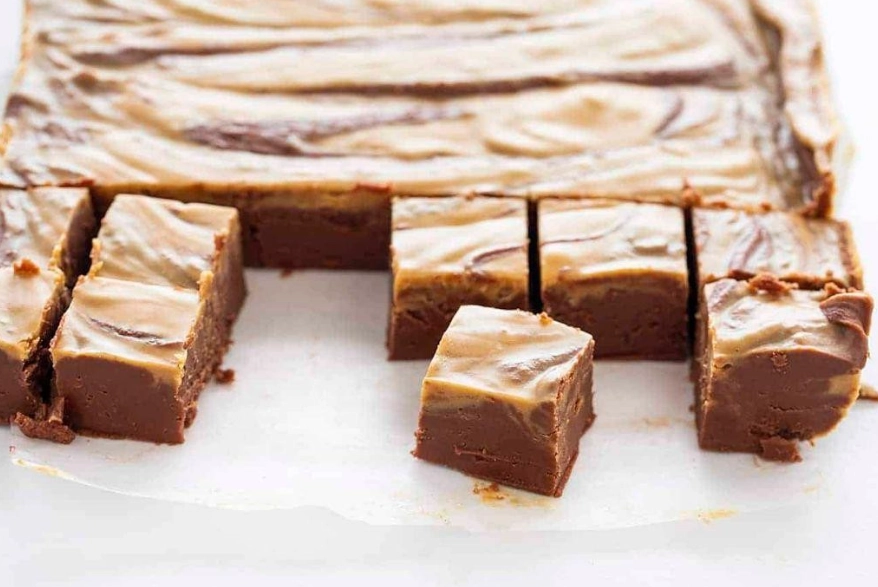
Once set, use the parchment paper overhang to lift the whole block out. Cut into 1-inch squares with a sharp knife wiped clean between cuts for neat edges.
Storage: Keep it in an airtight container in the refrigerator for up to 2 weeks. It also freezes beautifully for up to 3 months. Thaw in the fridge overnight.
For Gifts: Layer squares between parchment paper in a festive tin. It travels well and doesn't need immediate refrigeration, making it a perfect homemade holiday or hostess gift.
Want to Mix It Up?
- Chocolate Swirl: Melt ½ cup of semi-sweet chocolate chips with a teaspoon of butter. Drizzle over the fudge in the pan and swirl with a knife before chilling.
- Crunchy Time: Stir in ½ cup of crushed pretzels or roasted peanuts with the peanut butter for a salty crunch.
- Nutella Twist: Replace ¼ cup of the peanut butter with Nutella for a hazelnut-chocolate-peanut butter fusion.
Your Fudge Questions, Answered
 Can I make this marshmallow fluff fudge without a stove?
 Is there a way to make this recipe with dark chocolate instead of peanut butter?
Reader Comments