Let's get straight to the point. The combination of peanut butter and marshmallow fluff isn't just a childhood memory; it's a versatile, delicious, and sometimes controversial culinary duo that deserves a spot in any snack lover's arsenal. Whether you call it a Fluffernutter or something else, this guide will walk you through everything from its quirky history to pro-level tips for making the best peanut butter and marshmallow fluff sandwich, plus ways to use it in desserts that will surprise you. I've been experimenting with this combo for years, and I'm here to tell you that most people get the ratio wrong.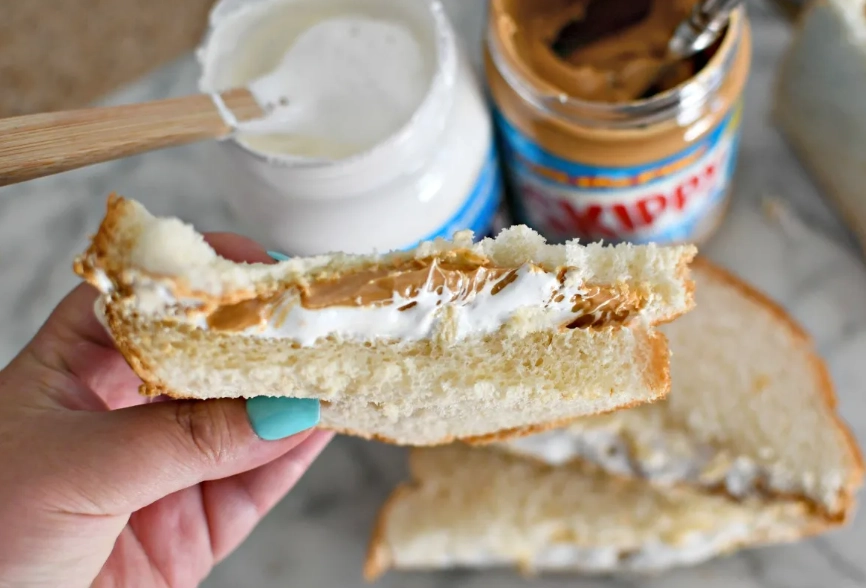
What's Inside This Fluffy Guide?
The Sticky History of the Fluffernutter
Marshmallow fluff was invented in Massachusetts in the early 1900s. The story goes that a man named Archibald Query was selling it door-to-door before World War I. After the war, two other entrepreneurs, H. Allen Durkee and Fred L. Mower, bought the recipe for $500. Their company, Durkee-Mower, still makes Marshmallow Fluff today in Lynn, Massachusetts.
The term "Fluffernutter" for a peanut butter and fluff sandwich was actually trademarked by Durkee-Mower in the 1960s as a way to market their product. It became a staple in New England lunchboxes. There's even been political drama around it—Massachusetts state senator Jarrett Barrios once tried to limit Fluffernutter servings in schools, which caused a minor uproar among fans. The sandwich survived, proving its cultural staying power.
What most food history sites miss is the regional divide. In some parts of the U.S., this sandwich is utterly unknown. In New England, it's a birthright. This gap explains why online recipes vary so wildly in quality—many are written by people who've never experienced a properly made one.
How to Make the Perfect Peanut Butter and Marshmallow Fluff Sandwich
This seems stupidly simple, right? Two ingredients, bread. Done. But the difference between a good Fluffernutter and a great one is in the details most recipes gloss over.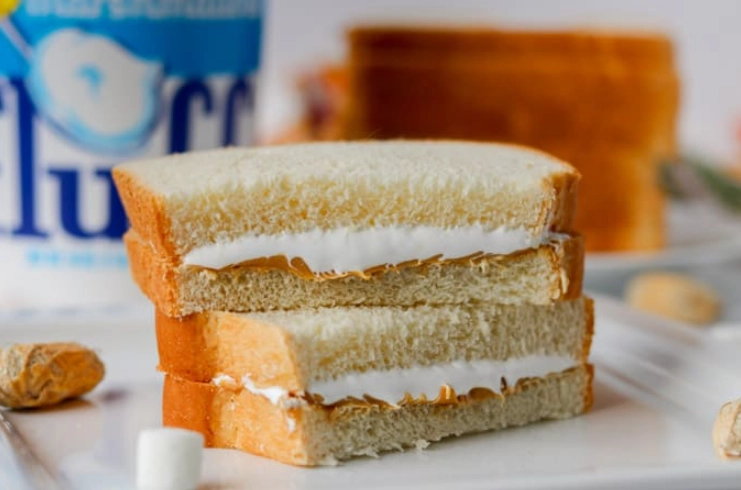
The Big Mistake Everyone Makes
They use too much fluff. A classic Fluffernutter is not a marshmallow sandwich with a hint of peanut butter. It's a balanced union. A layer of peanut butter thick enough to taste its savoriness, complemented by a lighter layer of sweet fluff. Going overboard with the fluff makes it sickeningly sweet and impossible to eat without making a colossal mess.
Here’s my method, refined after many sticky trials.
The Expert's Fluffernutter Blueprint
Ingredients:
- 2 slices of fresh, soft white bread (Potato bread or brioche works wonders here. Avoid dense, grainy breads—they tear and don't provide the right soft contrast.)
- Creamy peanut butter, about 2 tablespoons. I prefer a no-stir, standard brand like Jif or Skippy for consistency and saltiness. Natural peanut butter can separate and make the bread oily.
- Marshmallow Fluff, about 1 to 1.5 tablespoons. The key is less than the peanut butter.
Tools: Two butter knives (one for each spread). Using the same knife contaminates the jars.
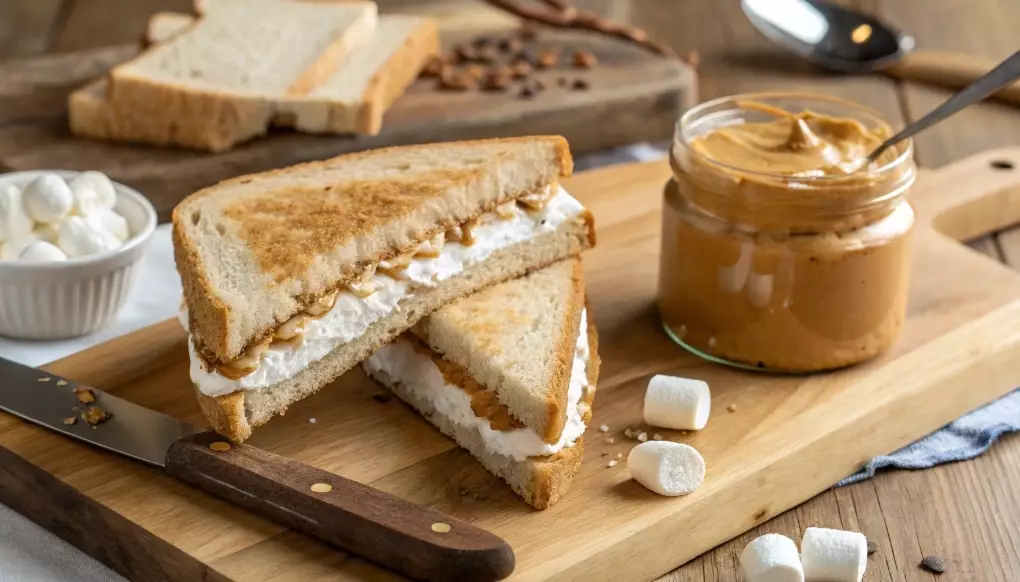
Assembly: Spread the peanut butter evenly on one slice, all the way to the edges. This creates a moisture barrier. On the other slice, use a clean knife to dollop the fluff in the center and gently spread it outward. Don't press too hard or you'll incorporate air and make it thin. Gently press the slices together, peanut butter side to fluff side. Slice diagonally—it just tastes better. No, really, it does.
Why this order? Peanut butter is sturdier and provides a base. Fluff is more delicate and prone to squeezing out if it's on the bottom slice during spreading. This small step prevents a lot of frustration.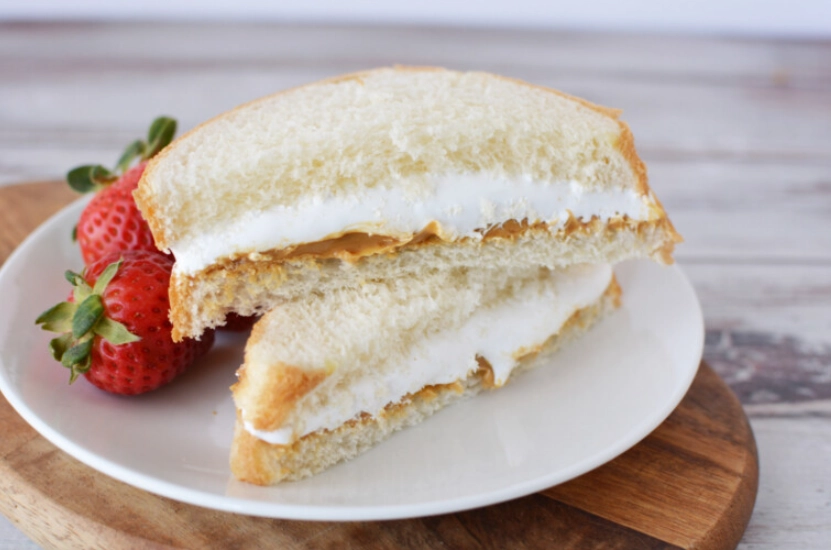
Beyond Basic: Fluffernutter Recipe Variations
The classic is perfect, but sometimes you want to mix it up. Here are three tiers of variations, from simple adds to full transformations.
| Variation | What to Add/Change | Why It Works | Best For |
|---|---|---|---|
| The Elvis | Add sliced banana and a drizzle of honey. | The banana adds freshness and texture, cutting the sweetness. Honey complements both flavors. | A more substantial snack or breakfast. |
| The Crunch Time | Use crunchy peanut butter, or add a layer of crushed potato chips (plain or ridged) inside. | The salt and crunch from the chips create an addictive sweet-salty-crispy contrast. It sounds weird until you try it. | When you're craving something texturally exciting. |
| The Grilled Fluffernutter | Assemble sandwich, then butter the outer sides and grill in a pan over medium-low heat like a grilled cheese. | The heat slightly melts the fillings, creating a warm, gooey, caramelized experience. Watch closely—fluff burns easily. | A decadent dessert sandwich. |
| The Open-Faced Upgrade | Toast one slice of bread. Spread with peanut butter and fluff, then broil for 45-60 seconds until fluff is toasted. | You get warm peanut butter, toasted marshmallow top, and the stability of a plate and fork. Less messy. | A quick, presentable snack. |
The Grilled Fluffernutter is a game-changer, but it requires patience. Use a lower heat than you would for grilled cheese. If the pan is too hot, the sugar in the fluff will scorch before the bread browns, leaving you with a bitter, blackened mess.
From Snack to Dessert: Creative Applications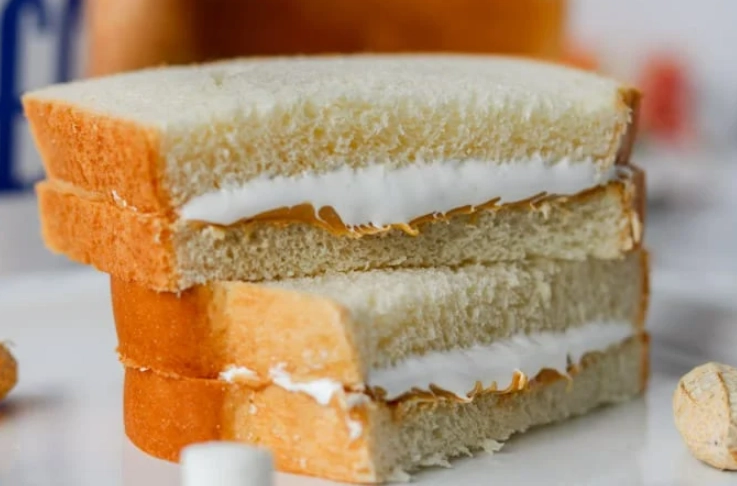
The peanut butter and fluff mixture isn't confined to bread. It's a fantastic no-bake dessert base. Here are a few applications that are far more impressive than the effort required.
1. The 3-Minute Fruit Dip
Mix equal parts room-temperature peanut butter and fluff in a bowl. Thin it out with a splash of milk or Greek yogurt until it's dippable. Serve with apple slices, pretzels, or strawberries. This is the ultimate last-minute party trick. The yogurt version adds tang that balances the sweetness perfectly.
2. No-Bake Peanut Butter Fluff Bars
This is where you can use up that jar of fluff. Melt 1 cup of peanut butter with 1/2 cup of unsalted butter. Stir in 2 cups of graham cracker crumbs and 1.5 cups of fluff. Press into a pan. For the topping, melt 1 cup of chocolate chips with a tablespoon of butter or coconut oil, spread over the base, and chill. It's ridiculously rich, so cut small squares.
Most recipes call for sweetened condensed milk here, but using fluff instead gives a lighter, airier texture that I prefer. It's less dense and cloying.
3. Fluffernutter Stuffed Cupcakes or Thumbprint Cookies
For cupcakes: After baking, use a piping tip or spoon to core out the center. Fill with a mix of fluff and peanut butter. Replace the cap and frost as usual. The surprise inside is always a hit.
For cookies: Make a standard peanut butter cookie dough. Roll into balls, make a deep thumbprint, and fill with a small dollop of fluff before baking. The fluff sets but stays soft.
The key with baking is to remember fluff is sugar and gelatin. It will melt and spread if not contained, so for thumbprints, make sure the walls of the indent are high.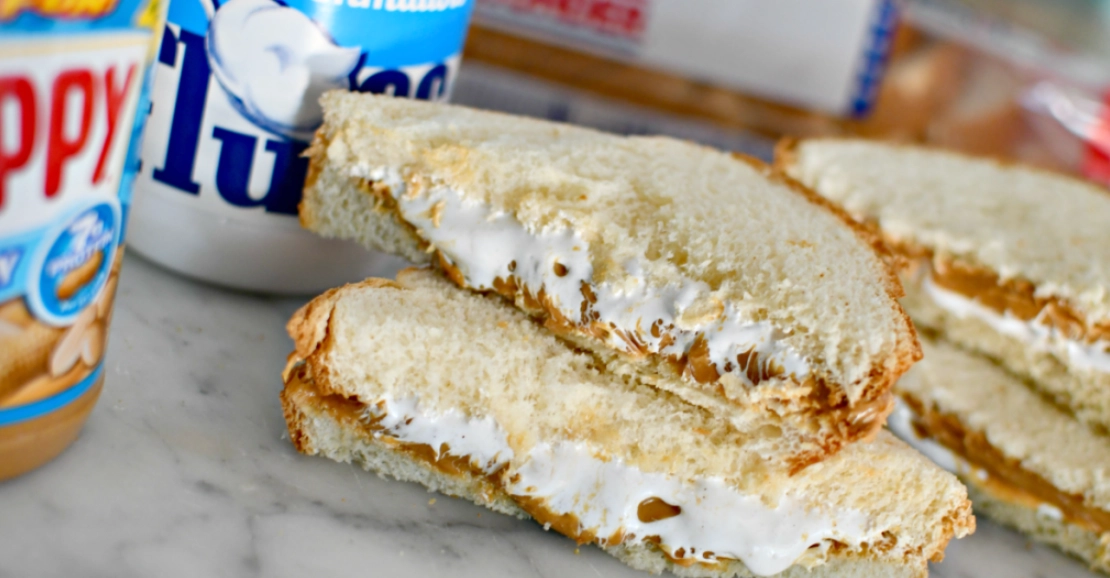
Your Peanut Butter and Fluff Questions, Answered
How do I prevent my fluffernutter sandwich from getting soggy if I pack it for lunch?
The peanut butter barrier is your first defense—spread it edge to edge. The real pro move is to pack the components separately. Put the peanut-buttered slice in one bag or container, and the fluff-buttered slice in another, facing up. Assemble just before eating. This keeps the bread's texture perfect and is what I did for my kids' lunches for years.
Can I make a marshmallow fluff and peanut butter sandwich with something other than white bread?
You can, but choose wisely. Whole wheat can have a bitter note that clashes. Cinnamon-raisin bread is a fantastic pairing—it adds another layer of spice and sweetness. Toasted waffles or pancakes are also excellent, especially for breakfast. Avoid very seedy or crusty artisan breads; they overwhelm the delicate fillings.
 Is there a significant difference between store-brand marshmallow fluff and the name brand (Marshmallow Fluff by Durkee-Mower)?
Yes, and it's noticeable in both texture and flavor. The name-brand Fluff has a lighter, glossier texture and a cleaner vanilla-marshmallow taste. Many store brands are denser, grainier, and have a more pronounced gelatinous or artificial aftertaste. For the best experience, especially in recipes where it's a star ingredient, the original is worth the extra dollar. It's one of the few instances where the brand name genuinely matters.
My marshmallow fluff is hard and crystallized in the jar. Can I save it?
Often, yes. This usually means it's dried out or been stored in too cold a place. Screw the lid on tightly and place the jar in a bowl of very warm (not boiling) water for 10-15 minutes. Then stir vigorously. This often re-emulsifies it. To prevent it, always seal the lid tightly and store it in a cool pantry, not the fridge. Refrigeration causes it to harden and crystallize.
What's a good peanut butter to marshmallow fluff ratio for a sandwich?
This is the most common point of failure. I find that a 2:1 ratio (peanut butter to fluff) by volume is the sweet spot for most palates. So, about 2 tablespoons of peanut butter to 1 tablespoon of fluff. This ensures you taste the salty, nutty richness of the peanut butter, which is balanced by the sweet fluff, not drowned by it. Start there and adjust based on your preference, but err on the side of more peanut butter.
The beauty of peanut butter and marshmallow fluff is its simplicity and its potential. It can be a 30-second nostalgia fix or the base for a clever dessert. Mastering the basic sandwich—getting that ratio right—is the first step. From there, a world of crunchy, grilled, fruity, or dipped variations opens up. Don't let its childish reputation fool you. With a little attention to detail, this classic combo can be as satisfying as any gourmet treat. Now go make one. You know you want to.
Reader Comments