What You'll Find in This Guide
Let's cut to the chase: how many carbs are in peanut butter? It depends. A typical two-tablespoon serving of regular peanut butter has around 6-8 grams of carbohydrates, but that number can swing widely based on whether it's natural, processed, or loaded with added sugars. I've been tracking my carb intake for years, and peanut butter was one of those foods that confused me at first. Is it a friend or foe for low-carb diets? This guide dives deep into the carbohydrate content of peanut butter, using data from sources like the USDA FoodData Central, to give you the clear answers you need.
Carbs in Peanut Butter: The Basics
Carbohydrates in peanut butter come from two main sources: natural sugars and fiber found in peanuts, and added sugars in some processed versions. Peanuts themselves are legumes, not nuts, which means they have a unique nutrient profile. In a basic serving, you're looking at total carbs that include both digestible carbs and dietary fiber.
Why does this matter? If you're on a diet like keto, you care about net carbs—total carbs minus fiber. For everyone else, understanding total carbs helps manage blood sugar or weight goals. I remember once grabbing a jar thinking it was healthy, only to find it packed with 10 grams of sugar per serving. That's a rookie mistake many make.
Carbs in Different Types of Peanut Butter
Not all peanut butters are created equal. The carb count varies dramatically between natural, processed, and reduced-fat options. Here's a breakdown based on common brands and my own pantry checks.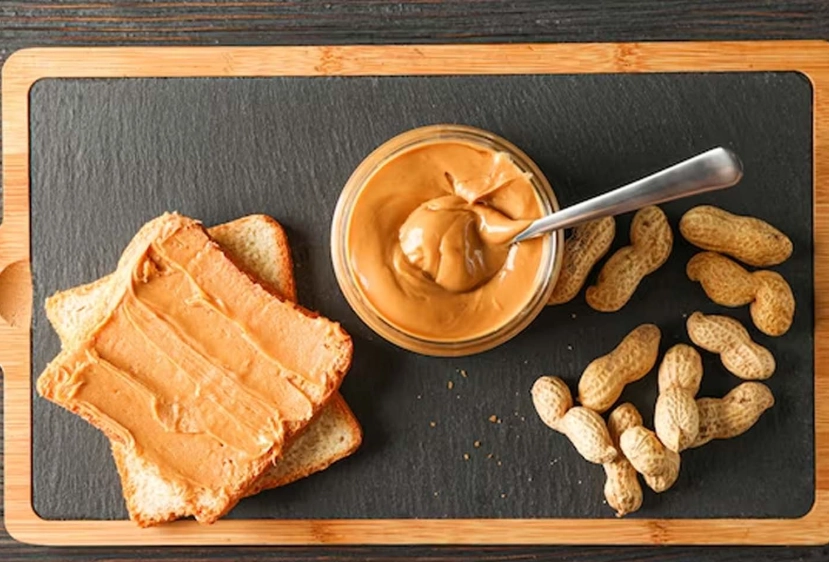
Natural Peanut Butter: The Low-Carb Champion
Natural peanut butter, made with just peanuts and maybe a pinch of salt, is your best bet for low carbs. A two-tablespoon serving typically contains:
- Total carbohydrates: 5-7 grams
- Dietary fiber: 2-3 grams
- Sugars: 1-2 grams (all natural)
This means net carbs can be as low as 3-4 grams. Brands like Smucker's Natural or Teddie's are good examples. The oil separation might annoy some, but it's a small price for fewer carbs.
Processed Peanut Butter: Watch Out for Added Sugars
Processed peanut butter, like Jif or Skippy, often includes added sugars, hydrogenated oils, and stabilizers. This bumps up the carb content. For a two-tablespoon serving:
- Total carbohydrates: 7-9 grams
- Dietary fiber: 2 grams
- Sugars: 3-4 grams (with added sugars)
Net carbs hover around 5-7 grams. The extra sugars can add up quickly if you're not careful. I avoid these for daily use—they taste great, but they're carb traps.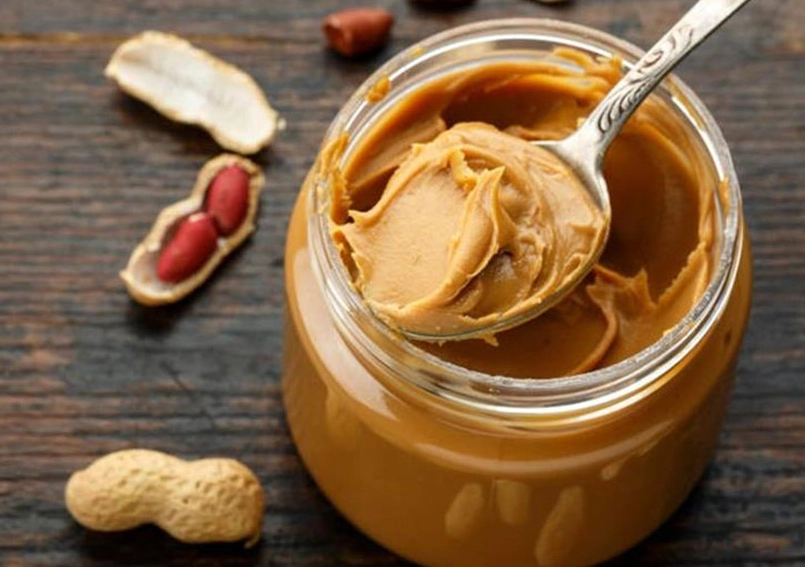
Pro tip: Always check the nutrition label. Look for "added sugars" in the ingredients list. If it says sugar, corn syrup, or molasses, expect higher carbs.
Reduced-Fat and Flavored Varieties
Reduced-fat peanut butter often has more carbs because manufacturers replace fat with sugars or starches. Flavored ones like chocolate or honey peanut butter can have 10+ grams of carbs per serving. It's a trade-off that rarely pays off for carb-counters.
Here's a quick comparison table based on common brands (data per 2 tbsp serving, sourced from product labels and USDA):
| Peanut Butter Type | Total Carbs (g) | Fiber (g) | Sugars (g) | Net Carbs (g) |
|---|---|---|---|---|
| Natural (e.g., Smucker's) | 6 | 3 | 1 | 3 |
| Processed (e.g., Jif Creamy) | 8 | 2 | 3 | 6 |
| Reduced-Fat (e.g., Skippy) | 9 | 2 | 4 | 7 |
| No-Sugar-Added (e.g., Crazy Richard's) | 5 | 3 | 1 | 2 |
How to Calculate Net Carbs in Peanut Butter
Net carbs are total carbohydrates minus fiber and sometimes sugar alcohols. For peanut butter, it's simple: subtract the fiber from total carbs. This gives you the carbs that impact blood sugar.
Example: If a serving has 8 grams total carbs and 3 grams fiber, net carbs are 5 grams. This is crucial for keto dieters who aim for under 20-50 grams of net carbs daily. I've seen people mess this up by ignoring fiber, thinking all carbs are bad. Fiber is your friend—it slows digestion and keeps you full.
Peanut Butter in Keto and Low-Carb Diets
Is peanut butter keto-friendly? Yes, but with caveats. Natural peanut butter with low net carbs fits well. Processed versions might kick you out of ketosis if you overindulge.
Tips for Incorporating Peanut Butter into a Low-Carb Diet
Stick to one to two tablespoons per day. Measure it—eyeballing leads to extra carbs. Pair it with high-fiber foods like celery or low-carb bread. I use it in smoothies or as a dip for apple slices (in moderation). Avoid peanut butter with added sugars; they spike insulin and hinder fat burning.
A common mistake: assuming "organic" means low-carb. Some organic brands still add sugar. Always read labels.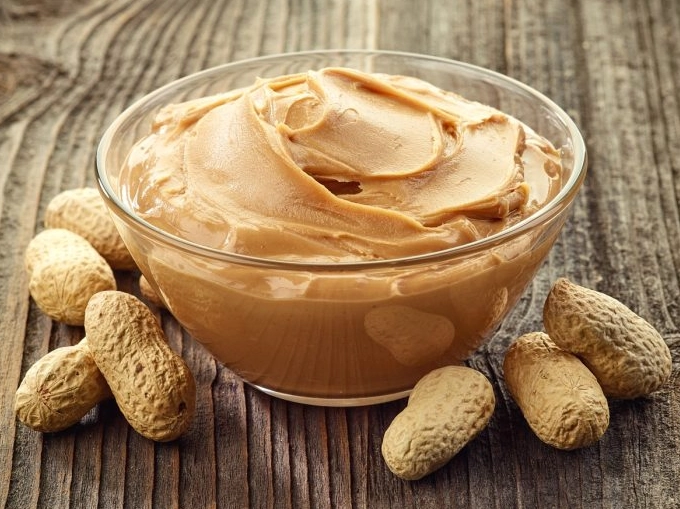
Common Misconceptions About Carbs in Peanut Butter
Many think all peanut butter is high in carbs. Not true. Natural varieties are relatively low. Another myth: fat-free is better. In reality, reduced-fat options often have more carbs. From my experience, people focus too much on total carbs and ignore net carbs, missing out on a nutritious food.
Also, portion size matters. A heaping spoonful can double the carb intake. I've done that—it adds up fast.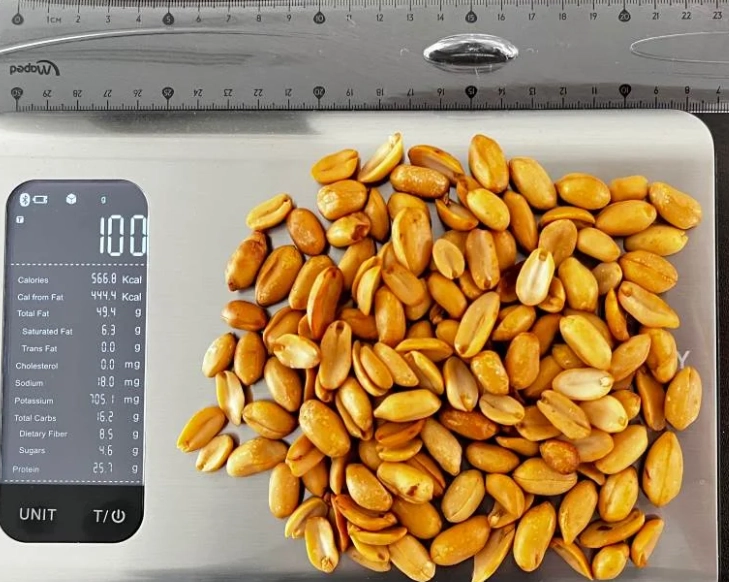
FAQs About Carbs in Peanut Butter
To wrap up, understanding how many carbs are in peanut butter boils down to reading labels and choosing wisely. Natural peanut butter is a carb-smart choice, while processed versions can sneak in extra sugars. Whether you're on keto or just watching your intake, a little knowledge goes a long way. Start with a tablespoon of natural stuff and see how it fits your diet. It's worked for me, and it can for you too.
Reader Comments