Let's talk about non fat peanut butter. You've probably seen it on the shelf, tucked between the all-natural jars and the sugary spreads. Maybe you picked it up, glanced at the nutrition label showing dramatically lower calories and zero fat, and wondered—is this too good to be true? As someone who's cycled through every peanut butter variety for over a decade, from bodybuilding phases to just wanting a healthier pantry, I can tell you the answer isn't a simple yes or no. Non fat peanut butter is a specific tool for a specific job. It can be a fantastic option, but only if you know what you're getting into and, crucially, how to use it.
What's Inside This Guide?
What Exactly Is Non Fat Peanut Butter?
First, a clarification. "Non fat" or "fat free" peanut butter is a bit of a technicality. Peanuts are, by nature, about 50% fat. To create a non fat product, manufacturers mechanically press the peanuts to remove most of the natural oils. What's left is a dry peanut flour or paste. On its own, this would be nearly inedible—chalky, dry, and lacking the creamy mouthfeel we love. So, they add things back in. This is where the magic (and the potential pitfalls) happen.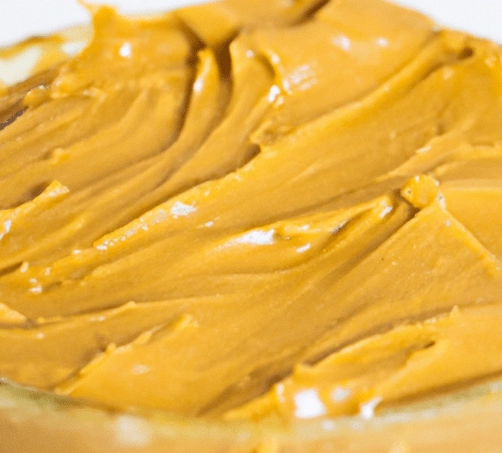
The goal is to rebuild a spreadable texture without the fat. Common additives include:
Sweeteners: Corn syrup, sugar, or artificial sweeteners to compensate for lost flavor.
Starches & Gums: Maltodextrin, tapioca starch, or xanthan gum to provide thickness and prevent separation (since there's no oil to separate).
Protein Powders: Sometimes whey or soy protein isolate is added to boost the protein content, making it appealing to fitness crowds.
The result is a product that legally contains less than 0.5g of fat per serving, hence the "fat free" label, but its nutritional profile is fundamentally different from a jar of smashed peanuts.
Key Takeaway: Non fat peanut butter isn't just de-oiled peanuts. It's a reformulated food product. Understanding this reformulation is the first step to using it intelligently.
The Real Benefits and Hidden Drawbacks
Let's break down the pros and cons with clear eyes. This isn't about good vs. bad; it's about matching the product to your goal.
The Clear Advantages
Calorie Control: This is the big one. Removing the fat slashes the calories by more than half. A standard 2-tablespoon serving of regular peanut butter hovers around 190 calories and 16g of fat. The non fat version can drop to 70-90 calories with 0g fat. For someone strictly tracking calories for weight loss, that's a significant saving.
High Protein Density: With the fat removed, the protein percentage by weight shoots up. You're getting more protein per calorie, which is great for satiety and muscle support post-workout.
No Oil Separation: You'll never need to stir it. That's a small but genuine convenience.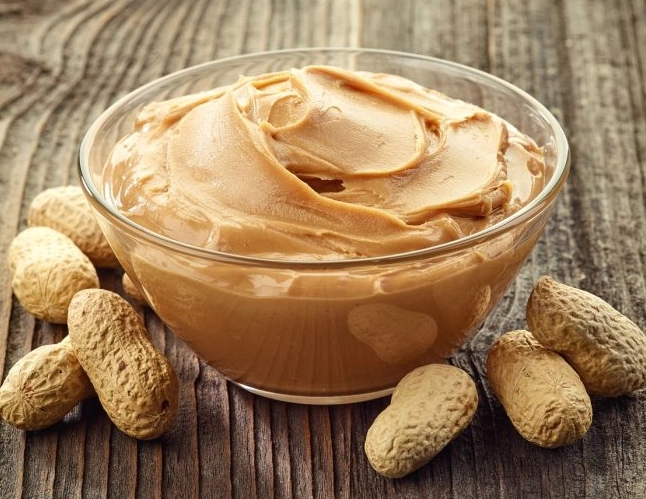
The Trade-Offs You Need to Know
Texture and Taste Can Be Off: Many brands have a distinct, slightly gritty or pasty texture. The flavor is often less robust and "roasty" than traditional peanut butter. Some taste overly sweet or artificial.
Ingredient List Lengthens: You're trading a one-ingredient food (peanuts) for a list of 5-10 ingredients. If you prioritize whole, minimally processed foods, this is a step in the opposite direction.
The Satiety Factor Changes: Healthy fats are incredibly satiating. While the protein in non fat PB helps, some people find it doesn't keep them full as long as the full-fat version. You might be tempted to eat more.
Potential for Blood Sugar Spikes: To improve taste, some brands add significant amounts of sugar or high-glycemic sweeteners like maltodextrin. This can cause a quicker rise in blood sugar compared to natural peanut butter.
| Aspect | Natural Peanut Butter | Non Fat Peanut Butter |
|---|---|---|
| Primary Ingredients | Peanuts (maybe salt) | Peanut flour, sweeteners, starches, gums |
| Calories (per 2 tbsp) | ~190 | ~80 |
| Fat | ~16g (mostly healthy monounsaturated) | 0g |
| Protein | ~7g | ~8-12g |
| Texture | Oil separates, needs stirring, creamy or crunchy | Consistently thick, no stirring, can be pasty |
| Best For | General nutrition, satiety, whole-food diets | Strict calorie/ fat budgets, high-protein focus |
How to Choose a Good Non Fat Peanut Butter
Not all non fat peanut butters are created equal. Here’s my field-tested method for picking a decent one, based on spending too much money on disappointing jars.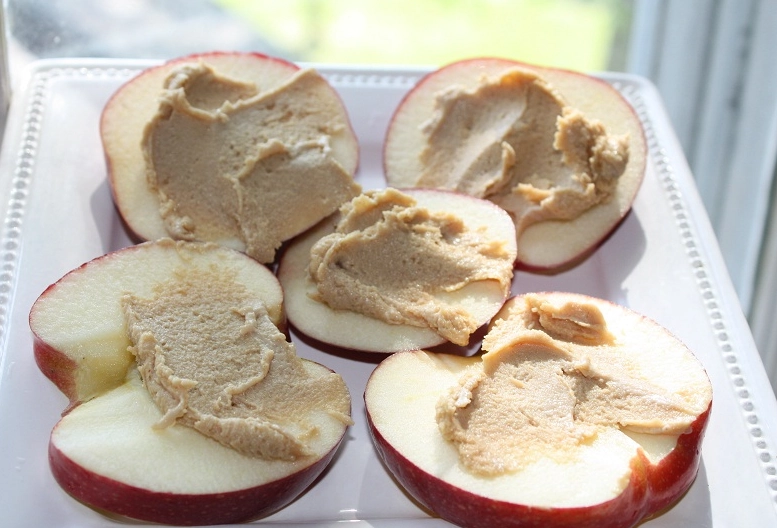
1. Scan the Sugar Content First. This is the most important filter. Aim for brands with less than 4g of sugar per serving. Some sneak in 8-10g, which defeats the purpose for many. Look for sweeteners you're comfortable with—some use a touch of sugar, others use monk fruit or stevia.
2. Check the Protein-to-Calorie Ratio. Since high protein is a key benefit, do a quick mental check. If a serving is 80 calories and has 8g of protein, that's a solid 10% of calories from protein right off the bat (protein has 4 cal/g). Good. If it's 90 calories with 5g of protein, it's less impressive and likely filled with more fillers.
3. Look for a Short(ish) Ingredient List. The ideal list reads: Peanut flour, [sweetener], salt, maybe a natural thickener like xanthan gum. Be wary of long lists with multiple starches, artificial flavors, and preservatives.
4. Consider the Purpose. Are you eating it straight from the spoon? Texture matters more. Look for reviews mentioning "creamy" or "not chalky." Are you mainly blending it into protein shakes or oatmeal? Texture is less critical, and you can prioritize macros.
One brand I reluctantly came to appreciate is PB2 Powdered Peanut Butter. You reconstitute it with water. It’s not perfect straight up, but in a smoothie or mixed into Greek yogurt, it’s a calorie-saving powerhouse. Another, like BetterBody Foods PBfit, follows a similar model. For a pre-made spread, I’ve found brands like Jif Power-Ups to be passable in a pinch, though sweeter.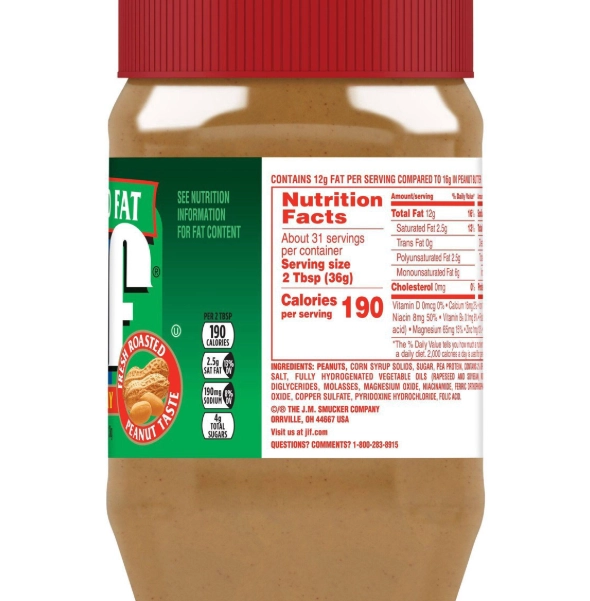
Using It Right: Snacks and Recipes That Actually Taste Good
This is where most guides fail. They tell you to just swap it in. Bad idea. Non fat peanut butter behaves differently. Use it where its strengths shine and its weaknesses are hidden.
Blended Applications Are King:
Protein Smoothies: This is the #1 best use. Add a scoop of peanut flour or the pre-made spread to chocolate or banana protein shakes. The blender masks any texture issues, and it adds a serious protein boost. My go-to: 1 scoop chocolate protein, 1 frozen banana, 2 tbsp non fat peanut butter, almond milk, ice.
Oatmeal or Yogurt Mix-In: Stir it into hot oatmeal or plain Greek yogurt. The heat and moisture integrate it perfectly, creating a rich, peanutty flavor without the fat globules.
Baking with a Caveat: You can use it in baking, but remember it lacks fat. Fat provides moisture and tenderness. If you're substituting it 1:1 for regular peanut butter in cookies, you'll likely get a drier, cakier result. It works better in recipes already designed for lower fat, or where other moisture sources exist (like bananas in muffins).
The "Almost-As-Good" Snack Hack:
If you want to eat it like regular PB, don't just spread it on dry toast. Try this: Spread a thick layer on a rice cake or apple slice. Then drizzle it with just a tiny bit of real honey or a sprinkle of sea salt. The added moisture and flavor punch from the topping completely transform the experience, making it satisfying without needing the full-fat version.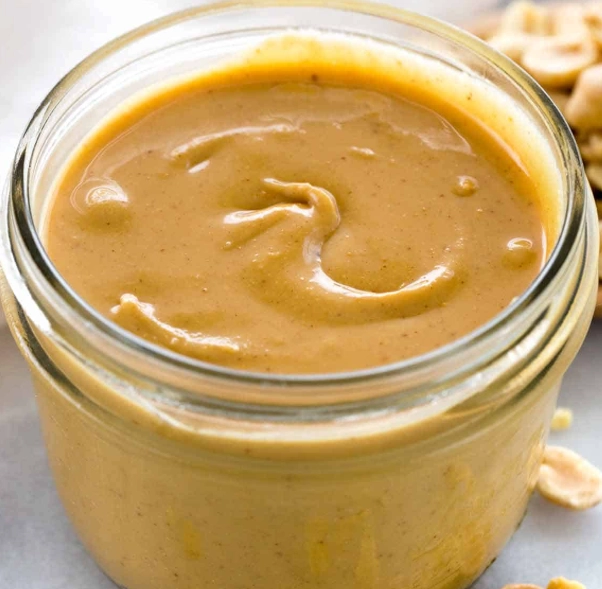
Common Mistakes People Make (And How to Avoid Them)
I've made these myself. Learn from my errors.
Mistake 1: Treating it as a 1:1 substitute in all situations. As discussed, it will fail in some applications. Use it strategically.
Mistake 2: Overeating because it's "low calorie." This is a psychological trap. Just because the serving is 80 calories doesn't mean eating four servings is harmless. It's still food. Measure your servings, especially with the powdered kind which is deceptively easy to over-scoop.
Mistake 3: Assuming it's inherently healthier. "Non fat" does not automatically equal "healthy." A non fat peanut butter loaded with sugar and maltodextrin is arguably a worse everyday choice than a natural peanut butter with just peanuts and salt. Judge by the whole nutritional panel, not just the fat line.
Mistake 4: Not storing powdered versions properly. Peanut flour can clump hard if it gets humid. Keep it sealed tight in a cool, dry place. A silica gel packet in the jar isn't overkill.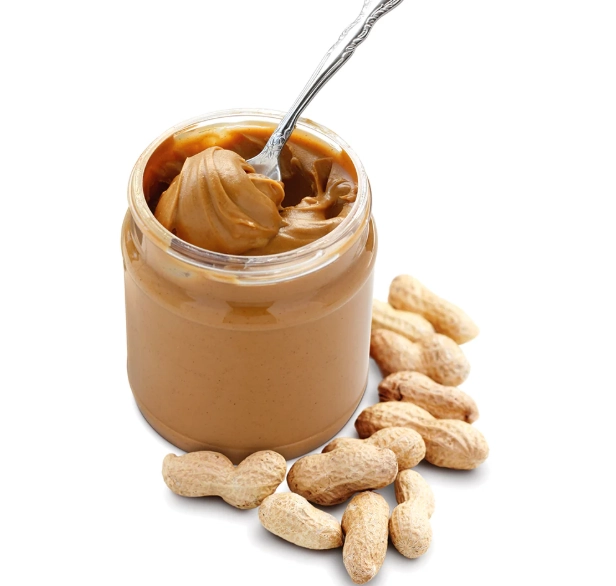
Your Questions, Answered
So, where does that leave us? Non fat peanut butter is a niche player, not an everyday staple for everyone. It’s for the calorie-counter who needs a peanut fix, the fitness enthusiast loading protein into a post-workout shake, or someone following a specific low-fat diet plan. If your goal is general health and you enjoy the satiety of fats, a good natural peanut butter is probably a better fit. But if your goals align with its strengths, and you learn how to use it well—primarily as a mix-in, not a stand-alone spread—it can be a valuable tool in your kitchen. Just read those labels, manage your expectations on taste, and never forget that the fat in peanuts isn't the enemy for most people. It's about choosing the right tool for your personal nutrition blueprint.
Reader Comments