Your Peanut Butter Breakdown
- Where Do All Those Calories in Peanut Butter Actually Come From?
- Peanut Butter Showdown: A Detailed Calorie and Nutrition Comparison
- How to Actually Manage Peanut Butter Calories in Your Diet
- Answering Your Burning Questions About Peanut Butter and Calories
- The Final Scoop: Making Peace with Peanut Butter
Let's be honest. You're probably here because you love peanut butter, but you're staring at the nutrition label wondering if that delicious spoonful is secretly ruining your diet. I've been there too. Standing in the pantry, jar in one hand, spoon in the other, having a full-blown internal debate about calories from peanut butter. Is it a healthy protein source or a calorie bomb in disguise?
The answer, like most things in nutrition, isn't black and white. It's a delicious shade of brown somewhere in between.
This isn't going to be one of those dry, technical articles that just throws numbers at you. We're going to dig into what those calories in peanut butter actually mean, where they come from, and most importantly, how you can keep enjoying peanut butter without the guilt. Because life's too short for bad peanut butter—or unnecessary food anxiety.
The Quick Answer You're Looking For
Most standard peanut butter contains about 90 to 100 calories per tablespoon. But that's just the start of the story. The type of peanut butter (natural, regular, powdered), the brand, and what's added to it can make that number swing by 30% or more. The calories from peanut butter primarily come from its fat and protein content, with a smaller portion from carbohydrates.
Where Do All Those Calories in Peanut Butter Actually Come From?
This is where it gets interesting. You can't just look at the total number and panic. You need to understand the makeup. Think of calories as a budget. It matters whether you're spending it on high-quality investments or junk.
The vast majority of calories from peanut butter—roughly 70-75%—come from fat. Before you run for the hills, hear me out. This is mostly monounsaturated and polyunsaturated fat, the kind that's actually good for your heart. The American Heart Association notes that replacing saturated fats with these healthier unsaturated fats can help improve blood cholesterol levels. It's the same type of beneficial fat found in olive oil and avocados.
Another 15-20% of the calories in peanut butter comes from protein. That's a decent chunk, making it a favorite among athletes and anyone trying to feel fuller longer. The remaining 5-15% or so comes from carbohydrates, which includes a bit of fiber and natural sugars.
So when you tally up the calories from peanut butter, you're getting a package deal: energy from fats that support cell function and vitamin absorption, protein for muscle repair, and a touch of carbs for quick fuel. It's a nutrient-dense food, meaning it packs a lot of nutrition into those calories.
I used to buy the "low-fat" peanut butter versions thinking I was being smart. Big mistake. They usually replace the fat with extra sugar or weird fillers to make up for the lost texture and taste. You end up with a product that might have slightly fewer calories from peanut butter fat, but now has more from added sugars. It tasted worse, left me less satisfied, and the ingredient list was a chemistry experiment. I switched back to the good stuff and just paid more attention to my portion size.
Peanut Butter Showdown: A Detailed Calorie and Nutrition Comparison
Not all peanut butters are created equal. The difference between a tablespoon of a natural brand and a big-name commercial one can be more than just taste. Let's break it down visually, because sometimes a table just makes it click.
| Type of Peanut Butter | Calories per Tbsp | Fat (g) | Protein (g) | Carbs (g) | Key Things to Know |
|---|---|---|---|---|---|
| Natural, Just Peanuts & Salt | ~95-100 | 8 | 4 | 3 | Oil separates on top. Purest form. Best for calories from peanut butter without extras. |
| Commercial Regular (e.g., Skippy, Jif) | ~95-100 | 8 | 3-4 | 4-5 | Contains added sugars, hydrogenated oils for stability. Creamier texture. |
| "Reduced Fat" or "Low-Fat" | ~80-90 | 4-5 | 4 | 6-8 | Fat is replaced, often with more sugar or maltodextrin. Watch the carbs. |
| Powdered Peanut Butter (e.g., PB2) | ~45-60 (reconstituted) | 1-2 | 5-6 | 4-5 | Fat is pressed out. Much lower in calories from peanut butter fat. Great for mixing into shakes. |
| No-Sugar-Added Varieties | ~90-100 | 8 | 4 | 2-3 | Uses sugar alcohols or artificial sweeteners. Check your tolerance. |
See what I mean? The calories per tablespoon of peanut butter can be similar across the board, but the nutritional profile telling you where those calories come from is wildly different. The U.S. Department of Agriculture's FoodData Central is the gold standard for this kind of data, and it confirms these ranges. A natural peanut butter's label will almost mirror their entry for "Peanut butter, without salt," while a commercial one will align more with "Peanut butter, chunk style, with salt."
The big takeaway? If you're counting calories from peanut butter, you need to read the ingredient list as much as the nutrition facts panel. Peanuts should be the first—and ideally only—ingredient in your ideal jar.
Why Natural Peanut Butter Often Wins (Despite the Mess)
Yeah, you have to stir it. The oil can make a mess. Sometimes it gets hard at the bottom of the jar. I get the annoyance. But here's the thing: when you look at the calories from peanut butter in a natural brand, you know exactly what you're paying for. You're getting calories from the peanuts themselves—their natural oils, their protein. There's no hidden cost from palm oil, extra sugar, or emulsifiers.
That transparency matters. It means the fats are the heart-healthy ones you want, not the partially hydrogenated trans fats (now largely phased out, but still watch for "hydrogenated oils") that mess with your cholesterol. Harvard T.H. Chan School of Public Health consistently highlights the benefits of unsaturated plant-based fats like those in nuts and seeds over saturated and trans fats.
How to Actually Manage Peanut Butter Calories in Your Diet
Okay, so we know the numbers. Now what? How do you stop overdoing it? This is the practical part most articles gloss over.
First, abandon the spoon-in-the-jar method. I'm guilty of this too. It's a bottomless pit. One "tablespoon" easily becomes three when you're just digging in. The single most effective tool for managing calories from peanut butter is a measuring spoon. Do it for a week. You'll be shocked at what a real tablespoon looks like versus your estimate. It's smaller than you think, but also more satisfying than you'd guess when you eat it mindfully.
Pro Tip: After measuring, smear your portion thinly over something with texture, like apple slices or crunchy celery. This spreads the flavor and creates more chewing, which tricks your brain into feeling like you've eaten more than you have. The calories from peanut butter on a whole apple might be 100, but it feels like a complete, substantial snack.
Second, pair it strategically. Peanut butter's magic is in its combo of fat, protein, and fiber. This trio slows digestion and keeps blood sugar steady. So instead of just eating it, use it to upgrade other foods.
- Blend it into a smoothie: A half-tablespoon can add creaminess and staying power without dominating the calories in peanut butter count for the whole drink.
- Drizzle (a measured amount) on oatmeal: This transforms a carb-heavy breakfast into a balanced meal that lasts for hours.
- Use it as a dip for fruit or veggies: This adds protein and fat to a snack that might otherwise be just carbs.
The goal isn't to fear the calories from peanut butter. It's to make them work for you by combining them with other nutrient groups.
What About Powdered Peanut Butter?
Powdered peanut butter, like PB2, is a fascinating case. They literally press out most of the oil (where the majority of calories from peanut butter live), leaving a powder high in protein. Reconstituted, it has about half the calories.
Is it a miracle? Well, sort of. It's fantastic for specific uses: mixing into yogurt, baking, or adding peanut flavor to sauces without the fat and calories of traditional peanut butter. But let's be real—it doesn't satisfy that creamy, rich peanut butter craving in the same way. It's a useful tool in your pantry, not a full replacement. Think of it as a different ingredient altogether.
Watch Out For: "Healthy" Peanut Butter Clones. The market is flooded with spreads made from other nuts or seeds (almond butter, sunflower seed butter). They're fine, but don't assume they're automatically lower in calories. Almond butter, for instance, is nearly identical in calories per tablespoon to peanut butter. You're swapping for allergen reasons or taste preference, not a major calorie save.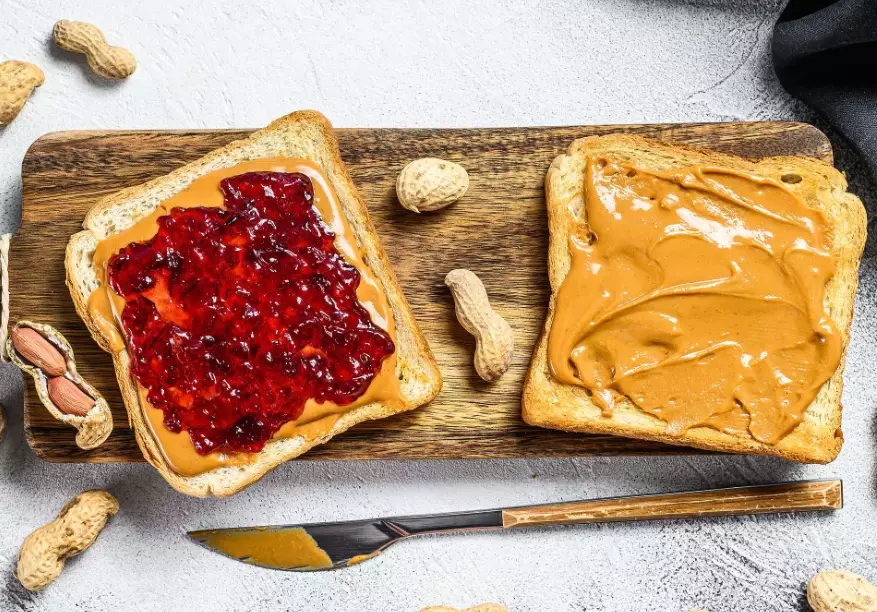
Answering Your Burning Questions About Peanut Butter and Calories
I've gotten so many questions from friends and readers about this. Let's tackle the big ones head-on.
It can be an excellent part of a weight loss diet because it's satiating. The fat, protein, and fiber help control hunger. The problem is volume. It's very easy to consume several hundred calories from peanut butter in minutes without feeling like you've eaten much. So, it's a tool, not a free pass. Used in controlled portions as part of a balanced diet, it can help. Mindlessly eaten, it can definitely contribute to weight gain.
There's no one number. It depends on your total daily calorie needs, your activity level, and what else you're eating. For most people, sticking to 1-2 measured tablespoons per day is a reasonable guideline that lets you enjoy the benefits without overdoing the calories in peanut butter. A study published in the Journal of the American Medical Association Internal Medicine found that higher nut consumption was associated with lower mortality, but moderation within an overall healthy diet is key.
Not necessarily. A small portion (like a teaspoon on a cracker) might even help with sleep due to its tryptophan content. The issue, again, is accidentally eating too much. Late-night eating can sometimes be less mindful. As long as it fits into your daily calorie goals, a small amount before bed isn't a problem.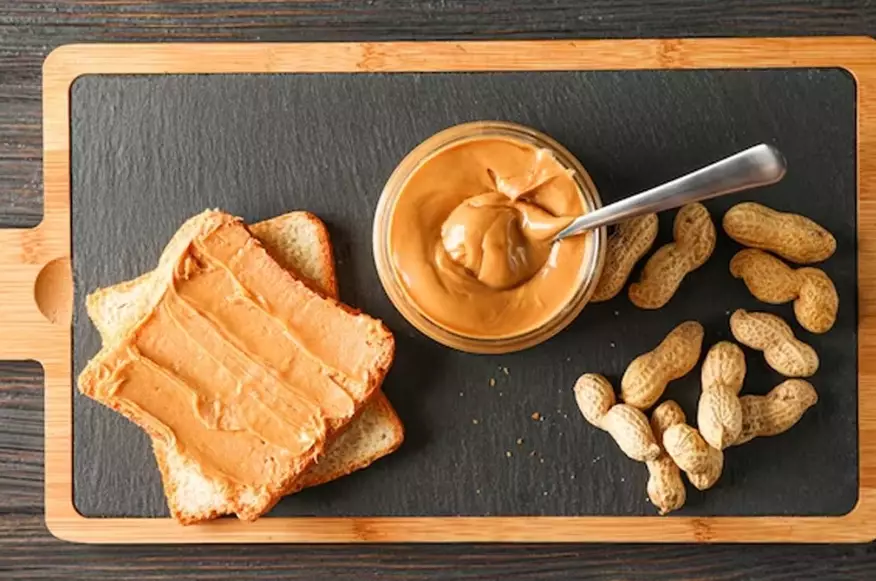
They are virtually neck-and-neck. Both hover right around 100 calories per tablespoon. The difference is minimal and not a reason to choose one over the other. The nutritional profiles are slightly different (almond butter has a bit more vitamin E and calcium, peanut butter has a bit more protein), but the calories from peanut butter vs. almond butter are a tie.
The Final Scoop: Making Peace with Peanut Butter
Look, peanut butter is a phenomenal food. It's affordable, shelf-stable, packed with nutrients, and yes, delicious. The calories from peanut butter are not your enemy. They are dense, nutrient-rich calories that can fuel your body and keep you full.
The enemy is the lack of awareness. The unmeasured scoops. The assumption that "healthy" means "unlimited."
Buy a natural peanut butter you love. Get out your measuring spoons. Enjoy a real tablespoon on your morning toast or afternoon apple. Savor it. Feel good about the healthy fats, the plant-based protein, the magnesium, the vitamin E.
Stop worrying about the calories in peanut butter as an isolated number. Start thinking about how those calories serve you as part of your whole day's eating. That shift in perspective—from fear to strategy—is how you make any food, even a calorie-dense one like peanut butter, work for your health and your taste buds.
Now, if you'll excuse me, I'm going to go have a measured tablespoon of the crunchy kind. Because life's better with peanut butter in it.
Reader Comments