Let's cut to the chase. A standard two-tablespoon (32g) serving of classic creamy peanut butter clocks in at about 190 to 210 calories. But if you stop there, you're missing the whole story. I've been navigating the world of fitness and nutrition for over a decade, and I've seen more people get peanut butter wrong than almost any other food. They either fear it completely, banishing it as a "diet breaker," or they drown their apple slices in it, thinking "it's healthy, so more is better." Both approaches miss the point. Understanding creamy peanut butter calories isn't about memorizing a number; it's about unlocking a powerful, convenient source of nutrition that can actually support your health goals.
What's Inside This Jar?
What Exactly Are We Talking About?
When we say "creamy peanut butter," we're usually referring to the smooth, spreadable kind made from roasted peanuts. The base ingredients are simple: peanuts, maybe a bit of salt. Sometimes oil (like palm or hydrogenated vegetable oil) is added to prevent separation and keep that perfectly creamy texture. And sometimes sugar is added for sweetness.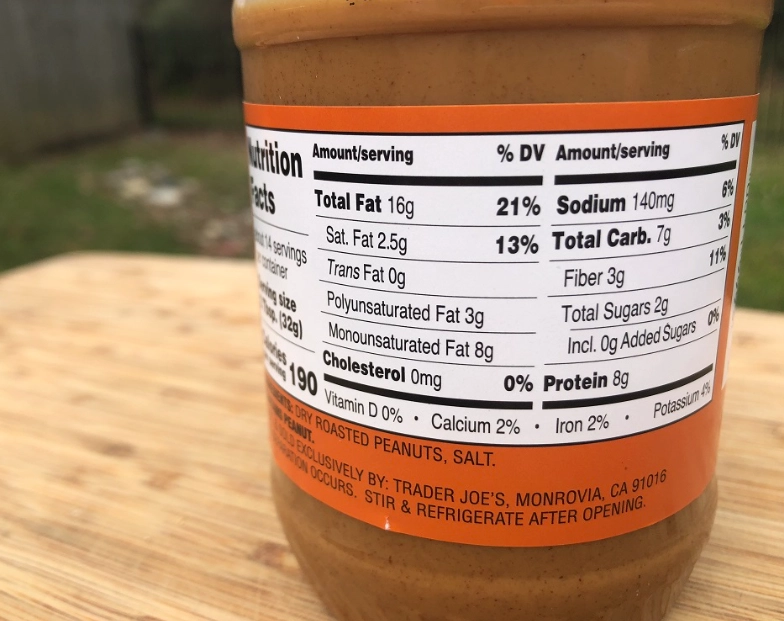
Here's the first subtle mistake most people make: they don't distinguish between natural and conventional creamy peanut butter. Natural versions, where the oil separates and you have to stir it, typically have just peanuts and salt. Conventional "no-stir" brands often include stabilizers and sugars. This small difference has a big impact on what you're actually eating.
The Calorie & Nutrition Breakdown: It's Not Just Fat
Focusing solely on creamy peanut butter calories is like judging a book by its cover. The composition of those calories is what makes peanut butter special. Let's look at that standard 2-tbsp serving of a typical natural creamy peanut butter.
The Big Picture: Roughly 70-75% of the calories come from fat (mostly the heart-healthy monounsaturated and polyunsaturated kinds), about 15-20% from protein, and the remaining 5-10% from carbohydrates (mostly fiber and a small amount of natural sugars).
This macro profile is why peanut butter is so satiating. The combination of healthy fats, protein, and fiber digests slowly, keeping you full for hours. Compare that to a 200-calorie bag of pretzels (mostly refined carbs) that leaves you hungry again in 45 minutes.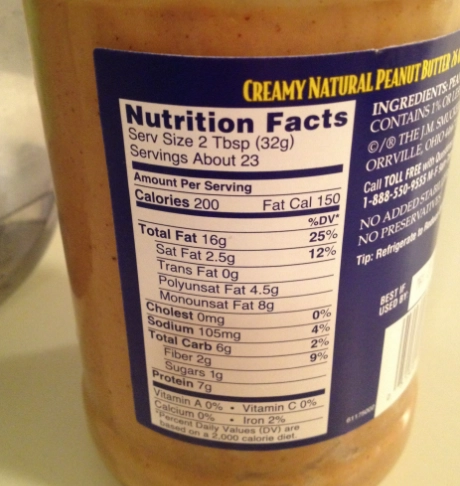
The U.S. Department of Agriculture's FoodData Central is the gold standard for this kind of nutritional data, and their figures for peanut butter are what most other sources derive from.
Why the Brand You Choose Matters (A Lot)
This is where things get practical. The calorie and nutrition label on the back of the jar is your most important tool. Let's compare a few popular options. You'll see the calories are similar, but the ingredient lists tell a different story.
| Brand & Type | Calories (2 tbsp) | Key Ingredients | The Expert Take |
|---|---|---|---|
| Natural, Stir-Preferred (e.g., Smucker's Natural) | ~200 | Peanuts, Salt | The gold standard. Pure, simple. You control the stirring. Calories are from peanuts alone. |
| "No-Stir" Natural (e.g., Justin's Classic) | ~190 | Dry Roasted Peanuts, Palm Oil | Palm oil is added to stabilize. It's still a good choice, but you're adding a saturated fat that wasn't originally in the peanuts. |
| Conventional Creamy (e.g., Jif Creamy) | ~190 | Roasted Peanuts, Sugar, Hydrogenated Vegetable Oils, Salt | Here's the trap. Added sugars and trans fats (from hydrogenation) sneak in. The calories might look the same, but the health impact is not. |
| Powdered Peanut Butter (e.g., PB2) | ~60 | Roasted Peanuts, Sugar, Salt | Fat is removed, so calories plummet. Great for certain recipes, but you lose the satiating fat and some nutrients. It's a different food entirely. |
My personal rule? If the ingredient list has anything beyond peanuts and salt, I put the jar back. That added sugar, even if it's just 2-3 grams per serving, trains your palate to expect sweetness and can lead to overconsumption without you even realizing it.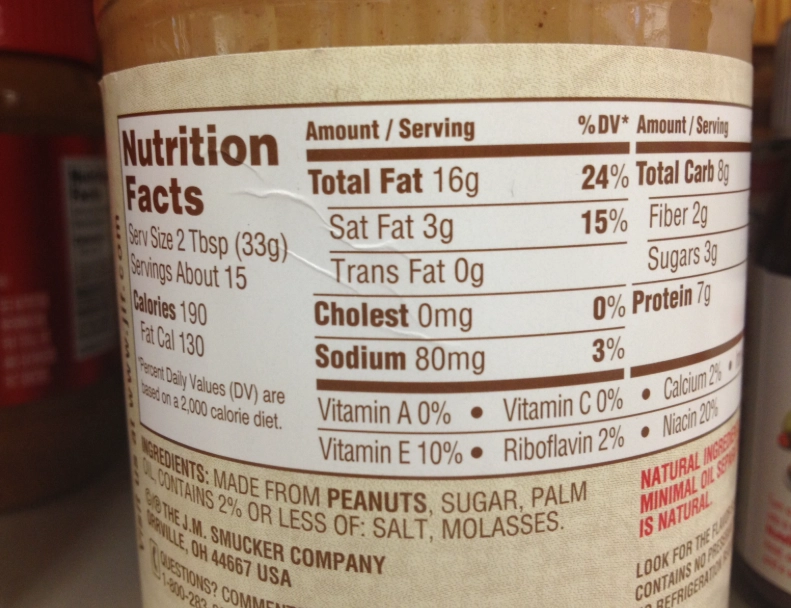
How to Enjoy Creamy Peanut Butter Without Guilt
Knowing the creamy peanut butter calories is step one. Step two is learning how to use it. Portion control is non-negotiable. I can't tell you how many clients I've had who "just have a spoonful" that turns out to be four tablespoons.
Master the Portion
Get a measuring spoon. Do it for a week until you can visually recognize what a true tablespoon looks like. A standard serving is two level tablespoons. That's enough to generously coat a slice of toast or accompany a medium apple.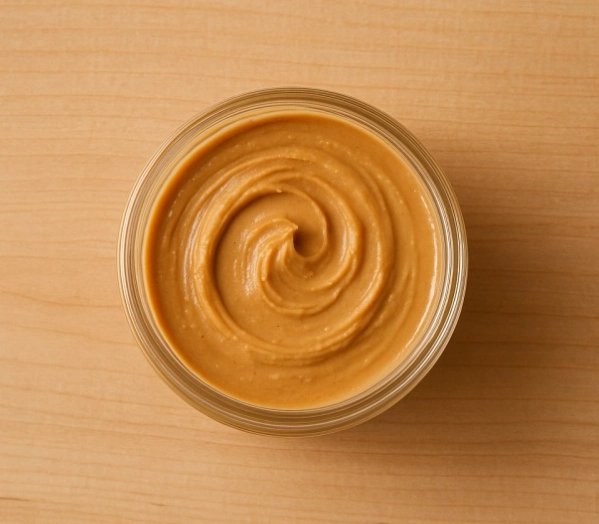
Smart Pairings, Not Sabotage
What you pair peanut butter with determines its overall impact.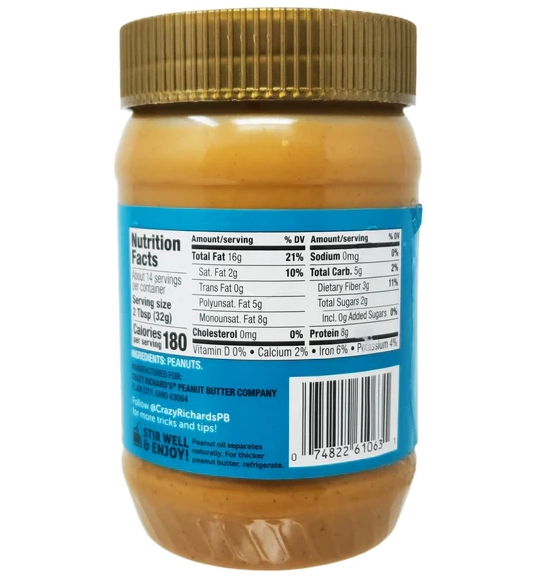
- Great Pairings: Sliced apples, celery sticks, whole-grain toast, oatmeal, banana, blended into a smoothie with spinach and protein powder. These combos balance the fat and protein with fiber and complex carbs.
- Common Sabotage: Slathering it on white bread with jelly (sugar on sugar), eating it straight from the jar with a spoon (easy to overdo), or using it in massive quantities in rich desserts.
Here's a scenario: You're making a post-workout smoothie. You could add a sugary protein powder. Or, you could use unsweetened protein powder, a handful of frozen berries, some spinach, unsweetened almond milk, and one measured tablespoon of natural creamy peanut butter. You've added healthy fats, a bit more protein, incredible creaminess, and kept added sugars near zero. That's a win.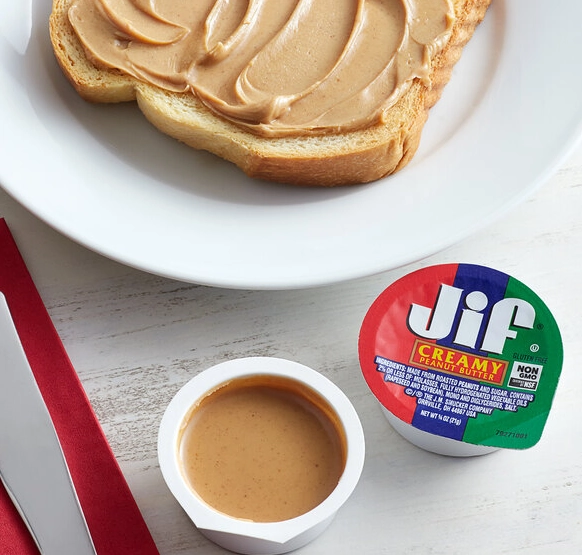
Your Peanut Butter Questions, Answered
So, the final word on creamy peanut butter calories? Respect the number—it's energy-dense. But respect the food more. When you choose a jar with just peanuts and salt, measure your portion, and pair it with whole foods, you're not just consuming calories. You're fueling your body with sustained energy, healthy fats, and protein. It's a kitchen staple for a reason. Just don't let the spoon wander back into the jar after you've had your share. We've all been there.
Reader Comments