Guide Highlights
Let's talk about peanut butter snacks. You know, that jar in your pantry that's more than just a sandwich spread? It's a snack superhero waiting to happen. Whether you're rushing out the door, hitting that 3 PM slump at your desk, or just need something to satisfy a sweet-and-salty craving, peanut butter is your friend. But here's the thing – it's easy to get stuck in a rut. Apple slices and peanut butter are great, but there's a whole world of options out there.
I remember when my idea of a peanut butter snack was just a spoonful straight from the jar (no judgment here, we've all been there). It was tasty, sure, but not exactly balanced or something I wanted to do every day. I started digging around, trying recipes, reading labels at the store, and figuring out what makes a truly satisfying peanut butter snack. Turns out, it's not just about taste. It's about finding that perfect combo of protein, healthy fats, and a bit of carbs to keep you going.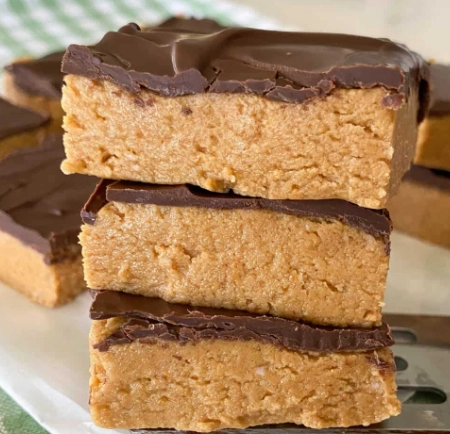
This guide is everything I wish I had found back then. We're going beyond the basics. We'll look at why peanut butter makes such a great snack base, bust some myths, walk through simple recipes you can make in minutes, and even navigate the surprisingly crowded aisle of store-bought peanut butter snacks. Because let's be honest, sometimes you have time to whip something up, and sometimes you just need to grab and go.
Why Peanut Butter is a Snack Powerhouse
Is peanut butter good for you? That's the first question most people have. The short answer is yes, but like most things in nutrition, it depends on the type and how much you eat. The magic of peanut butter for snacking comes down to its makeup.
The Core Benefits: At its best, peanut butter delivers a trio of nutrients that are perfect for curbing hunger. You get a solid dose of plant-based protein, which is great for muscle repair and keeping you full. Then there are the healthy fats – mostly monounsaturated and polyunsaturated fats – which help with nutrient absorption and provide sustained energy. Finally, it has some fiber, especially if you go for the natural kinds with the skin still on the peanuts.
This combination is key. Protein and fat digest slower than simple carbohydrates, which means a peanut butter snack provides a more gradual release of energy. You avoid the sugar spike and crash you might get from a candy bar or a bag of chips. It's the difference between a snack that tides you over for an hour and one that keeps you satisfied until your next meal.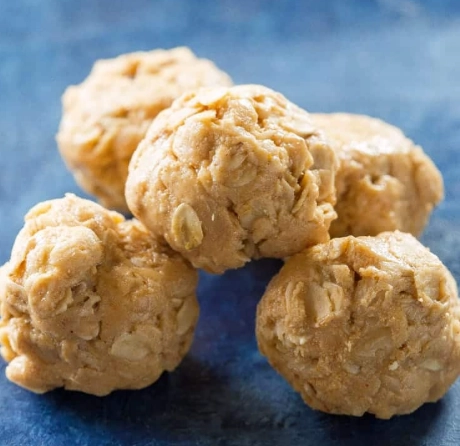
But here's a personal gripe. Not all peanut butter is created equal. The classic supermarket shelf kind often has added sugar, hydrogenated oils (those trans fats we're supposed to avoid), and a lot of salt. It can turn a healthy snack base into a less-than-ideal choice. I made that switch to natural peanut butter years ago – the kind where the ingredients list just says "peanuts" and maybe a pinch of salt – and never looked back. The texture is different, and you have to stir it, but the flavor is so much more... peanutty. It tastes real.
The Nutritional Breakdown: What You're Really Getting
Let's get specific. A standard two-tablespoon serving of natural peanut butter gives you roughly:
- 190 calories: Enough to be substantial but not a meal replacement.
- 16g of fat: Mostly the good, heart-healthy kinds.
- 7g of protein: A significant amount for a plant-based food.
- 3g of fiber: Good for gut health.
- Vitamins & Minerals: Like Vitamin E, magnesium, potassium, and B vitamins.
It's this profile that makes it such a versatile anchor for peanut butter snacks. You're starting with something nutritionally dense. For accurate, detailed nutritional data on various foods, the USDA's FoodData Central is an invaluable resource I often check.
Crafting Your Perfect Homemade Peanut Butter Snacks
This is where the fun begins. Making your own peanut butter snacks lets you control everything – sweetness, texture, ingredients. You can tailor them to be gluten-free, vegan, or kid-friendly. And trust me, none of these require you to be a master chef.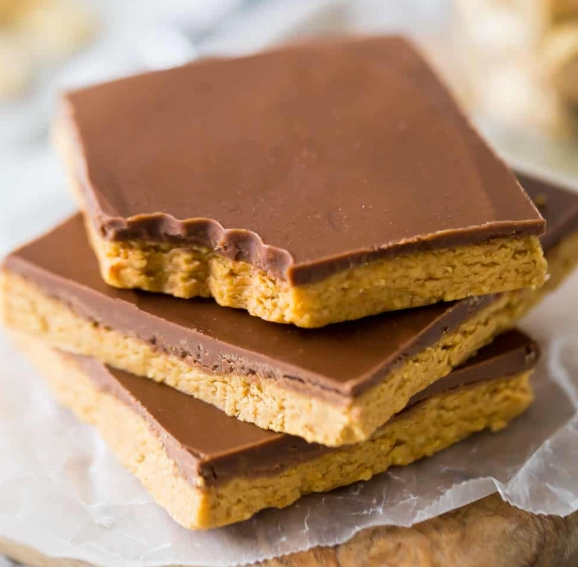
No-Bake Energy Balls: The Classic for a Reason
These are the ultimate lazy gourmet snack. I make a batch almost every Sunday, and they last my family all week. The basic formula is foolproof: 1 cup rolled oats, 1/2 cup peanut butter, 1/3 cup of a sticky sweetener like honey or maple syrup, and 1/2 cup of a mix-in. From there, the world is your oyster.
My top three flavor combos?
- Chocolate Chip Cookie Dough: Add a teaspoon of vanilla extract and a big handful of mini dark chocolate chips.
- Apricot & Ginger: Chop up dried apricots and crystallized ginger. It's sweet, tangy, and has a little kick.
- Double Chocolate: Mix in a tablespoon of cocoa powder and some cacao nibs for crunch.
You just mix everything in a bowl until it comes together, roll into tablespoon-sized balls, and pop them in the fridge for an hour to set. That's it. They're portable, don't make a mess, and are packed with lasting energy. The perfect peanut butter snacks for hiking, long commutes, or the office drawer.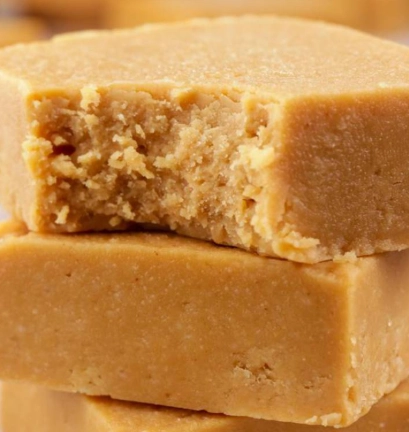
Savory Takes on Peanut Butter Snacks
Peanut butter doesn't always have to be sweet. Its rich, earthy flavor works amazingly well with savory ingredients. This was a game-changer for me.
- Peanut Butter & Veggie Dip: Thin out natural peanut butter with a bit of warm water, lime juice, a dash of soy sauce, and a tiny bit of chili garlic paste. It's an incredible dip for cucumber sticks, bell pepper strips, or carrot chips. Way more interesting than ranch.
- Spiced Peanut Butter on Crackers: Take a quarter cup of peanut butter and mix in a sprinkle of smoked paprika, cumin, and a pinch of cayenne. Spread it on whole-grain crackers or rice cakes. It's sophisticated, satisfying, and takes two minutes.
These savory options are fantastic for when you're tired of the usual sweet profile. They prove that peanut butter snacks can be incredibly versatile.
Pro-Tip for Texture: If you find your homemade snacks are too soft or sticky, don't be afraid to add more dry ingredients. A tablespoon of ground flaxseed or oat flour can soak up excess moisture without changing the flavor much. It's all about adjusting to your preference.
Navigating the Store-Bought Aisle: The Good, The Bad, The Tasty
We don't always have time to make snacks from scratch. The market is flooded with packaged peanut butter snacks, from bars to cookies to stuffed pretzels. How do you choose a good one? It's all about becoming a label detective.
The first thing I look at is the ingredient list. Where is "peanut butter" or "peanuts"? Ideally, it should be the first ingredient. Then I scan for added sugars, which can go by many names: cane sugar, brown rice syrup, molasses, fruit juice concentrate. A little is okay for taste, but it shouldn't dominate the list. Next, I check for hydrogenated oils – a red flag for unhealthy trans fats. Finally, I glance at the protein and fiber content. A good store-bought peanut butter snack should have at least 5 grams of protein and a couple grams of fiber to be worthwhile.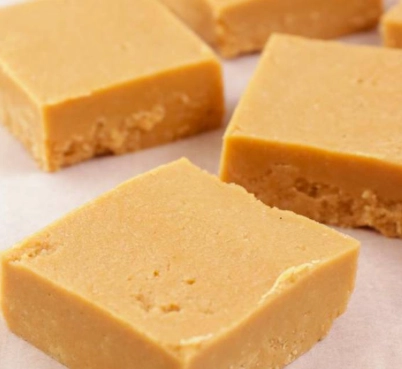
Here’s a quick comparison of some common types of store-bought peanut butter snacks to give you an idea of what you might find:
| Snack Type | What to Look For | Common Pitfalls | My Personal Take |
|---|---|---|---|
| Granola/Protein Bars | Peanuts/Peanut Butter as 1st ingredient, >5g protein, <8g added sugar. | Can be candy bars in disguise with 20g+ of sugar. | Some are great! Others taste like sweetened sawdust. Read carefully. |
| Peanut Butter-Filled Pretzels | Whole grain pretzel, simple filling ingredients. | Often use highly processed peanut flavored paste, not real peanut butter. | A serious weakness of mine. The good brands are addictive in the best way. |
| Peanut Butter Puffs/Crackers | Minimal ingredients, recognizable components. | High in refined carbs and sodium, low in actual peanut content. | Often more cracker than peanut butter. Can leave you wanting more substance. |
| Single-Serve Peanut Butter Cups | Dark chocolate, higher peanut butter percentage. | Excessive sugar, milk chocolate, palm oil. | The classic. Hard to beat for a treat, but a small dose is key. |
One brand I stumbled upon recently uses just dates, peanuts, and a bit of sea salt in their bars. It's genius – the dates provide the sweetness and binding, so no added sugar is needed. It tastes like a peanut butter cookie, but it's just whole foods. That's the gold standard for a convenient peanut butter snack.
Watch Out for "Flavored": Be wary of snacks that say "peanut butter flavored" instead of containing real peanut butter. This often means they use peanut flavoring and other fillers to mimic the taste without the nutritional benefits. Always check the list.
Answering Your Peanut Butter Snack Questions
Over the years, I've gotten a ton of questions from friends and readers about peanut butter snacks. Here are the ones that come up again and again.
Is it okay to eat peanut butter every day as a snack?
For most people, yes, in moderation. A serving (about two tablespoons) as part of a varied diet is generally fine. The key is variety. Don't rely on it as your only snack. Rotate with other protein sources like yogurt, cheese, or hummus. Also, pay attention to your body. Some people are sensitive to legumes or find the calorie density makes weight management tricky.
What are good peanut butter snacks for weight loss?
Portion control is everything. Peanut butter is calorie-dense, so pairing it with low-calorie, high-volume foods is the trick.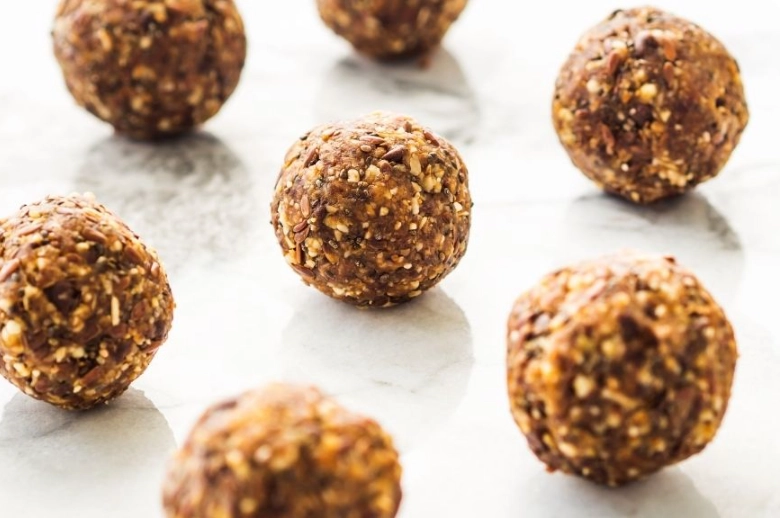
- Celery sticks with a thin smear of peanut butter in the groove.
- A small apple sliced and dipped in a measured tablespoon of peanut butter.
- A single rice cake topped with peanut butter and a few banana slices.
The combination fills you up with fiber and water from the fruit/veggie, and the fat/protein from the peanut butter provides satiety. It stops you from overdoing the peanut butter alone.
My child has a peanut allergy. Are there alternatives for similar snacks?
Absolutely, and this is critically important. For families managing peanut allergies, never assume a "peanut-free" facility isn't necessary if the allergy is severe. Always check labels meticulously. The good news is that other nut and seed butters can create very similar, delicious snacks.
Sunflower seed butter is the closest in texture and flavor profile, in my opinion. It works beautifully in energy balls or as a dip. Almond butter and cashew butter are also excellent, though often pricier. For school-safe options (many schools are nut-free), seed butters are your best bet. The FDA's food allergen information page is a crucial resource for understanding labeling laws and safety.
"The goal of a great snack isn't just to stop hunger. It's to nourish your body and mind between meals, giving you the fuel to keep going without a crash. Peanut butter, done right, is one of the best tools for that job."
How can I make my peanut butter snacks more exciting for kids?
Presentation and involvement go a long way. My nephew went from skeptical to obsessed when we started making "peanut butter snack boards." Think a small plate with:
- A dollop of peanut butter for dipping.
- An assortment of "dippers": pretzel sticks, apple slices, graham cracker sticks, banana coins.
- A few "sprinkles": mini chocolate chips, crushed cereal, rainbow sprinkles for rolling.
Let them build their own bites. It's fun, interactive, and they're more likely to eat it. Also, using cookie cutters on whole-wheat bread to make fun shapes for mini peanut butter sandwiches never gets old.
Putting It All Together: Building a Snack Routine
So, you've got the knowledge, the recipes, and the shopping tips. How do you make peanut butter snacks a seamless part of your life?
It starts with a little prep. When you get home from the grocery store, wash and cut some celery and carrots, portion them into containers, and put a jar of natural peanut butter right next to them in the fridge. Having it ready makes the healthy choice the easy choice. Bake or mix a batch of something on the weekend – those energy balls, or some whole-wheat peanut butter oatmeal muffins (just google a recipe, they're simple). Freeze half so you always have a backup.
Listen to your cravings. If you want something crunchy, go for apple slices or crackers. If you want something creamy and indulgent, a small bowl of Greek yogurt swirled with peanut butter and a drizzle of honey is magic. If you need something ultra-portable, grab a bar you trust or a homemade ball.
The beauty of peanut butter snacks is their flexibility. They can be healthy fuel, a comforting treat, or a quick protein boost. They don't require fancy equipment or hours in the kitchen. With a jar of the good stuff and a few simple partners, you can conquer any hunger emergency that comes your way.
Oh, and one more resource for the health-conscious: if you're diving deep into the heart-healthy aspects of monounsaturated fats found in peanuts, the American Heart Association's healthy eating resources offer science-backed guidance on incorporating these fats into a balanced diet.
Reader Comments