Let's be honest, most peanut butter cookie recipes promise chewy, flavorful results but often deliver something dry, crumbly, or bland. I've baked hundreds of batches over the years, and the difference between a good cookie and a great one comes down to a few simple, often overlooked techniques. This guide isn't just another list of ingredients; it's a deep dive into the classic recipe, how to nail the texture you want (chewy vs. crisp), smart healthy swaps that actually work, and how to fix common problems before they happen.
What You'll Find in This Guide
How to Make Classic Peanut Butter Cookies (The Right Way)
This is my base recipe, refined after a lot of trial and error. It's forgiving but precise. The most common mistake I see? Over-measuring the flour. Spoon your flour into the measuring cup and level it off. Don't scoop directly from the bag—you'll pack in up to 20% more flour, and that's a one-way ticket to dry cookie town.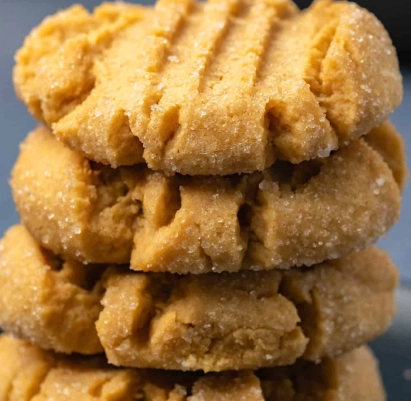
| Ingredient | Quantity | Key Notes |
|---|---|---|
| Unsalted butter | 1/2 cup (1 stick) | Room temperature, soft but not melted. |
| Granulated sugar | 1/2 cup | For spread and crisp edges. |
| Packed brown sugar | 1/2 cup | Dark or light; for moisture and chew. |
| Creamy peanut butter | 1 cup | Use a standard brand like Jif or Skippy for consistency. Natural PB can make cookies oily. |
| Large egg | 1 | Room temperature. |
| All-purpose flour | 1 1/4 cups | Measured correctly (see note above). |
| Baking soda | 3/4 tsp | Not baking powder. |
| Baking powder | 1/2 tsp | Helps with rise. |
| Salt | 1/4 tsp | Crucial for balancing sweetness. |
The Step-by-Step Process (Where Most Go Wrong)
Cream the fats and sugars for a full 2-3 minutes with a mixer. You want it light and fluffy, not just combined. This incorporates air, which helps with texture.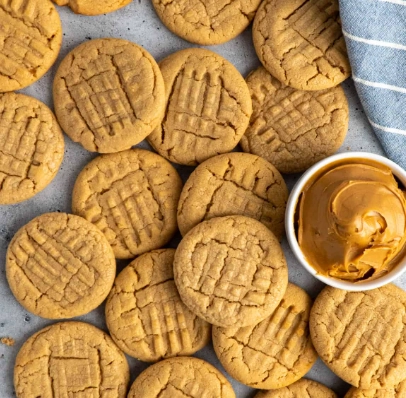
Beat in the peanut butter, then the egg. Scrape the bowl down.
In a separate bowl, whisk the flour, baking soda, baking powder, and salt. This ensures even distribution of leavening agents—no one wants a bite of pure baking soda.
Add the dry ingredients to the wet and mix on low speed just until no flour streaks remain. Over-mixing develops gluten, leading to tough cookies.
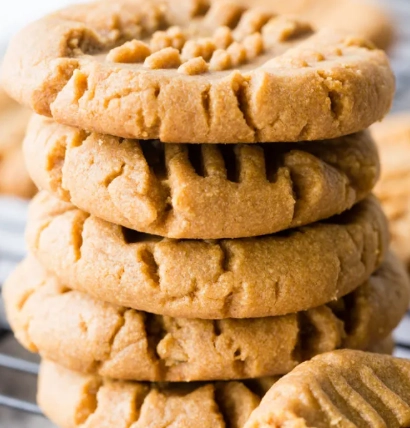
Preheat your oven to 350°F (175°C). Line baking sheets with parchment paper. Scoop dough into 1-inch balls, roll them, and place them 2 inches apart. Use a fork to make the classic criss-cross pattern, dipping the fork in sugar between presses to prevent sticking.
Bake for 9-11 minutes. They will look slightly underdone in the center when you pull them out—that's perfect. Let them cool on the sheet for 5 minutes before transferring to a wire rack. They'll firm up as they cool.
The Secret to Chewy vs. Crispy Cookies
Want a chewier cookie? It's all about moisture retention. Increase the brown sugar to 3/4 cup and reduce the granulated sugar to 1/4 cup. Brown sugar contains molasses, which holds onto water. Also, under-bake them by a minute. Take them out when the edges are just set but the centers look puffy and soft.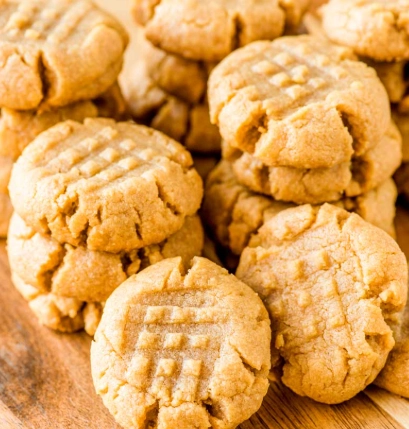
For a crispier, sandier texture, do the opposite. Use 3/4 cup granulated sugar and 1/4 cup brown sugar. Bake them a minute or two longer, until the edges are golden brown and the tops look set. They'll crisp up as they cool completely.
The type of peanut butter matters too. Commercial creamy peanut butter (with stabilizers like hydrogenated oils) gives a more predictable, classic result. Natural peanut butter (just peanuts and salt) can separate and sometimes lead to greasier, denser cookies. If you use natural, stir it extremely well and consider reducing other fats slightly, though the results will be less uniform.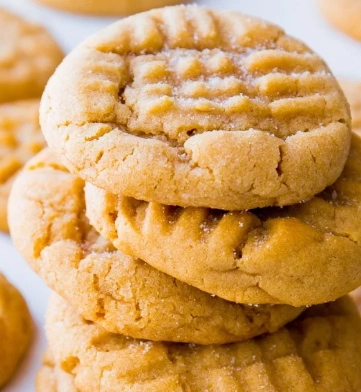
Healthy Peanut Butter Cookie Variations That Actually Taste Good
I've tried every "healthy" swap in the book. Many are disappointing. Here are the ones that work without sacrificing the soul of a peanut butter cookie.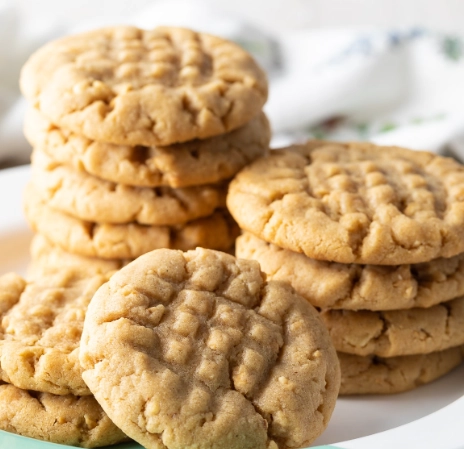
- Flour Swap: You can replace up to half of the all-purpose flour with whole wheat pastry flour. It adds fiber and a nutty flavor without making the cookies heavy. Don't use regular whole wheat flour for all of it—the cookies become dense and dry.
- Sugar Swap: For a less refined option, you can use coconut sugar 1:1 for the brown sugar. The flavor is deeper, almost caramel-like. It won't make them "sugar-free," but it's a better option. Honey or maple syrup are tricky; they add too much liquid and can make cookies cakey or burn easily.
- Butter Swap: Unsweetened applesauce or mashed ripe banana can replace up to half the butter. The cookies will be cakier and less rich, but still moist. For a high-protein option, try using a nut butter with higher protein content, though this is more of a nutrition bar territory.
- 3-Ingredient "Cookies": For the simplest option, mix 1 cup peanut butter, 1 cup sugar (any type), and 1 egg. Bake at 350°F for 8-10 minutes. They're denser and more fudgy, not a classic cookie texture, but they satisfy a quick craving and are gluten-free.
Fixing Common Peanut Butter Cookie Problems
Your cookies spread too much? Your dough was too warm. Chill it next time. Your oven might also be running cool. An oven thermometer is a baker's best friend—they're often off by 25 degrees.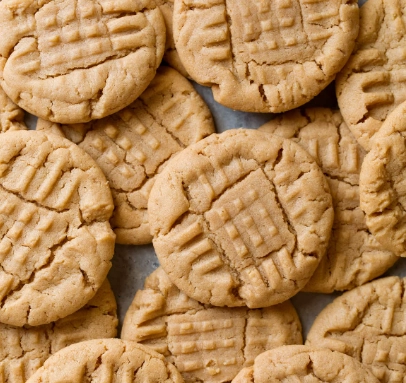
Cookies are dry and crumbly? You probably used too much flour or over-baked them. Remember the spoon-and-level method. Also, make sure your brown sugar is fresh and soft; hard, old brown sugar has lost its moisture.
No peanut butter flavor? This happens with some natural brands or if you skimp on salt. Salt makes the peanut flavor pop. A tiny pinch of flaky sea salt on top after baking works wonders.
Reader Comments