You've probably seen "just peanut butter" on labels or in recipes, but what does it really mean? I've been making and using pure peanut butter for over a decade, and let me tell you, it's a game-changer. Unlike the sugary spreads crowding supermarket shelves, just peanut butter is exactly that—peanuts, maybe a pinch of salt, and nothing else. This guide dives deep into why it's worth your attention, how to make it, and ways to use it that most people overlook.
Quick Navigation: What's Inside
What Is Just Peanut Butter Anyway?
Just peanut butter is the stripped-down version of your classic spread. Think of it as peanut butter in its purest form—no added sugars, oils, or preservatives. The ingredient list is short: roasted peanuts, and sometimes salt. That's it. I remember picking up a jar once, thinking it would taste bland, but the flavor is intense and nutty, way better than the overly sweet stuff.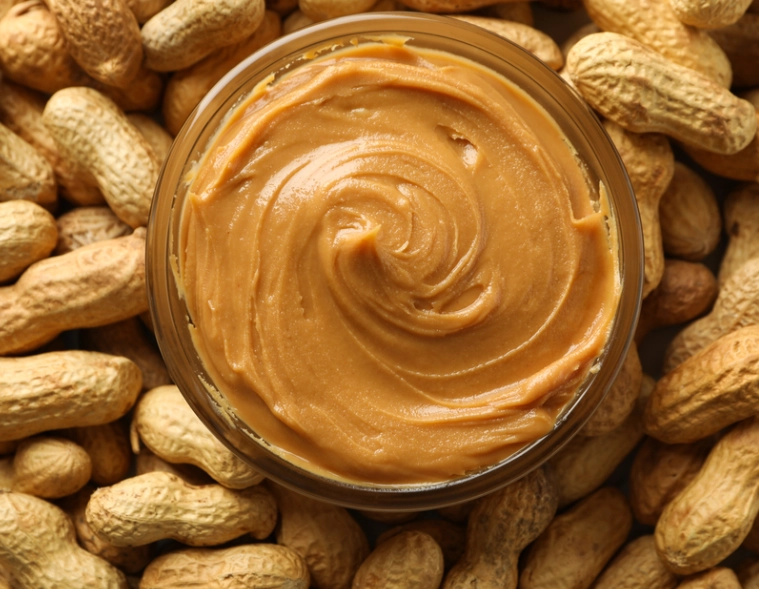
Why does this matter? Most commercial brands sneak in hydrogenated oils or high-fructose corn syrup to cut costs and improve texture. According to the USDA, these additives can turn a healthy snack into a calorie bomb. Just peanut butter avoids that, making it a staple for clean eaters and anyone watching their sugar intake.
The Real Health Benefits of Pure Peanut Butter
Let's cut through the noise. Just peanut butter isn't just a trend; it's packed with nutrients that support your health. Here’s what you gain by switching to the pure version.
Protein and Healthy Fats: A two-tablespoon serving gives you about 8 grams of protein and 16 grams of fat, mostly monounsaturated—the good kind that helps heart health. I've used it post-workout for years, and it keeps me full without the crash.
Fiber and Micronutrients: It's a decent source of fiber (around 2 grams per serving) and contains vitamins like E and B6, plus minerals like magnesium. One thing most guides miss: the magnesium in just peanut butter can aid muscle recovery, something I noticed when I swapped to pure spreads during marathon training.
Low Sugar Impact: With zero added sugars, it won't spike your blood sugar. This makes it ideal for diabetics or anyone on a low-carb diet. I've seen friends struggle with sugar cravings, and switching to just peanut butter helped them cut back without feeling deprived.
Quick Comparison: Check how just peanut butter stacks up against regular brands. Data is per 2-tbsp serving, based on average values from nutrition databases.
| Type | Calories | Protein (g) | Sugar (g) | Added Oils |
|---|---|---|---|---|
| Just Peanut Butter | 190 | 8 | 1 (natural) | None |
| Regular Peanut Butter | 200 | 7 | 3-5 | Often yes |
How to Make Just Peanut Butter at Home: A Step-by-Step Walkthrough
Making your own just peanut butter is easier than you think. I started doing this to save money, but now I prefer the taste. Here’s my go-to method, refined after countless batches.
What You'll Need
You don't need fancy gear. A food processor or high-speed blender works. For ingredients: 2 cups of roasted, unsalted peanuts (I like using Valencia peanuts for a richer flavor), and optionally, 1/4 teaspoon of sea salt. That's all.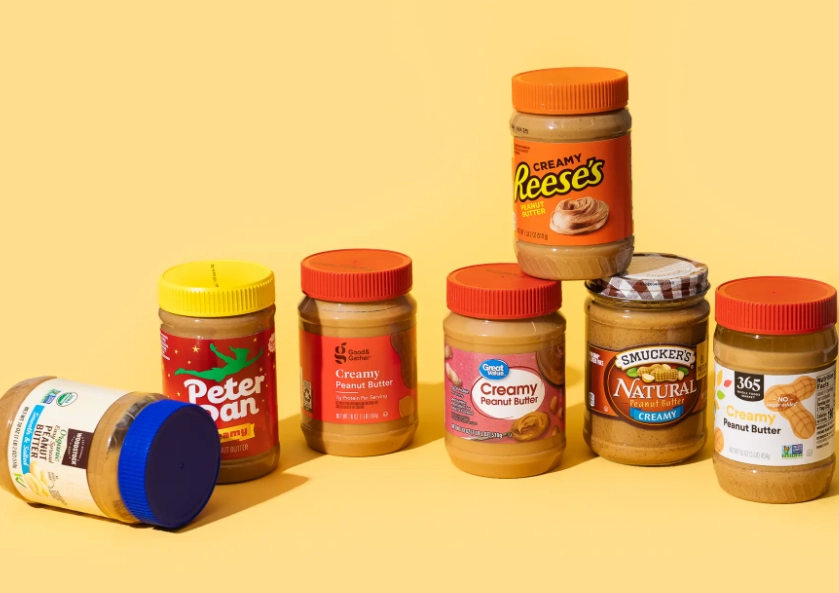
The Process Broken Down
First, toss the peanuts into the processor. Pulse for a minute until they're crumbly. This part is noisy—fair warning. Then, let it run for 3-4 minutes. The peanuts will go from crumbs to a thick paste. Scrape down the sides. Keep processing. Around the 8-minute mark, it'll turn smooth and creamy. If you want it crunchy, reserve some chopped peanuts to stir in at the end.
Add salt if desired, blend for another 30 seconds, and you're done. Store it in a glass jar in the fridge. It lasts up to a month, though mine never makes it that long.
A mistake I made early on: over-processing. If you go too long, the oils can separate and make it greasy. Stop when it's just smooth.
Beyond Toast: Creative Uses for Just Peanut Butter
Just peanut butter isn't just for sandwiches. Here are some ways I use it that most people don't think of.
Savory Sauces: Mix it with soy sauce, garlic, and a bit of water for a quick stir-fry sauce. It adds creaminess without dairy.
Energy Bites: Combine with oats, honey, and dark chocolate chips. Roll into balls for a snack on the go. I make these weekly for my kids—they love them.
Smoothie Booster: Add a tablespoon to your morning smoothie. It gives a protein kick and makes it creamier. My favorite combo: banana, spinach, and just peanut butter.
Salad Dressing Base: Whisk with lime juice, ginger, and a touch of water. It's a game-changer for grain bowls.
I've tried using it in baking, but here's a tip: since it lacks added sugars, you might need to adjust sweeteners in recipes. For cookies, I reduce other fats because the peanut butter already brings oil.
Common Mistakes Everyone Makes with Peanut Butter
Even with just peanut butter, people slip up. Here are pitfalls I've seen and how to avoid them.
Storing It Wrong: Don't leave it at room temperature. The natural oils can go rancid faster. Fridge storage is key for homemade versions. Commercial just peanut butter might be shelf-stable, but check the label.
Overlooking Texture: Just peanut butter can be thicker. If it's too stiff, stir in a teaspoon of neutral oil like avocado oil, but avoid hydrogenated oils—that defeats the purpose.
Assuming It's Low-Calorie: It's calorie-dense. Portion control matters. I use a tablespoon measure to keep servings in check.
Ignoring Allergy Cross-Contamination: If you're making it at home, clean your equipment thoroughly if you also process other nuts. Cross-contact is a real issue for those with severe allergies.
Your Questions Answered: Just Peanut Butter FAQ
Wrapping up, just peanut butter is more than a spread—it's a versatile, healthy ingredient that deserves a spot in your kitchen. Whether you buy it or make it, focusing on purity pays off in flavor and nutrition. Give it a try, and you might never go back to the sugary stuff.
Reader Comments