Two tablespoons of classic crunchy peanut butter pack about 190 calories. That number alone makes a lot of people pause, especially if they're watching their weight. I used to be one of them, meticulously scraping a thin layer onto my toast while feeling a pang of guilt. But after years of working with nutrition and talking to dietitians, I've come to see that fixating solely on the calories in crunchy peanut butter is a mistake. It's like judging a book by its cover—you miss the rich, complex story inside. The real value isn't just in the energy it provides, but in the powerful combination of protein, healthy fats, fiber, and micronutrients that come with those calories. This guide will dig past the basic calorie count to show you exactly what you're eating, how it compares to smooth varieties, and most importantly, how to make it work for your health goals, not against them.
What's Inside This Guide
How Many Calories Are in Crunchy Peanut Butter? The Detailed Nutrition Facts
Let's get specific. The standard serving size is 2 tablespoons (about 32 grams). According to the USDA's FoodData Central, a reliable source for nutrient information, here's what you get in that serving of a typical brand made with just peanuts and salt: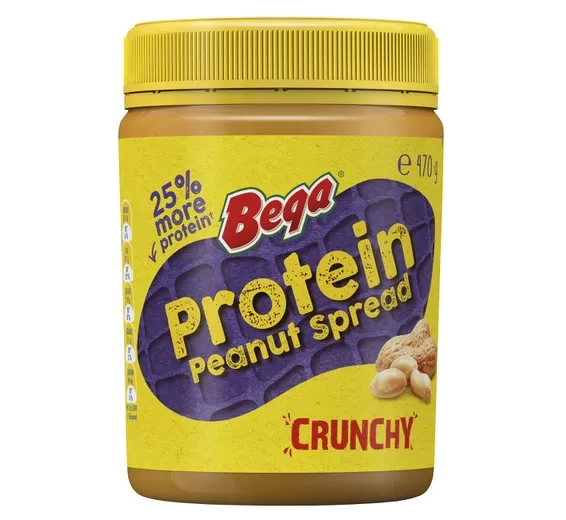
| Nutrient | Amount per 2 tbsp (32g) | % Daily Value* |
|---|---|---|
| Calories | 190 | 9% |
| Total Fat | 16g | 21% |
| - Saturated Fat | 2.5g | 13% |
| - Monounsaturated Fat | 8g | - |
| - Polyunsaturated Fat | 4g | - |
| Cholesterol | 0mg | 0% |
| Sodium | 150mg | 7% |
| Total Carbohydrate | 7g | 3% |
| - Dietary Fiber | 3g | 11% |
| - Total Sugars | 2g | 4% |
| Protein | 8g | 16% |
| Vitamin E | 2.9mg | 19% |
| Magnesium | 60mg | 14% |
| Niacin (B3) | 4.3mg | 27% |
*Percent Daily Values are based on a 2,000 calorie diet.
Now, here's a nuance most articles gloss over. That 3 grams of fiber? A significant portion comes from the peanut skins left in during processing for the crunchy texture. This is a benefit often overlooked. The fiber and protein together are what make peanut butter so satiating. They slow down digestion, helping to keep blood sugar stable and hunger pangs at bay for hours. Compare that to a 190-calorie bag of pretzels—mostly refined carbs—that leaves you searching for another snack in 45 minutes.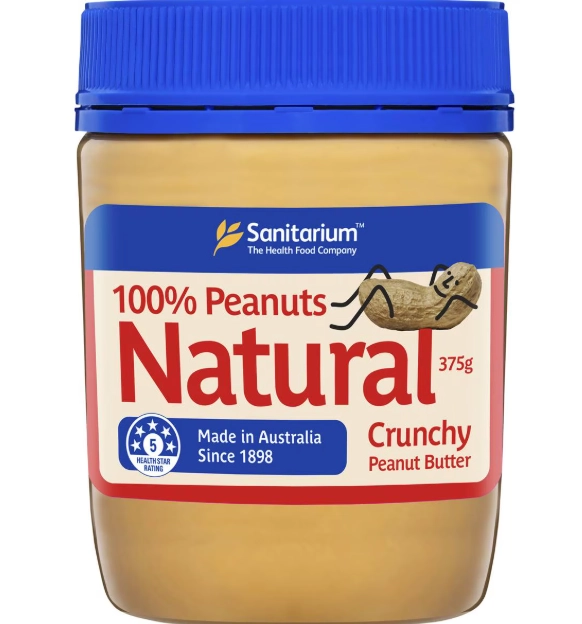
The fat profile is also crucial. Over 80% of the fat is unsaturated (mono- and polyunsaturated), the kind linked to better heart health. Research from sources like the Harvard T.H. Chan School of Public Health consistently shows that replacing saturated fats with these unsaturated fats can reduce cardiovascular risk.
Crunchy vs. Smooth Peanut Butter: Which Has More Calories?
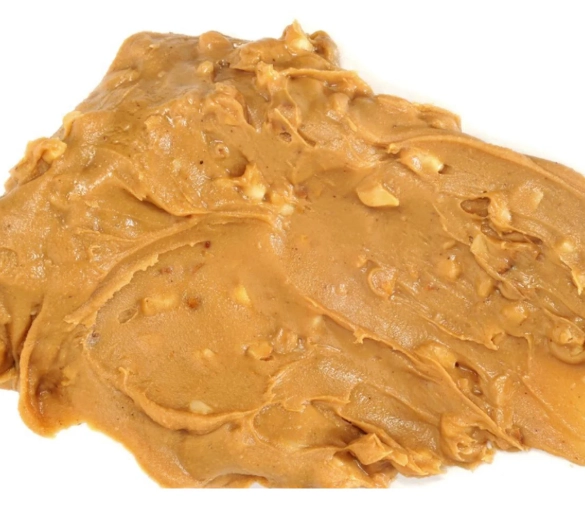
This is a common question, and the answer might surprise you. There is no meaningful difference in calories between crunchy and smooth peanut butter, assuming they are the same brand and recipe. The calories in crunchy peanut butter and its smooth counterpart are virtually identical per serving.
The confusion often stems from a slight difference in density. Because the peanut pieces in crunchy butter create tiny air pockets, a volume measure (like a tablespoon) might weigh a fraction of a gram less. But when you look at it by weight (grams), the calorie and macronutrient content is the same. The real difference isn't in the numbers; it's in the experience and a subtle nutritional edge.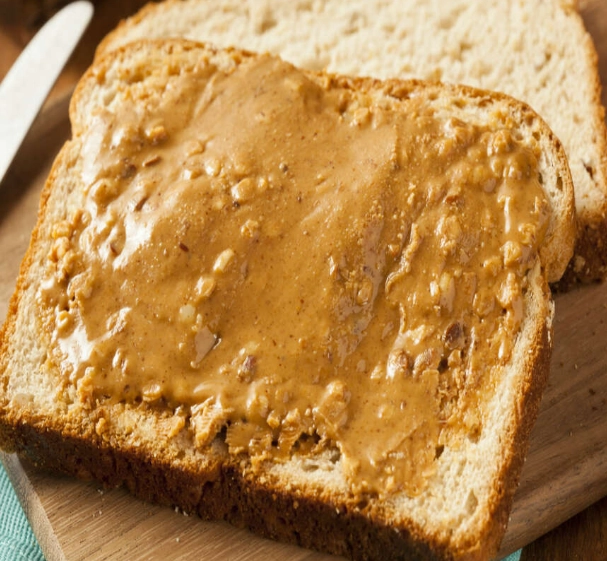
The Texture Factor and Satiety
Crunchy peanut butter requires more chewing. This isn't trivial. The act of chewing sends stronger signals to your brain that you're eating something substantial. It slows you down. I've noticed that I'm far more likely to mindlessly spoon smooth peanut butter straight from the jar, whereas with crunchy, I eat more deliberately. That built-in pause can help with portion control.
Furthermore, some studies on food texture suggest that foods requiring more mastication can increase feelings of fullness. The peanut pieces also provide a more varied sensory experience, which can lead to greater meal satisfaction. You feel like you've eaten more, even if the calorie count is the same.
Pro Tip: Don't choose based on presumed calories. Choose based on preference. If you enjoy crunchy more, you're likely to be more satisfied with your snack or meal, which can prevent overeating later. The satisfaction factor is an underrated tool in weight management.
Is Crunchy Peanut Butter Healthy? Weighing the Benefits and Drawbacks
Yes, crunchy peanut butter can be an exceptionally healthy food. But that "can be" is doing a lot of work. Its healthfulness is almost entirely dependent on the ingredient list.
The Clear Health Benefits
When you eat the right kind—just peanuts and maybe salt—you're getting a powerhouse.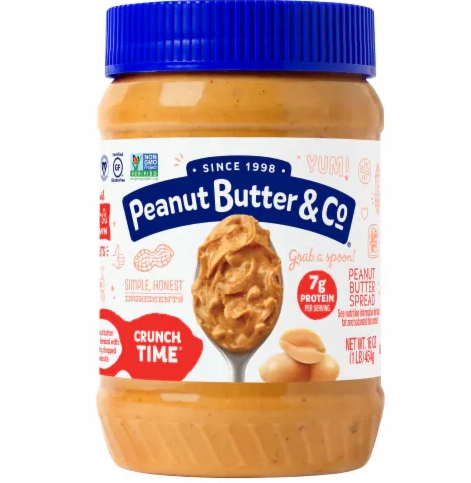
- Heart Health Ally: The unsaturated fats help lower LDL ("bad") cholesterol. The magnesium and vitamin E act as antioxidants and support muscle and nerve function.
- Weight Management Support: Its high protein and fiber content promote satiety. Including a moderate portion in a meal can help you eat less overall. It's a staple for healthy weight gain or maintenance for athletes because it's calorie-dense with good nutrition.
- Blood Sugar Stabilizer: The combination of fat, fiber, and protein minimizes blood sugar spikes, making it a good choice for people with insulin sensitivity or type 2 diabetes when paired with carbs (like on whole-grain bread).
The Hidden Pitfalls (Where Most People Go Wrong)
This is where my decade of looking at labels turns critical. The supermarket aisle is a minefield.
The biggest issue is added sugars and hydrogenated oils. Many conventional brands add sugar (often in multiple forms like cane sugar, molasses, or corn syrup) and hydrogenated oils to prevent oil separation and enhance spreadability. These hydrogenated oils are a source of trans fats, which are terrible for heart health. Even if the label says "0g trans fat," if "hydrogenated oil" is in the ingredients, it contains trace amounts per serving, which add up.
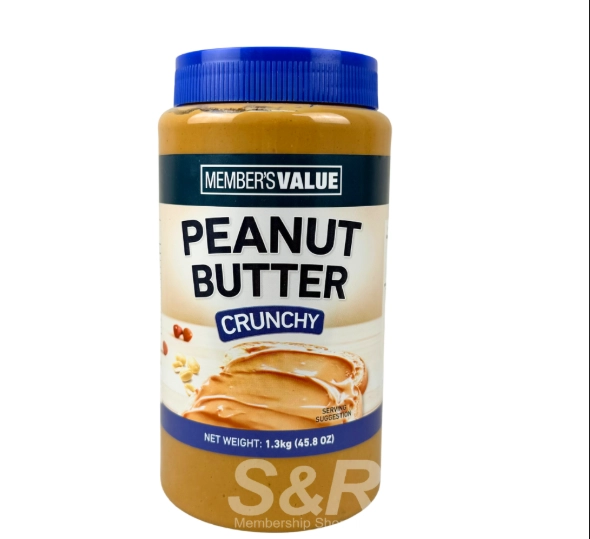
My Rule of Thumb: If the ingredient list has more than two items (peanuts, salt), scrutinize it. The third ingredient should not be sugar or any form of oil. I've seen "natural" brands that are just peanuts, sugar, palm oil, and salt. That's not much better than the standard stuff.
Another mistake is portion distortion. Two tablespoons is a serving, but it's not a huge amount. It's about the size of a ping-pong ball. It's very easy to double that without thinking, especially when spreading on toast or adding to a smoothie, turning a 190-calorie health food into a nearly 400-calorie indulgence.
How to Enjoy Crunchy Peanut Butter in a Healthy Diet
Forget about eating it plain off a spoon (well, maybe sometimes). The key is to use it as a flavor and nutrient booster within a balanced eating framework.
Smart Pairing Strategies
Pairing is everything. To maximize the benefits of the calories in crunchy peanut butter, combine it with other nutrient-rich foods.
- Breakfast: Swirl one tablespoon into plain oatmeal with sliced banana. The fat and protein turn a carb-heavy meal into a sustained energy source. Spread a thin layer on whole-grain toast and top with apple slices for crunch-on-crunch action.
- Snacks: This is its sweet spot. Dip celery sticks or apple slices. Make a mini "sandwich" with two whole-grain crackers. Mix a tablespoon into plain Greek yogurt.
- Sauces & Dressings: Thin it with warm water, lime juice, a dash of soy sauce, and a pinch of chili flakes for an incredible satay-style sauce for grilled chicken or vegetables. This transforms a simple protein into a restaurant-worthy dish.
Portion Control Without Measuring Spoons
I don't always use a measuring spoon. Instead, I use visual cues:
- One heaping teaspoon is roughly half a tablespoon.
- A serving for a sandwich is about enough to cover one slice of bread in a thin, even layer where you can still see some bread through it.
- When adding to a smoothie, I pre-scoop it onto a spoon before dumping it in, so I have a visual check.
Think of it as a condiment, not the main event.
Frequently Asked Questions About Calories in Crunchy Peanut Butter
Look past the initial shock of 190 calories. See it for what it is: a concentrated source of sustained energy, healthy fats, plant-based protein, and vital nutrients. The calories in crunchy peanut butter are not empty calories; they're investment calories. By choosing a natural product, respecting the portion size, and pairing it intelligently, you turn a simple spread into a genuine tool for better health. Don't fear the jar—just know how to use it.
Reader Comments