Let's cut to the chase. You want peanut butter fudge that's creamy, not grainy. You want it to set properly without needing a candy thermometer and a chemistry degree. The answer isn't some obscure technique—it's sitting right on your grocery store shelf: marshmallow fluff. This isn't just another recipe; it's the reliability hack that turns fudge-making from a gamble into a guaranteed win. I've made hundreds of batches, and the fluff method is the one I always come back to when I need perfect results, fast.
What You'll Find in This Guide
Why Marshmallow Fluff is the Ultimate Fudge Shortcut
Traditional cooked fudge relies on heating sugar to a precise temperature (the soft-ball stage, around 235°F) to form microcrystals that give a smooth texture. Get it wrong, and you have sugary sand or a gooey mess. Marshmallow fluff changes the game.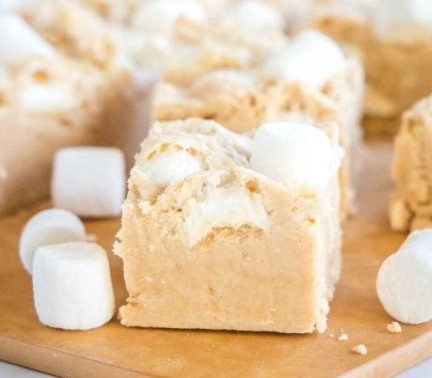
Fluff is essentially sugar, corn syrup, and egg whites whipped with gelatin. When you melt it with peanut butter and sugar, it acts as a stabilizer. It prevents large sugar crystals from forming, which is the main cause of grainy fudge. Think of it as a built-in insurance policy. You're not cooking sugar to a specific stage; you're melting and combining ingredients. The result? A consistently smooth, creamy texture with a margin for error that traditional recipes simply don't offer.
Your Fudge Ingredients: A Simple Breakdown
Here’s what you need. It looks simple, and it is, but the quality of your peanut butter makes a bigger difference than you might think.
| Ingredient | Quantity | Purpose & Pro Tip |
|---|---|---|
| Granulated Sugar | 2 cups | Provides sweetness and structure. Don't substitute with brown sugar here—it adds moisture and can make the fudge too soft. |
| Evaporated Milk (not sweetened condensed) | 1/2 cup | The cooking liquid. Its concentrated, less watery nature helps the fudge set without being chewy. This is non-negotiable for the right texture. |
| Butter | 1/2 cup (1 stick) | Adds richness, flavor, and a smooth mouthfeel. Use unsalted to control the salt level. |
| Marshmallow Fluff/Creme | 1 cup (about one 7oz jar) | The magic ingredient for smooth, foolproof texture. Measure it by scraping it into a measuring cup—don't pack it down. |
| Peanut Butter | 1 cup | This is critical. Use a standard, shelf-stable creamy peanut butter like Jif or Skippy. The oils and stabilizers in these brands help the fudge emulsify and set correctly. “Natural” peanut butter (the kind with oil on top) will likely separate and create a greasy, crumbly fudge. |
| Vanilla Extract | 1 teaspoon | Enhances all the other flavors. Use pure vanilla if you have it. |
The Foolproof Step-by-Step Process
Grab an 8x8 inch baking pan. Line it with parchment paper, leaving an overhang on two sides. This isn't just for easy cleanup; it's the only way to get perfect, uncracked squares out later. Lightly butter the paper.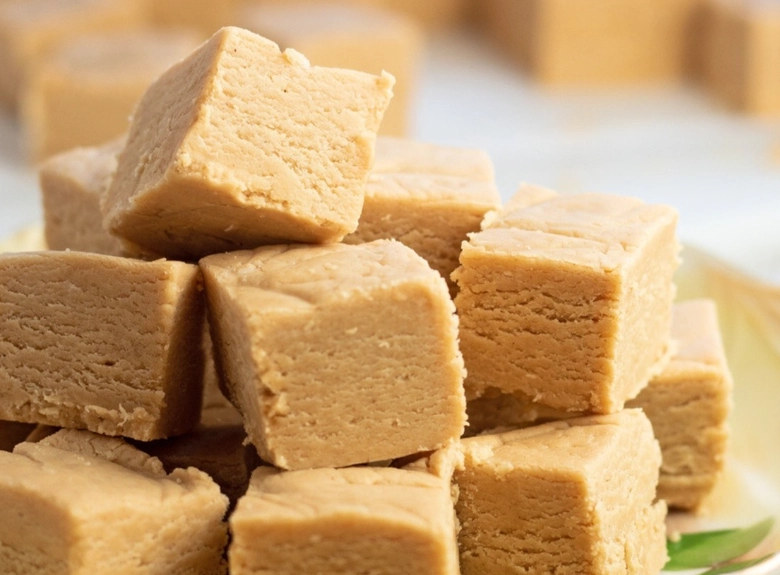
Step 1: The Controlled Boil
In a medium, heavy-bottomed saucepan (this distributes heat evenly and prevents scorching), combine the sugar, evaporated milk, and butter. Bring it to a full, rolling boil over medium heat, stirring constantly. Once it's boiling vigorously, set a timer for 5 minutes. Keep stirring the entire time. You'll see the mixture thicken slightly and become a pale golden color.
Step 2: The Off-Heat Mix
This is where you work fast. Remove the pan from the heat. Immediately add the entire cup of marshmallow fluff and the teaspoon of vanilla. Stir vigorously until the fluff is completely melted and incorporated—no white streaks.
Step 3: Incorporating the Peanut Butter
Now add the full cup of peanut butter. Stir until the mixture is completely smooth, glossy, and uniform. You shouldn't see any separate pools of oil. This takes a bit of elbow grease, but it's essential. If the mixture seems to separate, keep stirring; the emulsion will usually come together.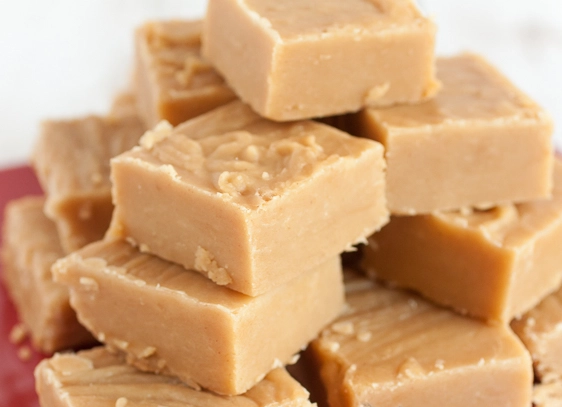
Step 4: Setting Up
Pour the hot fudge mixture into your prepared pan. Spread it evenly into the corners with a spatula. Don't jiggle or tap the pan aggressively to settle it; this can create air bubbles. Let it cool at room temperature for about 30 minutes, then transfer it to the refrigerator to set completely for at least 3-4 hours, or overnight is best.
Common Mistakes and How to Fix Them
Even with this easy recipe, things can go slightly sideways. Here's your troubleshooting guide.
Fudge is too soft/won't set: The most likely culprit is not boiling the sugar-milk-butter mixture for the full 5 minutes. This step cooks off enough water for proper setting. If it's been in the fridge overnight and is still soft, you can try re-melting it gently and boiling for another 1-2 minutes, then re-pouring. Alternatively, just enjoy it as a delicious peanut butter dip or spread.
Fudge is grainy: This is rare with the fluff method, but if it happens, it's usually because sugar crystals formed on the side of the pan during boiling and got stirred in. Next time, use a wet pastry brush to wash down any sugar crystals on the pan sides during the first minute of boiling.
Fudge is greasy/oily: You likely used a natural peanut butter. The oil separated. For this recipe, conventional peanut butter is a functional ingredient, not just a flavor choice.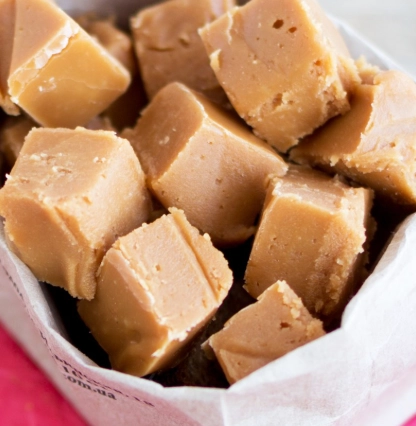
Creative Variations to Make It Your Own
The basic recipe is a blank canvas. Once you've mastered it, try these twists.
Chocolate Swirl: Melt 1/2 cup of semi-sweet chocolate chips with 1 teaspoon of shortening. After pouring the fudge into the pan, drizzle the melted chocolate over the top and drag a knife through it to create swirls.
Salted Pretzel Crunch: Press a handful of mini pretzel pieces into the top of the fudge immediately after pouring. The sweet-salty contrast is incredible.
Cookie Butter Fudge: Replace half of the peanut butter with speculoos cookie butter. The flavor is warm and spiced.
Rocky Road: Stir in 1/2 cup of mini marshmallows and 1/2 cup of chopped walnuts or pecans right before pouring into the pan.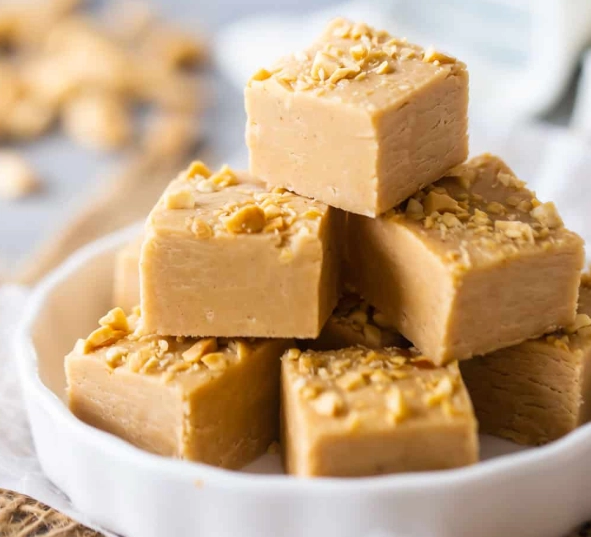
Storage and Gifting Tips
Properly stored, this fudge stays delicious for a long time. Keep it in an airtight container in the refrigerator for up to 3 weeks. You can also freeze it for up to 3 months; layer squares between parchment paper in a freezer-safe container. Thaw in the fridge overnight.
For gifting, stack squares in small treat boxes or mini parchment paper bags. Tie with baker's twine. A small tag with storage instructions (“Keep Cool”) is a thoughtful touch. It's a fantastic holiday cookie swap alternative or a thoughtful homemade gift any time of year.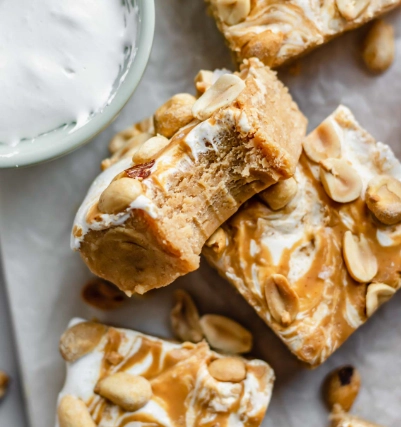
Your Fudge Questions, Answered
Can I use natural peanut butter if I stir it really well first?
My fudge is setting up too fast in the pan before I can spread it. What happened?
How can I make my fudge look more professional for a party?
Is there a way to make this recipe without evaporated milk?
Why does my fudge sometimes develop a thin, sugary film on top after a few days?
Reader Comments