Let's be honest. Most peanut butter cookie recipes promise chewy, flavorful bliss but deliver a dry, crumbly disappointment that tastes more like sweetened sawdust than anything else. I've been there, staring at a tray of flat, over-baked disks, wondering where I went wrong. After a decade of tweaking, testing, and (yes) failing, I've cracked the code. This isn't just another recipe list. It's a masterclass in understanding why each ingredient matters and how to manipulate them to get the exact cookie you crave—thick and chewy, thin and crispy, or something gloriously in between.
In This Guide: Your Cookie Roadmap
The Science Behind Every Ingredient
Great baking is edible chemistry. If you understand the role of each component, you gain control. Here’s what’s really happening in your mixing bowl.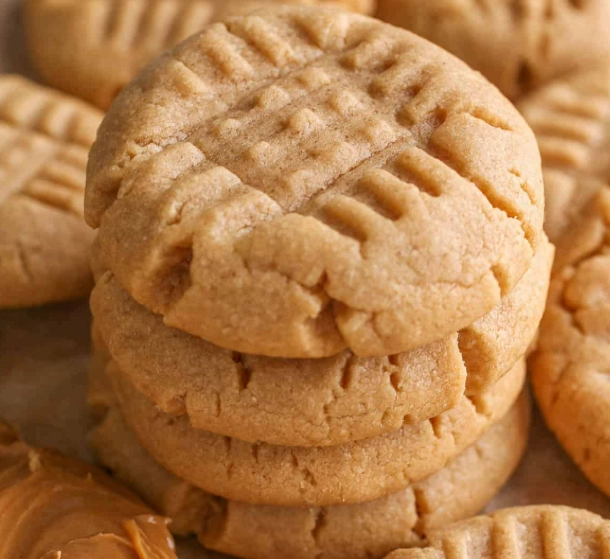
Peanut Butter: The Star Player
This is the most critical choice. Use a standard, shelf-stable commercial brand like Jif or Skippy for consistent results. I know, gourmet natural peanut butter with just peanuts and salt sounds healthier and more authentic. But here’s the non-consensus truth: the oil separation in natural peanut butter leads to wildly inconsistent dough hydration. Your cookies can go from greasy puddles to dry bricks batch to batch. Commercial brands are emulsified and stabilized, giving you a predictable fat-to-solid ratio every time. They also contain added sugar, which contributes to the ideal spread and tenderness.
Flour: The Structure Builder
All-purpose flour is your friend. Its moderate protein content (around 10-12%) provides enough gluten to hold the cookie together without making it tough. A mistake I made for years was scooping the flour directly from the bag with my measuring cup, which packs it down. You end up with up to 20% more flour than intended, leading to dry, cakey cookies. The right way? Spoon the flour lightly into your measuring cup and level it off with a knife. Better yet, use a kitchen scale (135 grams per cup).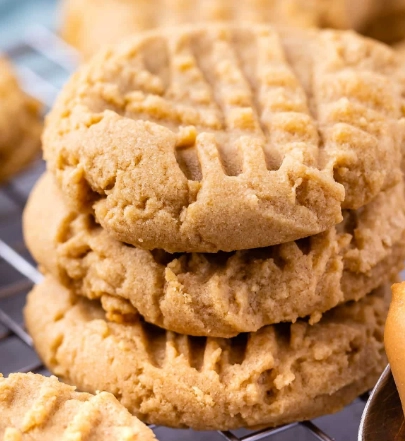
Sugars: Sweetness, Texture, and Spread
Most recipes use a mix of granulated (white) and brown sugar. Granulated sugar promotes spread and crispness. Brown sugar (light or dark), with its molasses content, attracts and retains moisture, leading to a chewier, denser cookie with a richer flavor. The ratio is your first lever for texture control.
Fats & Binders: Butter and Eggs
Unsalted butter lets you control the salt level. Creaming room-temperature butter with the sugars traps air, creating a light structure. A cold egg binds the dough and adds moisture. Don't skip the vanilla extract—it rounds out the flavors beautifully.
| Ingredient | Role in the Cookie | Pro-Tip / Pitfall |
|---|---|---|
| Peanut Butter (commercial, creamy) | Primary flavor, fat source, contributes to chewiness. | Avoid natural, oil-separating types for recipe consistency. |
| All-Purpose Flour | Provides structure. Too little = flat; too much = dry. | Measure by weight (135g/cup) or spoon-and-level to avoid excess. |
| Unsalted Butter (room temp) | Adds flavor, aids in leavening via creaming, promotes spread. | Too cold won't cream; too warm makes dough greasy. |
| Granulated Sugar | Sweetness, promotes spread and crisp edges. | Combined with brown sugar for balanced texture. |
| Brown Sugar (light or dark) | Sweetness, moisture retention (chewiness), rich flavor. | Pack it firmly into the measuring cup for accuracy. |
| Large Egg | Binder, adds structure and moisture. | Use room temperature for better emulsion with butter. |
| Baking Soda | Leavening agent, encourages browning and spread. | Check it's not expired. It activates upon heating. |
| Salt | Enhances all flavors, balances sweetness. | Fine sea salt or table salt dissolves evenly. |
The Master Recipe & Step-by-Step Guide
This is your foundation. Follow these steps precisely, and you'll have a perfect batch of classic peanut butter cookies.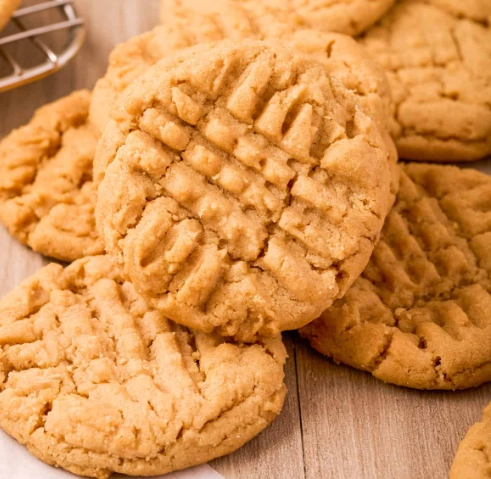
Yield: About 24 cookies | Prep: 15 mins | Chill: 1 hour (crucial!) | Bake: 10-12 mins
- 1 ¼ cups (160g) all-purpose flour (spooned & leveled)
- ¾ teaspoon baking soda
- ½ teaspoon fine sea salt
- ½ cup (115g) unsalted butter, softened to room temperature
- ½ cup (100g) granulated sugar
- ½ cup (100g) packed light brown sugar
- 1 large egg, room temperature
- 1 teaspoon pure vanilla extract
- ¾ cup (190g) creamy commercial peanut butter (like Jif)
Step 1: Whisk Dry Ingredients. In a medium bowl, whisk the flour, baking soda, and salt. This ensures even distribution, preventing bitter soda pockets.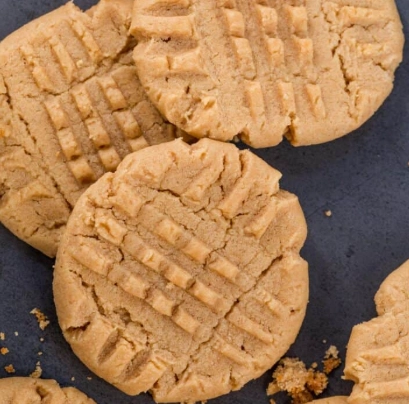
Step 2: Cream Butter & Sugars. In a large bowl, use an electric mixer on medium speed to beat the softened butter, granulated sugar, and brown sugar for about 2 minutes. You want it light, fluffy, and pale in color. This step incorporates air—don't rush it.
Step 3: Incorporate Wet Ingredients. Beat in the egg and vanilla extract until just combined. Scrape down the bowl. Then, beat in the peanut butter until the mixture is smooth and uniform.
Step 4: Combine Wet & Dry. With the mixer on low speed, gradually add the flour mixture. Mix until *just* combined and no dry flour remains. Over-mixing at this stage develops gluten, leading to tough cookies. The dough will be soft and slightly sticky.
Step 5: Chill the Dough. This is non-negotiable. Cover the bowl and refrigerate for at least 1 hour, or up to 3 days. Chilling solidifies the fat, preventing cookies from spreading into sad, thin puddles in the oven. It also allows the flour to hydrate fully, deepening the flavor.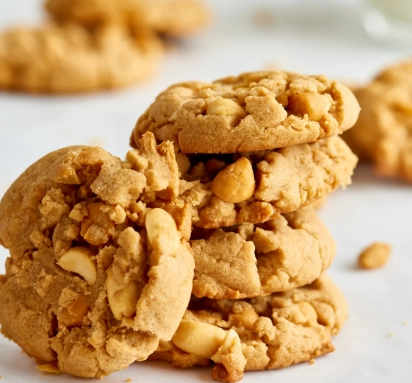
Step 6: Portion & Bake. Preheat your oven to 350°F (175°C). Line baking sheets with parchment paper. Scoop dough into 1.5-tablespoon portions, roll into balls, and place 2 inches apart. Use a fork to make the classic criss-cross pattern, dipping the fork in sugar to prevent sticking. Bake for 10-12 minutes. The edges will be set and lightly golden; the centers will look soft and puffy. They will set as they cool.
Step 7: The Cool Down. Let cookies cool on the baking sheet for 5 minutes before transferring them to a wire rack. This final setting period is key for structure.
How to Control Cookie Texture: Chewy vs. Crispy
Now for the fun part: customization. Want a thick, bakery-style cookie? A lace-thin, crisp one? Adjust these variables.
For Thick, Chewy, Soft-Centered Cookies:
- Chill Longer: Chill dough for 24-48 hours. Very cold dough spreads less.
- Adjust Sugars: Use more brown sugar (e.g., ¾ cup brown, ¼ cup white).
- Add an Extra Yolk: The extra fat and emulsifiers in a yolk increase chewiness.
- Bake at Slightly Higher Temp: Try 375°F (190°C). The outside sets faster, locking in a thick, soft center.
- Under-bake Slightly: Pull them out when the edges are just golden and centers look underdone.
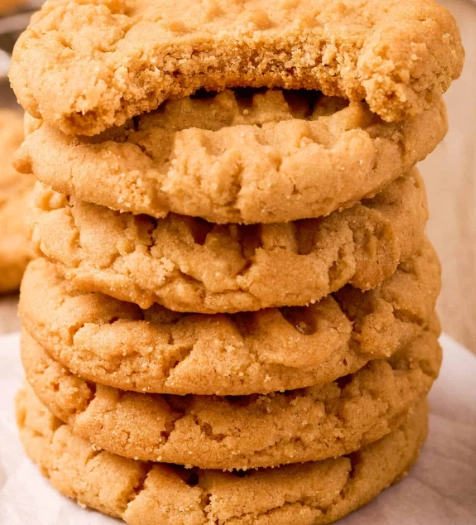
For Thin, Crispy, Buttery Cookies:
- Use Melted Butter: Replace softened butter with cooled, melted butter. This creates a denser dough that spreads more.
- Adjust Sugars: Use more granulated sugar (e.g., ¾ cup white, ¼ cup brown).
- Reduce Flour Slightly: Use a scant 1 ¼ cups (about 150g).
- Press Dough Balls Flatter before baking.
- Bake Fully: Bake until the cookies are evenly golden brown across the top.
Troubleshooting Common Cookie Disasters
Even with a great recipe, things can go sideways. Here’s how to diagnose and fix the most common issues.
Problem: Cookies spread too much, becoming flat and thin.
Likely Cause: Dough wasn't chilled; butter was too warm; baking sheet was warm when dough was placed; oven temperature is too low.
Fix: Always chill dough. Ensure baking sheets are cool. Verify oven temp with an oven thermometer.
Problem: Cookies didn't spread at all, staying in a tall, dense ball.
Likely Cause: Too much flour (from incorrect measuring); dough was over-chilled and baked rock-solid; not enough baking soda.
Fix: Measure flour correctly. Let over-chilled dough sit at room temp for 10-15 mins before baking. Check baking soda freshness.
Problem: Cookies are dry and crumbly.
Likely Cause: Over-measuring flour; over-baking; using natural peanut butter (which can be drier).
Fix: See flour note above. Set a timer. Use commercial peanut butter.
Problem: Cookies taste bland or "floury."
Likely Cause: Not enough salt; ingredients not fully incorporated; dough not chilled (flavor needs time to develop).
Fix: Don't skimp on salt. Scrape the bowl well during mixing. Chill the dough, preferably overnight.
Reader Comments