You've probably mixed up a batch of peanut butter cookies before. The recipe seems straightforward enough. Yet, sometimes they come out perfect—soft, chewy, with that iconic criss-cross pattern holding just the right amount of give. Other times? They're dry, sandy, spread too thin, or taste blandly of flour. The difference almost always boils down to the ingredients you use and how you understand them. This isn't just a list; it's a deep dive into the essential ingredients for peanut butter cookies, explaining not just the "what" but the crucial "why" behind each component. Getting this right turns a simple recipe into a guaranteed crowd-pleaser.
Your Baking Roadmap
- The Peanut Butter Deep Dive: Your #1 Decision
- Sugar & Flour: The Texture Foundation
- Leavening Agents & Binders: The Structure Crew
- Flavor Enhancers & The Secret Weapons
- A Classic Recipe, Broken Down by Ingredient
- 3 Common Ingredient Mistakes (And How to Fix Them)
- Your Peanut Butter Cookie Ingredient Questions, Answered
The Peanut Butter Deep Dive: Your #1 Decision
This is the star. Choosing the wrong type is the single biggest reason cookies fail. It's not just about brand loyalty.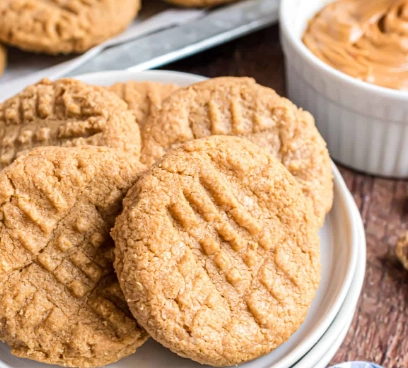
My Experience: I once made a double batch for a bake sale using a fancy, oily natural peanut butter I loved on toast. The cookies spread into one giant, greasy lace mat in the oven. Lesson learned the hard way.
Commercial vs. Natural Peanut Butter
Most classic recipes are formulated for commercial, shelf-stable peanut butter like Jif or Skippy. These contain added hydrogenated oils and sugars, which create a predictable, stable fat and sugar content. The emulsifiers prevent the oil from separating, giving you a consistent dough.
Natural peanut butter (just peanuts and salt) is a different beast. The oil separates, and its consistency varies wildly. If you use it straight from the jar without adjusting the recipe, your cookie dough will be too oily, leading to excessive spread and a greasy mouthfeel.
Can you use natural peanut butter? Absolutely. But you must stir it thoroughly until completely homogenous, and I recommend reducing any other added fat (like butter) in the recipe by about 25% to compensate for the extra peanut oil. Chill the dough longer, too.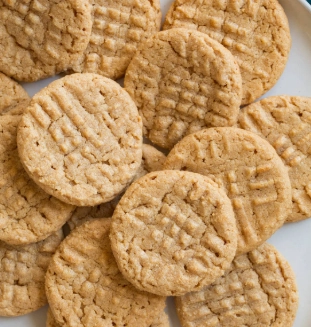
Creamy vs. Crunchy
This is pure preference. Creamy gives a uniform, melt-in-your-mouth texture. Crunchy adds delightful little peanut bits for contrast. If you use crunchy, note that the peanut pieces absorb some moisture, which can very slightly make the cookie drier. It's negligible in a good recipe, but something to be aware of.
Sugar & Flour: The Texture Foundation
This duo controls spread, chew, and structure. It's a balancing act.
| Ingredient | Primary Role | Effect on Cookie | Expert Tip |
|---|---|---|---|
| Granulated White Sugar | Sweetness, spread, crisp edges | Promotes spreading and caramelization for crispier edges. | For chewier cookies, use more brown sugar relative to white. |
| Brown Sugar (Light or Dark) | Sweetness, moisture, chew, flavor | The molasses adds moisture and acidity, resulting in a softer, chewier center and richer flavor. | Dark brown sugar has more molasses for an even chewier, more caramel-like result. Pack it firmly into your measuring cup. |
| All-Purpose Flour | Structure | Provides the gluten framework that holds the cookie together. Too little = flat, greasy; too much = dry, cakey. | Fluff your flour, spoon it into the measuring cup, and level it off. Don't scoop directly from the bag—you'll pack in 20% more flour! |
The ratio is key. A 50/50 split of white and brown sugar is the classic starting point for a balanced cookie with crisp edges and a chewy middle. Want a denser, more molasses-forward cookie? Go 1:2 white to brown. Want a crisper, snappier cookie? Reverse it.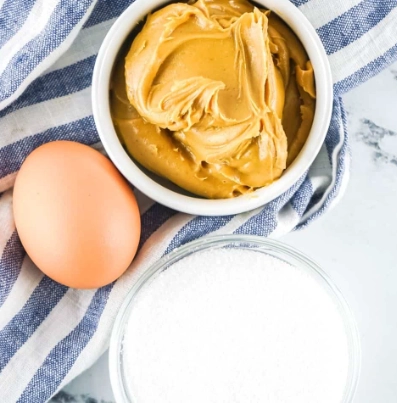
Leavening Agents & Binders: The Structure Crew
These are the unsung heroes that give your cookie lift and hold it together.
Baking Soda: This is non-negotiable for the classic peanut butter cookie. It requires an acid to activate. Guess what has acid? The molasses in brown sugar. This reaction creates lift and, crucially, helps develop that beautiful golden-brown color and slightly porous, tender crumb. Without enough baking soda (or without the brown sugar acid to activate it), your cookies will be pale, dense, and lack flavor depth.
Egg: The ultimate binder. It provides structure, richness, and moisture. One large egg is standard. The yolk adds fat and emulsifiers for a tender crumb, while the white provides protein structure. Room-temperature eggs incorporate into the fat-sugar mixture more evenly, leading to a better emulsion and texture.
Butter (or alternative fat): Most recipes use unsalted butter, softened. It adds flavor and, when creamed with sugar, traps air for lift. Melted butter will make a denser, chewier cookie with more spread. Some old-fashioned recipes use shortening for maximum puff and no spread—but you lose the buttery flavor. I stick with butter.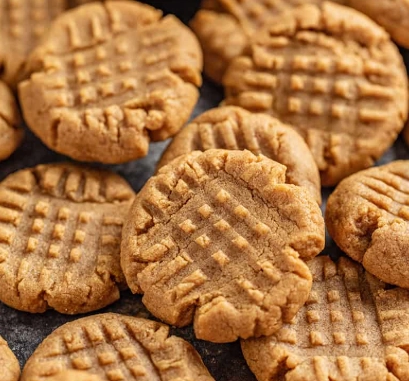
Flavor Enhancers & The Secret Weapons
This is where you move from good to memorable.
- Salt: Use fine sea salt or kosher salt. It's not just for savoriness; it heightens all the other flavors, especially the peanut butter. If you use unsalted butter, you control all the salt. Don't skip it.
- Vanilla Extract: A teaspoon rounds out the flavor profile. Use pure extract, not imitation.
- The Secret Weapon (Optional but Game-Changing): A tablespoon of malted milk powder. It doesn't make it taste malty; it adds a deeper, toasty, "bakery" flavor complexity that makes people ask, "What's in these?" It's my non-consensus trick.
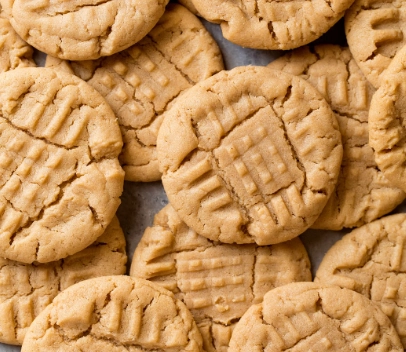
A Classic Recipe, Broken Down by Ingredient
Let's look at a standard, highly reliable recipe and see how each ingredient plays its part. This yields about 24 cookies.
- 1 cup (250g) creamy commercial peanut butter: The flavor base and primary fat source. Provides protein and oil.
- 1/2 cup (115g) unsalted butter, softened: Adds creaminess and aids in aeration when creamed. Using salted butter? Omit the added salt below.
- 1/2 cup (100g) granulated sugar: For sweetness, spread, and crisp edges.
- 1/2 cup (110g) packed light brown sugar: For moisture, chew, and to activate the baking soda.
- 1 large egg, room temperature: Binds everything, adds structure and richness.
- 1 1/4 cups (160g) all-purpose flour: The structural framework. Measured correctly!
- 3/4 teaspoon baking soda: The leavener for lift and browning.
- 1/2 teaspoon baking powder: A little extra lift for a less dense texture.
- 1/2 teaspoon fine sea salt: Flavor enhancer.
- 1 teaspoon vanilla extract: Flavor balancer.
The Process in a Nutshell: Cream peanut butter, butter, and sugars until fluffy (~3 mins). Beat in egg and vanilla. Whisk dry ingredients in a separate bowl, then mix into wet until just combined. Chill dough for at least 1 hour (crucial for flavor and control!). Roll into balls, press with a fork, bake at 350°F (175°C) for 9-11 minutes.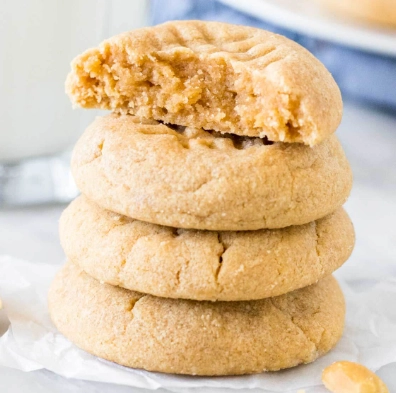
3 Common Ingredient Mistakes (And How to Fix Them)
I've seen these ruin more batches than anything else.
1. Using Cold Butter or Eggs. This prevents proper creaming. The sugar can't trap air in solid fat, leading to a dense cookie. Your ingredients should be at cool room temperature (about 65-70°F).
2. Skipping the Chill Time. You mix the dough and think, "It looks fine, I'll just bake them." This is the road to flat, spread-out cookies. Chilling solidifies the fat, allowing the cookies to set before they melt and spread uncontrollably. It also hydrates the flour for a better texture. One hour minimum, overnight is ideal.
3. Over-measuring the Flour. The number one cause of dry, cakey cookies. That "scoop and level" method packs in excess flour. Fluff, spoon, level. For absolute precision, a kitchen scale is your best friend—160 grams of flour is always 160 grams.
Your Peanut Butter Cookie Ingredient Questions, Answered
Look, baking is part science, part intuition. But with peanut butter cookies, nailing the ingredients is 90% of the battle. It’s not about finding a magic brand, but understanding the role of each component in your bowl. Choose your peanut butter wisely, measure your flour with care, respect the sugar ratio, and never underestimate the power of a good chill. Do that, and you’re not just following a recipe—you’re guaranteeing a perfect batch, every single time.
Reader Comments