You grab a spoon, dip it into the jar, and scoop out a heaping mound of peanut butter. Is that one serving? Two? Most of us are just guessing, and that guess can easily double or triple the calories and fat we think we're eating. The official serving size for peanut butter is 2 tablespoons (about 32 grams). But that number alone is useless if you don't know what it looks like in your kitchen, why it matters for your goals, or how it changes between creamy, crunchy, or natural varieties.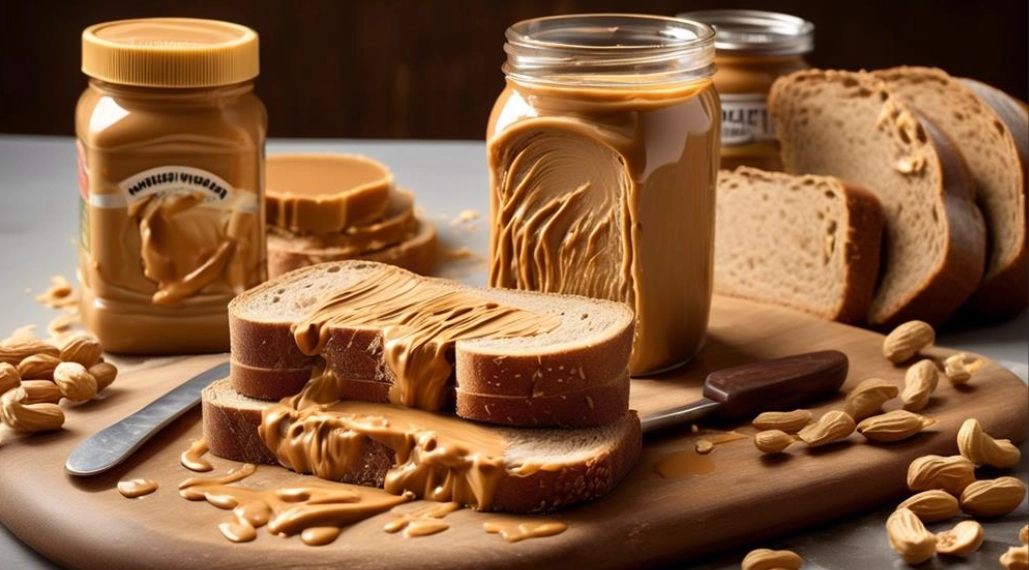
I've spent years as a nutrition coach, and the peanut butter jar is where even the most diligent food trackers slip up. The difference between a level spoon and a heaping one can be 100 calories. Let's fix that.
What’s Inside This Guide
The Standard Serving: More Than Just a Number
The FDA defines a standard reference serving for peanut butter as 2 tablespoons (tbsp). This is the amount you'll see on every Nutrition Facts label in the U.S. It's not arbitrary. This portion is designed to give you a meaningful amount of the food's key nutrients—primarily protein and healthy fats—while keeping calories in a manageable range for a snack or meal component.
Here’s the catch most people miss: this serving size is for the standard, stabilized peanut butter you find in most big-brand jars (think Jif, Skippy, Peter Pan). These have added oils, sugars, and emulsifiers to prevent separation. If you're using a natural or “peanuts-only” peanut butter, the serving by volume (2 tbsp) is identical, but the weight and sometimes the nutrition can shift slightly because of density and oil separation.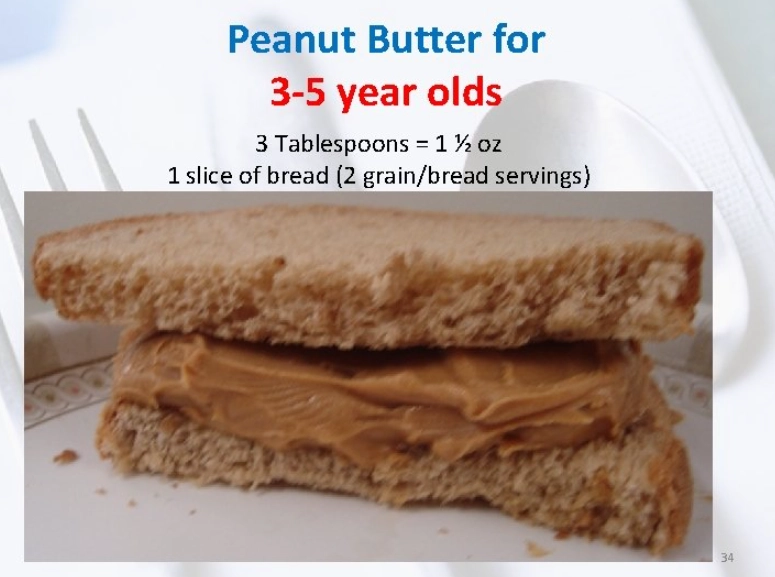
How to Measure a Serving Without a Scale (The Right Way)
Not everyone has a food scale on their counter. Eyeballing is where we fail. A “heaping” tablespoon can easily hold 1.5 to 2 times the intended amount.
Visual Cues You Can Trust
Forget the “size of a golf ball” analogy—it’s not precise. Use these instead:
- A Level Standard Soup Spoon: Not the giant serving spoon. Use a normal-sized tablespoon from your cutlery drawer. Fill it, then level it off with the back of a knife. Do this twice.
- Ping Pong Ball Volume: Two tablespoons of peanut butter, when scooped and lightly packed, is roughly the volume of a standard ping pong ball.
- Check Your Jar: Some brands now have lines or indicators on the side of the jar showing a 2-tbsp portion. It's worth looking for.
The most common mistake I see? People use a tablespoon meant for dry ingredients, which is often not the same volume as a liquid tablespoon. If you're serious, buy a set of proper measuring spoons. The $5 investment saves you hundreds of “mystery” calories a week.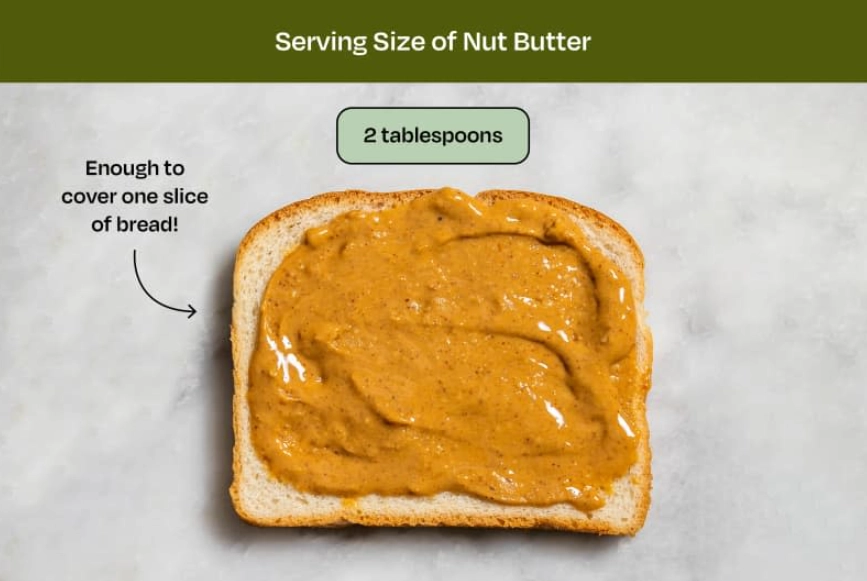
What’s Really in That 2-Tablespoon Serving?
Let's break down what you're actually consuming. I've pulled data from the USDA FoodData Central database for a standard creamy peanut butter with salt. This is your baseline.
| Nutrient | Amount per 2 Tbsp (32g) | % Daily Value (DV)* |
|---|---|---|
| Calories | ~191 kcal | 10% |
| Total Fat | 16g | 21% |
| - Saturated Fat | 3g | 15% |
| - Monounsaturated Fat | 8g | - |
| Protein | 7g | 14% |
| Total Carbohydrates | 7g | 3% |
| - Dietary Fiber | 2g | 7% |
| - Total Sugars | 3g | 6% |
| Sodium | ~136mg | 6% |
*Based on a 2,000-calorie diet. Source: USDA FoodData Central.
The big takeaway isn't the calories—it's the 7 grams of plant-based protein and 2 grams of fiber. That combo is what makes peanut butter so satiating. The fat is predominantly heart-healthy mono- and polyunsaturated fats. The downside for some brands is the added sugar and hydrogenated oils (trans fats) used for stability. A natural version might have 1g of sugar or less for the same serving.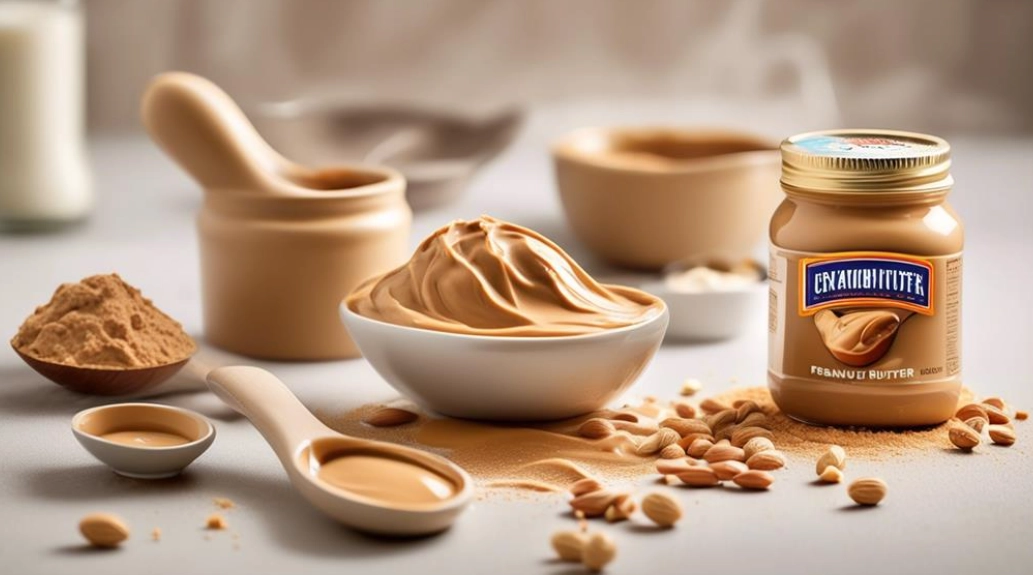
Adjusting Your Serving for Weight Loss, Muscle Gain & Keto
The standard serving isn't a commandment. It's a starting point. You should tweak it based on what you're trying to achieve.
If Your Goal is Weight Loss
Stick to the 2-tbsp serving, but be militant about measuring. This portion gives you satisfaction without blowing your calorie budget. A great hack is to pre-portion it. When you open a new jar, immediately spoon out 2-tbsp servings onto parchment paper, freeze them, and store them in a bag. You remove the temptation to go back for “just one more spoonful.”
If Your Goal is Building Muscle
You have more room. A serving could be 3 or even 4 tablespoons, adding significant protein and calories to a post-workout smoothie or oatmeal. For example, a muscle-gain shake with a banana, protein powder, milk, and 3 tbsp of peanut butter delivers a powerful calorie and nutrient punch. Just track it—those extra tablespoons add up fast.
If You're Following a Keto or Very Low-Carb Diet
Net carbs are key. For standard peanut butter: 7g total carbs - 2g fiber = 5g net carbs per 2-tbsp serving. That can fit, but it uses up a chunk of your daily allowance (typically 20-50g). You might choose to use only 1 tablespoon (~2.5g net carbs) to flavor something, or switch to a brand with no added sugar. Always check the label.
I had a client who stalled on keto for weeks. We discovered her “small spoon” of peanut butter three times a day was actually a 4-tbsp daily habit, adding 20g of extra carbs she wasn't counting. Measuring fixed it.
Your Peanut Butter Portion Questions, Answered
 I use peanut butter powder. How does the serving size compare?
The bottom line is simple. Respect the 2-tablespoon serving. Measure it until you can truly recognize it. This single habit transforms peanut butter from a diet saboteur into one of the most reliable, satisfying, and nutritious tools in your kitchen. Now go enjoy that perfect, guilt-free spoonful.
Reader Comments