I stood in the supermarket aisle for a good five minutes last week, just staring at the peanut butter. The wall of jars promised everything from "natural" and "organic" to "low-fat" and "protein-packed." My usual brand was out of stock, and I was paralyzed. What's actually in these things? Is there a real difference beyond marketing? That moment of confusion is what pushed me to look past the label claims and straight at the ingredient list and nutrition facts. What I found changed how I buy peanut butter for good.
Let's crack open that jar together.
What You'll Find Inside
The Real Deal: What's Actually in Your Jar?
This is where the rubber meets the road. Turn the jar around. The ingredient list tells the true story, and it falls into three main categories.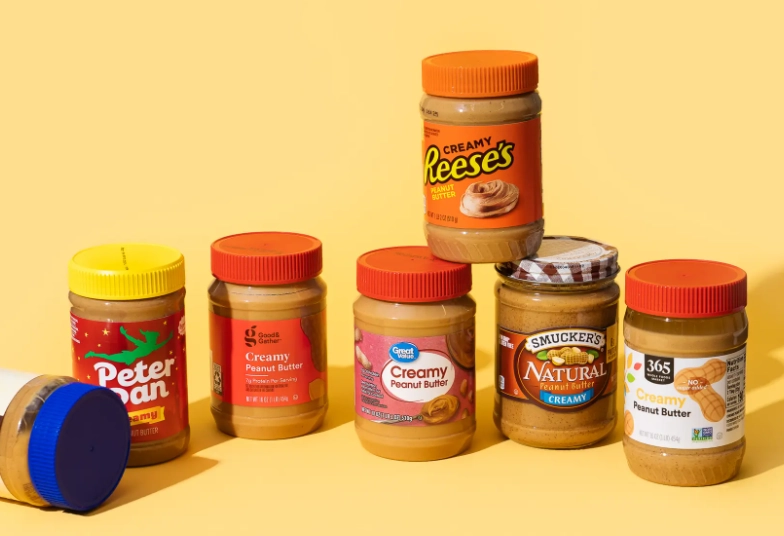
1. The Good: What Should Be There
Peanuts. Obviously. But the order matters. Ingredients are listed by weight. In a perfect world, "peanuts" or "organic peanuts" should be the only item. That's it. This is what you get in a true, no-stir natural peanut butter. The oil separation? That's a feature, not a bug—it means nothing is stopping the natural peanut oil from doing its thing.
Salt. A little salt is often added for flavor. We're talking sea salt or just "salt." It's fine in moderation. If you're strictly managing sodium, look for "unsalted" varieties.
2. The Questionable: Common Additives Explained
This is where most conventional brands live. They add stuff to stop oil separation, improve spreadability straight from the fridge, and sweeten the deal.
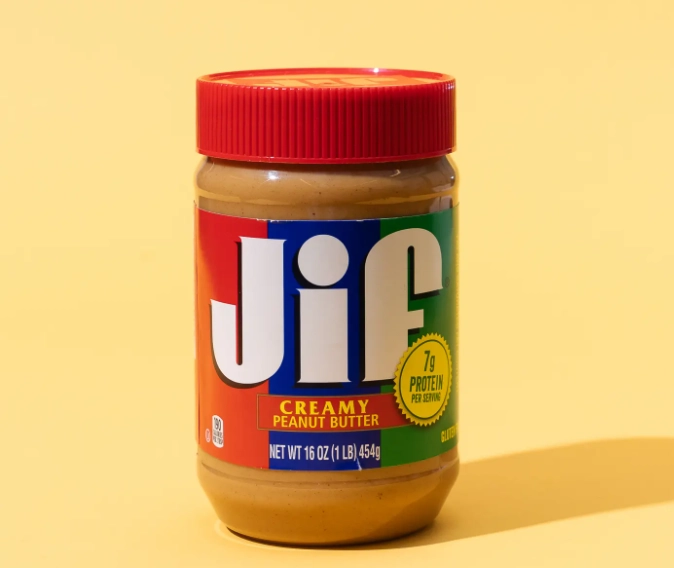
Added Sugars: This isn't just sugar. Look for "cane sugar," "corn syrup solids," "dextrose," "molasses," or "honey." Some brands use multiple types to avoid having "sugar" appear first on the list. A popular national brand lists: Peanuts, Corn Syrup Solids, Sugar, Hydrogenated Vegetable Oil (Rapeseed and Soybean), Salt. Peanuts aren't even the majority ingredient by weight in that formulation.
Hydrogenated Oils: These are the real troublemakers. To prevent oil separation and create that uniformly smooth, never-stiff texture, manufacturers add small amounts of fully or partially hydrogenated vegetable oils (like palm, soybean, or rapeseed oil). These are sources of trans fats, which the FDA has taken steps to eliminate because they're terrible for heart health. Even if the label says "0g trans fat," if "hydrogenated oil" is in the ingredients, it contains less than 0.5g per serving—which adds up.
Emulsifiers: Stuff like mono- and diglycerides. Their job is to bind the water and oil phases together, again, for that perfect, non-separating consistency.
3. The Marketing Spin: "Natural" and "Healthy" Labels
Here's a frustrating truth: The term "natural" is largely unregulated by the FDA for peanut butter. A jar can say "natural" and still contain palm oil, sugar, and emulsifiers. What they often mean is "no hydrogenated oils," but they may use palm oil (which is high in saturated fat) instead.
"Organic" is a regulated term. It means the peanuts were grown without synthetic pesticides. It does not mean the product is free from added oils or sugars. Always check the list.
A Quick Comparison
Let's put two typical jars side-by-side to see the stark contrast in what's inside peanut butter:
| Ingredient Type | Classic "Regular" Brand (Creamy) | True "Natural" Brand (Creamy, No Stir) |
|---|---|---|
| Primary Ingredient | Peanuts | Peanuts |
| Added Sweeteners | Corn Syrup Solids, Sugar | None |
| Stabilizers/Oils | Hydrogenated Vegetable Oils (Rapeseed, Soybean) | Palm Oil (for stability without hydrogenation) |
| Other Additives | Salt, Mono- and Diglycerides | Salt |
| What the List Tells You | Engineered for shelf-stability, sweetness, and uniform texture. Peanuts may not be the dominant component by weight. | Minimally processed. May separate; needs stirring. Texture is more authentic. |
Beyond Ingredients: The Nutrition Breakdown
Okay, so we know what's in it. What does that mean for your body? A standard 2-tablespoon (32g) serving is our benchmark.
The Powerhouse: At its core, peanut butter is a fantastic source of healthy fats (mostly monounsaturated and polyunsaturated), plant-based protein, and fiber. This trio is why it's so satiating. It also contains essential vitamins and minerals like Vitamin E, Magnesium, Potassium, and B vitamins like Niacin.
The Calorie Note: It's energy-dense. That same serving hovers around 180-210 calories. This isn't inherently bad—it's concentrated nutrition. The problem is mindless eating. Scooping straight from the jar can easily turn into a 500-calorie snack.
Where Brands Diverge Dramatically:
- Sugar: A natural peanut butter (just peanuts, salt) has about 1-3g of sugar (natural from the peanuts). A conventional one can have 4-8g of added sugar per serving. That's 1-2 extra teaspoons of sugar.
- Saturated Fat: This is where the type of stabilizer oil matters. Peanuts themselves have some sat fat. Adding hydrogenated or palm oil increases it. Compare labels.
- Sodium: Usually ranges from 0mg (unsalted) to 150mg per serving. Worth a glance if you're watching intake.
I learned this the hard way. I used to buy a "healthy," store-brand natural peanut butter. One day I read the label: peanuts, palm oil, sugar, salt. The palm oil gave it a weirdly slick mouthfeel I never liked, and the sugar was unnecessary. I switched to a brand with one ingredient—dry roasted peanuts—and after the initial stir, the flavor was deeper, richer, and more peanutty. I use less because it's more satisfying.
How to Choose the Best Peanut Butter for You
Forget the front label. Here's your actionable, 30-second store-aisle checklist.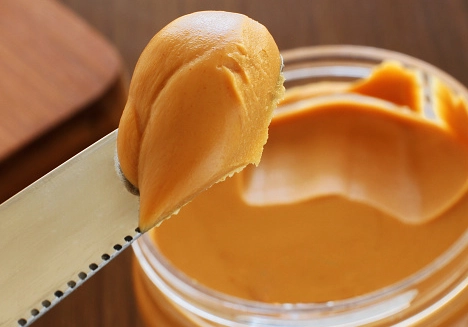
Step 1: Read the Ingredient List. This is non-negotiable.
- Best Choice: The list says "Peanuts" or "Peanuts, Salt." That's the gold standard.
- Good Choice: "Peanuts, Palm Oil, Salt." The palm oil prevents separation. It's a trade-off for convenience and a bit more saturated fat.
- Questionable Choice: Any list where peanuts aren't the first item, or includes multiple sugars (syrup, dextrose) and/or "hydrogenated" oils.
Step 2: Scan the Nutrition Facts. Focus on two lines:
- Total Sugars: Aim for under 3g per serving. This usually means no sugar added.
- Protein & Fiber: Look for at least 7g of protein and 2g of fiber per serving. Good indicators of peanut content.
Step 3: Decide on Your Priorities.
- For Pure Nutrition: One-ingredient, no-stir (you'll have to stir it) natural.
- For Family-Friendly Convenience: A "natural" one with just peanuts, palm oil, and salt. No separation, spreads easily.
- For Baking: Conventional peanut butter can work better in some recipes because it's more stable. But for peanut flavor, a natural one wins.
- Avoid Like the Plague: "Low-Fat" or "Fat-Free" versions. They remove the healthy fat and replace it with sugar and fillers like corn syrup solids and modified food starch. The calorie difference is minimal, and you lose all the satiety benefits.
Don't be afraid of a little oil on top. It's a sign of real food.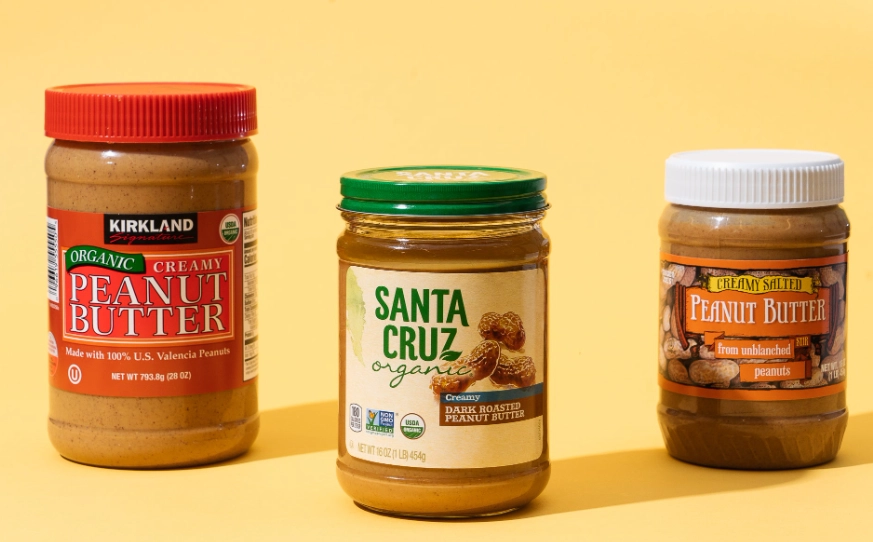
Your Peanut Butter Questions, Answered
Over the years, talking to friends and readers, a few specific worries and points of confusion keep popping up. Let's tackle them.
The bottom line is simple. Peanut butter is a nutritious, versatile food. The health halo gets tarnished by what we add to it. By spending an extra minute in the aisle to read the label, you can ensure you're getting the nutritional benefits of peanuts, not a science project of sugars and stabilizers. Your body will taste the difference.
Reader Comments