Two tablespoons of standard peanut butter pack about 190 calories. That's the quick answer, but it's not the whole story. If you're tracking your intake or just curious, you need to know the nuances—like how serving sizes vary, why brands differ, and what those calories actually mean for your health. I've spent years navigating nutrition labels, and let me tell you, peanut butter is one of those foods where small mistakes add up fast. This guide dives deep into the numbers, backed by practical tips you won't find on generic health sites.
What You'll Learn in This Guide
Why Serving Size Matters for Peanut Butter Calories
Most people eyeball their peanut butter, and that's where things go wrong. A serving isn't just a random spoonful—it's a standardized amount used for nutrition labeling. In the U.S., the FDA defines a common serving for peanut butter as 2 tablespoons (32 grams). But here's the kicker: many brands subtly adjust this on their labels. I once bought a "natural" brand that listed a serving as 1 tablespoon, making it seem lower in calories until I did the math per gram.
Why does this matter? If you're counting calories for weight management or health goals, an extra half-tablespoon can add nearly 50 calories. That's enough to offset a morning walk. The serving size is your baseline; without it, you're guessing.
Defining a Standard Serving
Let's get specific. A standard 2-tablespoon serving weighs about 32 grams. This is based on data from the USDA FoodData Central, a reliable source for nutrient information. But not all peanut butters have the same density. Creamy varieties might spread thinner, while crunchy ones can be more packed. I learned this the hard way when I switched from Jif to a homemade version and my calorie counts went haywire.
For context, 2 tablespoons is roughly the size of a ping-pong ball. Visual cues help, but they're not perfect. When I first started measuring, I used a tablespoon from my kitchen drawer and found it was slightly larger than the official measuring spoon—a small error that led to consistent overconsumption.
Calorie Comparison: Popular Peanut Butter Brands
Calories vary by brand due to ingredients like added oils, sugars, or salt. Here's a breakdown of common options, based on my own label checks and USDA references. This table shows calories per 2-tablespoon serving (32g), but always check the label on your jar—some brands like Justin's use 1-tablespoon servings to appear diet-friendly.
| Brand | Type | Calories per Serving | Key Ingredients Impacting Calories |
|---|---|---|---|
| Jif Creamy | Conventional | 190 | Added sugar, hydrogenated oils |
| Skippy Natural | Natural | 180 | Palm oil, sugar |
| Smucker's Natural | Natural (no stir) | 200 | Just peanuts, salt—higher fat content |
| Justin's Classic | Natural | 190 (per 1 tbsp) | Peanuts, palm oil—dense serving size |
| Crazy Richard's 100% Peanuts | Natural | 180 | Only peanuts—no additives |
| Peter Pan Honey Roast | Flavored | 210 | Added honey, sugars |
Notice something? Natural peanut butter often has similar or slightly higher calories because it relies solely on peanut fat, while conventional brands dilute with oils but add sugars. I used to think "natural" meant fewer calories, but that's a myth. The difference is in nutrient quality—natural versions offer more monounsaturated fats and fewer processed additives.
For a real-world scenario, imagine you're making a daily sandwich. With Jif, you get 190 calories; with Smucker's Natural, it's 200. Over a week, that's an extra 70 calories—not huge, but it adds up if you're meticulous. My advice: pick based on ingredients, not just calorie counts.
How to Measure Your Peanut Butter Serving Accurately
Measuring peanut butter is trickier than it sounds. It's sticky, dense, and clings to spoons. Here's a method I developed after years of trial and error.
Use a kitchen scale. This is the gold standard. Place your bowl on the scale, tare it to zero, and add peanut butter until it reads 32 grams. I bought a $20 scale online, and it changed everything—no more guessing. If you don't have a scale, use measuring spoons, but level them off with a knife. Don't scoop straight from the jar; you'll likely take more.
The water displacement trick. Fill a measuring cup with water, note the level, then submerge your peanut butter spoon. The rise in water volume equals the volume of peanut butter. It's messy but works in a pinch. I used this camping once when I forgot my scale.
Common pitfalls: Avoid using "heaping" tablespoons. Even a small mound can add 10-15 calories. Also, peanut butter settles in jars, so stir natural brands well before measuring—otherwise, you might get more oil and fewer solids, skewing calories slightly.
Pro tip from experience: Pre-portion your peanut butter. On Sundays, I measure out 32-gram servings into small containers. It saves time and prevents overeating during rushed mornings. This simple habit helped me stay consistent without feeling deprived.
The Health Impact: Beyond Just Calories
Calories are just one piece. Peanut butter is calorie-dense, but it's also nutrient-rich. A serving provides about 8 grams of protein, 16 grams of fat (mostly healthy monounsaturated), and fiber. The key is balance.
I've seen clients fear peanut butter for its calories, then binge on low-calorie snacks that spike their blood sugar. That's a mistake. Peanut butter's fats and protein promote satiety, meaning you feel full longer. A study from the Harvard T.H. Chan School of Public Health suggests nuts and nut butters can support heart health when consumed in moderation.
But moderation is tricky. If you're aiming for weight loss, factor peanut butter into your daily budget. For example, if you need 1,800 calories a day, 190 from peanut butter is fine—pair it with apple slices or whole-grain toast. I used to skip it altogether, but adding a controlled serving actually curbed my afternoon cravings.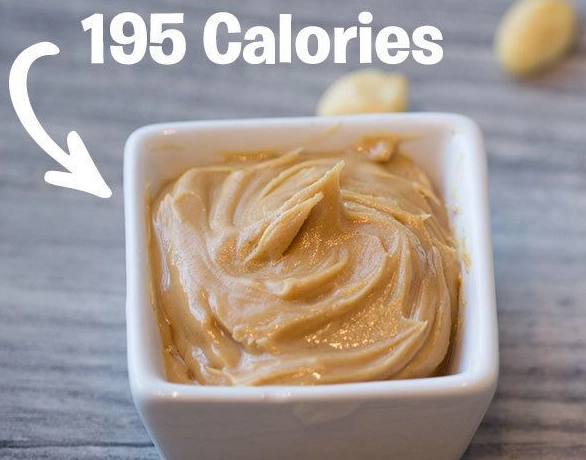
When Calories Add Up: A Real-Life Scenario
Let's say you have peanut butter daily. If you underestimate your serving by just 1 tablespoon, that's an extra 95 calories per day. Over a month, that's nearly 2,850 calories—roughly equivalent to 0.8 pounds of body weight gain if not compensated. This isn't to scare you, but to highlight precision. I tracked this myself using a food diary app and found my "little extra" was adding up silently.
Common Mistakes and How to Avoid Them
People mess up peanut butter calories in predictable ways. Here are the top blunders I've observed.
Mistake 1: Ignoring serving size on the label. Always check if the serving is 1 or 2 tablespoons. Justin's, for instance, lists 190 calories for 1 tablespoon, so a typical 2-tablespoon portion is 380 calories—double what you might assume.
Mistake 2: Assuming all natural peanut butters are lower in calories. As the table shows, they're often similar. The benefit is fewer additives, not fewer calories.
Mistake 3: Not accounting for added ingredients. Flavored varieties like honey or chocolate peanut butter can have 20-30 more calories per serving due to sugars. I once bought a "protein" peanut butter that had extra calories from fillers—read the ingredient list closely.
To avoid these, make a habit of scanning labels. Use a measuring tool, and don't let marketing terms like "healthy" or "light" fool you. Some "light" peanut butters reduce fat but add sugars, keeping calories nearly the same.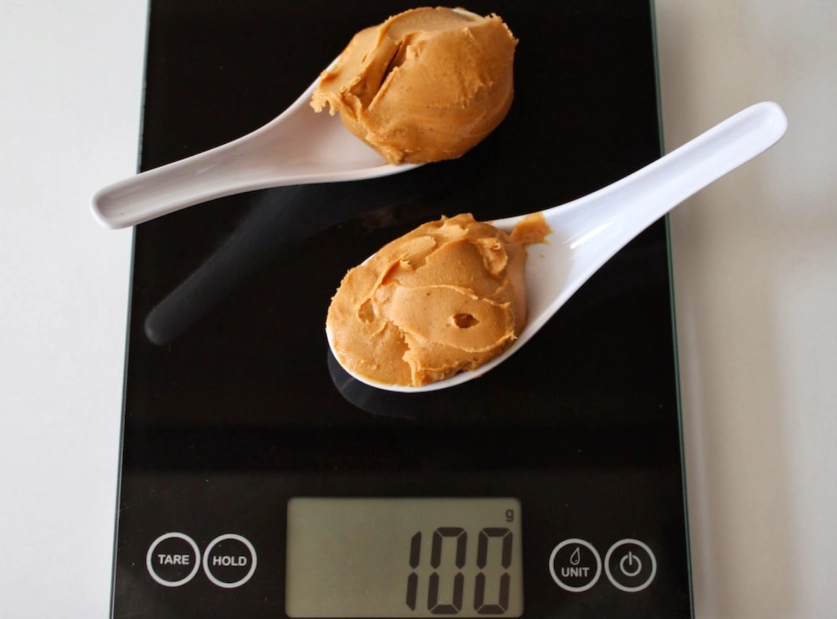
Reader Comments